Neng Nana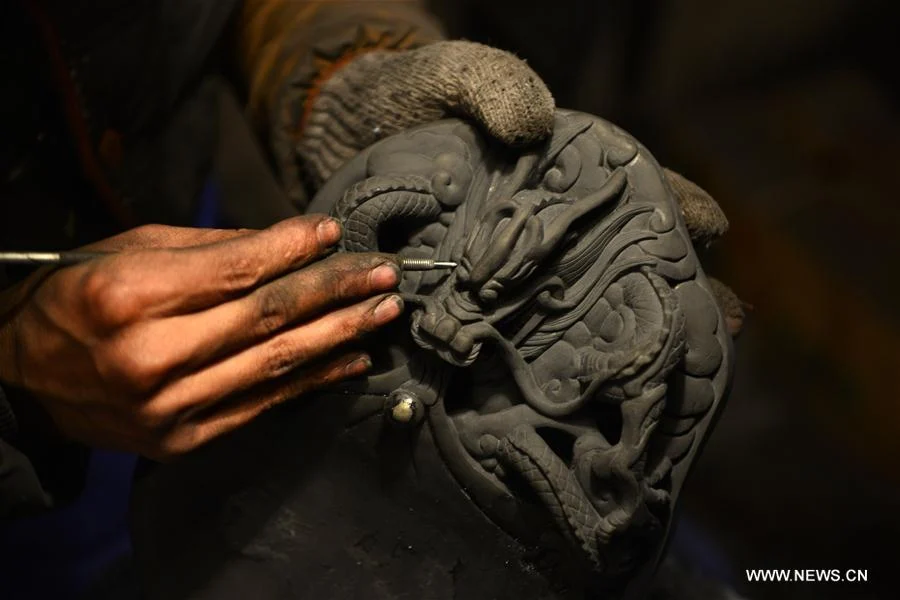
A craftsman meticulously works on a Sizhou inkstone carving in a studio located in Cengong county, Southwest China’s Guizhou province, on November 30, 2017. This ancient art form, with roots stretching back thousands of years, remains integral to the practice of Chinese calligraphy and painting, where the inkstone is revered as one of the "four treasures of study." The quality of an inkstone, much like the ink itself, plays a critical role in determining the texture and flow of ink, profoundly influencing the final artistic outcome. The image captures a moment in time, highlighting the dedication and skill involved in preserving this traditional craft amidst modern advancements.
The Enduring Significance of the Inkstone in Chinese Art
The inkstone, known in Chinese as yán (砚), is far more than a mere tool; it is a vessel imbued with history, artistry, and a profound connection to the intellectual and aesthetic traditions of China. For centuries, the creation and use of inkstones have been central to the practice of calligraphy and painting, disciplines that are not only artistic expressions but also deeply ingrained cultural practices. The Sizhou inkstone, primarily originating from Cengong county in Guizhou province, represents a distinguished lineage within this venerable art form. Its enduring presence speaks to the timeless importance of the "four treasures of study" – the brush, ink, paper, and inkstone – in fostering artistic expression and scholarly pursuit.
The "four treasures of study" have been the cornerstone of Chinese artistic and literary endeavors for millennia. Each component plays a vital role, but the inkstone holds a unique position. It is the crucible where dry ink sticks are ground with water to create liquid ink, a process that requires patience and a keen understanding of material properties. The quality of the inkstone directly impacts the fineness of the ground ink, its consistency, and its ability to retain moisture. A superior inkstone, with its finely textured surface, allows for the smooth and efficient grinding of ink, producing a rich, lustrous ink that enhances the vibrancy and depth of brushstrokes. Conversely, a poorly made inkstone can result in unevenly ground ink, characterized by grittiness or an inconsistent color, thereby diminishing the artistic potential of the work.
Sizhou Inkstone: A Legacy Forged in Stone
The Sizhou inkstone, with its ancestral home in Cengong county, Guizhou, boasts a history that predates written records, with archaeological evidence suggesting its origins can be traced back over 2,000 years. While specific historical records detailing the earliest beginnings of Sizhou inkstone production are scarce, the longevity of the craft indicates a deep-seated tradition and a sustained demand for its unique qualities. Over centuries, artisans in the region have honed their skills, developing techniques passed down through generations, ensuring the perpetuation of this specialized craft.
Cengong county, nestled in the southeastern part of Guizhou province, is geographically blessed with an abundance of suitable stone deposits, primarily a type of slate known for its fine grain, hardness, and smooth texture. These geological advantages have been instrumental in the development and sustained production of high-quality inkstones. The local stone, often characterized by its subtle variations in color and pattern, lends each inkstone a unique aesthetic appeal, making them highly prized by collectors and artists alike. The process of quarrying the stone is itself a labor-intensive undertaking, requiring skilled hands to extract blocks of suitable quality without causing damage.
The Craftsmanship Unveiled
The creation of a Sizhou inkstone is a testament to meticulous craftsmanship and an intimate understanding of stone. The process begins with the selection of raw stone, a critical first step that determines the potential quality of the finished product. Artisans look for stones that exhibit a fine, uniform grain structure, free from significant cracks or impurities. Once selected, the stone is roughly shaped into the desired form, often a rectangular or oval design, though variations exist.
The most crucial and time-consuming phase is the surface treatment. The interior of the inkstone, where the ink is ground, must possess a specific level of roughness to effectively abrade the dry ink stick. This is achieved through a painstaking process of grinding and polishing using abrasive materials, often sand and water, with tools like grinding stones. The skill of the artisan lies in achieving a balance: the surface must be rough enough to grind ink efficiently but smooth enough to prevent excessive wear on the ink stick and to produce a fine ink. Different schools of thought and regional traditions influence the precise techniques employed, leading to subtle variations in the final texture.
Beyond the functional aspects, Sizhou inkstones are also celebrated for their artistic embellishments. Carvings of landscapes, mythical creatures, calligraphy, or abstract patterns are often incorporated into the design, transforming a utilitarian object into a work of art. These decorative elements not only enhance the aesthetic appeal but also often carry symbolic meanings, reflecting cultural values and artistic sensibilities. The meticulous detail in these carvings further underscores the dedication and skill of the artisans.
The "Four Treasures of Study": A Timeless Partnership
The Sizhou inkstone’s significance is inextricably linked to its role as one of the "four treasures of study." This quartet of tools represents the fundamental elements necessary for the practice of Chinese calligraphy and painting, each contributing uniquely to the artistic process.
- Brush (笔, bǐ): Typically made from animal hair (such as wolf, rabbit, or goat), the brush’s flexibility, absorbency, and tip shape dictate the thickness, flow, and expressiveness of the brushstroke. Different brush types are suited for various calligraphic scripts and painting styles.
- Ink (墨, mò): Traditionally, ink was produced in solid stick form, made from soot (lampblack) mixed with binders like animal glue and perfumed with various scents. The quality of the soot and the craftsmanship in forming the stick are crucial for producing a rich, deep black ink when ground.
- Paper (纸, zhǐ): Chinese paper, often made from materials like bamboo, mulberry bark, or rice straw, is known for its absorbency and texture. Xuan paper (宣纸), a renowned type, is prized for its ability to absorb ink and water without blurring or feathering, allowing for subtle gradations of tone and expressive brushwork.
- Inkstone (砚, yàn): As discussed, the inkstone serves as the grinding surface for the ink stick and water. Its material, texture, and reservoir capacity directly influence the quality and consistency of the ink.
The interplay between these four elements is paramount. A master calligrapher or painter understands how to harness the unique properties of each treasure to achieve their artistic vision. The Sizhou inkstone, with its inherent qualities, contributes to this synergy by providing a reliable and refined platform for ink preparation, thus enabling the full potential of the brush, ink, and paper to be realized.
Preserving a Heritage: Challenges and Innovations
Despite its rich history and cultural importance, the traditional craft of inkstone carving, like many artisanal practices, faces contemporary challenges. The rise of digital media, changing aesthetic preferences, and the economic pressures on traditional crafts can pose threats to their survival. Young people may be less inclined to pursue apprenticeships in these time-intensive and often physically demanding crafts.
However, there are also significant efforts underway to ensure the continued vitality of Sizhou inkstone carving. Recognition of its cultural value has led to increased efforts in preservation and promotion.
Government and Institutional Support
The Chinese government, recognizing the importance of intangible cultural heritage, has implemented various initiatives to support traditional crafts. Sizhou inkstone carving has likely benefited from such programs, which can include funding for training, workshops, exhibitions, and marketing. The designation of master craftsmen and the establishment of cultural heritage sites can also play a crucial role in safeguarding these traditions.
Modern Adaptations and Market Reach
While maintaining traditional techniques is paramount, there are also opportunities for adaptation and innovation. Artisans may explore new designs that appeal to contemporary tastes while still respecting the historical forms. Furthermore, the internet and e-commerce platforms have opened up new avenues for artisans to reach a global market, allowing collectors and art enthusiasts worldwide to discover and acquire these unique pieces.
Educational Initiatives and Apprenticeships
The continuation of any craft hinges on the effective transmission of skills to the next generation. Efforts to establish formal apprenticeship programs, collaborate with art schools, and raise public awareness about the artistry involved are crucial. By showcasing the intricate process and the beauty of the finished products, educators and artisans can inspire younger generations to take an interest in learning these ancient techniques.
Broader Implications: Cultural Diplomacy and Economic Impact
The preservation and promotion of traditional crafts like Sizhou inkstone carving have broader implications beyond the artistic realm.
Cultural Diplomacy
These crafts serve as powerful ambassadors for Chinese culture on the global stage. The intricate beauty and historical depth of objects like Sizhou inkstones can foster understanding and appreciation for China’s rich heritage among international audiences. They offer a tangible connection to China’s past and its enduring artistic traditions, contributing to a positive perception of the nation’s cultural contributions.
Economic Impact and Rural Development
The inkstone carving industry in Cengong county provides employment and economic opportunities for local communities. For many artisans, this craft is a primary source of income, contributing to rural development and economic stability. The demand for high-quality inkstones, both domestically and internationally, can stimulate local economies, creating a sustainable livelihood for craftsmen and their families.
The Future of a Timeless Art
The image of the craftsman diligently working on a Sizhou inkstone is a powerful symbol of continuity and dedication. It highlights the human element at the heart of this ancient art form, where skill, passion, and tradition converge. As China continues to evolve, the preservation of its cultural heritage, exemplified by the enduring artistry of Sizhou inkstone carving, remains a vital endeavor, ensuring that these timeless traditions continue to enrich the world for generations to come. The continued patronage of artists, collectors, and cultural institutions will be crucial in ensuring that this legacy is not only preserved but also continues to flourish. The meticulous work of these artisans serves as a reminder of the profound connection between material objects and the cultural narratives they carry, offering a tangible link to the intellectual and artistic soul of China.

 Asep Darmawan
 Rifan Muazin