 Basiran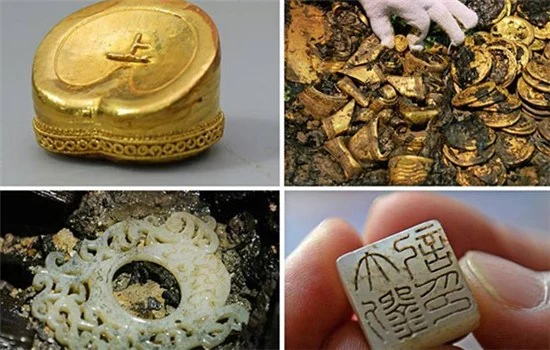
Chinese authorities have officially approved a comprehensive plan to transform the ancient tomb of the Marquis of Haihun into a national-level archeological relics park, a significant development for the preservation and public accessibility of one of China’s most important historical discoveries. The announcement, made by the management office of the site on Monday, signifies a pivotal moment in the ongoing efforts to safeguard and study the rich heritage unearthed from this remarkably intact burial complex.
The tomb, believed to date back to the Western Han Dynasty (206 BC – 25 AD), is strategically located near Nanchang, the capital city of East China’s Jiangxi province. Its historical significance is amplified by its status as one of the rare imperial tombs discovered to date that has evaded extensive looting, offering an unparalleled glimpse into the wealth, power, and funerary practices of the era. The decision to establish a national-level park underscores the immense cultural and scientific value attributed to the site.
A Landmark Archeological Discovery
The journey to this decision began with a rigorous assessment initiated by the State Administration of Cultural Heritage in March, culminating in the recent approval of the park’s construction plan. This strategic move aims to ensure the long-term preservation of the tomb and its surrounding archeological context, while also paving the way for controlled public access and educational initiatives.
The proposed park will encompass a sprawling area of 12.46 square kilometers, a substantial footprint designed to not only protect the tomb itself but also its immediate environment. The site will be meticulously preserved in its original geographical setting, nestled alongside Poyang Lake, recognized as China’s largest freshwater lake. This integration of the archeological site with its natural landscape is a key aspect of the park’s design, emphasizing the interconnectedness of human history and the environment.
The Excavation and Unveiling of a Royal Legacy
The extensive excavation of the Marquis of Haihun tomb commenced in 2011, marking the beginning of a monumental undertaking that has continued for over a decade. The primary focus of the excavation was the remains of Liu He, posthumously known as the Marquis of Haihun. His remains were discovered within a coffin located in an inner chamber of the tomb. In January 2016, these remains were carefully removed from the site for further in-depth research and scientific analysis, a process that continues to yield crucial insights into his life and times.
The sheer volume of artifacts recovered from the tomb is staggering. To date, more than 10,000 individual items have been unearthed, offering an unprecedented collection of objects that paint a vivid picture of the material culture, craftsmanship, and economic activities of the Western Han Dynasty. These discoveries range from exquisite gold objects and jade carvings to everyday implements and weaponry, providing a comprehensive inventory of the possessions deemed worthy of accompanying a marquis into the afterlife.
A Glimpse into the Treasures Unearthed
Among the most remarkable finds are a variety of intricate gold artifacts, including hoof-shaped ingots and gold cakes, which highlight the advanced metallurgy and the economic prosperity of the period. The presence of such precious metals suggests not only personal wealth but also the sophisticated trade networks and the circulation of currency during the Western Han era.
Equally significant are the jade objects discovered. A meticulously carved jade seal, likely belonging to the Marquis, signifies his authority and status. Alongside it, a delicate jade pendant, perhaps worn for personal adornment or imbued with symbolic meaning, showcases the artistry and spiritual beliefs associated with jade in ancient Chinese culture. The use of jade in funerary contexts was particularly prevalent among the elite, reflecting its perceived ability to preserve the body and provide spiritual protection in the afterlife.
The Identity of the Marquis of Haihun
Liu He, the occupant of this magnificent tomb, was a figure of considerable historical notoriety. He ascended to the throne as the Emperor of the Han Dynasty in 74 BC but was deposed after a mere 27 days due to alleged misconduct and an inability to govern effectively. He was subsequently stripped of his imperial title and exiled to Haihun, where he was granted the title of Marquis. His story is a cautionary tale of political intrigue and the precarious nature of power during the Han Dynasty. The archeological discoveries at his tomb provide a tangible link to his life, offering a more nuanced understanding beyond the historical accounts of his brief and tumultuous reign.
Chronology of the Haihunhou Tomb Project
The development of the Marquis of Haihun tomb into a cultural relics park represents the culmination of years of dedicated work. A timeline of key milestones illustrates the progression of this significant undertaking:
- 2011: The systematic excavation of the Marquis of Haihun tomb officially commences, marking the beginning of extensive archeological fieldwork.
- January 2016: The remains of Liu He, the Marquis of Haihun, are carefully recovered from a coffin within an interior chamber for specialized research. This marked a significant moment in the understanding of the tomb’s primary occupant.
- March (Year Unspecified, but prior to Monday’s announcement): The State Administration of Cultural Heritage initiates a comprehensive assessment of the site and its preservation needs.
- Recent Past (Leading up to Monday’s announcement): Following the assessment, the plan for the construction of the national-level archeological relics park receives official approval from Chinese authorities.
- Present Day (Monday’s Announcement): The management office of the site publicly announces the approval of the park construction plan, signaling the commencement of a new phase focused on development and public engagement.
Supporting Data and Context
The Marquis of Haihun tomb is not merely a collection of artifacts; it is a repository of historical knowledge that significantly enhances our understanding of the Western Han Dynasty. This period was a crucial era in Chinese history, characterized by the consolidation of imperial power, the expansion of trade routes, and the flourishing of arts and culture.
The sheer scale of the tomb, estimated to cover a significant area, indicates the marquis’s elevated status and the resources allocated to his burial. The preservation of the tomb’s integrity, largely due to its fortunate escape from tomb robbers, is exceptionally rare for imperial burials of this antiquity. Typically, such sites have been plundered over centuries, leaving archeologists with fragmented evidence. The Haihunhou tomb, therefore, offers a more complete and undisturbed picture.
The Significance of Poyang Lake
The strategic location beside Poyang Lake adds another layer of context to the discovery. Poyang Lake has historically been a vital waterway for transportation and trade in Jiangxi province, and its proximity to the tomb suggests the marquis may have held considerable influence or control over regional economic activities. The lake’s ecosystem has also played a role in the region’s development and cultural practices, further enriching the historical narrative associated with the site.
Official Responses and Future Implications
The approval of the national-level cultural relics park signifies a strong commitment from the Chinese government to the preservation and promotion of its cultural heritage. This decision is likely to be met with widespread approval from the archeological community and the public alike.
While specific statements from individual officials were not provided in the initial report, the collective approval from various authorities underscores a unified vision for the site. Archeologists involved in the excavation have consistently highlighted the tomb’s immense potential for historical research, and the establishment of a park will facilitate continued study and dissemination of findings.
Broader Impact and Implications
The creation of the Marquis of Haihun cultural relics park is expected to have several significant implications:
- Enhanced Archeological Research: The park will provide a controlled environment for ongoing and future archeological research, allowing for more in-depth studies of the tomb, its contents, and the surrounding landscape. This could lead to further discoveries and a deeper understanding of the Western Han Dynasty.
- Cultural Tourism and Economic Development: As a national-level park, the site is poised to become a major tourist attraction, drawing visitors from both within China and internationally. This influx of tourism can stimulate local economies, creating jobs and supporting businesses in the Nanchang region.
- Educational Opportunities: The park will serve as an invaluable educational resource, offering the public a unique opportunity to learn about ancient Chinese history, culture, and archeology. Interactive exhibits, guided tours, and educational programs can bring history to life for students and the general public.
- Preservation of Heritage: The formal designation as a national-level park ensures that the site will receive the highest level of protection and resource allocation for its long-term preservation, safeguarding it for future generations.
- International Recognition: The development of such a significant archeological site into a world-class park can further enhance China’s reputation as a custodian of global cultural heritage.
The transformation of the Marquis of Haihun tomb into a national-level cultural relics park is a testament to China’s dedication to valuing and showcasing its rich historical legacy. This initiative promises to unlock new avenues of research, foster a deeper appreciation for ancient Chinese civilization, and contribute to the cultural and economic vitality of Jiangxi province and beyond. The preservation of this undisturbed window into the past ensures that the stories held within its walls will continue to resonate for centuries to come.


 Nana
Nana
 Dwi Wanna