Jia Lissa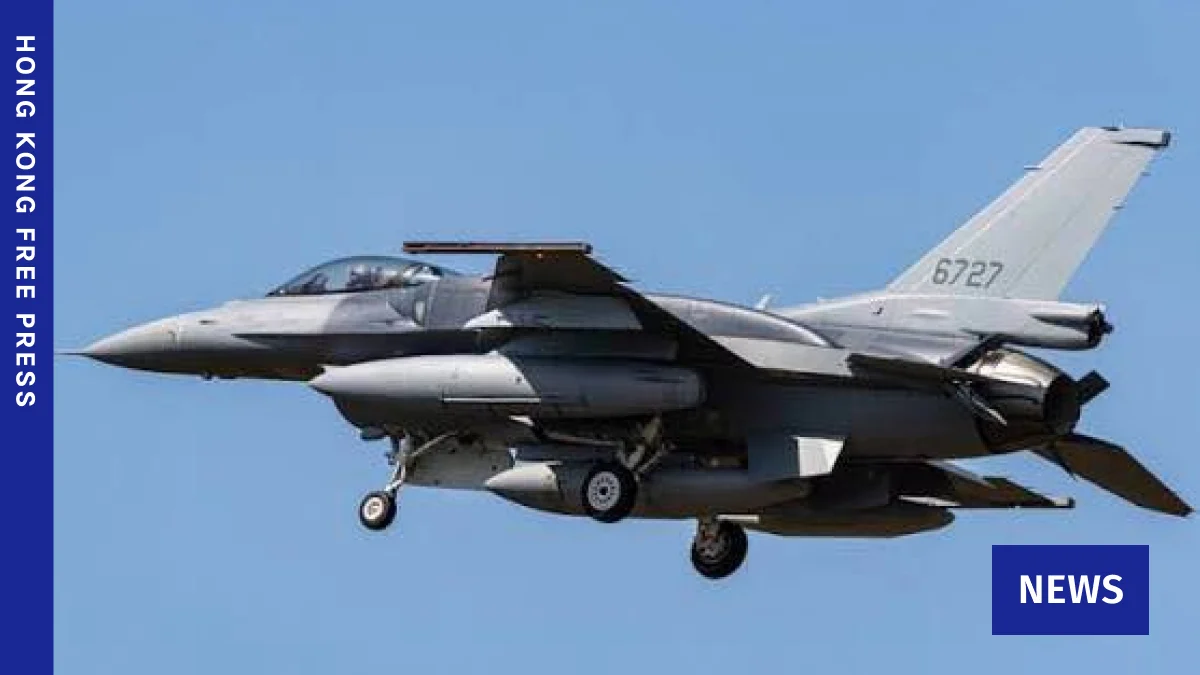
Taiwan’s defense capabilities received a significant boost on Friday with the arrival of the first two F-16V fighter jets, manufactured by American defense contractor Lockheed Martin. These advanced aircraft are a crucial component of Taiwan’s strategy to enhance its military readiness and deter potential aggression from mainland China. The delivery marks a tangible step in Taiwan’s ongoing efforts to modernize its air force and bolster its defense against a growing military threat from Beijing.
The arrival of these two cutting-edge warplanes is part of an $8 billion deal, initially approved during the first term of former U.S. President Donald Trump, for a total of 66 F-16V aircraft. The full delivery of these jets is scheduled to be completed within the current year, a timeline that is being closely watched by regional security analysts. This acquisition represents a substantial investment by Taiwan in maintaining a qualitative edge in air power, a critical element in its asymmetric defense strategy against China’s numerically superior air force.
The F-16V variant, also known as the Viper, represents a significant upgrade over older F-16 models. It features a new Active Electronically Scanned Array (AESA) radar, a more powerful engine, an advanced mission computer, and enhanced electronic warfare capabilities. These improvements dramatically increase the aircraft’s situational awareness, target acquisition range, and combat effectiveness, making it a formidable platform capable of engaging advanced threats. The integration of these jets is expected to substantially improve Taiwan’s ability to detect and intercept aerial incursions, conduct reconnaissance, and project power within its immediate vicinity.

The delivery of these F-16Vs comes at a time of heightened geopolitical sensitivity surrounding Taiwan. The island democracy, which Beijing considers a renegade province to be reunified by force if necessary, has been increasingly assertive in its military posturing. China’s People’s Liberation Army (PLA) has intensified its air and naval activities in the Taiwan Strait, conducting regular incursions into Taiwan’s Air Defense Identification Zone (ADIZ) and conducting large-scale military exercises that simulate an invasion. These actions have heightened concerns in Taipei and among its international partners about the escalating risk of conflict.
Background and Context of the Arms Deal
The $8 billion F-16V deal was initially authorized in August 2019, a significant move by the Trump administration to strengthen Taiwan’s self-defense capabilities. The sale was met with strong condemnation from Beijing, which views arms sales to Taiwan by countries it considers its sovereign territory as a violation of its territorial integrity and interference in its internal affairs. China has consistently warned against such transactions and has previously employed economic and diplomatic pressure to dissuade nations from arming Taiwan.
The F-16V upgrade program involves not only new aircraft but also the retrofitting of Taiwan’s existing F-16 fleet. This comprehensive modernization effort aims to ensure that Taiwan’s air force can maintain a credible deterrent for years to come, even as China’s military capabilities continue to advance. The F-16V’s advanced radar systems, in particular, are crucial for Taiwan’s ability to counter China’s growing fleet of advanced fighter jets and early warning aircraft.

Delivery Delays and Broader Arms Package
The arrival of the first two F-16Vs was not without its challenges. The jets were initially expected in early September. However, local media reported that the planes had turned back to Hawaii shortly after taking off for Guam, with no official explanation immediately provided for the diversion. This delay, while not uncommon in complex international arms transfers, added to the anticipation surrounding their eventual arrival.
Adding to the complex landscape of Taiwan’s defense procurement, the island is also awaiting U.S. approval for a separate, substantial arms package worth an estimated $14 billion. This package, which includes critical defensive systems such as the Patriot air defense system, was reportedly paused by the Trump administration following objections from China. The potential trade-off of Taiwan’s security for diplomatic leverage in broader U.S.-China negotiations has been a source of considerable concern for Taiwan and its supporters.
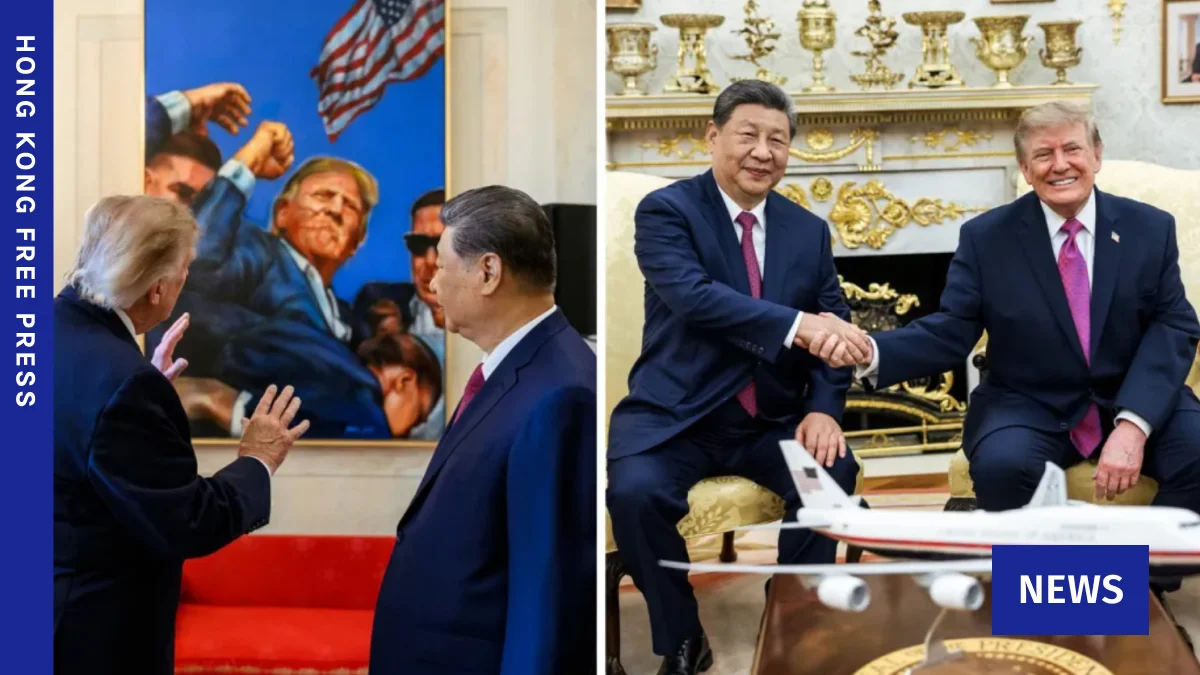
Experts suggest that the approval of this larger arms package might be strategically timed, potentially coinciding with high-level diplomatic engagements. There is speculation that approval might be unlikely before the G20 summit scheduled for December, where Chinese leader Xi Jinping and U.S. President Donald Trump are expected to meet. The U.S. administration is reportedly considering breaking down the $14 billion package into smaller tranches to mitigate China’s potential backlash. This approach aims to balance Taiwan’s security needs with the broader diplomatic considerations in U.S.-China relations.

Public Sentiment and Defensive Role
The arrival of the F-16Vs was met with keen interest from the Taiwanese public. Dozens of local residents, equipped with binoculars and long-lensed cameras, gathered near the air base in Taitung on Taiwan’s southeast coast to witness the highly anticipated landing. Their presence underscored the significance of these aircraft for national security and the public’s awareness of the ongoing threats from across the Taiwan Strait.
Kimi Chi, a salesman from Taichung who traveled overnight to witness the event, expressed a common sentiment that "good things take time." He acknowledged the tangible improvement in hardware capabilities that the F-16Vs represent. However, Chi also highlighted a critical challenge for Taiwan’s military: a shortage of pilots. He voiced hope that the government would consider improving allowances and incentives for military pilots to address this crucial personnel deficit.
Eric Chan, a former Air Force serviceman, marveled at the technological advancements of the F-16 over the past three decades. He emphasized that the F-16Vs stationed in Taitung would "play a very important defensive role" against China. Chan articulated the pervasive sense of threat from the Chinese Communist Party (CCP), stating, "The threat from the CCP has always been there, so we definitely need to strengthen our defence capabilities." His comments reflect a widespread understanding among Taiwanese citizens and former military personnel of the necessity of robust defense in the face of persistent pressure from Beijing.

Taiwan’s Strategic Defense Posture
Taiwan’s defense strategy is largely based on an asymmetric approach, focusing on acquiring capabilities that can inflict significant costs on an invading force, thereby deterring an attack. This includes investing in advanced air and missile defense systems, naval assets capable of asymmetric warfare, and modern fighter jets like the F-16V. The F-16V’s ability to conduct advanced air-to-air and air-to-ground missions, coupled with its improved electronic warfare suite, makes it a cornerstone of Taiwan’s air defense network.
The U.S. remains Taiwan’s most crucial security partner and its primary supplier of advanced weaponry. However, the global supply chain disruptions and increased demand for military hardware worldwide have led to bottlenecks in the delivery of critical weapons systems to Taiwan. These delays underscore the complex logistical and political challenges involved in maintaining Taiwan’s defense readiness.
Taiwan’s Minister of National Defense, Wellington Koo, has previously acknowledged the challenges in meeting the full delivery schedule for all F-16Vs within the current year, despite Lockheed Martin’s efforts to ramp up production. He indicated that while more F-16Vs are expected to arrive "before the end of the year," the exact number remains subject to ongoing coordination with the U.S. side. Minister Koo noted that aircraft are "gradually moving through the production line, and there are also aircraft that have passed the tests," suggesting that the pace of delivery is dependent on production schedules and testing protocols.

Geopolitical Implications and Future Outlook
The delivery of the F-16Vs is a clear signal of continued U.S. support for Taiwan’s security. It also serves as a reminder to Beijing that the international community, particularly the United States, is committed to helping Taiwan maintain its self-defense capabilities. However, the ongoing tensions and the complex diplomatic maneuvering surrounding arms sales highlight the precariousness of the cross-strait situation.
The decision by the Trump administration to potentially use the $14 billion arms package as a "negotiating chip" with China has raised concerns about the reliability of U.S. security commitments. While the F-16V deal proceeds, the stalled larger package underscores the delicate balance the U.S. attempts to strike between its support for Taiwan and its broader relationship with China.
The potential fragmentation of the $14 billion arms package into smaller, more manageable deliveries could be a strategic move to diffuse China’s objections. By presenting these as less significant individual transactions, the U.S. might aim to avoid provoking a strong retaliatory response from Beijing. This approach reflects a pragmatic, albeit complex, strategy to navigate the competing interests at play in the Indo-Pacific region.

The arrival of the F-16Vs is a significant development for Taiwan, bolstering its air power and demonstrating its resolve to defend itself. However, it is one piece of a larger, ongoing effort to ensure regional stability in the face of increasing military and political pressure from China. The coming months will be critical in observing the full impact of these new acquisitions and the broader trajectory of U.S.-China-Taiwan relations. The sustained commitment to modernizing its defense forces, coupled with a strong diplomatic engagement, will be key to Taiwan’s continued security and autonomy.


 Azzam Bilal Chamdy
 Nila Kartika Wati