Neng Nana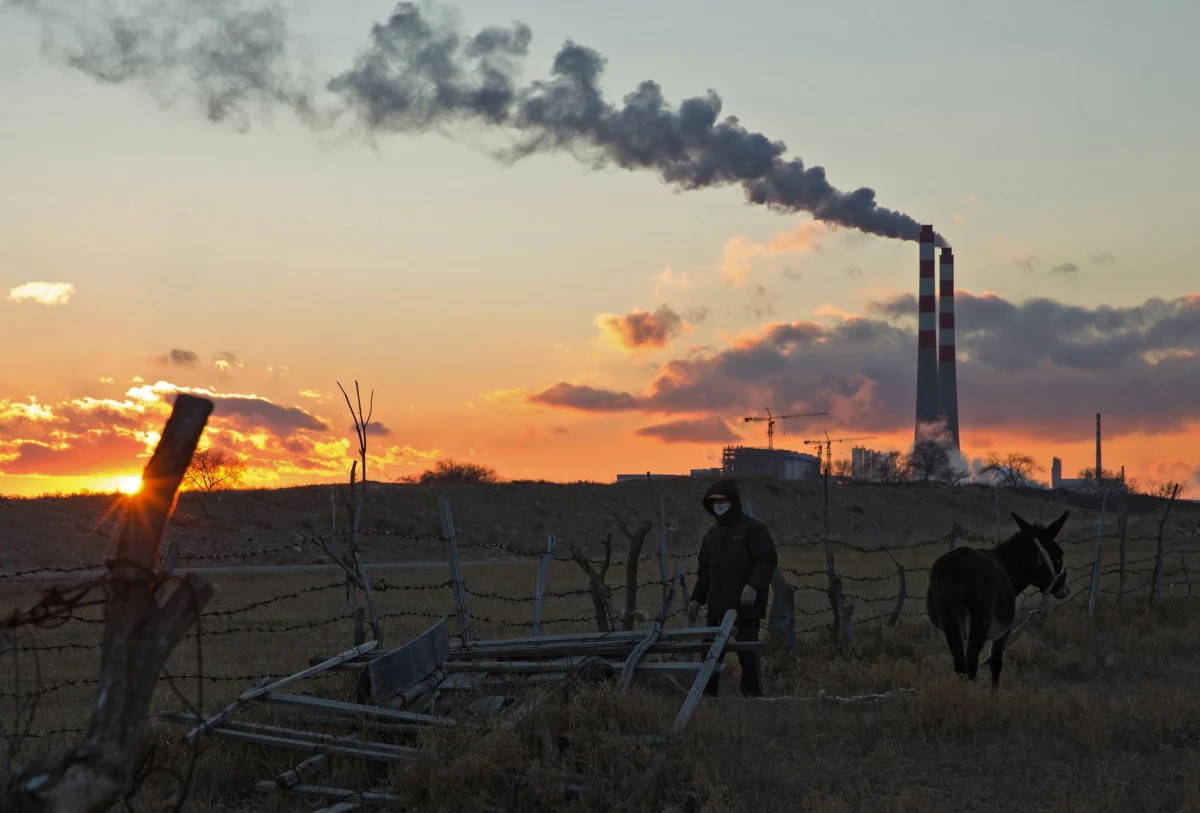
Beijing – In a significant turning point for China’s energy sector, coal-fired power plants generated 49.7% of the nation’s total electricity output during the first six months of 2026. This marks the first time in recorded history that coal’s share has fallen below the crucial 50% threshold, signaling a profound and accelerating transition away from its long-standing dominance in the country’s power generation mix.
The milestone, revealed in newly released data, underscores China’s ambitious commitment to decarbonization and its increasing reliance on renewable energy sources to fuel its economic growth and meet its climate targets. For decades, coal has been the bedrock of China’s industrialization, providing the vast majority of its electricity needs. However, mounting environmental concerns, coupled with a strategic push towards cleaner energy, have propelled a dramatic shift in recent years.
Greenpeace East Asia Highlights a Persistent Trend
Gao Yuhe, Beijing-based project lead for Greenpeace East Asia, commented on the development, stating, "This is another step in coal’s decline in China, and there’s still a way to go. Solar and wind play a central role in outcompeting and displacing coal. But solar and wind generation is still only at 25%."
Gao elaborated on the implications of this shift, emphasizing the critical role of renewable energy in further diminishing coal’s footprint. "Stronger targets for solar and wind generation will have a knock-on effect to further undercut coal," she asserted. "China’s current 2030 target for wind and solar is 30%, but we can easily hit 33% by 2028. Without stronger targets, coal will linger in the interim."
The Greenpeace analysis points to the dynamic interplay between the growth of renewables and the gradual phasing out of coal. While the 49.7% figure represents a substantial reduction, the continued reliance on coal, even if below half, highlights the scale of the challenge and the ongoing need for accelerated renewable deployment.
A Historical Context: The Rise and Fall of Coal Dominance
China’s relationship with coal is deeply intertwined with its rapid economic development over the past four decades. As the nation transformed into a global manufacturing powerhouse, its energy demand soared, and coal was the most readily available, cost-effective, and abundant resource to meet this insatiable appetite. By the early 2000s, coal-fired power plants were responsible for well over 70% of China’s electricity generation, a figure that fueled industrial growth but also contributed significantly to air pollution and greenhouse gas emissions.
However, the environmental toll of this reliance became increasingly apparent. Severe air pollution episodes in major cities, coupled with China’s growing international commitments to address climate change, spurred a policy reorientation. Beginning in the late 2010s, China embarked on an unprecedented investment drive in renewable energy technologies, particularly solar and wind power. This strategic pivot aimed not only to reduce emissions but also to secure energy independence and foster innovation in green technologies.
The data for the first half of 2026 represents a culmination of these efforts, demonstrating a tangible shift in the energy landscape. The decline from over 70% to below 50% in roughly two decades is a testament to the scale and pace of China’s renewable energy expansion.
Supporting Data: The Ascendancy of Renewables
The dip in coal’s share is directly attributable to the robust growth of renewable energy sources. Over the first six months of 2026, solar and wind power together accounted for approximately 25% of China’s electricity generation. This figure, while still lower than coal’s contribution, represents a significant increase from previous years.
Breaking down the renewable sector further:
- Solar Power: China has become the world’s largest producer and installer of solar panels. The first half of 2026 saw solar power contribute a substantial portion to the renewable energy mix, driven by both utility-scale solar farms and a surge in distributed rooftop solar installations. Government subsidies, technological advancements, and falling costs have fueled this expansion.
- Wind Power: Similarly, wind power generation has seen remarkable growth. China boasts the largest installed wind power capacity globally, with ongoing development of both onshore and offshore wind farms. Technological improvements in turbine efficiency and grid integration have been key drivers.
- Other Renewables: Hydropower remains a significant contributor to China’s electricity supply, though its growth has slowed due to environmental considerations and the completion of major projects. Other renewables like biomass and geothermal also play a role, albeit a smaller one.
The combined growth of these renewable sources has effectively begun to displace coal’s dominance. As more clean energy comes online, the need for new coal-fired power plants diminishes, and existing ones are increasingly being utilized less frequently or are being retired.
Gao Yuhe’s Vision: Accelerating the Transition
Gao Yuhe’s statement highlights the strategic imperatives for further accelerating the transition. The current 2030 target of 30% for wind and solar generation, according to Greenpeace, is achievable and perhaps even conservative. The projection that China could easily hit 33% by 2028 suggests a strong potential for exceeding current goals.
"Without stronger targets, coal will linger in the interim," Gao warned, underscoring the need for ambitious policy frameworks to ensure a swift and decisive shift. She identified "rooftop solar and energy storage" as key sectors to watch, particularly in high energy demand provinces on the eastern seaboard.
This focus on distributed generation and energy storage is crucial for several reasons:
- Grid Stability: As the grid integrates a higher proportion of variable renewable energy sources like solar and wind, energy storage solutions become vital for ensuring grid stability and reliability. Batteries can store excess renewable energy generated during peak production times and discharge it when demand is high or renewable generation is low.
- Meeting Peak Demand: The eastern seaboard of China is characterized by high industrial and residential energy consumption, often leading to significant peak demand periods. Rooftop solar, combined with battery storage, can provide localized and responsive power solutions, reducing reliance on distant, centralized power plants, including coal-fired ones.
- Decentralization and Resilience: A more decentralized energy system, powered by rooftop solar and local storage, can enhance the resilience of the energy supply against disruptions.
Implications for China’s Energy Future and Global Climate Goals
The shift away from coal dominance has profound implications for China and the global fight against climate change.
- Environmental Improvement: A significant reduction in coal-fired power generation will directly lead to improved air quality, particularly in China’s heavily industrialized regions. This will have positive impacts on public health and reduce the incidence of respiratory illnesses. Furthermore, it will contribute substantially to China’s efforts to reduce its carbon emissions.
- Energy Security: While coal has been a domestic resource, diversifying the energy mix with renewables, which are increasingly cost-competitive, enhances China’s energy security by reducing reliance on a single fuel source and mitigating risks associated with fossil fuel price volatility.
- Economic Transformation: The transition is driving innovation and creating new industries in renewable energy manufacturing, installation, and maintenance. This fosters job creation and positions China as a leader in the global green economy.
- Global Climate Leadership: As the world’s largest emitter of greenhouse gases, China’s progress in decarbonizing its energy sector is critical for achieving global climate goals, such as those outlined in the Paris Agreement. This milestone demonstrates a tangible commitment to these objectives and can inspire other nations to accelerate their own transitions.
Looking Ahead: Challenges and Opportunities
Despite the historic achievement, the journey to a fully decarbonized energy system is far from over. Coal will likely remain a component of China’s energy mix for some time, particularly for baseload power and in regions where the transition is more challenging. The challenge lies in managing this transition effectively, ensuring energy security and affordability while phasing out coal responsibly.
The continued development of advanced energy storage technologies, smart grid infrastructure, and innovative financing mechanisms for renewable projects will be crucial. Furthermore, policies that incentivize the retirement of older, less efficient coal-fired plants and support the retraining of workers in the coal industry will be essential for a just and equitable transition.
The Greenpeace call for stronger targets for solar and wind generation highlights the ongoing debate about the pace of this transition. Ambitious targets, coupled with robust policy support, are seen by many as the most effective way to accelerate the displacement of coal and secure a cleaner, more sustainable energy future for China and the world. The coming years will be critical in determining whether China can build upon this landmark achievement and solidify its position as a global leader in the clean energy revolution.
For Media Enquiries:
August Rick, Greenpeace East Asia, Beijing, [email protected]
Greenpeace International Press Desk, [email protected], +31 20 718 2470 (24 hours)

 Lina Hope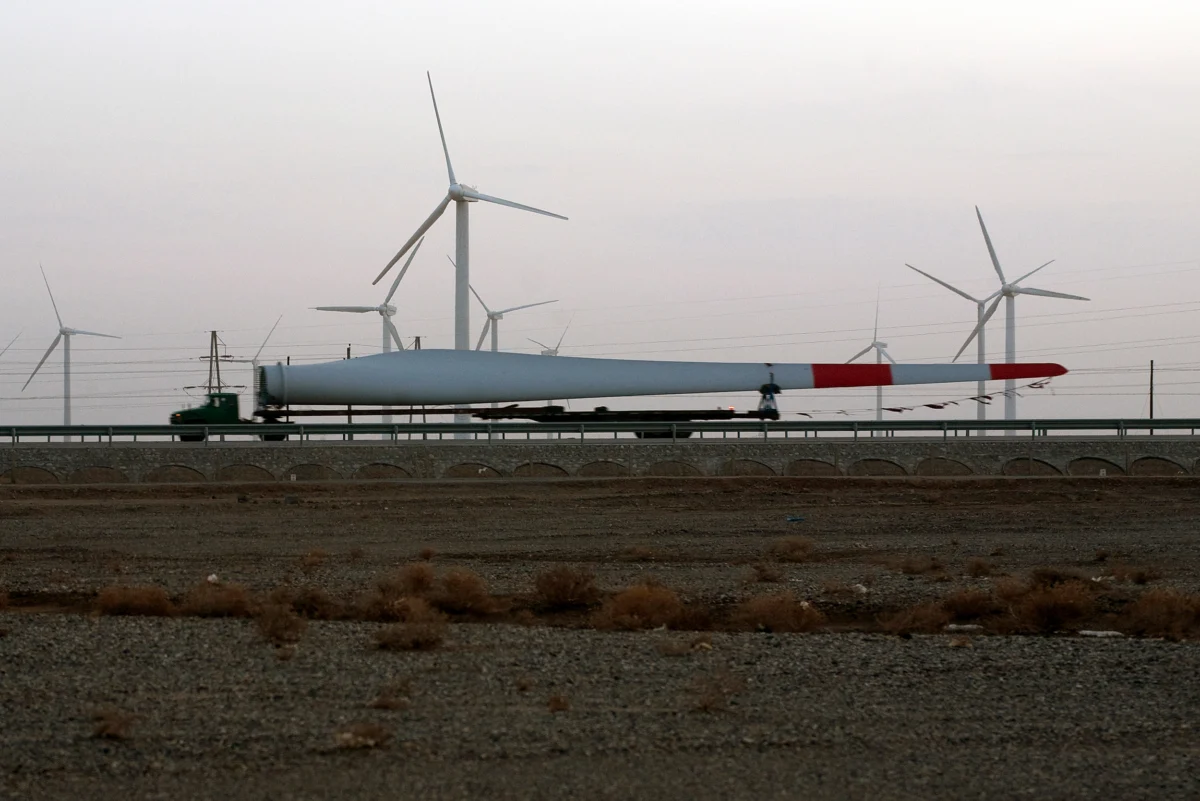
 Basiran