Ali Ikhwan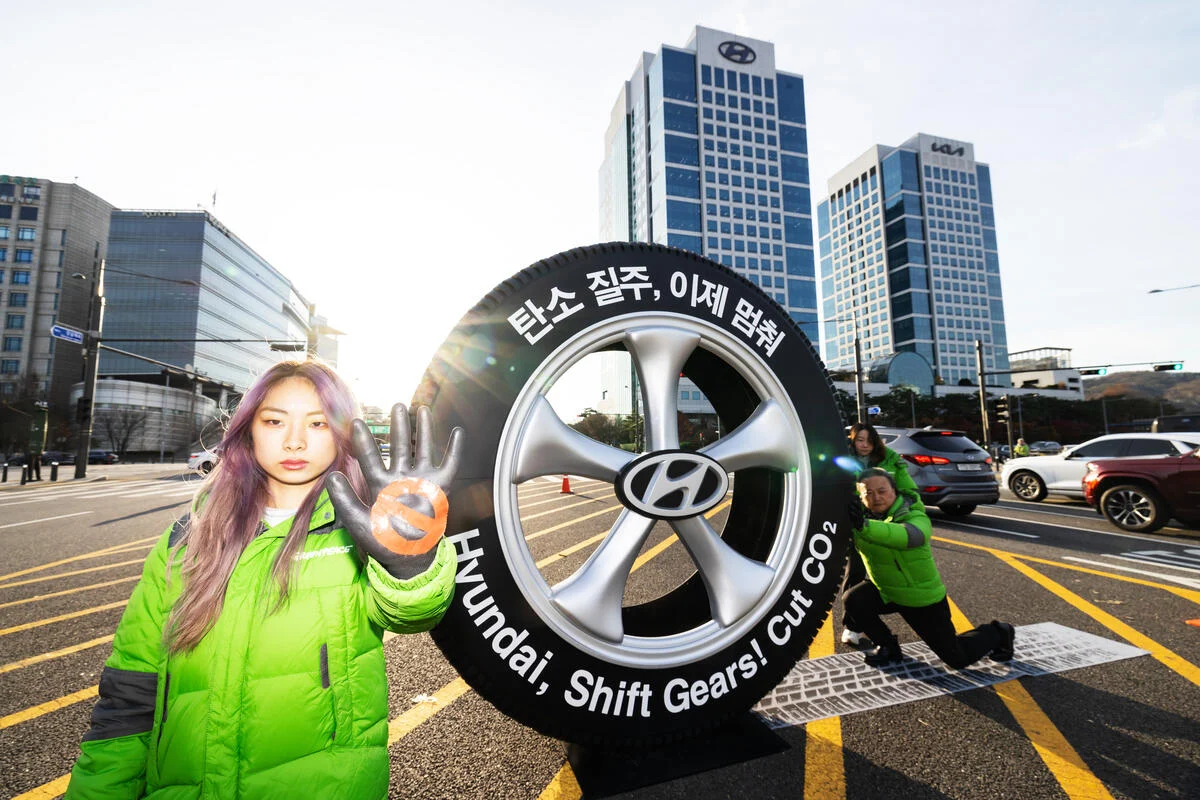
A coalition of international non-governmental organizations (NGOs) has issued a strong call to action to Euisun Chung, Executive Chair of Hyundai Motor Group, demanding that the automotive giant align its corporate climate commitments with tangible business practices. The plea, delivered in a public letter, highlights a perceived disconnect between Hyundai’s "clean, green mobility" image and its substantial global emissions and supply chain issues, particularly in the context of its long-standing partnership with FIFA and its prominent role in the upcoming 2026 FIFA World Cup.
The NGOs, representing a diverse global constituency of concerned citizens, expressed their commitment to corporate accountability. Their letter to Mr. Chung specifically addresses Hyundai’s extensive, two-decade-long sponsorship of FIFA, noting the reported US$300 million investment in the 2026 FIFA World Cup. This significant financial backing positions Hyundai as a key corporate face of the tournament, an event that is projected to be one of the most carbon-intensive in football history. The coalition points to Hyundai’s public messaging, which champions a vision of "progress for humanity" and showcases its electric vehicle (EV) technology, as being at odds with the company’s overall environmental footprint.
The Disconnect Between Image and Reality
The core of the NGOs’ argument lies in a stark contrast between Hyundai’s aspirational branding and its operational realities. They cite data indicating that Hyundai and Kia’s combined annual emissions are comparable to those of Spain, amounting to approximately 250 million tonnes of CO2-equivalent. Furthermore, despite significant investments in promoting EVs, only 7% of the 6.8 million vehicles Hyundai sells annually are electric. This suggests that the vast majority of Hyundai’s current vehicle sales continue to rely on fossil fuels, directly contributing to greenhouse gas emissions.
"While Hyundai has invested millions in FIFA sponsorship and showcased EVs to global audiences, the overwhelming majority of vehicles you put on the road still burn fossil fuels," the letter states, underscoring the central concern of the coalition. This disparity raises questions about the authenticity of Hyundai’s environmental claims and the potential for "greenwashing" – the practice of making misleading claims about environmental benefits.
Supply Chain Abuses and Human Rights Concerns
Beyond emissions, the coalition also raised grave concerns regarding severe human rights, labor, and environmental abuses identified throughout Hyundai’s global supply chain. Reports from organizations like the Fair Steel Coalition, Mighty Earth, and Jobs to Move America have documented instances of child and prison labor, unsafe working conditions, and environmental degradation linked to Hyundai’s operations. These findings suggest that the "progress for humanity" espoused by Hyundai is not being realized for all stakeholders, particularly those involved in its complex manufacturing and sourcing processes.
The NGOs emphasize that Hyundai’s vision for progress must be grounded in the prevention and remediation of these devastating supply chain impacts. They are advocating for a commitment to ensuring that workers and communities genuinely benefit from Hyundai’s extensive investments, rather than being subjected to exploitative practices.
Recent Protests and Inadequate Responses
The letter references recent media coverage of protests led by the coalition in Guadalajara, Mexico, which targeted Hyundai’s sponsorship of the World Cup. While Hyundai did issue a response to these actions, the NGOs contend that the company failed to address the specific allegations. Instead, Hyundai reportedly relied on generic statements about existing processes, which the coalition deems insufficient to demonstrate robust human rights and environmental due diligence. This perceived lack of substantive engagement further fuels the NGOs’ call for greater transparency and accountability.
The 2026 FIFA World Cup: A Catalyst for Change or Greenwashing?
The upcoming 2026 FIFA World Cup, set to be co-hosted by the United States, Canada, and Mexico, presents a significant platform for corporate engagement. However, climate experts have voiced concerns about the environmental impact of the tournament itself. Warnings have been issued that a quarter of World Cup matches could be played in dangerously hot conditions due to global warming, raising serious questions about the health and safety of athletes and fans. The NGOs are concerned that Hyundai’s participation, in this context, risks being perceived as an effort to enhance its image through "sportswashing," leveraging the global appeal of football to mask unsustainable practices.
"We will not allow corporations to use this stage for sportswashing and portraying an image that they don’t deserve to have," the letter declares. The coalition firmly believes that Hyundai has the potential to drive positive change, shifting away from exploitation and pollution towards genuine progress for humanity.
Specific Demands for Hyundai
To achieve this shift, the NGOs have outlined three concrete demands for Hyundai Motor Group:
- Accelerated Transition to Electric Vehicles: A public commitment to a clear, time-bound plan for phasing out internal combustion engine (ICE) vehicles in all global markets, with an accelerated target of achieving 100% electric vehicle sales by 2030. This demand directly addresses the significant portion of Hyundai’s sales that still rely on fossil fuels.
- Supply Chain Remediation and Ethical Sourcing: A commitment to "clean up" its supply chain by rigorously upholding human rights and environmental standards at every stage. This includes responsible sourcing of critical minerals, reducing manufacturing emissions, addressing the carbon intensity of materials like steel, and ensuring tangible benefits for workers and affected communities.
- Genuine Climate Leadership in World Cup Partnership: Ensuring that Hyundai’s World Cup partnership demonstrates authentic climate leadership rather than greenwashing. This would involve transparent, independently verified emissions targets and measurable progress toward achieving them, both for the tournament and for Hyundai’s overall operations.
Strategic Importance of the US Market
The timing of these demands is particularly strategic, given Hyundai and Kia’s recent success in the United States. In 2025, the two brands achieved a record combined market share of 11.3% in the U.S. The 2026 FIFA World Cup presents a singular opportunity for Hyundai to further solidify its presence and win over a crucial consumer base. The NGOs urge Hyundai to seize this opportunity not by projecting a falsely clean and humane image, but by earning it through concrete actions and demonstrable commitments to truly clean vehicles and a just supply chain.
The letter concludes with an anticipation of Hyundai’s response, signaling the ongoing commitment of these global NGOs to holding the corporation accountable for its environmental and social impact. The outcome of this appeal is likely to be closely watched by consumers, investors, and environmental advocates worldwide, as it touches upon critical issues of corporate responsibility in an era of escalating climate change and global human rights concerns.
Broader Implications for Corporate Sponsorship and Sustainability
This public letter from a coalition of NGOs to Hyundai Motor Group underscores a growing trend of scrutinizing corporate sponsorship deals, particularly those associated with major global events like the FIFA World Cup. As these events draw massive international attention, they also become focal points for activism and advocacy related to the sponsors’ broader corporate conduct.
The NGOs’ demands highlight the increasing expectation from civil society for corporations to demonstrate genuine sustainability efforts that extend beyond marketing campaigns. The focus on supply chain abuses, including issues of labor rights and environmental degradation in the extraction and manufacturing of materials like steel, reflects a more holistic understanding of corporate responsibility. This includes not only direct emissions from product use but also the embedded environmental and social costs throughout the entire value chain.
The reference to "sportswashing" is particularly pertinent. As major sporting events grapple with their own significant environmental footprints – the 2026 World Cup being a prime example with predictions of high carbon intensity and potential climate-related risks for matches – the scrutiny on sponsors to align their brand messaging with responsible practices intensifies. If a sponsor’s image of environmental stewardship is perceived as incongruent with its actual operational impacts or its support for an event with a substantial climate impact, it can lead to reputational damage and public backlash.
Hyundai’s position as a major automotive manufacturer undergoing a transition to electrification places it at the forefront of these discussions. The company’s stated commitment to "progress for humanity" is being tested by its current reliance on fossil fuel vehicles and its supply chain challenges. The NGOs’ call for a 2030 target for 100% EV sales represents an ambitious acceleration of existing industry trends, suggesting that established timelines may no longer be sufficient to meet urgent climate goals.
The success of this advocacy will depend not only on Hyundai’s response but also on the broader engagement of consumers, investors, and regulatory bodies. A significant market share in a key region like the United States, as achieved by Hyundai and Kia, amplifies the leverage of such public pressure. The coming months will reveal whether Hyundai Motor Group will heed the call to action and align its formidable global reach with the urgent imperatives of environmental sustainability and human rights, thereby truly embodying its vision of "progress for humanity."

 Basiran
 Pevita Pearce