Lina Irawan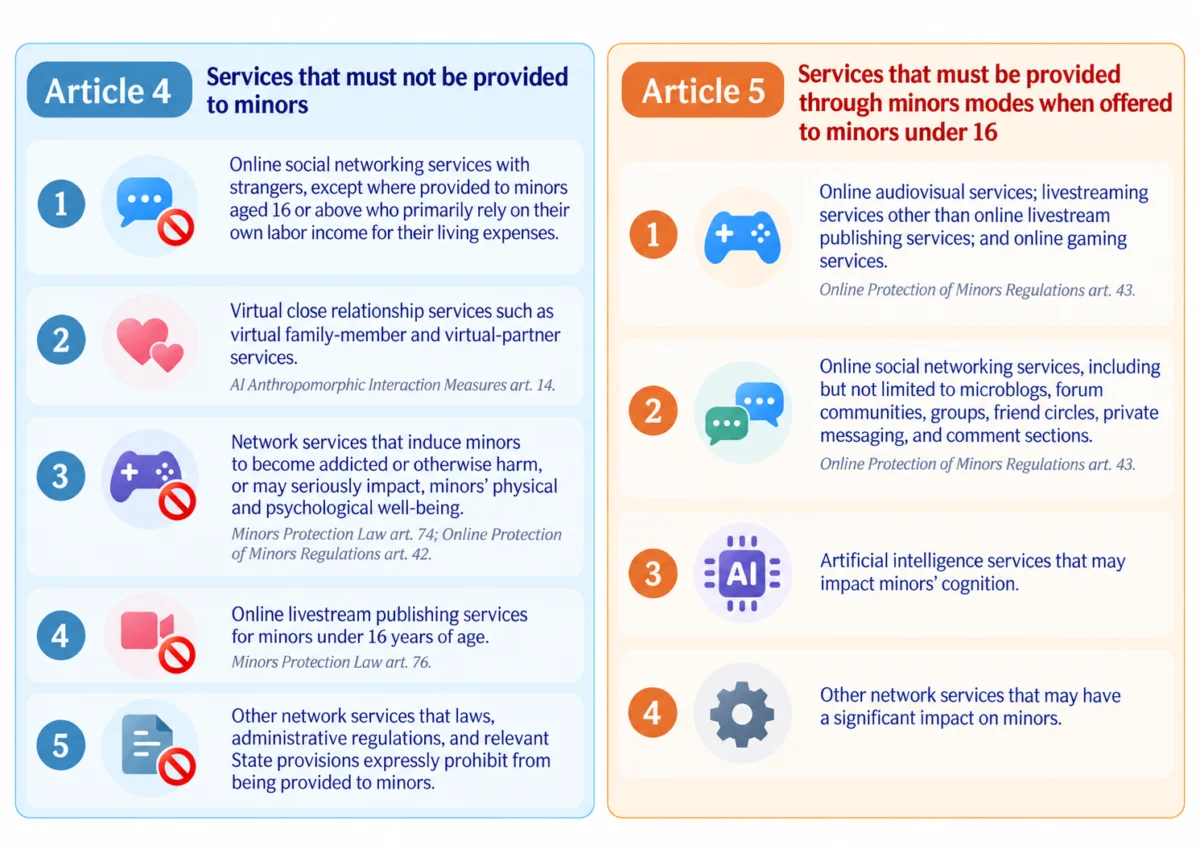
In a significant expansion of its digital regulatory framework, China’s State Council has unveiled a new set of draft provisions aimed at fortifying the "safe and healthy" use of the internet by minors. Released in September 2026, these draft rules represent a strategic consolidation and enhancement of existing authorities, seeking to address persistent challenges in age verification, content moderation, and the psychological impact of emerging technologies such as artificial intelligence. The move signals Beijing’s continued commitment to a highly prescriptive model of digital guardianship, placing substantial compliance burdens on hardware manufacturers, software developers, and service providers alike.
A Chronology of Digital Governance for Minors
The current draft provisions do not exist in a vacuum but are the culmination of nearly a decade of incremental legislative efforts. To understand the significance of the 2026 draft, one must look at the timeline of China’s regulatory trajectory:
- 2020 Revisions to the Law on the Protection of Minors: This foundational update codified the concept of "minors modes" (Article 74), requiring platforms to provide specific interfaces for underage users, though initial requirements for their use remained relatively flexible.
- 2023 Regulations on the Protection of Minors Online: These regulations introduced more granular requirements for platform responsibility, including the obligation to provide functions that block strangers from viewing minors’ posts or sending private messages.
- Late 2024 Guidelines on Minors’ Modes: China finalized comprehensive rules for implementing minors’ modes across the mobile internet ecosystem. This established a framework for mutual recognition between app stores, smart devices, and individual applications.
- 2026 Measures for Categorizing Online Information: Earlier in 2026, authorities defined "Potentially Harmful to Minors" (PHM) information, creating a middle ground between strictly illegal content and age-appropriate material.
- September 2026 Draft Provisions: The current draft consolidates these previous efforts while introducing several "truly original" mandates, particularly concerning AI cognition and mandatory hardware-level integration.
Strengthening the Identification of Minor Users
The cornerstone of any age-restricted regulatory regime is the ability to accurately identify the age of the user. While many Western nations continue to debate the privacy implications of mandatory age verification, China has long operated a real-name verification system linked to national ID databases. However, as noted by legal experts and industry observers, technology alone has proven insufficient. Minors frequently circumvent these barriers by using adult login credentials, guest modes, or borrowed IDs.

Article 6 of the new draft seeks to close these loopholes by offering five illustrative means of identifying minors. By diversifying the methods of identification, the State Council aims to move beyond a single point of failure. This systemic approach acknowledges that while the "cat and mouse game" between regulators and tech-savvy youth will continue, the legal onus is now firmly on the service providers to demonstrate "due diligence" in their identification protocols.
Prohibitions on Social Networking with Strangers
One of the most significant shifts in the draft is found in Article 4(1), which introduces a full prohibition on minors engaging in social networking with strangers. While the term "stranger networking" remains somewhat undefined in the current text, the intent appears to be a total shielding of minors from unverified accounts.
Industry analysts suggest this could manifest in two ways: preventing minors from viewing content generated by accounts they do not explicitly follow and barring unknown accounts from interacting with or viewing the materials posted by minors. This builds upon the 2023 regulations but elevates the requirement from a "selectable function" to a structural prohibition. For social media giants, this may necessitate a fundamental redesign of discovery algorithms and "recommendation" feeds for any account identified as belonging to a minor.
Artificial Intelligence and the "Cognitive Impact" Clause
As generative AI becomes integrated into daily digital life, the State Council has turned its attention to the psychological development of children. Article 5(3) of the draft breaks new ground by requiring specialized "minors modes" for AI services that may impact a minor’s "cognition."

This is an expansion of the 2024 Human-like AI Measures, which previously only applied to AI maintaining sustained, human-like relationships with users. The new draft broadens this scope to any AI interaction that could influence a minor’s perception of reality, ethics, or social norms. Given the inherent "black box" nature of many AI models, defining what constitutes a "cognitive impact" remains a challenge for developers. It is expected that future sub-regulatory drafts will clarify whether this applies to educational tutors, creative tools, or general-purpose chatbots.
The Mandatory Integration of Minors Mode
Perhaps the most impactful change for the tech industry is Article 9, which mandates that users identified as minors must be automatically switched to Minors Mode. This effectively removes the element of parental or user choice, making the restricted interface the default and mandatory state for underage users.
Furthermore, the draft introduces a revolutionary requirement for hardware. Article 12 stipulates that telecommunications departments must review the presence and efficacy of minors modes in phones, tablets, and other smart devices before granting internet access permits. This means that a device cannot be legally sold or operated on Chinese networks if its "minors mode" fails to meet state standards. This move shifts the regulatory burden "upstream" from the app developers to the hardware manufacturers.
Oversight, Filing, and Crisis Intervention
The draft introduces a new layer of bureaucratic oversight by requiring that information regarding the minors modes of devices and app stores be filed with provincial-level internet authorities. Platforms with "especially large numbers of minor users" or those that wield "major impact" are required to file at the national level and submit regular implementation reports.

In a move addressing mental health, service providers are now required to intervene and notify guardians or emergency contacts if a minor exhibits signs of an "emotional crisis," such as indications of self-harm or suicide. While the humanitarian intent is clear, this provision raises significant questions regarding the methods of detection. It implies a level of active monitoring of minor communications that could conflict with broader data privacy expectations, highlighting the tension between state-mandated safety and individual privacy.
Content Controls: Navigating the PHM Category
The State Council maintains a dual-category system for content control:
- Harmful Content: This includes content that is illegal for all users, such as pornography or material promoting violence and self-harm.
- Potentially Harmful to Minors (PHM): This category includes content that is legal for adults but deemed unsuitable for children.
The draft emphasizes that PHM content must not be targeted at minors, must be clearly labeled, and should not be promoted through prominent placement or algorithmic recommendations. However, the definition of PHM remains notoriously broad. Critics argue that the ambiguity of what "might impact a minor’s physical or psychological health" leads to "over-compliance" by platforms, where any content that is even slightly controversial is suppressed to avoid regulatory friction.
Industry and Social Implications
The release of this draft has sent ripples through China’s massive tech sector. With over 1.1 billion internet users, approximately 200 million of whom are minors, the stakes are high. Companies like Tencent and NetEase, which have already invested heavily in age-gate technology for gaming, will likely find the new hardware-level and AI-specific requirements challenging to implement.

From a social perspective, the draft reinforces the role of the state as a "digital parent." While the provisions mention the duties of families and schools, the weight of the enforcement is placed on the technical architecture of the internet itself. This "governance by design" approach aims to create a curated digital experience where the risks of the open web are mitigated by mandatory filters and automated restrictions.
Fact-Based Analysis: A Global Perspective
China’s approach is notably more interventionist than those seen in the United States or the European Union. While the U.S. has the Children’s Online Privacy Protection Act (COPPA) and various states are debating age-verification laws, they rarely mandate hardware-level permits or automatic AI-switching. The UK’s Online Safety Act shares some similarities in its "duty of care" requirements, but China’s draft goes further by integrating the regulatory requirements directly into the hardware licensing process.
The success of these provisions will likely depend on the clarity of the undefined terms—such as "stranger networking" and "cognitive impact"—and the technical feasibility of the "emotional crisis" monitoring. As the draft moves toward finalization, the global tech community will be watching closely, as these rules often set a precedent for how sovereign states attempt to reassert control over the digital lives of their youngest citizens.

 Neng Nana
 Reynand Wu