Nana Muazin
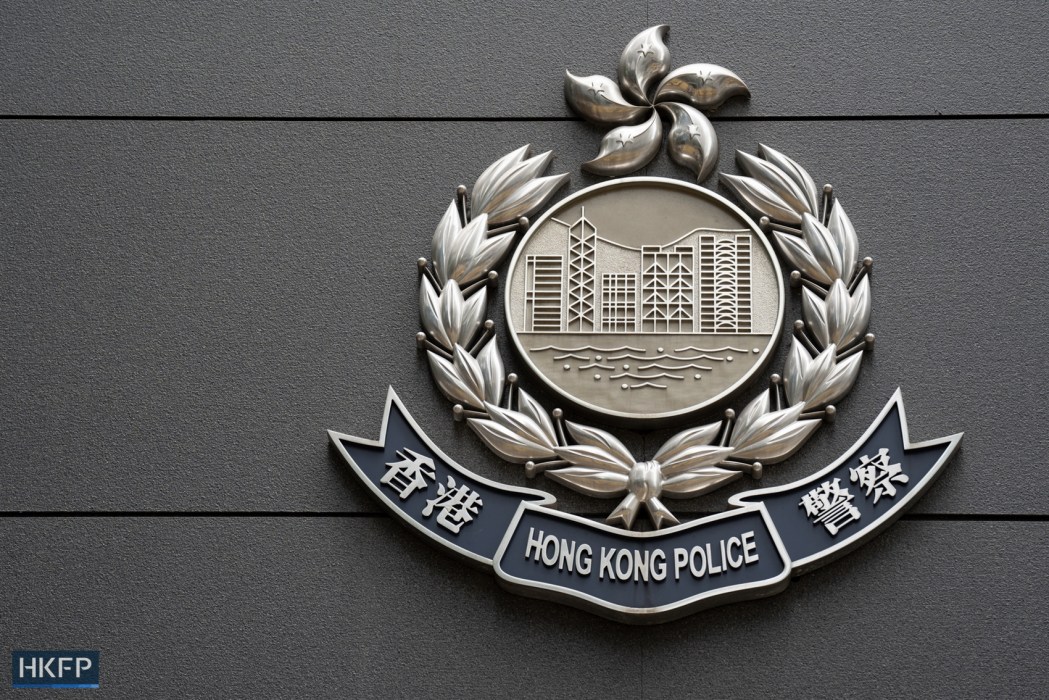
Hong Kong national security police have apprehended an insurance agent and a woman, both aged 38, in connection with allegations of operating "seditious" social media pages. The authorities claim these online platforms were used to incite hatred against the government and, in a dual motive, to promote insurance products for financial gain. The arrests, which occurred on Tuesday in Kowloon, underscore the continued enforcement of Hong Kong’s stringent national security legislation, particularly the Safeguarding National Security Ordinance, locally referred to as Article 23.
Background of the Arrests
The operation by the national security department of the Hong Kong Police Force signifies a continuation of the crackdown on dissent and perceived threats to national security under the Chinese-administered territory’s legal framework. The arrests highlight a novel approach by authorities, linking alleged seditious activities directly with commercial exploitation, a detail that has drawn particular attention.

According to a statement released by the police on Thursday, the two individuals were arrested on suspicion of violating the Safeguarding National Security Ordinance. The ordinance, enacted in March 2024, significantly broadens the scope of national security offenses and carries severe penalties, including up to seven years imprisonment for sedition. The police statement, issued in Chinese, detailed the alleged modus operandi: "The two arrestees include a man who is a licenced insurance agent, and they are suspected of operating various social media pages to publish content stoking hatred against the constitutional order of the city." The statement further elaborated on the alleged dual purpose, noting, "The arrested man also used this opportunity to sell insurance products for profit."
Chronology of Events and Identification of Suspects
While the police statement did not initially identify the arrested individuals by name, local media reports, citing sources, have identified the male suspect as Wong Ka-ho. Wong is reportedly a former member of localist groups, specifically "North of the Rings" and "North District Blueprint." His political involvement is further contextualized by his attempts to secure a seat on the district council, having contested in the 2015 and 2019 elections without success. The female arrestee is understood to be a friend of Wong’s. The exact nature of her alleged involvement and the specific social media pages operated remain under investigation.
The arrests were reportedly made after police obtained a court warrant to search the residences of the two individuals. Both have since been granted bail pending the outcome of the ongoing investigation. The timing of the arrests, early in the week, suggests a swift response by the authorities to the alleged online activities.
The Safeguarding National Security Ordinance (Article 23)
The Safeguarding National Security Ordinance, often referred to as Article 23, is a cornerstone of Hong Kong’s national security apparatus. It was enacted to fulfill a constitutional requirement under Article 23 of the Basic Law, Hong Kong’s mini-constitution. The ordinance targets a range of offenses, including treason, insurrection, espionage, sabotage, and sedition.
Sedition, as defined under the ordinance, involves acts that have a seditious intention, such as:
- Inciting hatred against the Central People’s Government, the Hong Kong SAR Government, the Chinese Communist Party, or the constitutional order of Hong Kong.
- Inciting disaffection among the public or members of the disciplined services.
- Promoting feelings of ill-will and hostility between different classes of the population.
- Inciting violence or urging the commission of other crimes against the government or its officials.
The penalty for sedition under Article 23 is significant, carrying a maximum of seven years imprisonment. The breadth of the law and the severity of its penalties have been a point of concern for human rights advocates and international observers, who fear it could be used to suppress legitimate expression and dissent.

Supporting Data and Broader Context
The use of social media platforms for political expression and organization has been a defining feature of Hong Kong’s recent history, particularly during the 2019 anti-government protests. Following these events, Beijing imposed the National Security Law in 2020, which led to a significant curtailment of civil liberties and a wave of arrests targeting pro-democracy activists, politicians, and journalists. The subsequent enactment of Article 23 further solidifies the legal framework for national security enforcement in the city.
The alleged combination of seditious content with commercial promotion represents a new dimension in the application of national security laws. While the specific content of the social media pages has not been fully disclosed, the police statement suggests a deliberate strategy to leverage public sentiment against authorities for personal financial gain. This could potentially complicate the legal defense of the accused and also raise questions about how such dual-purpose online activities will be treated under the law.
Official Responses and International Scrutiny
The Hong Kong government has consistently maintained that its national security laws are necessary to restore stability and order, and that they do not infringe upon the rights and freedoms of ordinary citizens. Officials have emphasized that the laws are targeted at a narrow category of acts that endanger national security. However, international bodies, including the United Nations Human Rights Committee and various governments, have expressed concerns about the erosion of freedoms in Hong Kong since the imposition of national security legislation.

The arrests are likely to be closely monitored by international governments and human rights organizations, which have been tracking the trajectory of civil liberties in Hong Kong. The government’s justification for the arrests, particularly the link to commercial activity, will be a key aspect of how the case is perceived externally.
Implications and Analysis
The arrest of an insurance agent for allegedly using social media to incite hatred while also selling policies highlights the evolving landscape of national security enforcement in Hong Kong. It suggests that authorities are not only focused on direct political activism but also on instances where perceived anti-government sentiment is intertwined with personal or commercial interests.
This case raises several points for consideration:

- The definition of "seditious intention": The broad definition of sedition under Article 23 allows for significant discretion in its application. The police’s interpretation of the social media content as "stoking hatred" will be crucial in determining the strength of the case.
- The intersection of free speech and commerce: The alleged dual purpose of the social media pages—political agitation and insurance sales—introduces a complex legal challenge. It raises questions about whether commercial intent can mitigate or exacerbate sedition charges, or if the two are considered separate but concurrent offenses.
- The chilling effect: Such arrests, particularly when they involve seemingly ordinary citizens engaged in online activities, can have a profound chilling effect on free expression. Individuals may become more hesitant to engage in any form of online commentary that could be perceived as critical of the government, fearing repercussions.
- Enforcement of Article 23: This case is one of the early high-profile applications of the Safeguarding National Security Ordinance, demonstrating the authorities’ commitment to its enforcement. The outcomes of these investigations and potential prosecutions will set important precedents for future cases.
The Hong Kong Police Force has not yet provided further details on the specific content of the social media pages or the evidence gathered. As the investigation progresses, the public and international community will be looking for clarity on the legal basis for these charges and the potential impact on freedom of expression and association in the city. The authorities’ stated goal of maintaining stability and security will be weighed against concerns about the preservation of fundamental rights under the city’s legal framework.


 Asep Darmawan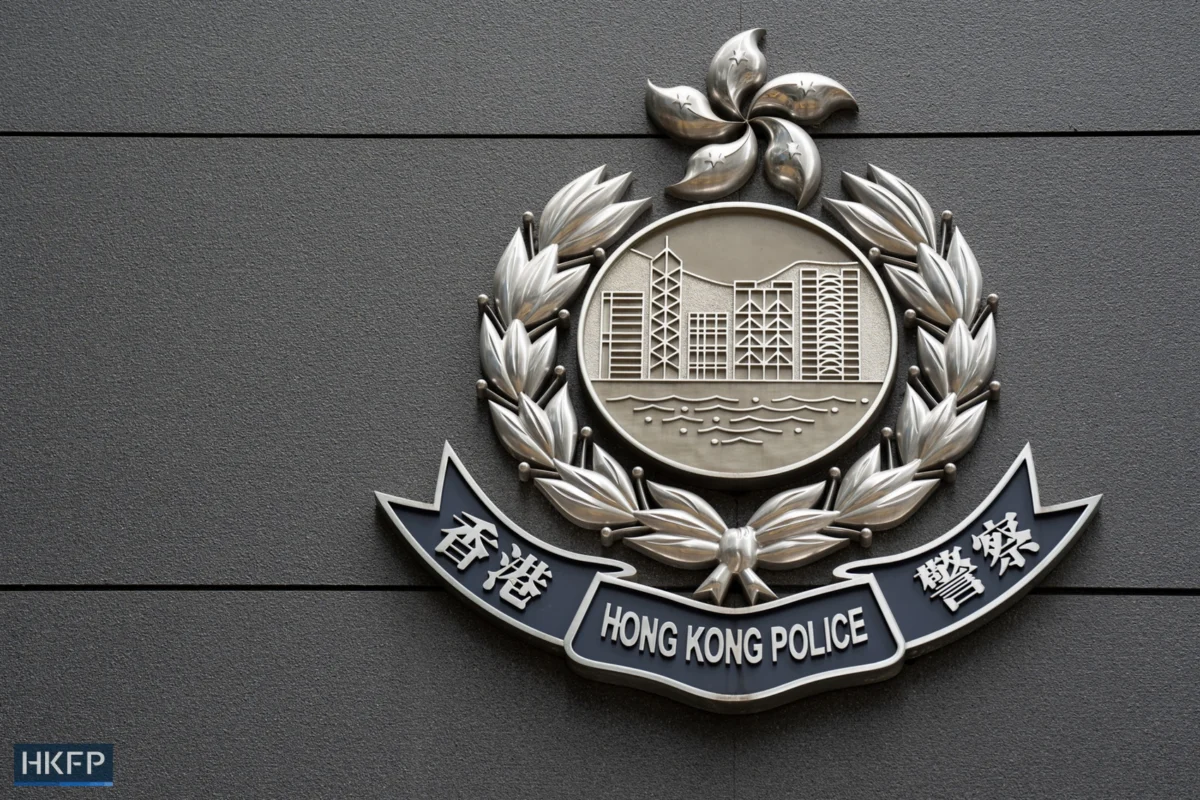
 Muslim