Siti Muinah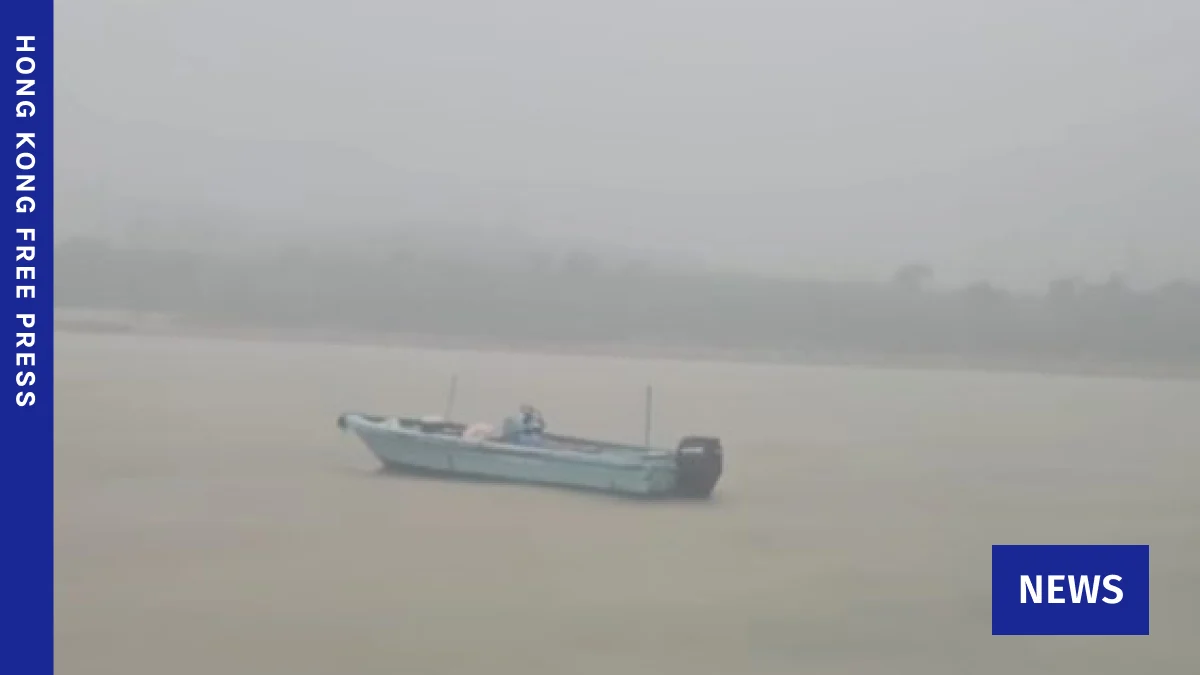
A 67-year-old Hong Kong fisherman has tragically lost his life after his sampan was suspected of being struck by lightning off the coast of Tseung Kwan O during a severe rainstorm. The man, identified by his surname Sin, was discovered unconscious on his vessel at sea near the Tseung Kwan O Cross Bay Link on Thursday morning. The incident occurred amidst a period of intense weather activity, highlighting the dangers faced by those at sea during inclement conditions.
Incident Unfolds Amidst Red Rainstorm Warning
Police received a distress call regarding the fisherman at 9:14 AM. A marine police vessel was immediately dispatched to the scene. At the time of the report, Hong Kong’s red rainstorm warning signal was in effect, indicating that heavy rainfall exceeding 50 millimetres per hour was expected or falling, and that flooding might occur. This warning signal is one of the most severe issued by the Hong Kong Observatory, signifying a significant threat to public safety.

Footage captured by a passenger on a nearby fishing vessel depicted the sampan adrift in rough seas under heavy rain. A subsequent clip showed a marine police vessel navigating towards the sampan, presumably to initiate a rescue operation. Upon reaching the vessel, officers found Mr. Sin unconscious. Police sources later informed HKFP that the man had sustained "multiple injuries all over the body," leading to the suspicion that a lightning strike was the cause of his demise.
Rescue Efforts and Tragic Outcome
The injured fisherman was carefully transferred to the marine police vessel and brought ashore at the Tseung Kwan O South Landing Steps. From there, he was promptly handed over to awaiting ambulance personnel. Despite immediate medical attention, Mr. Sin was tragically certified dead upon arrival at the hospital. An autopsy is currently underway to determine the precise cause of death and to confirm the role of lightning in the fatal incident.
Severe Weather Conditions Grip Hong Kong
The Hong Kong Observatory had hoisted the red rainstorm warning signal at 5:05 AM on Thursday, underscoring the intensity of the developing storm. The signal was subsequently downgraded to an amber warning at 9:20 AM, and then cancelled entirely at 10:15 AM, indicating a gradual improvement in weather conditions. However, the period of severe weather had already taken its toll.

During the 24-hour period from Wednesday night to Thursday noon, the Hong Kong Observatory recorded an astonishing number of lightning strikes. More than 5,000 cloud-to-ground lightning strikes were detected across the territory, a testament to the volatile atmospheric conditions. These figures highlight the significant electrical activity that characterized the storm system.
A History of Lightning-Related Incidents
This tragic event is not the first instance of a person being struck by lightning in Hong Kong during severe weather. In June of the current year, a 59-year-old hiker was struck by lightning while ascending Lantau Island’s highest peak, also amidst a red rainstorm warning. Fortunately, that hiker was rescued while conscious and received prompt medical treatment at a hospital. The recurrence of such incidents, even with different circumstances, underscores the inherent dangers associated with extreme weather and outdoor activities in Hong Kong.
Broader Context and Implications
The death of the fisherman raises concerns about the safety of maritime activities during periods of severe weather warnings. While the red rainstorm warning is a clear indication of hazardous conditions, the precise circumstances leading to the sampan being in such a vulnerable position require further investigation. Factors such as the fisherman’s awareness of the warnings, the suddenness of the lightning strike, and the specific location at sea may all have played a role.

The Tseung Kwan O Cross Bay Link is a significant infrastructure project, and its proximity to the incident site might suggest the fisherman was operating in an area with potential maritime traffic. The interaction between small vessels like sampans and larger marine traffic, especially during adverse weather, can pose additional risks.
Analysis of Lightning Strikes and Maritime Safety
Lightning is a powerful natural phenomenon, and its unpredictability makes it a significant threat. Metal objects, such as the hull of a sampan, can potentially attract lightning strikes, especially when exposed at sea. The dense cloud cover associated with heavy rainstorms often precedes or accompanies lightning activity.
The Hong Kong Observatory’s warnings are crucial for public safety, and adherence to these advisories is paramount. For individuals engaged in maritime activities, this includes monitoring weather forecasts, heeding official warnings, and making informed decisions about venturing out to sea. In cases of severe weather, cancelling or postponing fishing trips and other sea-bound activities is often the safest course of action.

The incident also brings to the forefront the need for continuous assessment and reinforcement of maritime safety protocols, particularly for traditional fishing communities. While technology and infrastructure have advanced, the fundamental risks associated with natural elements remain. Education and awareness campaigns tailored to different maritime user groups could be instrumental in mitigating future tragedies.
Official Responses and Public Awareness
While specific official statements from maritime authorities or the Observatory beyond the initial reporting of weather conditions are not detailed in the provided text, it can be inferred that such incidents typically prompt reviews of safety procedures and public advisories. The Hong Kong Police Force and the Marine Department are invariably involved in rescue operations and investigations following such fatalities.
The broader public reaction often includes expressions of sympathy for the victim and renewed awareness of the dangers posed by severe weather. The sharing of footage on social media platforms, as seen in this case, can play a dual role: raising immediate awareness of the incident and potentially serving as evidence for investigations, while also highlighting the vulnerability of individuals caught in extreme conditions.

Looking Ahead: Prevention and Preparedness
The untimely death of the fisherman serves as a somber reminder of the unpredictable forces of nature and the importance of preparedness. For Hong Kong, a city with a rich maritime heritage and a vibrant fishing industry, ensuring the safety of its seafarers remains a critical priority. This includes:
- Enhanced Weather Monitoring and Dissemination: While the Hong Kong Observatory provides robust weather forecasting and warning systems, continuous efforts to ensure these warnings reach all relevant parties, including remote fishing communities, are vital.
- Maritime Safety Education: Targeted educational programs for fishermen and other maritime users on weather safety, lightning preparedness, and emergency procedures can significantly improve their resilience.
- Technological Integration: Exploring the use of affordable and accessible technologies that can provide real-time weather alerts and safety advice to vessels at sea.
- Review of Safety Regulations: Periodic review and potential enhancement of regulations pertaining to maritime safety, especially concerning operations during adverse weather conditions.
The loss of life in this incident underscores the delicate balance between human activity and the power of nature. By learning from such tragic events, Hong Kong can strive to strengthen its safety nets and ensure a more secure environment for all its residents, particularly those who depend on the sea for their livelihood. The investigation into the exact cause of the sampan’s suspected lightning strike will be crucial in understanding the specifics of this tragic event and informing future safety measures.


 Azzam Bilal Chamdy