Laily UPN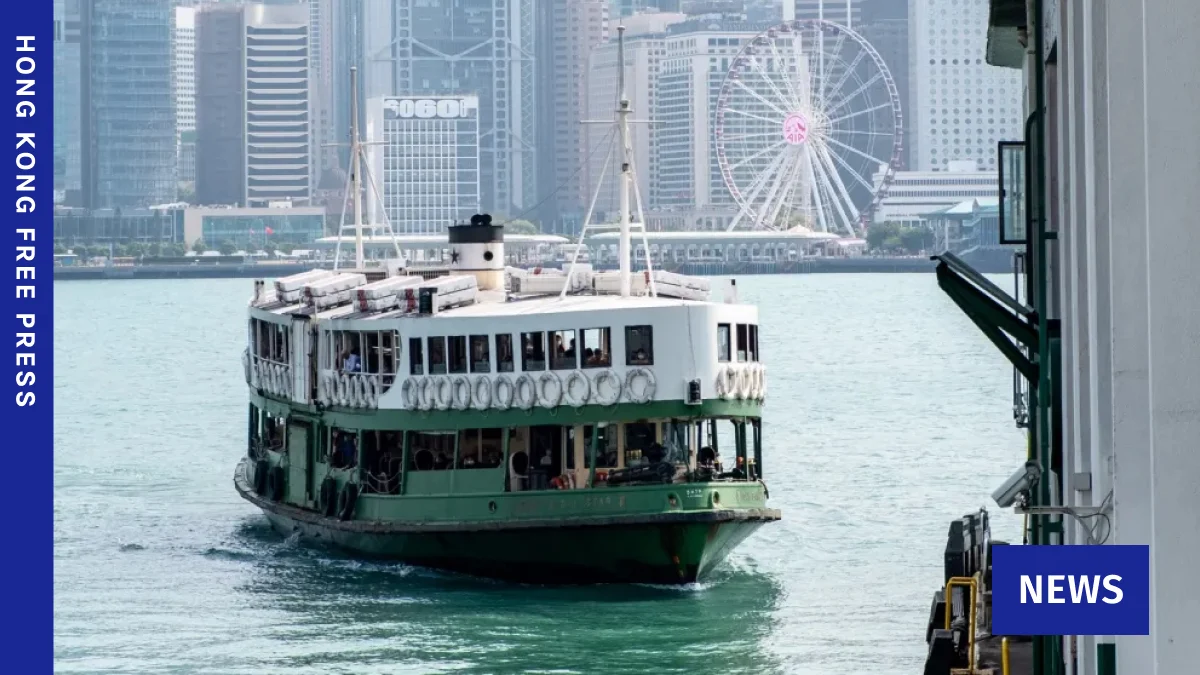
Plans to increase fares for Hong Kong’s iconic Star Ferry are under careful consideration, with a government transport advisor emphasizing the need to balance the ferry service’s status as a vital cultural asset with the public’s capacity to absorb higher costs. The comments come as the ferry operator seeks a significant 30 percent fare increase, a proposal that has sparked discussions about the financial sustainability of the beloved cross-harbour transport.
Balancing Heritage and Affordability: The Star Ferry’s Dilemma
Wong Sze-chun, the chair of the Transport Advisory Committee, articulated the delicate act of balancing required in assessing the Star Ferry’s proposed fare hike. Speaking to reporters after a committee meeting dedicated to the matter, Wong stated that advisors are tasked with a dual responsibility: ensuring the "continuation of this service" due to its "important asset" status for Hong Kong, while simultaneously considering the "public’s level of acceptance regarding fare increases and their affordability." These twin considerations, he stressed, form the "primary factors" guiding their deliberations.

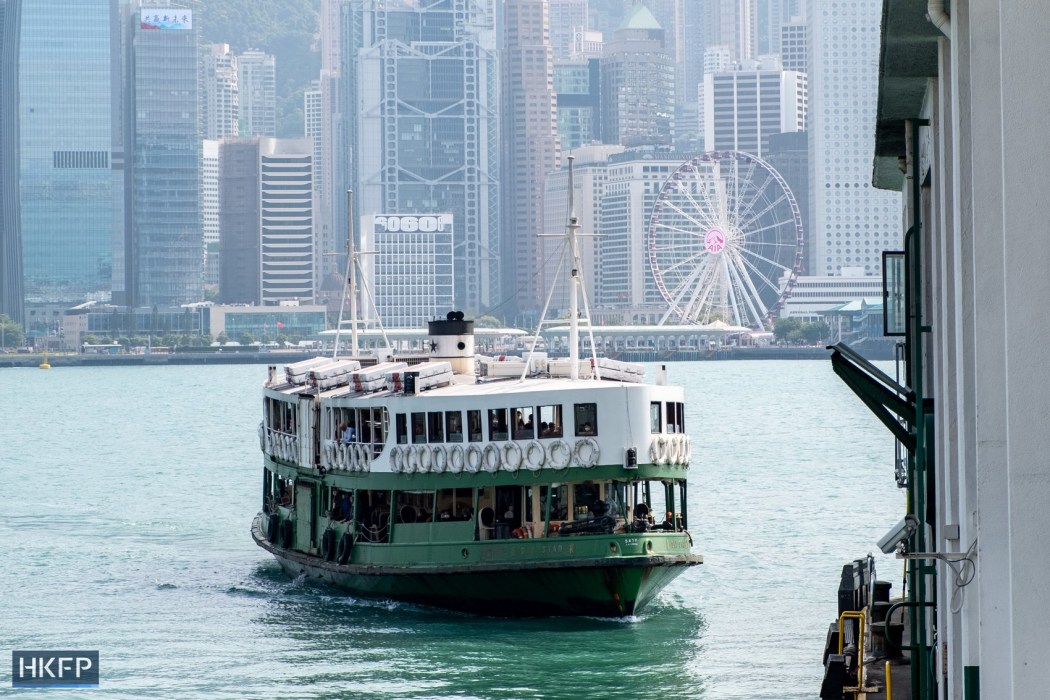
The Star Ferry, a company with a rich history spanning over 138 years, operates two crucial cross-harbour routes connecting Tsim Sha Tsui to Wan Chai and Central. For generations, it has served not only as a practical mode of transport but also as a quintessential Hong Kong experience, offering unparalleled views of the city’s dramatic skyline. Its image is deeply interwoven with the identity of Hong Kong, making any disruption to its service or accessibility a matter of public concern.
The Financial Pressures Driving the Fare Increase
The operator’s application for a 30 percent fare increase, publicly disclosed last month, is rooted in a complex web of escalating operational costs and a history of financial challenges. According to a submission by the Transport and Logistics Bureau to the legislature, the proposed adjustments would see adult single weekday fares rise from the current HK$5 to HK$6.50, representing a 30% increase. Weekend and public holiday fares are slated to climb from HK$6.50 to HK$8.50, also a substantial jump.
The company has cited several key financial pressures. A significant upcoming expense is the planned replacement of engines for its vessels in the latter half of this year. This modernization effort is estimated to cost upwards of HK$10 million per ship, a considerable capital outlay for the operator.
Beyond this immediate capital investment, the Star Ferry is contending with a sustained rise in other operational expenditures. These include:
- Vessel Maintenance and Repair Costs: Aging fleets require continuous and often costly upkeep to ensure safety and operational efficiency.
- Rising Staff Costs: Like many businesses, the ferry operator faces increasing wage demands and associated employment costs.
- Fuel Expenditure: Fluctuations in global fuel prices directly impact the cost of running a fleet of ferries.
- Interest Payments from Debt: The company’s financial statements likely reflect interest obligations on any outstanding loans or financial instruments.
- Pier Operating Costs: The maintenance and operation of the ferry terminals themselves incur ongoing expenses.
These accumulating costs have contributed to a significant financial deficit. The Star Ferry reported losses exceeding HK$100 million between 2018 and 2023, a period that encompassed the global pandemic and its subsequent economic fallout, alongside other local economic headwinds. This sustained period of unprofitability underscores the operator’s argument that fare adjustments are necessary for its long-term viability.
A Historical Perspective: The Star Ferry’s Enduring Role
The Star Ferry’s journey began in 1888, and it has since become a symbol of Hong Kong’s maritime heritage and its connection to the sea. In its early days, it was the primary means of transport between the island and the Kowloon peninsula, playing a crucial role in the city’s development and connecting its burgeoning communities. Over the decades, while infrastructure has evolved with tunnels and bridges, the Star Ferry has maintained its appeal, often outperforming newer transport options in terms of scenic value and perceived charm.

The company has historically operated with relatively low fares, often subsidized or benefiting from advantageous lease agreements. However, the economic landscape of Hong Kong has shifted considerably. The cost of doing business, including labor, maintenance, and infrastructure, has escalated, putting pressure on the traditional business models of many long-standing enterprises. The Star Ferry’s current financial situation reflects this broader economic reality.
Proposed Fare Structure and Impact
The proposed fare increases, if approved, would represent a notable change for regular commuters. For example, a daily round trip for a weekday commuter would see an increase from HK$10 to HK$13, a 30% jump in daily expenditure. For those who rely on the ferry for weekend excursions or commuting during holidays, the increase from HK$13 to HK$17 for a round trip is even more substantial.
The implications of these fare hikes extend beyond the immediate financial impact on passengers. A significant increase could potentially deter casual riders, including tourists and local residents who use the ferry for leisure. This could, in turn, affect the overall passenger volume, potentially impacting revenue streams beyond just ticket sales, such as onboard concessions or related tourism activities.

However, the Star Ferry’s argument for the increase is rooted in financial necessity. The company has also indicated a proposal for a "pet-friendly route," a potential new service that could attract a different segment of the market and generate additional revenue. This suggests a proactive approach by the operator to diversify its offerings and adapt to changing consumer demands.
Government’s Advisory Role and Public Consultation
The Transport Advisory Committee plays a critical role in mediating between public transport operators and the government. Its mandate is to ensure that public transport services are not only financially sustainable but also affordable and accessible to the general public. The committee’s deliberations will involve a thorough review of the Star Ferry’s financial submissions, projected costs, and proposed revenue streams.
The process of fare adjustments for public transport in Hong Kong typically involves public consultation. While the committee’s initial discussions are private, the broader public will likely have an opportunity to voice their opinions on the proposed fare hike. This consultation period is crucial for gathering feedback and understanding the potential social and economic impacts of the proposed changes.

The government, through its relevant bureaus, will ultimately make the final decision on whether to approve the Star Ferry’s fare increase application. This decision will weigh the financial imperative for the ferry operator against the broader public interest, considering factors such as the ferry’s heritage value, its role in the transport network, and the potential impact on different segments of the population.
Broader Implications for Hong Kong’s Public Transport
The Star Ferry’s fare hike proposal is not an isolated incident but reflects a broader trend affecting public transport operators worldwide. Rising operational costs, coupled with evolving travel patterns and economic pressures, are forcing many transport providers to re-evaluate their pricing structures.
In Hong Kong, where public transport is a lifeline for millions, fare adjustments are always a sensitive issue. The government faces the challenge of maintaining an affordable and efficient public transport system while ensuring the financial health of the operators. This often involves a delicate balancing act, as seen in the current deliberations surrounding the Star Ferry.

The Star Ferry’s case also highlights the economic challenges faced by heritage attractions and services that are deeply embedded in a city’s identity. While these assets hold immense cultural and historical value, they are not immune to the realities of modern business economics. The ability to adapt and innovate, as the Star Ferry appears to be doing with its pet-friendly route proposal, will be crucial for their long-term survival.
The Path Forward: A Decision Awaits
As the Transport Advisory Committee continues its review, the fate of the Star Ferry’s fare increase hangs in the balance. The committee’s recommendation will be a significant factor in the final decision, which will undoubtedly be closely watched by commuters, tourists, and the wider Hong Kong community. The outcome will shape not only the future of this beloved ferry service but also set a precedent for how Hong Kong balances its rich heritage with the practicalities of economic sustainability in its public transport sector. The coming weeks and months will reveal whether the iconic Star Ferry can navigate these financial choppy waters while remaining an accessible and cherished part of Hong Kong’s urban fabric.


 Ammar Sabilarrohman
 Azzam Bilal Chamdy