Nana Muazin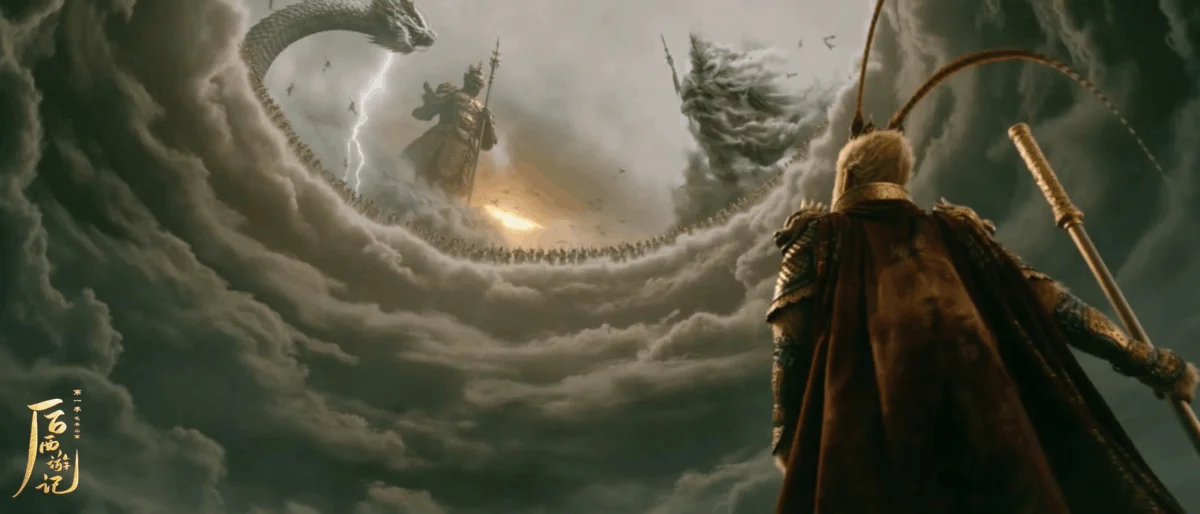
The year 2026 marks a pivotal transformation in China’s historical drama landscape, driven by the rapid integration of artificial intelligence into production workflows. Historically, the creation of elaborate historical dramas, replete with grand ancient battles, intricate palace architecture, and meticulously detailed costumes, demanded colossal budgets and extensive professional production teams. These barriers to entry often limited the volume and diversity of historical narratives brought to screen. However, the advent of sophisticated AI generation and virtual compositing tools has dramatically democratized this process, empowering smaller teams and even individual creators to conjure historical scenes that were once prohibitively complex and expensive. As these production hurdles dissipate, the volume of historical content is experiencing an unprecedented surge, flooding the market with narratives that captivate audiences with their visual realism. Yet, this technological leap introduces a profound ethical and cultural quandary: when seemingly authentic historical narratives can be produced at minimal cost and in vast quantities, how does society effectively discern genuine artistic interpretation from outright historical distortion? This question lies at the heart of the ongoing AI-driven revolution, challenging creators, regulators, and audiences alike to navigate a new media frontier.
The Genesis of a New Era: AI’s Impact on Production
For decades, Chinese historical dramas have been a cornerstone of the nation’s television and film industry, celebrated for their epic scale and intricate portrayals of ancient dynasties, legendary heroes, and pivotal historical events. Productions like "Empresses in the Palace" or "Nirvana in Fire" set benchmarks for storytelling, visual grandeur, and historical research, often requiring multi-year production cycles and budgets soaring into the hundreds of millions of yuan. Traditional production involved immense logistical challenges: constructing sprawling sets, managing thousands of extras for battle scenes, crafting bespoke costumes, and engaging highly skilled VFX artists for post-production. These factors often restricted the number of projects undertaken and necessitated a cautious approach to investment, typically favoring established studios with deep pockets and extensive resources.
The shift began subtly in the early 2020s with the increasing adoption of virtual production technologies, but it gained exponential momentum with the maturation of generative AI models by mid-decade. In 2026, AI algorithms are no longer just assisting; they are actively generating. From conceptualizing character designs and costume patterns based on historical archives to rendering entire digital environments of ancient cities and palaces, AI tools significantly reduce the need for physical sets and large crews. Virtual compositing seamlessly integrates AI-generated elements with live-action footage, creating high-fidelity visuals that are indistinguishable from traditionally produced scenes to the untrained eye. This technological paradigm shift has lowered not only the financial outlay but also the technical expertise required, opening the floodgates for a new generation of content creators.
The AI Short Drama Boom: Unprecedented Growth and Market Dominance
The impact of AI on content creation is perhaps most vividly illustrated by the explosive growth in the short-form drama sector. According to the comprehensive 2026 H1 AI Drama and Animation Data Report released by the prominent industry research firm DataEye, China’s AI drama and animation market segment achieved a staggering valuation exceeding RMB 22 billion (approximately $3.29 billion USD) within the first five months of 2026 alone. This impressive figure underscores a monumental shift in production and consumption habits.
DataEye’s projections for the full year anticipate the market to reach an astonishing RMB 40 billion ($5.98 billion USD), signifying a remarkable year-on-year growth rate of 138%. This meteoric rise is not merely an industry phenomenon; it is mirrored by a massive expansion in audience engagement. The report indicates that the number of AI short-drama users across China surpassed 600 million in the first half of the year, demonstrating the broad appeal and accessibility of this new content format.
The sheer volume of content entering the market is equally striking. Between January and June 2026, an astounding 221,900 new AI short dramas were released. Of these, 1,055 titles achieved monumental success, each garnering over 100 million views. Collectively, these AI-generated narratives amassed an incredible 515.738 billion views during the first half of the year. The growth trajectory shows no signs of abatement, with monthly incremental views peaking at 155.78 billion in June, marking the highest monthly figure recorded in the first half of 2026. This data firmly establishes AI short dramas as a dominant force in the Chinese digital entertainment landscape.
Beyond short-form content, AI-generated historical narratives are also successfully penetrating longer formats. The AI series "Wielding Weapons in the Song Dynasty," for instance, has reportedly maintained consistent popularity scores above 46 million across its multiple seasons, indicating sustained audience interest in AI-crafted long-form historical content. Furthermore, "The Later Journey to the West," another fully AI-generated series, made its debut in a prime-time slot on Hunan Satellite TV, a major provincial broadcaster. During its broadcast, the series remarkably ranked first among all provincial satellite channels in its time slot, signaling AI’s capability to deliver mainstream, prime-time hits that rival traditionally produced shows.
These examples highlight AI’s dual impact: democratizing access to historical storytelling for independent creators while simultaneously demonstrating its potential to produce commercially successful, high-quality content for established media platforms. The economic implications are vast, creating new revenue streams and potentially redefining career paths within the creative industries, from concept artists and scriptwriters to digital marketers specializing in AI-generated content.
The Ethical Quandary: Visual Authenticity Versus Historical Accuracy
While the technological advancements are undeniable, they usher in a complex ethical dilemma, particularly concerning historical accuracy. AI’s ability to generate convincing characters, elaborate costumes, and intricate architecture with photorealistic detail does not inherently guarantee historical fidelity. As the visual quality of AI-generated content improves, audiences may increasingly struggle to differentiate between visual authenticity and genuine historical accuracy. This blurring of lines poses a significant risk to public understanding of history.
Historians and academics have expressed growing concern. Dr. Chen Wei, a professor of history at Peking University, commented, "The ease of generating visually stunning historical scenes is a double-edged sword. On one hand, it can ignite interest in history among younger generations. On the other, it creates an environment ripe for the propagation of ‘historical hallucinations’ – scenarios, costumes, or events that look real but have no basis in fact. When these fabricated details are presented with such realism, they risk cementing misconceptions in the public consciousness."
The core issue lies in how AI models process and synthesize information. When historical data is incomplete or ambiguous, generative AI can "fill in the blanks" using patterns learned from vast datasets, which may include fictional works or even biased interpretations. This can lead to seemingly plausible but factually incorrect details regarding people’s daily lives, clothing styles, the function of artifacts, or even the precise chronology of historical events. A meticulously rendered ancient palace, for example, might feature architectural elements from different dynasties or incorporate anachronistic decorative styles. Similarly, a compelling dialogue attributed to a historical figure, while dramatically effective, may bear no resemblance to documented exchanges.
The danger intensifies with the sheer scale of AI-generated content. If unverified or erroneous details are replicated across numerous low-cost productions and consumed by millions, they can collectively distort audiences’ understanding of historical periods and figures. This phenomenon could gradually erode the public’s ability to critically evaluate historical narratives, fostering a passive acceptance of visually convincing but factually unsound portrayals. The question then becomes: what is the responsibility of creators and platforms in safeguarding historical truth while also fostering artistic freedom?

Distinguishing Artistic Interpretation from Historical Distortion
It is crucial to acknowledge that historical dramas have always taken creative liberties. They are not documentaries. The genre has long embraced elements like time travel, alternate histories, and fictionalized retellings to explore themes and engage audiences. Artistic interpretation, by itself, is not problematic. The critical distinction lies in how productions manage the boundary between historical fact and fiction.
The challenge AI introduces is its capacity to generate vast amounts of intricate detail in a short timeframe. Where human researchers might painstakingly verify every detail, AI models, if not rigorously guided and audited, can produce claims that sound plausible but lack verifiable historical evidence. Errors can range from minor inaccuracies in sartorial choices to significant misrepresentations of historical figures’ personalities or the motivations behind major events.
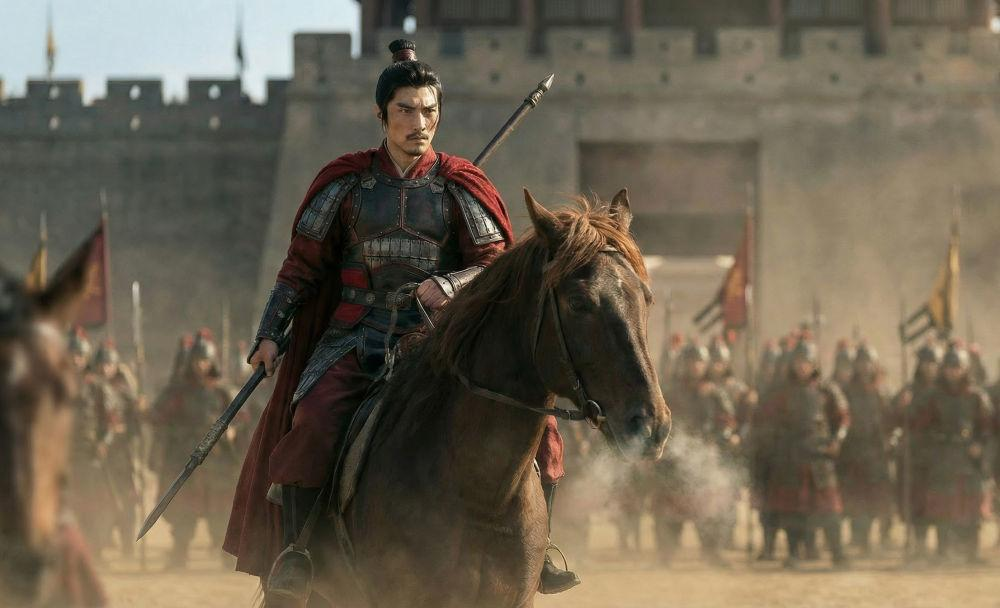
For instance, a seemingly authentic depiction of a battle scene might feature weaponry or tactical formations that did not exist during that period. A compelling narrative might attribute actions or words to historical figures that are entirely fabricated, potentially altering their historical perception. If these unverified details are presented as fact and disseminated through high-volume content, they could inadvertently become "common knowledge," especially among younger audiences who might rely on visual media for their initial exposure to history.
Therefore, while AI can be an invaluable assistant for historical research, scene design, and image generation, it cannot, and should not, replace human historical verification. For any production purporting to be based on real historical events and figures, cross-referencing primary sources, consulting qualified historians, archaeologists, and cultural experts remains absolutely essential. These human gatekeepers are vital for ensuring that creative freedom does not inadvertently slide into historical revisionism. The technological ease of creation must be balanced with intellectual rigor and a commitment to factual accuracy where appropriate.
Evolving Regulatory Frameworks and Content Oversight
Recognizing the rapid proliferation and potential implications of AI-generated content, particularly in the short-form drama sector, Chinese regulatory bodies have begun to adapt their oversight frameworks. The National Radio and Television Administration (NRTA), the primary regulatory authority for broadcasting and television in China, introduced the "Measures for the Administration of Micro-Dramas," which officially took effect on September 1, 2026.
These new measures represent a significant step towards managing the burgeoning micro-drama market, including AI-generated content. The framework introduces a classification-based management system, differentiating content based on its nature and potential impact. It sets out clear requirements covering various stages of production and distribution, including filing procedures, content review standards, distribution guidelines, and crucially, disclosure labels for AI-generated content. The intent is to foster a healthy content ecosystem while mitigating risks associated with misinformation, inappropriate content, and historical distortion.

However, stronger content oversight does not imply a blanket restriction on all AI historical dramas. Regulators face the intricate task of distinguishing between different types of historical narratives. Clearly identified alternate-history stories or purely fictionalized retellings, which explicitly signal their departure from historical fact, present different potential risks than productions based on real historical events that audiences might mistakenly perceive as factual. The focus of regulatory efforts should not solely be on whether a work matches historical records in every minute detail, but rather on whether it actively misleads audiences, violates applicable content rules related to historical interpretation, or fails to meet reasonable standards of verification for content claiming historical basis.
Platforms themselves bear a substantial responsibility in this new landscape. Beyond merely tracking views and engagement metrics, platforms hosting AI-generated content must implement more robust review processes. This includes deploying advanced AI detection tools to identify generative content and, more importantly, establishing human editorial teams capable of fact-checking and assessing historical accuracy, especially for dramas presented as historically factual. Timely action against violations and mandatory, transparent disclosures about how content was produced – for example, a clear "AI-Generated" label – will become increasingly critical. Such labels can inform audiences about the nature of the production but cannot substitute for rigorous fact-checking or exempt a production from broader content requirements regarding historical veracity and ethical representation.
Industry Perspectives and the Future of Storytelling
The shift has been met with mixed reactions across the industry. Independent creators and smaller studios largely welcome the democratizing effect of AI. "Before AI, producing a historical drama was a pipe dream for us," says Li Wei, an independent filmmaker whose AI-generated short "Echoes of the Tang Dynasty" garnered millions of views. "Now, we can bring our visions to life with incredible detail, allowing us to focus on storytelling rather than logistical nightmares." This sentiment is echoed by many aspiring creators who see AI as a powerful tool for artistic expression and economic opportunity.
Conversely, traditional production houses and established filmmakers, while exploring AI integration, express caution. Zhang Ming, a veteran director known for his meticulously researched historical epics, notes, "AI is a fantastic tool, but it’s a tool. The human element – the deep research, the nuanced interpretation, the creative judgment – remains irreplaceable. We must ensure that the speed and cost-effectiveness don’t come at the expense of quality and, more importantly, integrity."
Technologists and AI developers are also keenly aware of the ethical dimensions. Dr. Emily Zhao, head of a leading AI content generation firm, states, "We are actively developing AI models that can be fine-tuned with historical datasets and incorporate confidence scores for generated facts. The goal is to provide creators with tools that not only generate stunning visuals but also flag potential historical inaccuracies, prompting human oversight." This suggests a future where AI acts as a sophisticated co-pilot rather than an autonomous creator, enhancing human capabilities rather than replacing them entirely.
When Generation Becomes Easy, What is the Real Barrier to Entry?
The rise of AI historical dramas undoubtedly offers more creators an unprecedented opportunity to tell historical stories, bringing previously unattainable creative ideas within reach. This democratization of creation is a significant and positive change, fostering a more diverse and dynamic content landscape.

Yet, as the act of generating images, scenes, and even narratives becomes increasingly effortless, the true "scarce skill" is undergoing a profound redefinition. It may no longer be the technical ability to construct a visually convincing ancient palace or a sweeping battle sequence; AI can handle much of that. Instead, the premium skill will shift to the intellectual capacity: knowing precisely what that palace should have looked like in its specific historical context, understanding the subtle architectural nuances of different periods, and discerning what elements are historically appropriate.
Similarly, the ability to generate a realistic historical figure will become less valuable than a deep understanding of that person’s era, their socioeconomic background, their documented experiences, and the cultural sensitivities surrounding their portrayal. The "barrier to entry" is no longer technical or financial; it is increasingly intellectual and ethical. It demands a sophisticated understanding of history, culture, and responsible storytelling.
The fundamental challenge for AI historical dramas, therefore, transcends mere production efficiency. It lies in navigating the delicate balance between boundless artistic expression, rigorous historical accuracy, and responsible distribution practices. AI can undeniably offer novel and engaging ways to narrate stories from the past, breathing new life into historical figures and events. However, the sheer capability to generate a historical narrative does not, and must not, justify a disregard for established historical facts or an abdication of intellectual responsibility.
Ultimately, while technology is adept at lowering the technical barriers to creation, the enduring elements that will truly shape the outcome of this transformation are human: the creators’ profound understanding of history, their discerning judgment about the ethical boundaries of fiction, and the platforms’ unwavering commitment to the integrity and accountability of the content they distribute. The future of historical storytelling in the age of AI will be a collaborative endeavor, requiring a harmonious blend of technological innovation, scholarly rigor, and conscientious stewardship.


 Dwi Wanna
 Lina Irawan