
 Neng Nana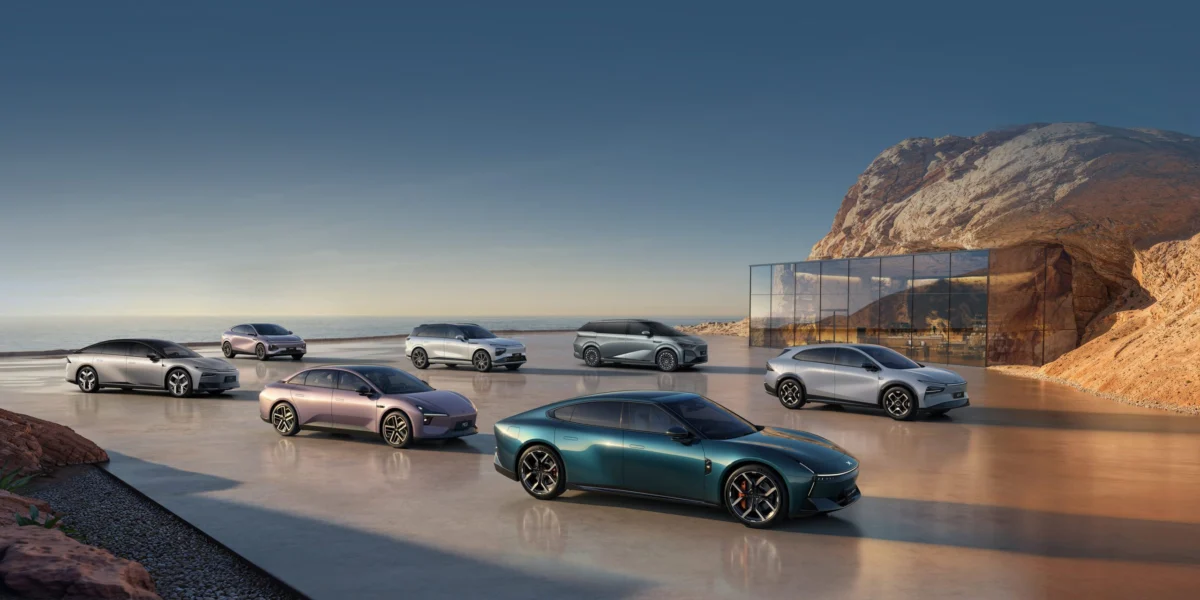
Xpeng’s Strategic Pivot: A New Era of Tech Licensing
The core of Xpeng’s expanded offering encompasses a comprehensive suite of its internally developed, state-of-the-art technologies. This includes its sophisticated electrical and electronic (E/E) architecture, advanced cockpit systems, the powerful Turing AI chips developed in-house, and its industry-leading advanced driver-assistance software (ADAS). This strategic move positions Xpeng not merely as a vehicle manufacturer, but as a critical technology provider, capable of supplying foundational components for the next generation of smart vehicles. Beyond traditional automakers, Xpeng is also targeting overseas software developers and automotive suppliers as potential customers, recognizing the modular and integrative nature of its technological stack.
Furthermore, Xpeng’s ambitions extend beyond the conventional automotive domain. The company plans to leverage its robust technology licensing and customization capabilities to penetrate burgeoning sectors such as robotaxis, humanoid robots, and other diverse physical AI applications. This expansion underscores a broader vision to apply its core AI and autonomous driving competencies across a wider array of intelligent machines and systems, capitalizing on the increasing demand for advanced AI solutions in various industries.
Background and Context: The Evolving Automotive Landscape
Xpeng Inc., founded in 2014 and headquartered in Guangzhou, China, has rapidly emerged as a formidable player in the global EV market. From its inception, the company has distinguished itself through a strong emphasis on in-house research and development, particularly in areas like intelligent driving, smart cockpits, and core vehicle platforms. Its commitment to technological independence and innovation has led to the development of several highly competitive electric vehicles, including the G3, P7, P5, G9, and the X9 MPV, which are characterized by their advanced software features and connectivity.
The automotive industry is undergoing an unprecedented transformation, driven by electrification, connectivity, and artificial intelligence. The shift from hardware-centric vehicles to "software-defined vehicles" (SDVs) has created immense pressure on legacy automakers to accelerate their technological development, often necessitating partnerships with agile, tech-forward companies. Simultaneously, the Chinese EV market, the largest and most competitive globally, has fostered an environment where innovation is paramount and companies are constantly seeking new avenues for growth and profitability amidst intense domestic rivalry and fluctuating consumer demand.
For Xpeng, like many other EV startups, generating sustainable revenue streams beyond vehicle sales is becoming increasingly crucial. While vehicle sales provide volume, licensing intellectual property can offer higher-margin, recurring revenue, help amortize substantial R&D investments, and establish a broader ecosystem footprint. This strategy mirrors a growing trend within the tech industry, where companies often license their core technologies to maximize their return on investment and market reach.
The Volkswagen Partnership: A Precedent for Global Collaboration
A significant precursor to Xpeng’s current strategic expansion was its landmark partnership with German automotive giant Volkswagen AG. This collaboration, which commenced in July 2023, marked a pivotal moment for both companies and set a clear precedent for Xpeng’s capabilities as a technology provider. Under the terms of the agreement, Volkswagen acquired a 4.99% stake in Xpeng for approximately $700 million (around 5 billion Chinese yuan at the time).
The rationale behind this substantial investment was multifaceted. For Volkswagen, the partnership provided immediate access to Xpeng’s advanced G9 platform and its sophisticated ADAS software, crucial for accelerating the development of two new, China-specific B-segment electric models. These models are intended to cater to the discerning preferences of Chinese consumers, who increasingly prioritize cutting-edge technology and intelligent features in their vehicles. By leveraging Xpeng’s established architecture and software, Volkswagen aimed to significantly reduce its development timelines and costs for these localized EV offerings, thereby enhancing its competitiveness in the world’s largest EV market.
For Xpeng, the Volkswagen deal represented not only a substantial capital injection but also a powerful validation of its technological prowess on a global scale. Partnering with a legacy automaker of Volkswagen’s stature underscored the maturity and reliability of Xpeng’s E/E architecture, cockpit systems, and ADAS solutions. This collaboration demonstrated Xpeng’s ability to integrate its technology into diverse vehicle platforms and meet the stringent standards of international automotive giants. The agreement effectively transitioned Xpeng from purely a direct-to-consumer EV brand to a credible B2B technology supplier, laying the groundwork for the broader licensing initiatives now being pursued.
The successful establishment of the joint development program with Volkswagen has likely provided Xpeng with invaluable experience in managing complex technological transfers, customizing solutions for external partners, and navigating the intricacies of international automotive collaborations. This experience is expected to be instrumental as Xpeng seeks to engage with additional global automakers and tech companies.
Deep Dive into Xpeng’s Core Technologies
Xpeng’s comprehensive offering is built upon several pillars of proprietary technology:
-
Electrical and Electronic (E/E) Architecture: At the heart of any modern smart vehicle is its E/E architecture. Xpeng has developed a centralized, domain-controlled architecture designed for scalability, upgradeability, and high-speed data processing. This architecture supports over-the-air (OTA) updates for nearly all vehicle functions, enabling continuous improvement and feature expansion throughout the vehicle’s lifecycle. A robust E/E architecture is critical for integrating complex ADAS functions, advanced infotainment, and robust connectivity, making it a highly attractive component for automakers seeking to modernize their vehicle platforms without starting from scratch.
-
Cockpit Systems: Xpeng’s cockpit systems are renowned for their intuitive user interface, seamless connectivity, and advanced AI features. These systems typically include high-resolution displays, voice control, facial recognition, and integration with a wide array of smart home devices and digital services. Xpeng’s approach to the digital cockpit emphasizes a personalized and immersive experience, driven by its in-house software stack that allows for deep customization and rapid feature deployment. The ability to offer a complete, integrated cockpit solution can significantly reduce development time and costs for partners.
-
Turing AI Chips: A distinguishing feature of Xpeng’s technological stack is its commitment to in-house chip development. While specific details on the "Turing AI chips" for licensing are still emerging, Xpeng has previously indicated its investment in designing dedicated chips for autonomous driving functions. This strategic vertical integration aims to optimize performance, reduce latency, and enhance the security of its ADAS systems, while also potentially lowering hardware costs in the long run. Developing custom AI chips provides a competitive edge by tailoring hardware precisely to software requirements, offering superior efficiency compared to off-the-shelf solutions. This capability positions Xpeng uniquely in a market largely dominated by third-party chip suppliers like Nvidia and Mobileye.
-
Advanced Driver-Assistance Software (ADAS): Xpeng’s XNGP (Xpeng Navigation Guided Pilot) system is widely regarded as one of the most advanced autonomous driving solutions globally, particularly within urban environments. XNGP offers comprehensive capabilities including highway NGP, urban NGP (covering city streets with traffic lights, roundabouts, and complex intersections), automated parking, and intelligent voice control. The system relies on a sophisticated perception stack (utilizing multiple cameras, LiDAR sensors, ultrasonic sensors, and radar), high-definition mapping, and a robust planning and control algorithm. The ability to offer a mature, proven ADAS software stack, which has undergone extensive real-world testing in complex Chinese urban environments, represents a significant value proposition for automakers and developers who are struggling to catch up in this critical area.
Target Markets and Expansion Beyond Automotive
Xpeng’s expansion strategy targets a broad range of entities:
- Traditional Automakers: Many legacy OEMs are facing immense pressure to accelerate their transition to electric and intelligent vehicles. Licensing Xpeng’s proven technologies can offer a faster, more cost-effective pathway to integrating cutting-edge features into their product lines, bypassing years of expensive R&D.
- Emerging EV Startups: New entrants in the EV space might lack the resources or time to develop a full technological stack from scratch. Xpeng’s offerings could provide a robust foundation, allowing them to focus on vehicle design, branding, and market differentiation.
- Automotive Suppliers: Suppliers of various components might integrate Xpeng’s software or chip solutions into their own offerings, creating new collaborative products for the wider automotive ecosystem.
- Software Developers: Companies specializing in automotive software or AI applications could leverage Xpeng’s modular solutions to build new services or enhance existing platforms.
Beyond the automotive sector, Xpeng’s foray into robotaxis, humanoid robots, and other physical AI applications highlights a strategic vision to become a broader AI solutions provider. Its expertise in autonomous driving, sensor fusion, environmental perception, and intelligent decision-making is directly transferable to these fields. For instance, the core ADAS software stack can be adapted for autonomous commercial vehicles, logistics robots, or even the navigation and interaction systems of humanoid robots. Xpeng Robotics, a subsidiary, has already showcased prototypes of quadruped robots and aims to develop humanoid robots, demonstrating the company’s commitment to extending its AI capabilities beyond cars. This diversification could unlock entirely new revenue streams and establish Xpeng as a significant player in the burgeoning robotics and AI hardware industries.
Financial and Strategic Implications
This strategic shift carries profound financial and strategic implications for Xpeng.
- Revenue Diversification and Stability: Relying solely on vehicle sales in a highly competitive market can lead to volatile revenue. Technology licensing provides a potentially more stable, higher-margin revenue stream, insulating the company from the cyclical nature of car sales.
- Enhanced Profitability: Software and IP licensing typically carry significantly higher profit margins compared to vehicle manufacturing, which is capital-intensive and often operates on tighter margins.
- Amortization of R&D Costs: Xpeng has invested billions in R&D. Licensing its technology allows the company to amortize these substantial costs over a wider customer base, improving its return on investment.
- Global Influence and Standard Setting: By licensing its technology, Xpeng can expand its influence globally, potentially establishing its E/E architecture and ADAS solutions as industry benchmarks, particularly for urban autonomous driving.
- Competitive Advantage: This strategy transforms Xpeng from merely an EV manufacturer into a comprehensive technology powerhouse, differentiating it from many competitors that primarily focus on vehicle production.
Industry Reactions and Broader Impact
While official statements from potential partners are yet to emerge, industry analysts are likely to view Xpeng’s move as a shrewd strategic decision. It aligns with the global trend of technology companies playing a more central role in automotive development. For automakers, partnering with Xpeng could offer a faster path to market for advanced features, potentially reducing their own R&D expenditure and mitigating risks associated with in-house development.
However, challenges remain. Integrating proprietary technology from one company into another’s existing vehicle platforms can be complex, requiring significant collaboration and customization. Intellectual property protection and geopolitical considerations, particularly for Chinese technology firms operating in Western markets, will also be critical factors. Trust and long-term commitment from potential partners will be essential for the success of these licensing ventures.
Despite these challenges, Xpeng’s pivot underscores a broader transformation within the automotive supply chain. The traditional hierarchical model, where OEMs dictated terms to component suppliers, is evolving. Technology-first companies like Xpeng are demonstrating that innovation can originate from diverse sources, fostering a more collaborative and interconnected ecosystem. This trend could accelerate the adoption of advanced intelligent vehicle technologies worldwide, democratizing access to capabilities previously exclusive to a few industry leaders.
Conclusion
Xpeng’s decision to actively license its core electrical and electronic architecture, cockpit systems, Turing AI chips, and advanced driver-assistance software to a wider range of global partners signifies a pivotal strategic evolution for the company. Building on the success and validation of its partnership with Volkswagen, Xpeng is positioning itself as a crucial technology enabler, not just an EV manufacturer. By diversifying its revenue streams, leveraging its substantial R&D investments, and expanding into nascent sectors like robotaxis and humanoid robots, Xpeng aims to secure a more resilient and influential position in the future of smart mobility and artificial intelligence. This ambitious strategy could redefine Xpeng’s global role, transforming it into a key architect of the next generation of intelligent machines.

 Sagoh
Sagoh
 Jia Lissa