 Pevita Pearce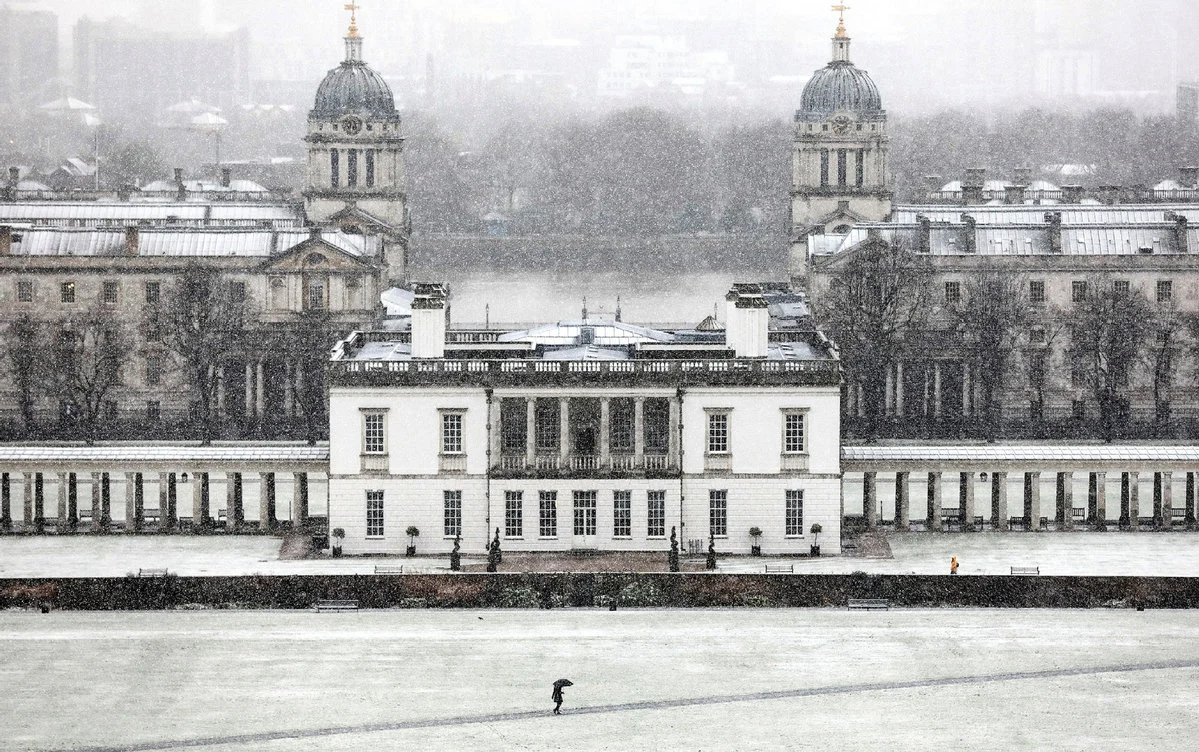
The United Kingdom awoke on Monday to a scene of widespread disruption as severe frost, relentless rain, and treacherous icy roads, following significant snowfall, paralyzed large swathes of the country. Local media has aptly dubbed this day "Black Ice Monday" as the nation grapples with the cascading effects of a formidable winter storm that has brought transportation networks to a standstill and left thousands without power. The adverse weather conditions, which began to intensify over the weekend, are expected to persist, prompting urgent warnings and extensive emergency responses.
The Onset of a Winter Storm
The meteorological onslaught began with an amber warning for snow issued by the Met Office, the UK’s national weather service, coming into effect at 4 am UTC on Sunday. This alert specifically targeted Wales, the Midlands, and significant portions of northern and eastern England, signaling the impending severity of the weather. By Monday morning, the situation had deteriorated considerably.
At London’s Heathrow Airport, a major international hub, approximately a quarter of all scheduled flights faced cancellation, a stark indicator of the widespread impact on air travel. The Port of Calais, a critical gateway for cross-Channel traffic, was also shuttered due to the dangerous weather conditions, severing a vital link for freight and passenger transport. Beyond Heathrow, airports such as Birmingham and Stansted also experienced flight suspensions. Other aviation facilities advised passengers to proactively contact their airlines for updates and to factor in significantly extended travel times to reach airports, a plea underscored by the palpable uncertainty pervading travel plans.
The hazardous road conditions, exacerbated by the rapid freezing of precipitation and the formation of black ice, forced the closure of hundreds of schools across the country. This decision, while necessary for the safety of students and staff, presented considerable challenges for working parents and disrupted the educational routines of a generation.
Highway England, the government agency responsible for motorways and major trunk roads, issued a series of prudent advisories for motorists. Drivers were strongly urged to meticulously check weather forecasts before embarking on any journeys and to equip their vehicles with essential provisions. These recommendations included packing "warm clothing, food, drink … and a torch," highlighting the potential for prolonged delays and the importance of self-sufficiency in challenging circumstances.
A Deep Freeze and its Consequences
The temperatures plummeted dramatically overnight, with some rural areas recording lows of -12 degrees Celsius. This severe frost contributed to the widespread formation of ice, leading the Met Office to issue a yellow warning for ice across extensive regions of central England and Wales. This warning signifies a heightened risk of disruption and potential danger on the roads and in public spaces.
The impact of the severe weather extended beyond transportation and education, significantly affecting the nation’s power infrastructure. Power suppliers reported that over 140,000 homes experienced power outages on Sunday alone, a consequence of the combined forces of heavy snow and high winds. By Monday, several thousand of these households remained disconnected from the electricity grid, facing extended periods without essential services. The prolonged loss of power poses significant challenges, particularly for vulnerable individuals, and raises concerns about the resilience of the UK’s energy network in the face of extreme weather events.
The Met Office forecasts that the wintry conditions, characterized by persistent snow and ice, are set to continue their grip on parts of the UK until at least Tuesday. This prolonged period of adverse weather suggests that the disruption experienced on Monday is unlikely to abate quickly, requiring continued vigilance and preparedness from both authorities and the public.
Timeline of the Winter Storm’s Impact
The unfolding winter crisis can be traced through a series of escalating events:
Saturday Evening/Sunday Morning: Initial snowfall begins in earnest, prompting the Met Office to issue an amber warning for snow across specific regions of the UK. This warning signifies a high likelihood of severe weather, with potential impacts on transport and infrastructure.
Sunday: Heavy snowfall and strong winds take hold across affected areas. Power outages begin to be reported, impacting tens of thousands of homes. Airports start to experience disruptions as conditions deteriorate.
Monday Morning: "Black Ice Monday" dawns. Widespread travel chaos ensues. A significant percentage of flights at Heathrow are cancelled. The Port of Calais closes. Hundreds of schools are forced to shut their doors. Hazardous road conditions are reported across major transport arteries. Power outages continue to affect thousands of homes.
Monday Afternoon/Evening: Authorities issue further advisories for drivers and the public. Emergency services are stretched. The full extent of the economic and social impact of the disruption begins to be assessed.
Tuesday: The Met Office indicates that snow and ice are expected to persist, suggesting the continuation of challenging conditions and potential further disruption.
Official Responses and Public Information
The government and various agencies have been actively engaged in responding to the crisis. The Department for Transport has been working closely with Highways England and other bodies to manage road networks and provide guidance to the public. Emergency services have been on high alert, responding to incidents related to the weather, including road traffic accidents and welfare checks for vulnerable individuals.
The Met Office’s role has been central to disseminating crucial weather information and warnings. Their yellow and amber alerts have served as vital tools for authorities and the public to anticipate and prepare for the evolving weather situation. The provision of detailed forecasts and advice on safe travel practices has been a cornerstone of the official response.
Local authorities have also been instrumental in managing the immediate impact of the weather, coordinating school closures, and providing support to affected communities. The resilience of local services is being tested as they navigate the challenges of maintaining essential operations amidst widespread disruption.
Broader Impact and Implications
The events of "Black Ice Monday" highlight several critical aspects of the UK’s preparedness for severe weather:
Infrastructure Resilience: The widespread power outages underscore the vulnerability of the national electricity grid to extreme weather events. Discussions around investment in grid modernization and distributed energy resources are likely to gain further traction in the wake of these incidents.
Transportation Networks: The severe disruption to air, sea, and road travel emphasizes the interconnectedness of these systems and their susceptibility to weather-related shocks. The economic cost of such widespread cancellations and delays, encompassing lost productivity, cancelled business events, and impact on the retail sector, is substantial.
Economic Costs: Beyond immediate travel disruption, the prolonged closure of businesses due to school closures and transportation issues can have a significant ripple effect on the national economy. Supply chains can be disrupted, and consumer spending can be curtailed. The cost of emergency response and infrastructure repairs also adds to the overall economic burden.
Public Preparedness: The Met Office’s advice to carry essential supplies when traveling serves as a reminder of the importance of individual and community preparedness for severe weather. Campaigns promoting preparedness for winter conditions, including advice on home heating, food and water storage, and emergency kits, are crucial.
Climate Change Context: While a single weather event cannot be definitively attributed to climate change, the increasing frequency and intensity of extreme weather events globally are consistent with climate change projections. This winter storm serves as a stark reminder of the need for robust climate adaptation strategies and mitigation efforts. The UK’s vulnerability to such events necessitates a long-term vision for building resilience against a changing climate.
As the nation continues to navigate the immediate aftermath of this winter onslaught, the lessons learned from "Black Ice Monday" will undoubtedly inform future planning and investment in infrastructure, emergency response, and climate adaptation strategies. The resilience of communities and the effectiveness of official responses will be key in mitigating the impact of future extreme weather events. The image of Greenwich Park dusted in snow, a scene of serene beauty, belies the significant challenges that winter’s fury has imposed upon the United Kingdom.


 Nana Wu
 Suro Senen