Muslim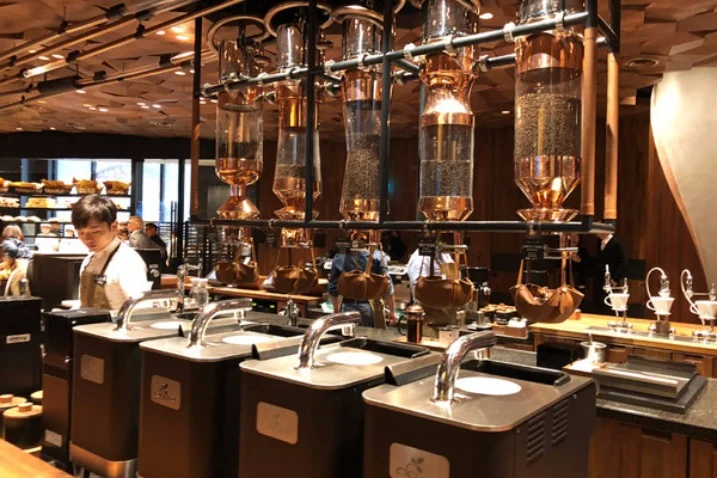
Despite the formidable rise of digital commerce over recent years, the intrinsic value of the in-store shopping experience continues to assert its dominance within the global retail sector. Far from being a zero-sum game, the prevailing view among industry leaders is that online and offline retail channels are not merely capable of coexistence but are increasingly interdependent, paving the way for synergistic models that redefine consumer engagement. This perspective is championed by figures such as Victor Cha, Managing Director and Deputy Chairman of HKR International Ltd., who posits that physical retail, while undeniably impacted by e-commerce, retains its irreplaceable core function and commands the lion’s share of consumer spending.
The Digital Onslaught and Physical Retail’s Resilience
The past two decades have witnessed an unprecedented digital transformation, with e-commerce platforms rapidly capturing market share across various consumer goods categories. In China, this shift has been particularly pronounced, driven by a vast and digitally savvy consumer base, sophisticated logistics networks, and innovative mobile payment solutions. According to data from the Ministry of Commerce, China’s online retail sales of physical goods reached an impressive 4.19 trillion yuan ($633.5 billion) in 2016, marking a robust 25.6 percent year-on-year increase. This growth trajectory positioned China as the world’s largest e-commerce market, a title it has consistently held. However, even with this explosive expansion, online sales constituted only 12.6 percent of the total retail value of all consumer goods purchased, underscoring the enduring significance of brick-and-mortar establishments.
Further reinforcing this trend, a survey conducted by financial research firm Gordon Haskett highlighted distinct consumer preferences. While categories such as music, books, movies, and small appliances saw a significant migration to online platforms, consumers overwhelmingly preferred in-store purchases for experience-based categories. This preference extended to essential and sensory-rich goods like groceries, household items, health and beauty products, pet supplies, and automotive accessories. These findings suggest that the physical act of shopping, touching products, and interacting with sales associates remains a critical component of the purchasing journey for many consumers, particularly when the product involves personal interaction or immediate gratification.
Reinventing the Shopping Mall: From Transactional to Experiential Hubs
The paradigm shift necessitates a re-evaluation of the traditional shopping mall model. As Victor Cha articulates, shopping centers can no longer serve merely as conduits for transactions. They must evolve into comprehensive, one-stop experience providers, seamlessly integrating shopping, lifestyle, and social elements. This transformation is not merely an option but an imperative for survival in a highly competitive retail landscape. "Retailers have to either embrace this trend peacefully or be phased out," Cha firmly states, emphasizing the urgency of adaptation.
This philosophy underpins the strategic development of HKR International’s latest flagship project, HKRI Taikoo Hui. Located on Shanghai’s bustling West Nanjing Road, this monumental 322,000-square-meter commercial complex represents a significant investment of up to 18 billion yuan. Officially opened in early November, the development is a mixed-use behemoth, featuring a sprawling shopping mall, two luxury hotels, a serviced apartment building, and two modern office towers. HKR International anticipates that this single project will generate revenue equivalent to two-thirds of its total 11 projects of similar scale in 2018, a testament to its projected impact and strategic importance.
HKRI Taikoo Hui: A Masterclass in Curated Retail and Design
The ambitious revenue projections for HKRI Taikoo Hui are not merely based on its sheer scale but on a meticulously crafted strategy centered around innovation, bespoke design, and an unparalleled quality experience. Cha elaborates that the project’s success hinges on attracting pioneering retail brands, fostering dynamic interaction between online and offline channels, and leveraging big data analytics to gain deep insights into the preferences and habits of its target customers.
A distinguishing feature of HKRI Taikoo Hui’s retail strategy is its deliberate departure from the conventional approach of anchoring a mall with ubiquitous top-tier luxury brands such as Louis Vuitton or Gucci. In a market often criticized for the homogeneity of its shopping mall offerings, HKRI Taikoo Hui sought to differentiate itself through a curated and distinctive tenant mix. Of the approximately 250 diversified brands housed within the mall, a significant proportion represents fresh concepts and unique retail propositions. Eight brands made their highly anticipated China debut within the complex, while 22 established their first outlet in Shanghai. Additionally, 15 special concept stores were introduced, providing consumers with novel and immersive retail experiences not easily found elsewhere. This thoughtful curation aims to create a sense of discovery and exclusivity, drawing consumers seeking unique offerings rather than merely chasing the latest luxury trends.
The Starbucks Reserve Roastery: An Anchor of Experiential Retail
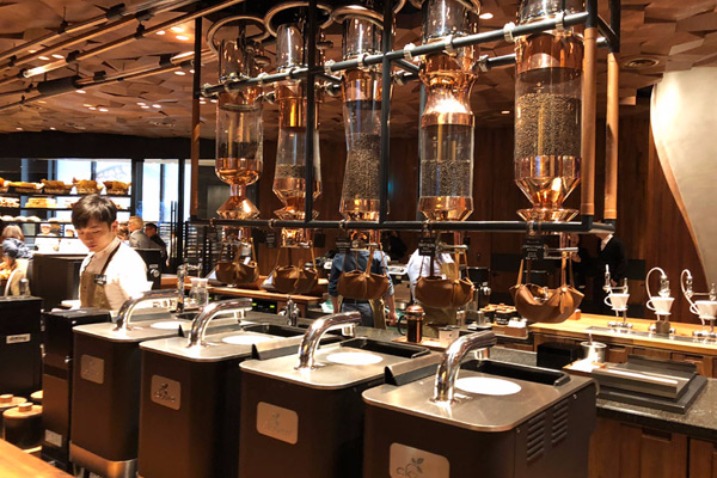
Perhaps the most prominent example of HKRI Taikoo Hui’s commitment to experiential retail is its designation as the location for the newly opened Starbucks Reserve Roastery in China. This colossal, multi-story coffee emporium is a global landmark, representing only the second such facility worldwide, with the first being in Seattle, the home city of Starbucks’ headquarters. More than just a coffee shop, the Roastery is an immersive theater of coffee, offering a sensory journey from bean to cup, with artisanal roasting on display, interactive tasting bars, and a vast array of unique beverages and merchandise. Its presence serves as a powerful anchor tenant, drawing not just coffee aficionados but also tourists and locals seeking a unique lifestyle experience. The Roastery embodies the future of retail – a space where consumption is intertwined with entertainment, education, and social interaction, transforming a simple purchase into a memorable event.
Qi Xiaozhai, head of the Shanghai Society of Commercial Economy, underscores the criticality of brand selection in a competitive market. "On average, more than 70 percent of the brands in Shanghai’s department stores and shopping malls are the same, so what brands the developer chooses will decide how successful it is," he observes. This highlights the strategic genius behind HKRI Taikoo Hui’s approach, which prioritizes novelty and experience over mere brand prestige.
The Dawn of "New Retail": Integrating Digital and Physical
The retail landscape is further evolving with the advent of "New Retail," a concept popularized in China that advocates for the seamless integration of online, offline, logistics, and data across a single value chain. As internet giants like Alibaba and JD.com increasingly move into the physical retail space, leveraging their vast capital and sophisticated big data resources, traditional retail operators face renewed pressure to innovate. Cha asserts that adopting state-of-the-art technologies is paramount for traditional players to remain competitive. This involves not just digitalizing operations but also using data to personalize customer experiences, optimize inventory, and enhance operational efficiency.
For HKRI Taikoo Hui, this means employing big data analytics to understand customer preferences and habits, allowing for dynamic adjustments in merchandising, promotions, and overall mall experience. It also implies creating an ecosystem where online discovery can lead to offline engagement, and vice-versa, blurring the lines between channels and offering a truly omnichannel experience. Imagine a customer browsing products online, receiving personalized recommendations, and then being directed to a physical store within HKRI Taikoo Hui to experience the product firsthand, perhaps even having it delivered to their home later. This synergy is the essence of "New Retail."
HKR International’s Enduring Commitment to the Chinese Market
HKR International’s strategic focus on the Chinese mainland is not a recent phenomenon but a long-standing commitment. Over the past 15 years, the company has invested approximately 20 billion yuan into the mainland market, representing nearly half of its total investment during that period. This substantial allocation underscores the company’s deep confidence in China’s economic growth and consumer market potential.
Cha affirms that this weighting in the Chinese mainland, particularly within the dynamic Yangtze River Delta region, is poised to continue its upward trajectory. "As we are a Chinese company, we will continuously look for real estate investment opportunities both in residential and commercial sectors, in line with the central government’s policies and strategies," he states. This long-term vision aligns with China’s broader urbanization and consumption upgrade trends, ensuring that HKR International remains a key player in shaping the country’s urban fabric.
The company’s strategy extends beyond commercial developments to include high-quality residential properties. Cha highlights the significant wealth accumulation among the Chinese populace over the past two decades and their strong cultural attachment to property ownership. "High-quality residential property will continue to be sought after by the expanding middle class, and that is what we were doing for the past four decades and will continue to do in the coming four decades," he elaborates. This dual focus on both commercial and residential sectors positions HKR International to capitalize on the comprehensive needs of China’s burgeoning middle class, a demographic that is increasingly seeking elevated living standards and sophisticated lifestyle options.
Broader Implications and the Future of Retail
The success of projects like HKRI Taikoo Hui carries significant implications for the broader retail industry. It challenges the simplistic narrative of a "retail apocalypse" and instead offers a blueprint for how physical retail can not only survive but thrive in the digital age. The key lies in differentiation, experience, and intelligent integration. Retail spaces must evolve from mere points of sale to vibrant community hubs, cultural destinations, and sensory experiences that cannot be replicated online.
The meticulous curation of brands, the emphasis on unique concept stores, and the strategic inclusion of experiential anchors like the Starbucks Reserve Roastery demonstrate a clear understanding of modern consumer psychology. Consumers, particularly the affluent and aspirational segments, are increasingly valuing experiences over mere possessions. They seek environments that offer entertainment, education, social interaction, and a sense of discovery.
Furthermore, the integration of big data and online-offline strategies signals a mature understanding of the "New Retail" paradigm. By analyzing consumer data, developers and retailers can personalize offerings, optimize store layouts, and create targeted marketing campaigns that resonate deeply with their audience. This data-driven approach, combined with a commitment to creating compelling physical environments, is set to define the next generation of retail.
In conclusion, HKRI Taikoo Hui stands as a potent symbol of physical retail’s enduring vitality and its remarkable capacity for reinvention. It exemplifies a forward-thinking approach that acknowledges the digital revolution while simultaneously doubling down on the unique advantages of brick-and-mortar: tangibility, sensory engagement, human connection, and immersive experiences. As the retail sector continues its dynamic evolution, projects of this caliber will undoubtedly lead the way, proving that the future of shopping is not just online or offline, but a sophisticated, integrated fusion of both.

 Evan Lee Salim
 Suro Senen