 Layla Zulfa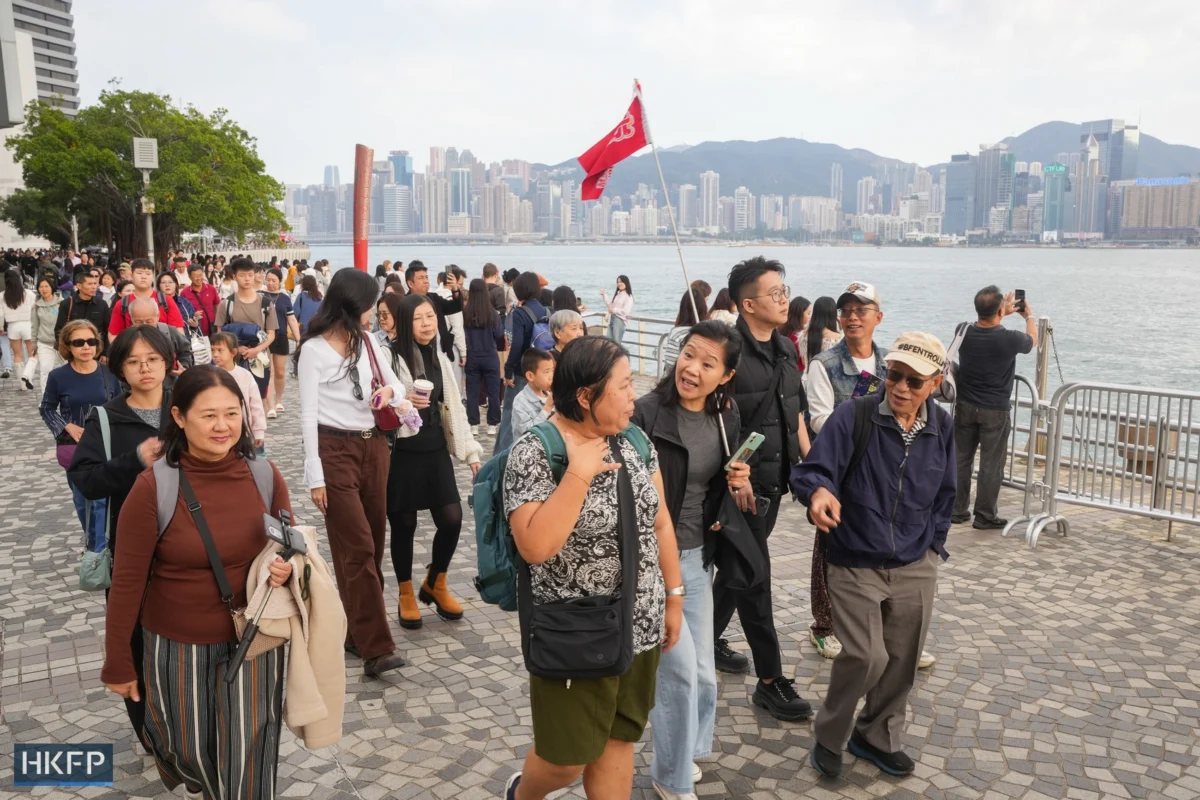
Hong Kong has officially launched its inaugural Five-Year Plan, a comprehensive roadmap designed to steer the city’s development through 2030. This landmark initiative, unveiled by Chief Executive John Lee, marks a significant alignment with China’s national development blueprint, emphasizing economic growth, enhanced international competitiveness, technological advancement, improved social well-being, and deeper integration with the mainland. The plan sets forth 22 key performance indicators, categorized as either "anticipatory" or "binding," reflecting a strategic approach to guiding the city’s trajectory over the next half-decade.
The detailed plan, presented during a lengthy address at the Legislative Council, outlines five overarching goals: achieving economic breakthroughs, sustaining and elevating Hong Kong’s international competitiveness and influence, accelerating the development of the Northern Metropolis, enhancing social welfare, and fully integrating into and serving China’s overall national development. This marks the first time Hong Kong has independently developed such a plan, drawing inspiration from China’s established Soviet-style five-year planning model, which has historically served as a strategic guide for national progress.

The introduction of a formal Five-Year Plan signifies a new chapter in Hong Kong’s governance, moving beyond the annual Policy Address to establish a medium-term vision. This approach mirrors the strategic planning employed by Beijing, aiming to create a more cohesive and directed development path for the Special Administrative Region (SAR). The adoption of a similar evaluation framework for the indicators underscores this commitment to synergy and coordinated progress.
Economic Drivers and Innovation Focus
A central pillar of Hong Kong’s Five-Year Plan is the significant boost to innovation and technology. The plan aims to nearly double the ratio of total domestic expenditure on innovation activities to GDP, targeting an increase from 1.63% in 2024 to 3% by 2030. This ambitious target reflects a strategic shift towards a knowledge-based economy, acknowledging the growing importance of research and development in maintaining global competitiveness. This increase is expected to foster a more robust ecosystem for startups, attract R&D talent, and encourage greater private sector investment in cutting-edge technologies.
Complementing the innovation drive, the plan sets a target to increase the "value added" of the tourism industry by a substantial 40% to 50%. This figure encompasses the direct economic contributions from various sectors such as hospitality, retail, and transportation that cater to visitors. Following periods of disruption, this goal signals a renewed focus on revitalizing Hong Kong’s status as a premier tourist destination. The strategy likely involves diversifying tourism offerings, enhancing visitor experiences, and leveraging Hong Kong’s unique cultural and geographical advantages.

While specific GDP growth targets for the end of the five-year period have not been explicitly stated, the government has committed to proposing annual targets based on prevailing economic conditions. This flexible approach allows for adaptation to evolving global and regional economic landscapes, ensuring that the plan remains responsive to unforeseen challenges and opportunities. The focus on specific sectoral growth and investment in innovation suggests a strategy aimed at fostering sustainable and resilient economic expansion.
Advancing Social Well-being and Public Services
Beyond economic metrics, the Five-Year Plan addresses crucial aspects of social well-being and public services. The education sector is set to see an increase in international engagement, with a target of a 25% rise in non-local students enrolled in full-time post-secondary education programs. The aim is to grow this enrollment from 79,800 in the 2024/25 academic year to 100,000 by 2029/30. This initiative is expected to enhance the diversity of the student population, foster cross-cultural exchange, and potentially boost the international reputation of Hong Kong’s higher education institutions. It also aligns with efforts to position Hong Kong as a global education hub.
The healthcare sector is another key focus, with plans to improve the ratio of doctors to the total population. The target is to increase this ratio from 2.25 doctors per 1,000 people in 2024 to 2.43 per 1,000 people by 2030. This represents a modest but important increase, aimed at alleviating pressure on the healthcare system and ensuring better access to medical services for the growing population. Furthermore, the plan pledges to achieve an "upward trend" in per capita public health expenditure, signaling a commitment to strengthening public health infrastructure and services, although a specific financial target has not been provided. These improvements are classified as "anticipatory" indicators, suggesting a flexible approach to their achievement based on resource availability and evolving needs.

Environmental Sustainability and Urban Development
The Five-Year Plan also incorporates ambitious environmental targets, reflecting a growing global emphasis on sustainability. Four "binding" environmental indicators have been set, underscoring the government’s commitment to a greener future. A significant goal is to increase the share of zero-carbon energy in the fuel mix for electricity generation, raising it from 25% in 2024 to 30% by 2030. This shift is crucial for reducing Hong Kong’s carbon footprint and contributing to global climate change mitigation efforts.
Air quality is another critical area of focus. The plan aims to reduce the average concentration of PM2.5 air pollutant particles from 15 micrograms per cubic metre to below 14 micrograms per cubic metre. This target, while seemingly small, represents a tangible improvement in air quality, with potential benefits for public health, particularly for vulnerable populations. Achieving this will likely require a multi-pronged approach, including stricter emissions controls on vehicles and industrial sources, as well as enhanced measures to manage regional air pollution.
The Northern Metropolis: A Vision for Growth and Integration
A cornerstone of the Five-Year Plan is the accelerated development of the Northern Metropolis, a sprawling project intended to transform a significant land area near Hong Kong’s border with mainland China. This ambitious undertaking aims to create a vibrant new economic and residential hub. To this end, two key "binding" indicators have been established for the Northern Metropolis.

Authorities are striving for a cumulative 750% increase in "spade-ready sites" within the Northern Metropolis over the next five years. "Spade-ready sites" refer to land parcels that have undergone all necessary preparatory work, including land resumption, infrastructure development, and planning approvals, making them immediately available for construction. This aggressive target signifies a determined effort to unlock land for development and accelerate the pace of construction.
Furthermore, the government aims to achieve a remarkable 640% increase in the number of completed housing units within the Northern Metropolis. This ambitious housing target is designed to address Hong Kong’s persistent housing shortage and provide much-needed affordable and mid-range accommodation. The scale of housing development proposed indicates a vision for a significant population increase in the region.
The Northern Metropolis, first proposed in 2021, spans approximately 30,000 hectares. Its strategic location adjacent to Shenzhen positions it as a key area for deepening integration with the Greater Bay Area. The project promises to generate substantial employment opportunities, create a new economic engine for Hong Kong, and foster closer ties with mainland China’s innovation powerhouses. However, the project has also drawn scrutiny. Critics have raised concerns about its considerable cost, estimated at HK$224 billion, its potential environmental impact on sensitive wetland habitats, and the displacement of existing homes and agricultural land. Balancing these concerns with the development imperative will be a critical challenge for the government.

Context and Implications of the Five-Year Plan
The introduction of Hong Kong’s first Five-Year Plan signifies a deliberate move towards a more centralized and strategic approach to governance, closely mirroring the planning methodologies of mainland China. This alignment is part of a broader trend of increasing integration between Hong Kong and the mainland, driven by national development strategies. The plan’s focus on innovation, technology, and economic diversification reflects Hong Kong’s ambition to transition from a service-based economy to one that also excels in high-value manufacturing and research.
The distinction between "anticipatory" and "binding" indicators suggests a tiered approach to goal setting. Binding indicators represent non-negotiable targets, while anticipatory indicators allow for more flexibility, acknowledging that certain outcomes may be influenced by external factors. This nuanced approach could help to manage expectations and ensure the plan’s adaptability.
The success of this Five-Year Plan will depend on several factors, including effective implementation, robust inter-departmental coordination, sustained public and private sector investment, and the ability to navigate complex economic and geopolitical landscapes. The government’s capacity to address public concerns, particularly regarding the environmental and social impacts of large-scale development projects like the Northern Metropolis, will also be crucial for building broad-based support.

As Hong Kong embarks on this new planning era, the outcomes of its Five-Year Plan will be closely watched, not only for their impact on the city’s internal development but also for their implications for its role within China’s broader economic and strategic vision. The plan represents a bold declaration of intent, aiming to reshape Hong Kong’s future through targeted development and strategic alignment.

 Asep Darmawan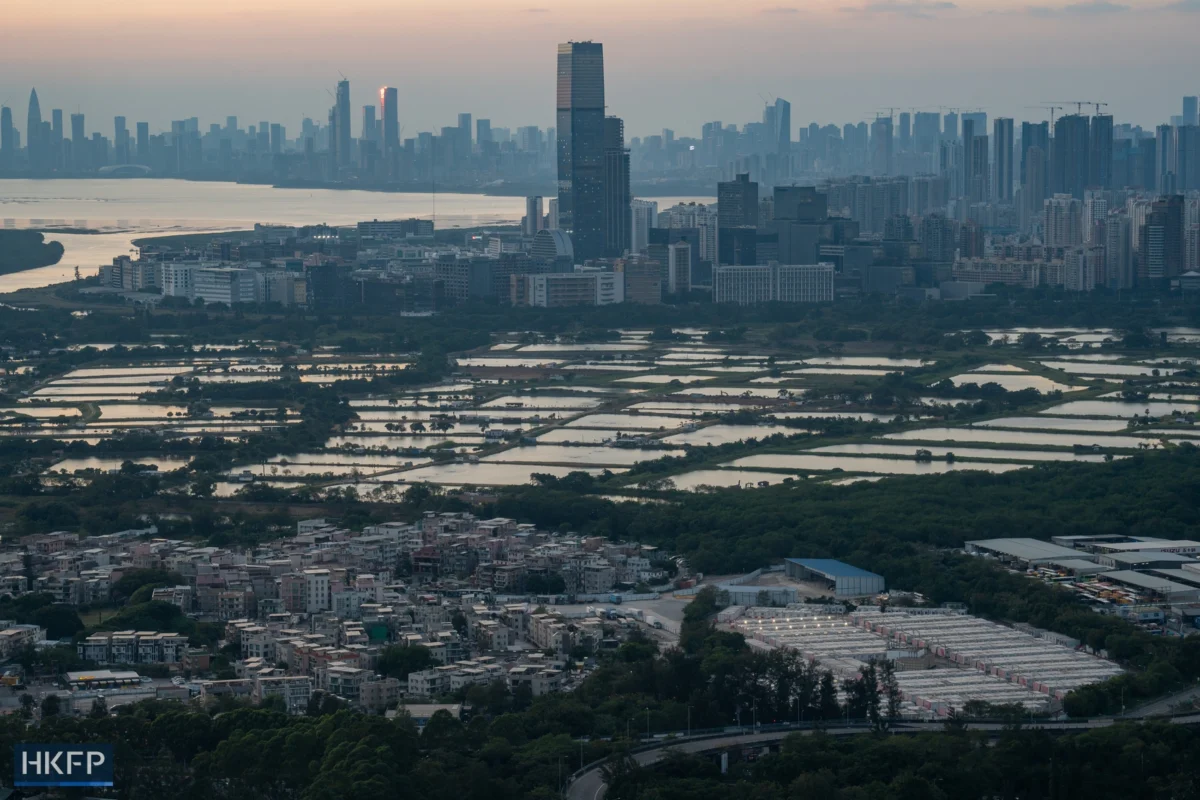
 Lina Hope