Pevita Pearce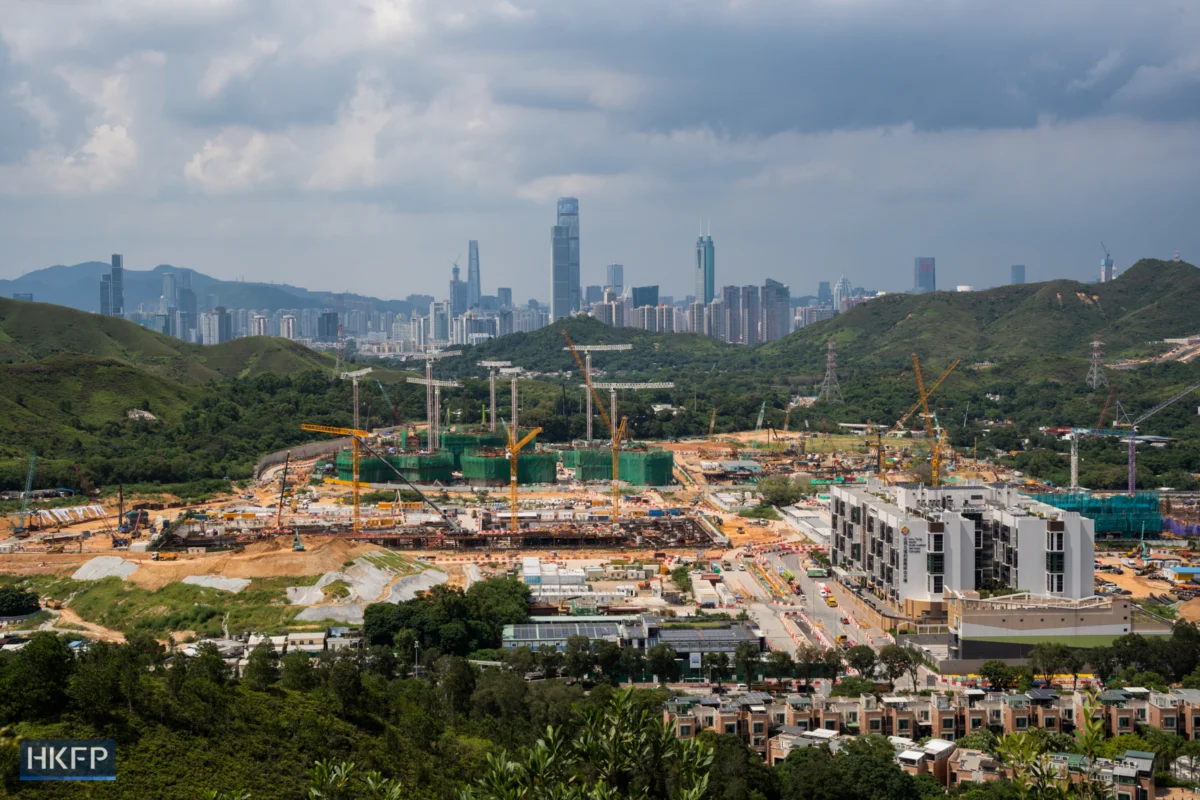
Hong Kong is poised for a significant policy announcement as Chief Executive John Lee prepares to deliver his administration’s final Policy Address and the city’s inaugural Five-Year Plan. Reports indicate that these landmark documents will outline a comprehensive strategy for Hong Kong’s future, encompassing a range of initiatives from boosting the birth rate to accelerating the development of the strategically vital Northern Metropolis. The dual announcement, expected to be a substantial undertaking exceeding 100,000 words and requiring several hours for delivery, signals a period of focused planning and potential transformation for the Special Administrative Region.

During a press conference preceding a meeting with the Executive Council, Chief Executive Lee articulated that the Five-Year Plan would feature "binding and anticipatory" indicators, alongside concrete policies designed for its implementation. He was keen to emphasize that this forward-looking blueprint is not an attempt to steer Hong Kong towards a centrally planned economy. Instead, Lee described it as a strategic roadmap, clarifying the city’s directional priorities and key areas of focus for the coming half-decade. He underscored the government’s role in leading and coordinating resources, coupled with the expectation that all sectors of society will contribute to achieving the plan’s objectives. This commitment to a guided yet market-oriented approach aligns with Lee’s earlier assertions that the policy framework will rigorously uphold Hong Kong’s capitalist system and the "One Country, Two Systems" principle.
The Northern Metropolis development project is expected to be a cornerstone of these policy pronouncements. This ambitious infrastructure undertaking aims to repurpose approximately 30,000 hectares of land in Hong Kong’s northern rural areas, bordering mainland China. The vision is to transform this region into a dynamic technology hub, significantly expanding housing capacity and fostering deeper integration with neighboring Shenzhen. The development is envisioned as a critical engine for economic growth, innovation, and enhanced connectivity within the Greater Bay Area. This initiative represents a long-term commitment to diversifying Hong Kong’s economic landscape beyond its traditional financial services sector.

Expanding the Northern Metropolis: A Vision for Growth and Integration
The Northern Metropolis has been consistently highlighted as a pivotal component of Hong Kong’s inaugural Five-Year Plan. Lee has characterized the plan as a strategic blueprint that will complement the annual Policy Address, providing a more enduring framework for the city’s development trajectory. Recent reports suggest a significant expansion of a planned university town within the Northern Metropolis. According to sources cited by Sing Tao, the planned university town, initially slated for sites in Ngau Tam Mei and the New Territories North New Town, will see its land allocation dramatically increased. The combined area for these two locations is reportedly set to double, accommodating a more robust educational and research infrastructure. A third key site for the university town is situated within the Hung Shui Kiu/Ha Tsuen New Development Area, which is poised to be the vanguard of land development under the broader Northern Metropolis project.
The expansion of these crucial development zones is expected to be supported by a corresponding increase in financial resources. The government’s initial seed capital of HK$10 billion, designated for university campus developments, is reportedly under consideration for an increase. Tim Cheng, Vice-President for Research and Development at the Hong Kong University of Science and Technology, commented on the financial challenges faced by universities, urging the government to provide more substantial early-stage funding to catalyze these vital development projects. This increased investment in higher education infrastructure is seen as crucial for nurturing talent and driving innovation, aligning with Hong Kong’s aspirations to become a global knowledge hub.

Addressing Demographic Challenges: Renewed Focus on Pro-Natalist Policies
In response to Hong Kong’s declining birth rate and an aging population, Lee is expected to unveil a renewed push to encourage childbirth. Reports suggest that the government will enhance existing measures, moving beyond a direct cash handout approach exemplified by Singapore’s policies. Instead, the focus is anticipated to be on a more "targeted and sustainable" strategy, potentially involving more substantial tax incentives and enhanced housing support for families.
The current "baby bonus" scheme, introduced in the 2023 Policy Address, offers a HK$20,000 payout per newborn, along with tax benefits and priority in public rental housing queues. This three-year program is set to conclude next month, necessitating a successor initiative. While the initial scheme saw a temporary increase in births, the trend has since reversed, indicating the need for more comprehensive and effective interventions. Surveys conducted by the Hong Kong Public Opinion Research Institute (PORI) have identified key deterrents to childbirth, including the pressures of the education system, the political environment, and limited living space. Lawmaker Nixie Lam has advocated for a deeper understanding of the considerations and pressures faced by women aged between 25 and 45, suggesting that more tailored policies are needed to address these concerns effectively. The upcoming announcement is expected to reflect a nuanced understanding of these societal challenges, aiming to create a more supportive ecosystem for raising families in Hong Kong.

Enhancing Public Safety: Lessons Learned from Tragic Incidents
The aftermath of the devastating fire at Wang Fuk Court, which claimed 168 lives and displaced thousands, is expected to prompt significant policy shifts aimed at preventing future tragedies. The renovation project at Wang Fuk Court was underway when the fire broke out, highlighting potential systemic failures in oversight and execution. Investigations by the police, the Independent Commission Against Corruption (ICAC), and the Buildings Department have led to charges against the firms responsible for the renovation and their executives, including manslaughter.
An independent committee’s probe into the fire revealed that substandard materials, such as non-flame-retardant scaffolding nets, were approved for use, contributing to the rapid spread of the blaze. The inquiry also uncovered "widespread systemic issues," including allegations of collusive tendering, perfunctory inspections, and unauthorized proxy voting. In response to these findings, consultation sessions for the Policy Address have included strong recommendations for establishing a dedicated body to oversee large-scale renovation works on aging buildings. The proposed entity would aim to professionalize the arrangement of renovation projects, allowing residents, who may lack specialized industry knowledge, to focus on cost considerations while ensuring safety standards are met. This move is crucial for rebuilding public trust and ensuring the safety and integrity of Hong Kong’s aging building stock.

Boosting Tourism: Streamlining Regulations for Outlying Islands
Recognizing the potential of tourism as a key economic driver, the government is reportedly planning to streamline regulations for hostel licenses on outlying islands. This initiative aims to reduce bureaucratic hurdles and encourage the development of the tourism sector, particularly in areas like island-hopping and cruise tourism, which are identified as core components of the Five-Year Plan. The proposed measures would include waiving restrictions imposed by deeds of mutual covenant for buildings three stories or less, potentially opening up new opportunities for accommodation providers.
The Secretary for Culture, Sports and Tourism, Rosanna Law, has expressed optimism about the sector’s growth, projecting that tourism could contribute 5% of the city’s GDP by 2029. Hostel operators on islands such as Cheung Chau have welcomed the proposed deregulation, emphasizing their hope for government subsidies to enhance safety conditions and meet evolving tourism standards. This strategic focus on tourism aims to diversify Hong Kong’s economic base and create new employment opportunities, complementing its established role as a global financial center.

The upcoming Policy Address and the accompanying Five-Year Plan are poised to chart a new course for Hong Kong, addressing critical demographic, developmental, and safety challenges. The breadth and depth of the proposed initiatives underscore the administration’s commitment to shaping a resilient, prosperous, and safe future for the city. The coming months will reveal the full extent of these plans and their potential to redefine Hong Kong’s trajectory in the years ahead.

 Asep Darmawan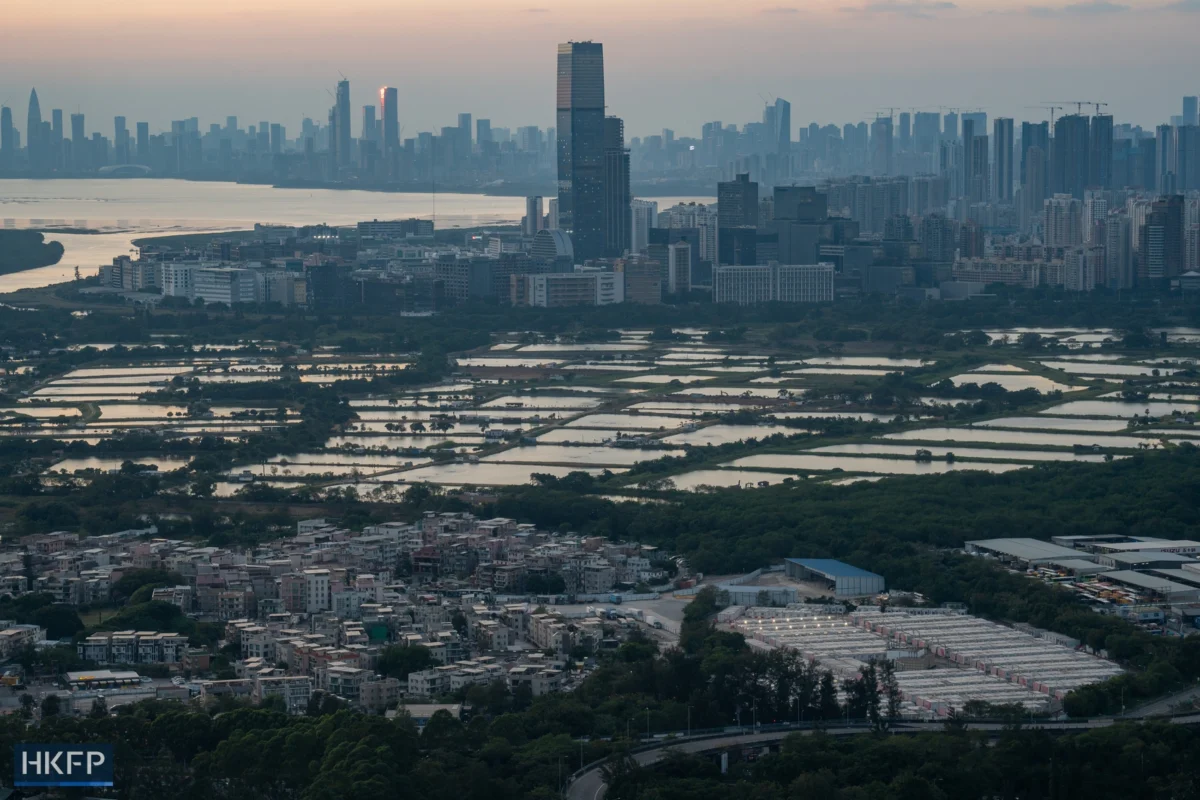
 Lina Hope