Suro Senen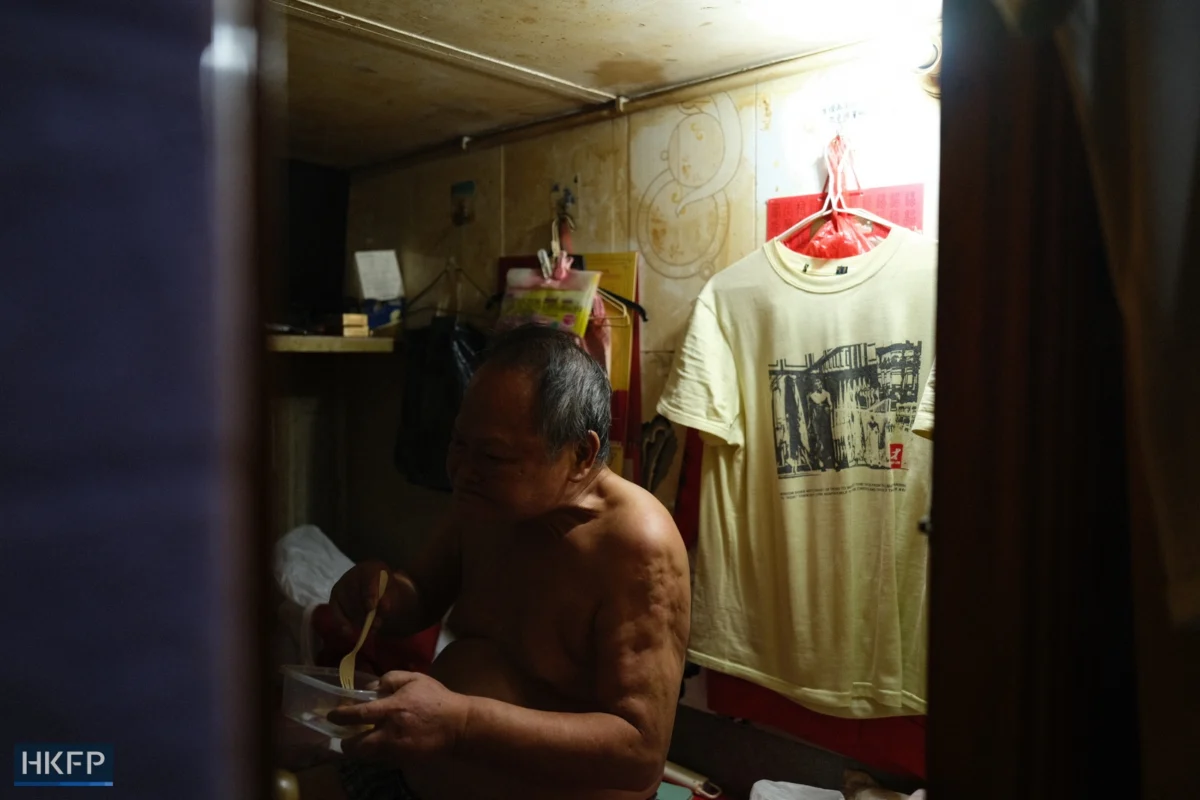
Residents confined to Hong Kong’s notoriously cramped and substandard housing, often referred to as "shoebox" flats and "coffin homes," have endured scorching summer temperatures that felt as extreme as 52 degrees Celsius, according to a recent alarming report by the climate non-governmental organization CarbonCare InnoLab. The findings highlight a severe public health concern, particularly as the city grapples with an increasingly intense climate and its most vulnerable populations bear the brunt of inadequate living conditions.
The NGO’s comprehensive survey, conducted over two months from June 22 to July 12 this year, involved temperature and humidity readings from 86 households. A staggering 80 percent of these residences were classified as inadequate housing, encompassing subdivided flats and the infamous "coffin homes" – minuscule living spaces often no larger than a bed. The data revealed that while ambient temperatures reached a high of 44 degrees Celsius, the "apparent heat" felt by occupants, a measure that accounts for humidity, soared to a dangerous 52 degrees Celsius. This level of heat poses significant risks to human health, exacerbating existing conditions and potentially leading to heatstroke and other life-threatening illnesses.

A Stark Reality of Inadequate Living Conditions
The CarbonCare InnoLab’s report underscores a grim reality for a significant portion of Hong Kong’s population. Subdivided flats, a common feature of the city’s housing landscape, are often created by partitioning larger apartments into smaller units, frequently lacking adequate ventilation, natural light, and essential amenities. "Coffin homes," even more dire, are typically confined spaces, sometimes just a few square meters, where residents sleep in bunk beds stacked within small cubicles. These living arrangements are not only cramped but also inherently poorly insulated, making them death traps during the sweltering summer months.
The study’s findings are particularly concerning given Hong Kong’s recent experience with a severe heatwave. Last Sunday, the city recorded record-breaking temperatures, with Sheung Shui reaching a scorching 39.8 degrees Celsius, while the official Hong Kong Observatory headquarters registered 36.9 degrees Celsius. These external temperatures are amplified within poorly ventilated and insulated homes, creating internal environments that are far more dangerous.

Health Impacts and Growing Concerns
The pervasive heat within these inadequate dwellings has a direct and detrimental impact on the health of their residents. The survey revealed that nearly three-quarters of the surveyed individuals reported feeling unwell due to the heat, experiencing a range of symptoms including headaches, shortness of breath, fatigue, and muscle cramps. Furthermore, a significant 70 percent of respondents indicated that their sleep quality was severely affected by the extreme heat, leading to chronic sleep deprivation and its associated health problems.
The study also provided concrete data on the internal temperatures. The average daytime temperature in these inadequate housing units reached a stifling 29.9 degrees Celsius. Even more alarmingly, nighttime temperatures averaged 29.4 degrees Celsius, consistently exceeding the Hong Kong Observatory’s threshold for a "hot night" – defined as a minimum temperature of 28 degrees Celsius. This continuous exposure to elevated temperatures, day and night, creates an unsustainable and unhealthy living environment.

Calls for Minimum Living Standards and Heat Mitigation
In response to these alarming findings, Kwok Hiu-chung, Senior Programme Manager at CarbonCare InnoLab, has urged the authorities to integrate heat mitigation requirements into upcoming housing reforms. The NGO advocates for the inclusion of standards related to heat insulation, shading, ventilation, and the provision of necessary cooling equipment within the minimum living standards for all housing units.
"Now that the Basic Housing Units Ordinance has come into effect, we hope that heat insulation, shading, ventilation, and necessary cooling equipment will be incorporated into the minimum living standards for basic housing units," Kwok stated during a press conference. He emphasized that such measures would not only ensure residents can maintain a comfortable and healthy indoor environment but also clearly define landlords’ responsibilities for maintaining heat prevention equipment. The NGO also called for government subsidies and energy allowances during the summer months to help alleviate the financial burden of cooling costs for low-income households.

The Basic Housing Units Ordinance: A Step Forward, But Insufficient?
The Basic Housing Units Ordinance, which came into effect in March, aims to establish a baseline for adequate housing by setting minimum standards for subdivided units to be recognized as "basic housing units." These standards include a minimum floor space of 86 square feet, a ceiling height of 2.3 meters, and individual toilets. While these regulations represent a positive step towards improving living conditions, they currently fall short of addressing the critical issue of indoor temperature regulation.
Crucially, the ordinance does not specify a maximum allowable indoor temperature nor does it mandate landlords to provide cooling equipment. While it does stipulate the presence of an openable window in each room of a subdivided unit, this measure is often insufficient to combat extreme heat, especially in densely populated urban environments with limited airflow. The NGO’s findings suggest that these existing regulations, while important, need to be augmented with specific provisions for thermal comfort and health.

Broader Implications and the Future of Housing in Hong Kong
The CarbonCare InnoLab’s report arrives at a critical juncture for Hong Kong, a city renowned for its high population density and escalating housing crisis. The stark contrast between luxurious high-rise apartments and the squalid conditions endured by those in subdivided units and "coffin homes" highlights a deep societal divide. The increasing frequency and intensity of heatwaves due to climate change further exacerbate these inequalities, disproportionately affecting the elderly, children, and individuals with pre-existing health conditions.
The implications of failing to address this issue are far-reaching. Beyond the immediate health risks, prolonged exposure to extreme heat can lead to chronic health problems, reduced productivity, and increased healthcare costs for the government. Furthermore, the inadequate living conditions can perpetuate cycles of poverty and social exclusion, hindering the overall well-being and development of the community.

The NGO’s research provides a timely and crucial reminder that housing policy must evolve to encompass not only basic structural requirements but also the fundamental need for a safe and healthy living environment. As Hong Kong confronts the dual challenges of an intensifying climate and a persistent housing shortage, proactive and comprehensive solutions that prioritize the well-being of all residents are no longer optional, but an urgent necessity. The recommendations put forth by CarbonCare InnoLab offer a clear roadmap for policymakers to consider, ensuring that the pursuit of adequate housing includes the crucial element of thermal comfort and resilience against the growing threat of extreme heat. The future livability of Hong Kong, particularly for its most vulnerable citizens, hinges on the government’s willingness to implement robust measures that go beyond the minimum and safeguard public health in the face of a changing climate.


 Nila Kartika Wati
 Basiran