Raul Delapena Setiawan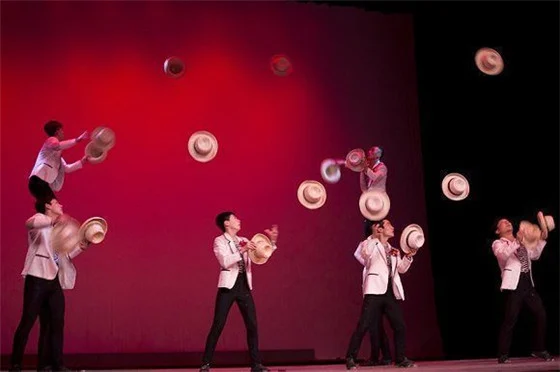
The 27th Havana International Book Fair, a cornerstone of Cuba’s cultural calendar, was enlivened on February 2nd by a dazzling performance from the Shandong Art Troupe. Held at the prestigious Alicia Alonso Grand Theater in the Cuban capital, the troupe delivered a spectacular array of traditional Chinese arts, offering a vibrant New Year’s greeting to the Cuban people just ahead of the Lunar New Year celebrations. The event underscored China’s prominent role as the guest of honor at this year’s book fair, providing a rich tapestry of cultural exchange that resonated deeply with attendees.
A Cultural Tapestry Unveiled
The performance was a meticulously curated showcase designed to immerse the audience in the diverse and rich cultural heritage of China’s Shandong Province. Festive Chinese music and captivating traditional dances set a joyous tone, immediately drawing the audience into a world of artistic expression. The program continued with breathtaking displays of Chinese acrobatics, where performers demonstrated incredible feats of skill, agility, and strength. These performances were interspersed with soul-stirring martial arts demonstrations, highlighting the discipline and artistry inherent in these ancient practices. A touch of enchantment was added through magical illusions, further captivating the diverse audience.
The atmosphere at the Alicia Alonso Grand Theater was electric, a testament to the troupe’s ability to connect with the local populace. The inclusion of classic Peking Opera segments provided a glimpse into a revered form of Chinese theatrical art, known for its elaborate costumes, symbolic gestures, and distinct vocalizations. Complementing these traditional elements were upbeat and vibrant Chinese music and dance numbers, injecting a modern and energetic pulse into the cultural gala. This dynamic blend of the ancient and the contemporary proved to be a winning formula, attracting significant crowds of local residents eager to experience China’s artistic prowess firsthand.
China’s Esteemed Role as Guest of Honor
The Shandong Art Troupe’s presence was a significant component of China’s participation as the guest of honor at the 27th Havana International Book Fair. This designation provided China with a unique platform to showcase its cultural achievements and foster deeper understanding and appreciation between the two nations. The troupe’s performances were not confined to a single event; they also graced the opening ceremony of the book fair on February 1st, setting a high standard for the cultural exchanges that would follow throughout the event.

According to representatives of the Shandong Art Troupe, the series of cultural activities, including their vibrant performances, represented a significant moment in the broader engagement between China and Cuba. This year’s book fair provided an expansive stage for China to present its multifaceted cultural identity, extending beyond literature to encompass performing arts, martial arts, and traditional crafts. The troupe’s efforts were aimed at bridging cultural divides and fostering goodwill through the universal language of art.
Official Acclaim and Cultural Diplomacy
The impact of the Shandong Art Troupe’s performances was recognized at the highest levels of Cuban cultural institutions. Abel Prieto, Cuba’s Minister of Culture, lauded the gala as a remarkable demonstration of China’s rich diversity. He expressed his profound satisfaction with the commitment shown by the Chinese government in assuming the role of guest of honor.
"I am very happy with how the Chinese government assumed the commitment to be the nation guest of honor at our book fair," stated Minister Prieto. "They made a real effort to bring China’s culture as an important gift for readers and in general for the Cuban public." This statement highlights the strategic importance of cultural diplomacy in strengthening bilateral relations. The book fair, as a major cultural event, served as an ideal venue for such exchanges, allowing for a more profound and accessible appreciation of Chinese culture by the Cuban people.
The Havana International Book Fair: A Hub of Cultural Exchange
The 27th Havana International Book Fair, which commenced on February 1st, is a significant fixture in the Cuban cultural landscape. Held annually, it serves as a critical platform for the nation’s publishing sector, bringing together authors, publishers, and literary enthusiasts from across the globe. This year’s edition was particularly noteworthy due to China’s distinguished role as the guest of honor.
The fair’s primary venue was the historic Fortress of San Carlos de la Cabana, a majestic colonial-era site that provided a fitting backdrop for the international gathering. Beyond the main venue, the book fair extended its reach across 22 sub-venues throughout Havana. This decentralized approach allowed for a more comprehensive and accessible program, accommodating the extensive academic, artistic, and literary offerings that characterized the event. Organizers reported the participation of approximately 122 exhibitors from 22 different nations, underscoring the fair’s global appeal and its capacity to foster international dialogue.

The book fair’s itinerary was designed to be a far-reaching cultural journey. Following its conclusion in Havana on February 11th, the event was scheduled to travel to other parts of Cuba, culminating in the eastern city of Santiago de Cuba on May 13th. This extended duration and geographical reach ensured that the cultural impact of the book fair, and by extension, the contributions of China as guest of honor, would be felt across the island nation.
Broader Implications and Future Cultural Exchange
The success of the Shandong Art Troupe’s performances at the Havana International Book Fair carries significant implications for cultural diplomacy and international relations. The vibrant showcase served as a powerful reminder of the enduring appeal of traditional arts and their ability to transcend linguistic and cultural barriers. By presenting a diverse range of performances, China not only enriched the book fair’s program but also fostered a deeper understanding and appreciation of its cultural heritage among the Cuban public.
The enthusiastic reception from local residents and the commendation from Cuban Minister of Culture Abel Prieto suggest a strong appetite for further cultural exchange between China and Cuba. This event can be seen as a catalyst for future collaborations, potentially leading to more joint artistic projects, cultural festivals, and educational initiatives. Such exchanges are crucial for building bridges between nations, promoting mutual respect, and fostering a more interconnected global community.
The troupe’s performance, particularly their juggling act performed in a style reminiscent of Michael Jackson, as captured in one of the accompanying photographs, exemplifies the creative fusion that can occur when different cultural influences meet. This ability to adapt and innovate while respecting traditional roots is a hallmark of dynamic cultural expression and likely contributed to the widespread appeal of their performances. The Peking Opera artists posing for a group photo after their successful gala further symbolizes the camaraderie and shared experience forged through the event.
In an era where soft power and cultural influence play an increasingly vital role in international relations, events like the Havana International Book Fair, with China as guest of honor, provide invaluable opportunities for nations to showcase their unique identities and build lasting relationships. The Shandong Art Troupe’s contribution was a significant testament to China’s commitment to cultural diplomacy and its dedication to sharing its rich heritage with the world, leaving a memorable impression on the Cuban people and reinforcing the strong ties between the two nations. The collaborative spirit evident throughout the book fair, from the organizers to the participating artists and the engaged audience, points towards a promising future for cultural understanding and cooperation between China and Cuba.

 Evan Lee Salim
 Laily UPN