Laily UPN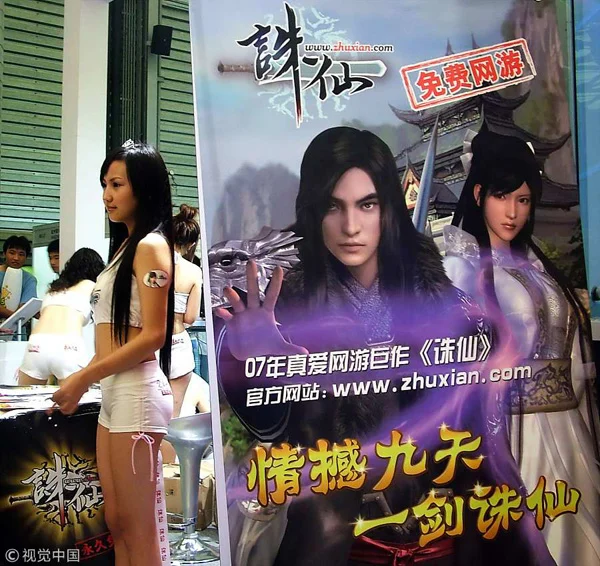
The burgeoning integration of online literature and gaming is ushering in a transformative era for China’s entertainment sector, creating immersive experiences that captivate a new generation of consumers and redefine the landscape of intellectual property utilization. A prime example of this synergy is the mobile game adaptation of "Zhu Xian," also known as "Jade Dynasty," a widely popular supernatural novel that has resonated deeply with readers across the nation. This transition from static text to dynamic digital worlds signifies a significant advancement in how intellectual property (IP) is leveraged, extending its reach across a diverse array of industries including film, gaming, animation, and comics.
Zhang Wenxiu, a paralegal residing in Nanjing, Jiangsu province, exemplifies the dedicated fanbase that fuels this trend. His passion for the intricate narratives and compelling characters of "Zhu Xian" led him to eagerly download the mobile game adaptation upon its release last year. "This online game turns a static novel into a dynamic one, with three-dimensional plots and scenery," Zhang commented, highlighting the enhanced immersion that the interactive medium offers. He further elaborated on the profound sense of engagement he experiences, stating, "I can feel a sense of immersion when I play the game, especially since I have read the whole novel before several times." This sentiment underscores the power of well-established IPs to draw in and retain audiences, providing a familiar yet novel experience.
Perfect World Co Ltd, a leading interactive entertainment company, is at the forefront of this IP-driven expansion. The company developed the "Zhu Xian" mobile game, an historical epic that challenges players to ascend to immortality through a series of quests, including the pursuit of access to a mythical fairy castle. This adaptation is more than just a game; it represents a strategic evolution in Perfect World’s business model. Xiao Hong, CEO of Perfect World, articulated this vision, stating, "Online literature has always been an important part of our entertainment strategy, which takes good IP products at its core." This philosophy positions online literature not merely as content, but as a foundational pillar for a comprehensive entertainment ecosystem.
The gaming industry in China has been profoundly reshaped by the rise of online literature. For years, Perfect World has demonstrated a consistent strategy of acquiring and transforming IP rights from stories into engaging games and films. However, their commitment to this sector has deepened, with their online literary platform, Zongheng.com, now standing as the largest of its kind in China. This dual approach – creating games from literature and fostering literary creation itself – allows Perfect World to cultivate a robust pipeline of intellectual property. "We are trying to build a pan-entertainment ecosystem by bringing together worldwide cultural resources," Xiao explained. "We are catering to consumers’ fast-growing needs for entertainment and communication." This ambition reflects a broader industry trend towards cross-media integration and the creation of interconnected entertainment universes.
The synergy between different cultural resources has injected a significant boost into online games adapted from literature. These adaptations go beyond mere digital representations of novels; they often foster vibrant online communities where players can interact, strategize, and form bonds, creating a miniature virtual world within the game. This social dimension adds another layer of appeal, transforming solitary reading experiences into shared digital adventures.
In its selection process for online stories to adapt into games, Perfect World prioritizes works with strong narrative foundations and broad appeal, particularly supernatural sagas. This strategic focus ensures that the source material possesses the inherent qualities – compelling plot, well-developed characters, and rich world-building – that are essential for a successful game adaptation. The success of this approach is reflected in Perfect World’s financial performance. The Beijing-based company reported a significant revenue jump in 2016, with total revenue exceeding 6.16 billion yuan ($932 million), a more than 25.9 percent increase. Of this substantial figure, approximately 4.7 billion yuan was generated from the gaming sector, underscoring the sector’s immense profitability and growth potential.
Perfect World’s commitment to IP diversification is further evidenced by its co-development of "Lie Huo Ru Ge" earlier this year. This kung fu fiction-based game is an adaptation of a popular novel that also spawned a successful television series, demonstrating the company’s ability to navigate and capitalize on multiple media formats derived from a single IP. This multi-pronged approach to IP utilization maximizes the value and reach of original content.
Looking ahead, Xiao Hong has indicated a clear strategic direction for Perfect World: "We will ink more cooperation agreements centered on IP for the gaming sector. We want to produce more new products combining games and comics." This forward-looking statement signals an intent to further deepen the integration of various entertainment formats, with a particular emphasis on the lucrative intersection of games and comics. This strategy aims to tap into the burgeoning demand for interconnected and multi-platform entertainment experiences.
The Evolution of Online Literature and Gaming in China
The symbiotic relationship between online literature and the gaming industry in China is not a recent phenomenon, but rather an evolution that has gained significant momentum in the past decade. The proliferation of internet access and the widespread adoption of smartphones have created a fertile ground for both online reading platforms and mobile gaming. Early forms of this integration often involved simple tie-ins, where games would be loosely based on popular novels. However, as both industries matured, the approach became more sophisticated, focusing on deeper narrative integration, character development, and immersive world-building.
The rise of "web novels" in China, originating from platforms like Qidian.com and subsequently Zongheng.com, created a vast reservoir of original content. These platforms allow authors to publish their works serially, building large and engaged fan bases over time. This direct connection between authors and readers fostered a dynamic feedback loop, allowing for the refinement of stories and the identification of popular themes and genres. It is this pre-existing, passionate audience that makes literary IPs so attractive to game developers.
Key Milestones in IP Integration
Early 2000s: The nascent stages of online gaming in China saw some initial attempts at adapting literary works, often with limited scope and success. These were primarily based on classic Chinese literature or popular fantasy novels.
Mid-to-Late 2000s: The explosion of online literature platforms began to generate a significant volume of new, original content. Companies started recognizing the commercial potential of these vast libraries of stories, particularly those with strong fantasy, martial arts, or supernatural themes.
Early 2010s: The mobile gaming revolution accelerated the integration. Developers realized that well-known novel characters and plotlines could provide an immediate audience and a compelling narrative framework for mobile games, leading to more ambitious adaptations. Perfect World’s engagement with "Zhu Xian" is a prominent example from this period.
Mid-2010s to Present: The concept of "pan-entertainment" or "cross-media integration" became a strategic imperative. Companies like Perfect World began to view IPs not just as sources for single products, but as cornerstones for entire entertainment ecosystems encompassing games, films, TV shows, animation, and merchandise. The success of "Zhu Xian" in multiple formats exemplifies this holistic approach. The focus shifted from simple adaptation to creating interconnected narratives and shared universes that could engage consumers across various platforms.
Supporting Data and Industry Trends
The growth of China’s digital entertainment market is staggering, with online gaming and online literature being two of its most dynamic sectors.
- Online Gaming Market Size: China’s online gaming market has consistently been one of the largest globally. In 2022, the market size was estimated to be around 260 billion yuan, with projections indicating continued growth. Mobile gaming constitutes a significant portion of this market, driven by accessibility and engaging gameplay. (Source: Statista, various industry reports)
- Online Literature Market Size: The online literature market in China has also experienced exponential growth. Reports indicate that the market size reached over 40 billion yuan in 2022, with a substantial user base of hundreds of millions of readers. (Source: iResearch, various industry reports)
- IP-Based Game Revenue: While specific figures for IP-based game revenue are often proprietary, industry analysts consistently point to a strong correlation between successful IP adaptations and higher revenue generation. Games derived from popular novels or established franchises often enjoy higher download rates and longer player retention.
- Cross-Media Monetization: The trend towards cross-media integration is a key driver of revenue. A successful novel can spawn a hit game, a popular TV series, and merchandise, creating multiple revenue streams from a single intellectual property. This strategy mitigates risk and maximizes the return on investment for IP holders.
- Consumer Demand: Surveys consistently show that Chinese consumers are increasingly seeking high-quality, immersive entertainment experiences. The desire for familiar characters and engaging storylines, as provided by IP adaptations, plays a crucial role in consumer choice. The "sense of immersion" described by Zhang Wenxiu is a direct reflection of this demand.
Official Responses and Industry Perspectives
The success of adaptations like "Zhu Xian" has garnered positive attention from industry leaders and policymakers. The Chinese government has actively promoted the development of its cultural industries, recognizing the economic and soft power potential of its burgeoning entertainment sector. Initiatives aimed at protecting intellectual property rights and encouraging innovation have been put in place, creating a more favorable environment for IP-driven businesses.
Xiao Hong’s statements reflect a strategic alignment with this national push for cultural industry growth. His vision of a "pan-entertainment ecosystem" is not unique to Perfect World; it is a blueprint being pursued by many major players in China’s digital entertainment landscape. Companies like Tencent, NetEase, and Alibaba are also heavily invested in acquiring and leveraging IP across various media platforms.
Industry analysts generally view this trend positively, seeing it as a sign of the maturity and sophistication of China’s entertainment market. "The integration of online literature and gaming is a natural progression," commented Dr. Li Wei, a media analyst specializing in the Chinese market. "It leverages existing fan bases, reduces development risks, and creates a more compelling and interconnected entertainment experience for consumers. This is a sustainable model for growth."
Broader Impact and Implications
The ongoing integration of online literature and gaming has far-reaching implications for the entertainment industry and beyond:
- Redefining Storytelling: This trend is pushing the boundaries of narrative design. Game developers are increasingly tasked with translating the intricate plots and character arcs of novels into interactive experiences, leading to more story-driven and engaging games. Conversely, the success of games can also inspire new literary works, creating a virtuous cycle.
- Intellectual Property as a Core Asset: The focus on IP highlights its growing importance as a strategic asset. Companies are investing heavily in IP acquisition, development, and management, recognizing that strong IP is the foundation for long-term success in the competitive entertainment landscape.
- Global Expansion Potential: As Chinese online literature and games gain international traction, successful IP adaptations offer a powerful vehicle for cultural export. The global appeal of genres like fantasy and martial arts, combined with compelling narratives, positions Chinese entertainment content for wider international reach.
- New Career Opportunities: The rise of this integrated ecosystem has created new career paths for writers, game designers, IP managers, transmedia producers, and digital marketers, contributing to the growth of a skilled creative workforce.
- Consumer Experience Enhancement: For consumers, this integration offers a richer and more immersive entertainment experience. The ability to engage with beloved stories and characters across multiple platforms fosters deeper connections and provides a constant stream of novel content.
The "Zhu Xian" adaptation serves as a potent symbol of this ongoing transformation. It demonstrates how a well-loved literary work can be reimagined and revitalized through the power of interactive technology, captivating a new generation of fans and setting a precedent for the future of entertainment. As China’s digital entertainment sector continues to evolve, the symbiotic relationship between online literature and gaming is poised to remain a central driving force, shaping how stories are told, consumed, and monetized for years to come. The journey from a compelling novel to a dynamic virtual world is no longer an exception, but an increasingly common and successful path in the ever-expanding universe of digital entertainment.

 Asep Darmawan
 Rifan Muazin