Jia Lissa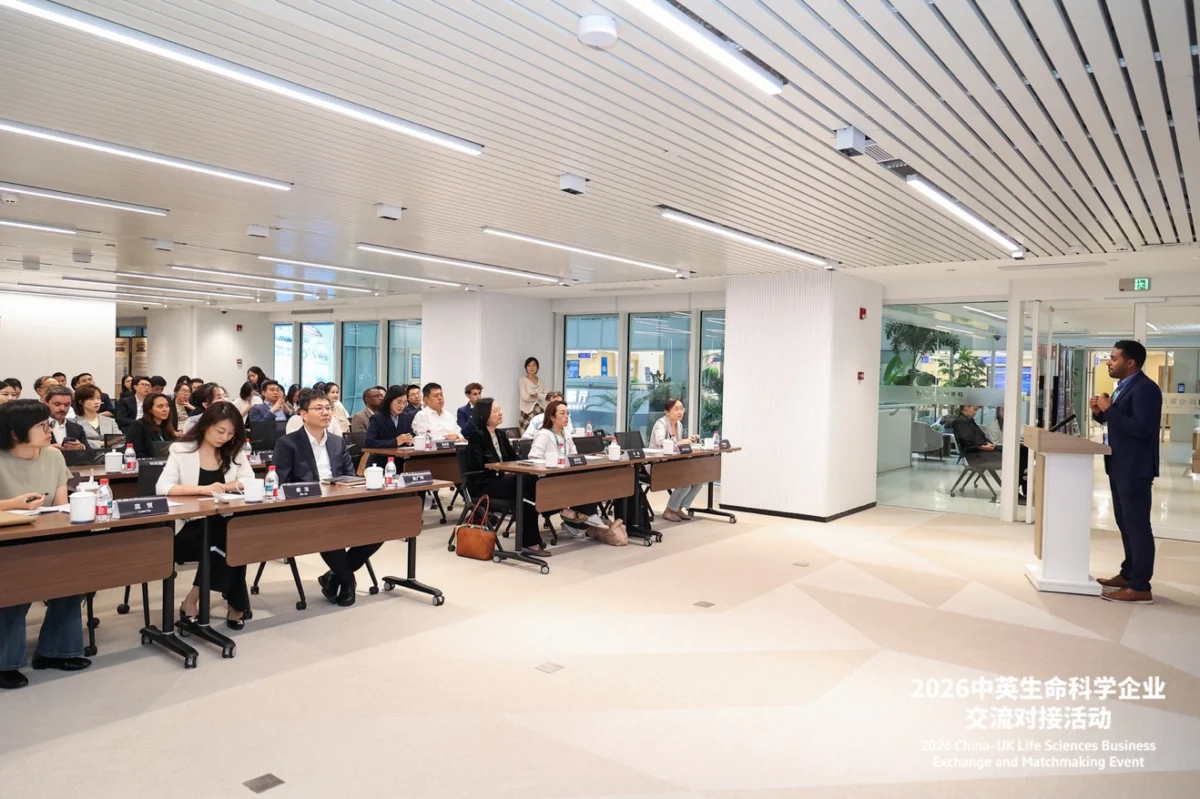
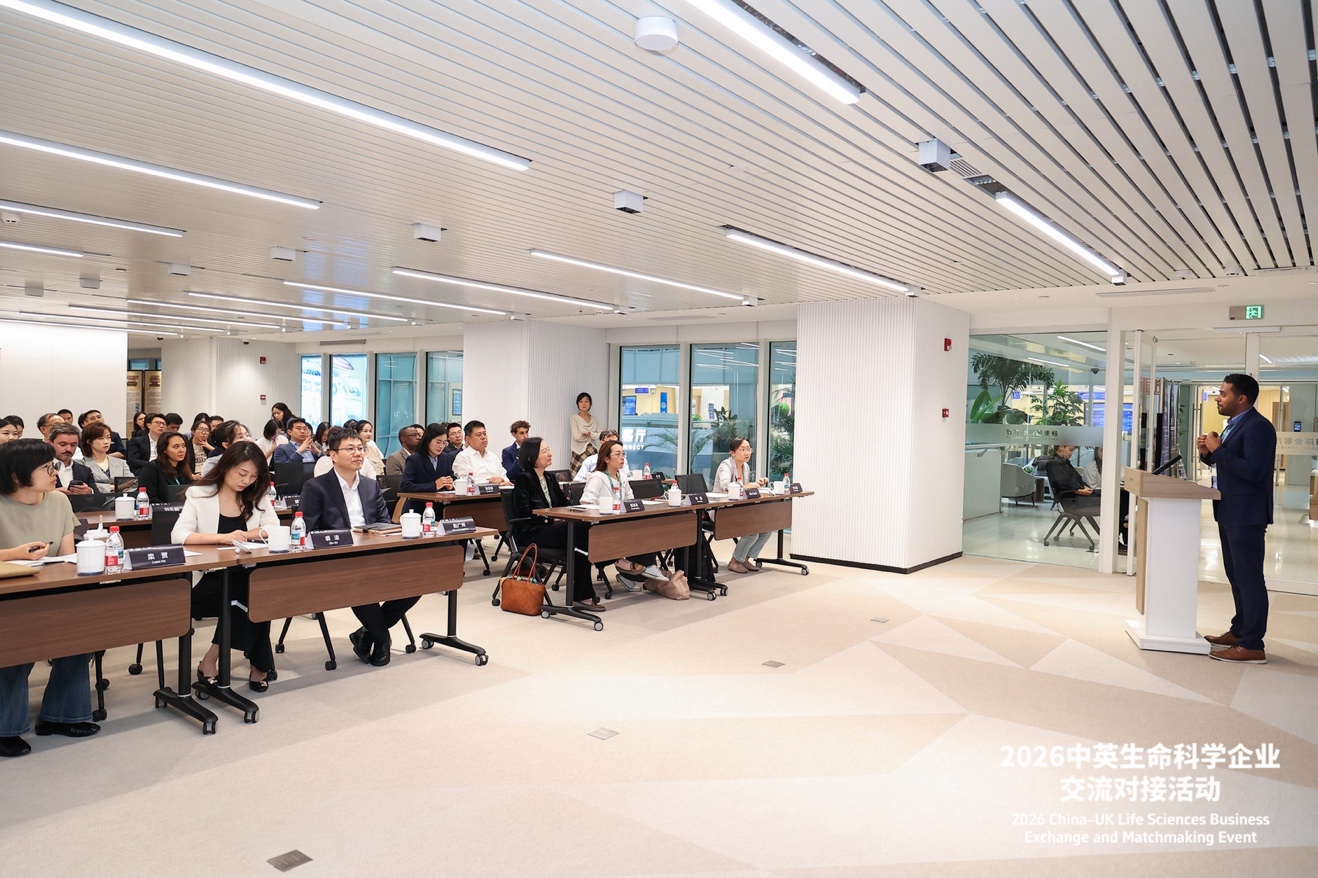
Nine prominent UK life sciences companies recently participated in a targeted business matchmaking event in Shanghai on October 12, marking a significant step in a three-day trade mission organized by London & Partners through its Grow London Global initiative. This focused engagement underscores a concerted effort to foster deeper UK-China cooperation across vital segments of the life sciences sector, encompassing technology research and development (R&D), clinical validation, market expansion, product licensing, and investment facilitation. The mission represents a strategic move to leverage mutual strengths and unlock substantial opportunities in a rapidly evolving global healthcare landscape.
The Shanghai event served as the centerpiece of the delegation’s visit, bringing together leading British innovators with key Chinese pharmaceutical companies, biotech firms, venture capitalists, and healthcare providers. Structured to maximize interaction and potential deal-making, the day included welcome remarks from dignitaries, thematic presentations on emerging trends in life sciences, and detailed company pitches from each of the nine UK delegates. These presentations highlighted groundbreaking technologies and solutions in areas such as novel therapeutics, advanced diagnostics, medical devices, and digital health platforms. Following the formal presentations, a series of pre-arranged one-on-one meetings facilitated direct dialogue between the UK companies and their prospective Chinese partners, allowing for in-depth discussions on collaboration models, market entry strategies, and investment prospects. The atmosphere was described as highly constructive, with both sides demonstrating a keen interest in exploring synergistic opportunities.
The Strategic Imperative for UK-China Life Sciences Collaboration
The impetus behind this trade mission stems from a recognition of the complementary strengths and pressing needs within both the UK and Chinese life sciences ecosystems. For the UK, its life sciences sector is a global powerhouse of innovation, underpinned by world-class universities, a robust R&D infrastructure, and a strong track record in drug discovery and development. Institutions like Oxford, Cambridge, and Imperial College London consistently rank among the top global research hubs, generating a steady stream of cutting-edge intellectual property. However, to translate these innovations into global impact and significant economic return, UK companies require access to larger markets, diverse patient populations for clinical trials, and substantial investment capital. China, with its vast and rapidly expanding healthcare market, presents an undeniable opportunity.
Specifically, UK companies are seeking to leverage China’s capacity for rapid clinical validation due to its large and diverse patient population, which can accelerate drug development timelines. They are also keen to explore manufacturing partnerships that can offer economies of scale and efficient supply chain integration. Direct market access for novel therapeutics and medical devices is another primary objective, given the sheer volume and growing affluence of the Chinese consumer base. Furthermore, attracting Chinese investment capital is crucial for scaling up promising early-stage technologies and expanding research initiatives, while talent exchange programs could foster mutual learning and innovation. The UK’s advanced regulatory frameworks and experience in bringing complex drugs to market also represent valuable expertise that Chinese partners may seek to emulate or collaborate with.
From the Chinese perspective, the engagement with UK life sciences firms aligns perfectly with national strategic priorities, most notably the "Healthy China 2030" initiative. This ambitious plan aims to significantly upgrade the nation’s healthcare system, improve public health outcomes, and reduce reliance on imported medical technologies by fostering domestic innovation. China faces the dual challenge of an aging population and a rising burden of chronic diseases, necessitating advanced treatments and diagnostics. Therefore, access to innovative drugs, advanced medical devices, and cutting-edge R&D expertise from countries like the UK is paramount.
Chinese pharmaceutical and biotech companies are actively seeking R&D partnerships to elevate their domestic capabilities, shorten their own drug discovery cycles, and gain insights into global best practices in clinical development and regulatory affairs. Investment opportunities in local Chinese companies are also being explored by UK firms, while Chinese entities are keen to attract foreign direct investment into their own burgeoning life sciences parks and innovation zones. The mission facilitates crucial knowledge transfer, allowing Chinese firms to learn from the UK’s long-standing experience in commercializing scientific breakthroughs and navigating complex global regulatory environments. This two-way exchange promises to accelerate the modernization of China’s healthcare industry and enhance patient access to advanced therapies.
Market Overview and Supporting Data
The global life sciences market is a colossal and continuously expanding sector, estimated to be valued at over $2 trillion annually, with significant growth projected across pharmaceuticals, biotechnology, medical devices, and diagnostics. China stands as a pivotal growth engine within this global landscape. The Chinese pharmaceutical market alone is the second largest globally, projected to exceed $200 billion in the coming years, driven by increasing healthcare expenditure, an aging demographic, and rising prevalence of non-communicable diseases. The medical device market is also experiencing robust growth, fueled by hospital upgrades and a greater demand for advanced diagnostic and therapeutic tools. Furthermore, China’s biotech sector, particularly in areas like gene therapy, cell therapy, and precision medicine, is rapidly emerging as a global player, attracting substantial domestic and international investment.
The UK’s life sciences sector is a significant contributor to its national economy, generating over £80 billion in annual turnover and employing hundreds of thousands of highly skilled individuals. It is characterized by world-leading academic research, a strong startup ecosystem, and a concentration of global pharmaceutical giants. Investment in UK life sciences has seen consistent growth, making it a highly attractive destination for venture capital and corporate partnerships. Bilateral trade in life sciences products and services between the UK and China has historically been robust, though subject to global economic and political fluctuations. This mission seeks not just to maintain, but to significantly expand, these vital economic linkages by fostering deeper collaborative R&D and investment.
Background and Chronology of UK-China Engagements
The London & Partners-led trade mission to China is not an isolated event but rather fits into a broader chronology of UK-China economic and scientific engagements. For decades, scientific collaboration between the two nations has been a cornerstone of their relationship, often transcending geopolitical shifts. Universities in both countries have long-standing partnerships in research, student exchange, and academic publications. In the mid-2010s, there was a period often referred to as a "Golden Era" for UK-China relations, characterized by increased high-level visits and ambitious economic cooperation agreements. While subsequent geopolitical tensions have introduced complexities, areas like life sciences, climate change, and certain aspects of trade have often remained avenues for constructive engagement due to their universal benefits and shared challenges.
London & Partners, as the Mayor of London’s international trade and investment agency, plays a crucial role in promoting London as a global business hub and supporting London-based companies in their international expansion. Through initiatives like Grow London Global, it provides tailored support, market intelligence, and networking opportunities to help businesses access new markets. This mission is a direct manifestation of that mandate, strategically targeting China as a key market for UK life sciences innovation. Previous missions have explored various sectors, but the focus on life sciences reflects both the sector’s strategic importance to the UK economy and the significant demand within China. The meticulous planning for this mission, including pre-mission briefings and market research, ensured that the participating UK companies were well-prepared to engage with Chinese counterparts and understand the local regulatory and business environment. The choice of Shanghai, a major economic and innovation hub in China, further underscored the mission’s strategic intent.
Official Statements and Reactions
Representatives from London & Partners expressed optimism regarding the mission’s outcomes. A spokesperson stated, "This trade mission represents a vital bridge for UK life sciences innovation to connect with the immense opportunities in China. Our aim is to forge meaningful partnerships that not only drive economic growth for London-based companies but also contribute to global health advancements. The enthusiasm and concrete discussions witnessed in Shanghai affirm the strong appetite for collaboration from both sides."
From the UK government’s perspective, a statement from the Department for Business and Trade highlighted the importance of such initiatives in supporting UK businesses on the global stage. "The UK’s life sciences sector is a jewel in our economic crown. Facilitating international trade missions like this one to China is essential for our companies to access new markets, secure investment, and ultimately bring life-saving innovations to patients worldwide. We are committed to fostering an environment where our pioneering companies can thrive globally."
Chinese officials and industry leaders echoed sentiments of welcoming collaboration. A representative from the Shanghai Municipal Commission of Commerce reportedly commented, "Shanghai is committed to building a world-class innovation ecosystem, and international collaboration is a cornerstone of this vision. We warmly welcome UK life sciences companies to explore partnerships, invest in our burgeoning biotech hubs, and contribute to the health and well-being of the Chinese people. The exchange of knowledge and technology with leading nations like the UK is invaluable for our healthcare modernization goals."

Feedback from the participating UK companies was overwhelmingly positive. Dr. Eleanor Vance, CEO of a diagnostics firm on the mission, remarked, "The direct engagement afforded by this mission has been invaluable. We’ve had discussions that would typically take months to arrange through virtual channels. The potential for clinical trials and market entry here is immense, and we’ve identified several promising leads for partnership." Another CEO from a therapeutic development company added, "China is more than just a market; it’s a critical partner for R&D and manufacturing scale. This mission has laid solid groundwork for future collaborative ventures."
Challenges and Opportunities Ahead
While the potential for UK-China life sciences collaboration is vast, both sides acknowledge inherent challenges. Navigating China’s complex regulatory landscape, which can differ significantly from Western markets, requires careful planning and local expertise. Intellectual property protection remains a perennial concern for foreign companies, though China has made strides in strengthening its IP laws. Market competition within China is also intense, with a growing number of highly capable domestic players. Furthermore, the broader geopolitical climate, though often bypassed by scientific and commercial cooperation, can introduce an element of uncertainty.
Despite these hurdles, the opportunities largely outweigh the risks. The sheer scale of China’s healthcare needs and its commitment to innovation offer unparalleled market access and collaboration potential. Collaborative R&D could lead to globally impactful breakthroughs, leveraging the UK’s foundational research strengths and China’s rapid development and manufacturing capabilities. Mutual learning can accelerate progress in areas like personalized medicine, AI-driven drug discovery, and digital health solutions, benefiting patient populations in both countries and globally. The mission has underscored that by focusing on shared goals of improving health outcomes, the UK and China can build resilient and mutually beneficial partnerships.
The Path Forward: Implications and Future Outlook
This London & Partners trade mission signifies a pragmatic and strategic approach to international engagement, prioritizing areas of mutual benefit amidst a complex global environment. It establishes a template for future sector-specific delegations, demonstrating that focused economic and scientific cooperation can continue to thrive. The immediate implication is the potential for new commercial agreements, licensing deals, and investment flows between the UK and China, which will support job creation and innovation in both economies.
In the long term, sustained engagement through such missions can cement the UK’s position as a preferred partner for advanced life sciences collaboration in China, and vice-versa. It can foster a deeper understanding of each other’s regulatory frameworks, market dynamics, and cultural nuances, paving the way for more seamless future collaborations. Ultimately, by connecting cutting-edge UK innovation with China’s vast market and growing R&D prowess, such initiatives contribute not only to economic prosperity but also to the advancement of global health, bringing novel treatments and technologies closer to patients who need them most. The success of this mission will undoubtedly pave the way for further engagements, building on the foundation of trust and shared ambition laid in Shanghai.


 Basiran
 Layla Zulfa