Muslim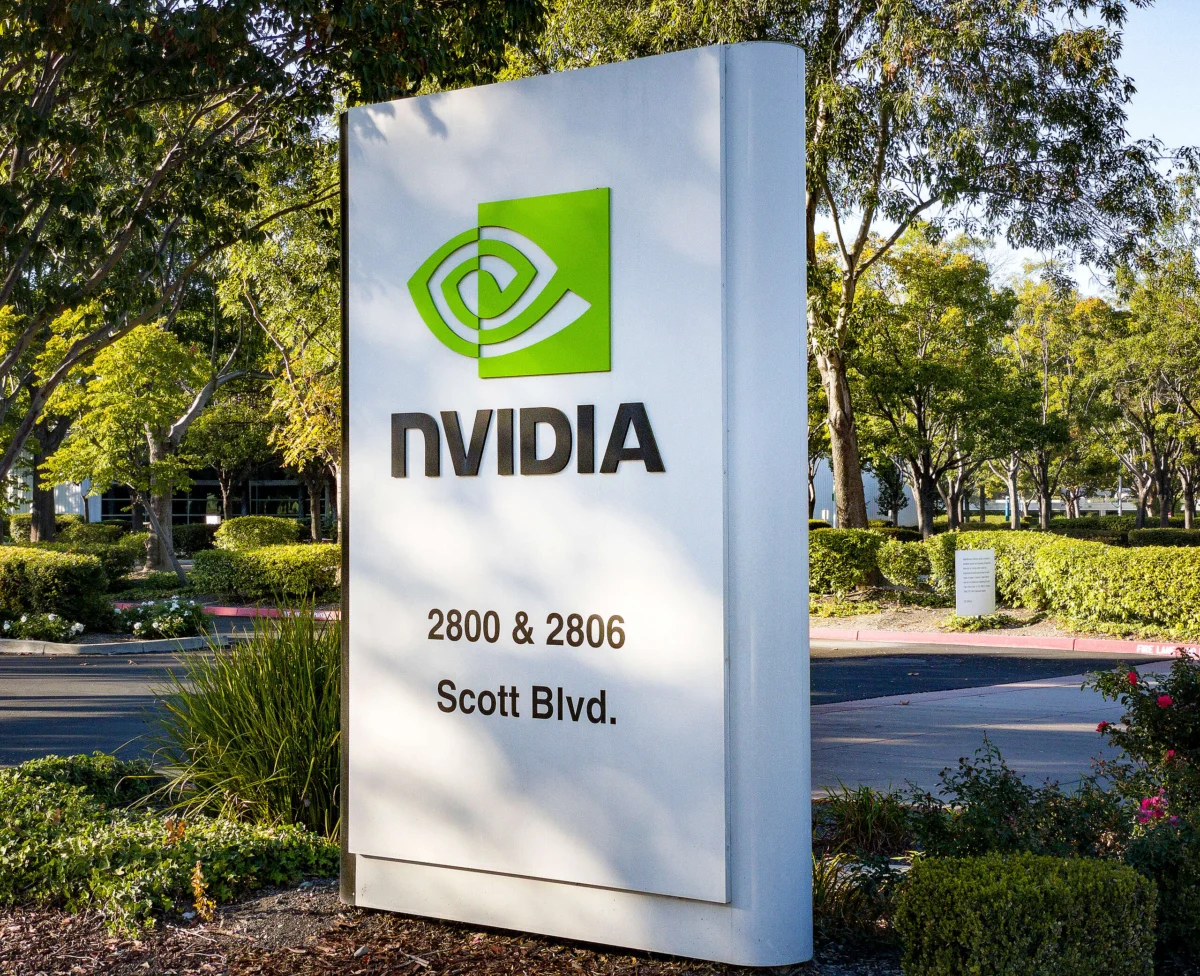
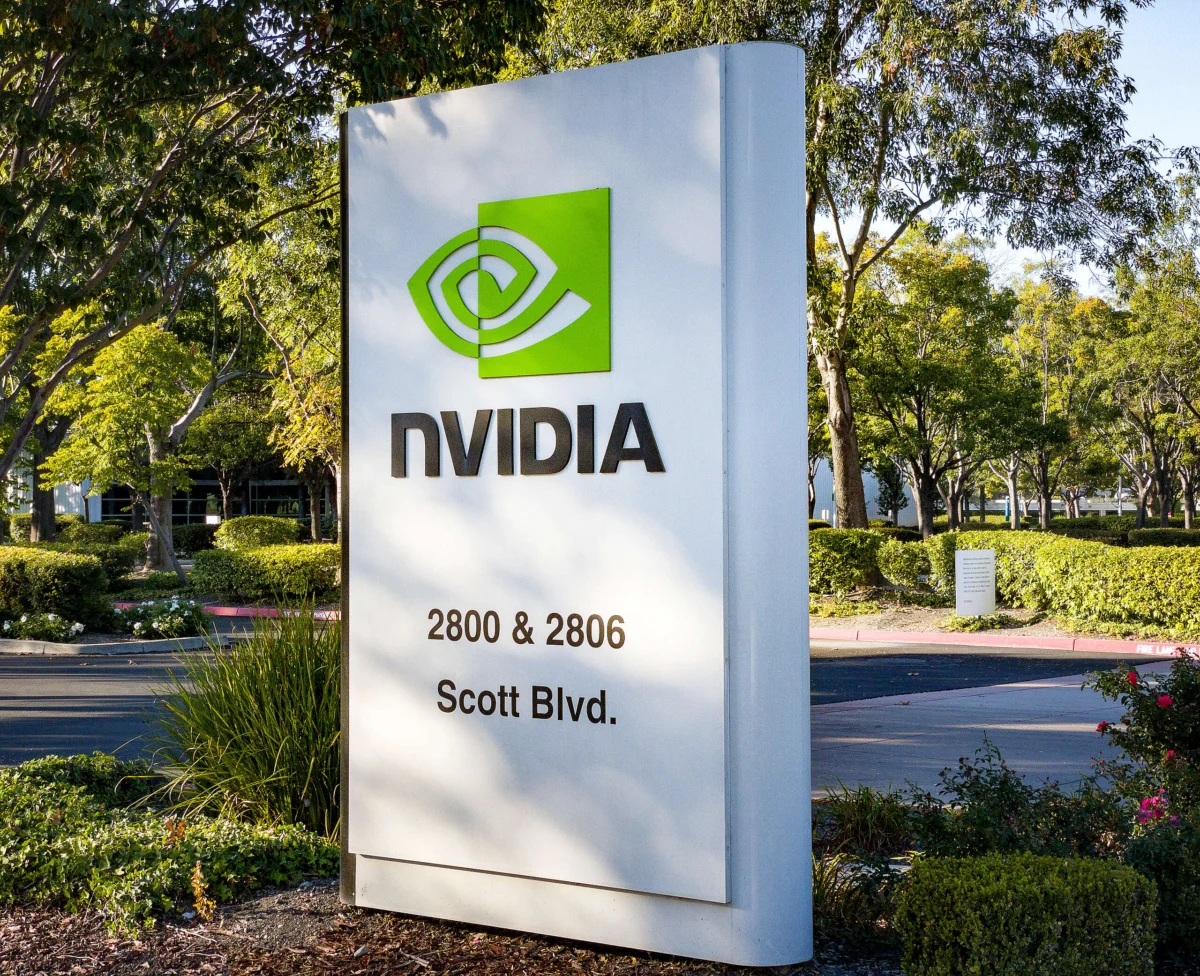
NVIDIA’s Fiscal Year 2026 Sustainability Report reveals a stark increase in its Scope 3 greenhouse gas emissions, which have nearly tripled from 3,638,432 metric tons of carbon dioxide equivalent (MT CO2e) in FY2024 to 10,700,940 MT CO2e in FY2026. This substantial surge, equivalent to the annual emissions of a medium-sized country like Lebanon, highlights the growing environmental footprint of the artificial intelligence hardware giant, primarily driven by emissions from its extensive global supply chain.
The Escalating Impact of Upstream Emissions
The report indicates that the primary driver behind this dramatic rise in Scope 3 emissions is the upstream segment of NVIDIA’s value chain. This encompasses the production of components, raw materials, and the manufacturing services essential for the creation of its cutting-edge GPUs and AI systems. As a fabless technology company, NVIDIA relies heavily on third-party manufacturers, effectively shifting a significant portion of its environmental burden to its manufacturing hubs, particularly in Taiwan and South Korea. These regions are home to hundreds of NVIDIA’s crucial ecosystem partners, including leading semiconductor manufacturers.
Scope 3 emissions, which represent indirect emissions occurring in a company’s value chain, now constitute over 99% of NVIDIA’s total carbon emissions. This underscores the critical importance of addressing supply chain sustainability for the company’s overall environmental performance.
Greenpeace East Asia’s Scrutiny and Call for Action
Environmental organizations have voiced significant concern over NVIDIA’s escalating emissions and its approach to supply chain decarbonization. Rachel Yu, Climate and Energy Campaigner at Greenpeace East Asia, noted that while NVIDIA CEO Jensen Huang has acknowledged the energy challenges inherent in AI and pointed to renewable energy as a solution, concrete actions within the supply chain appear to be lacking.
"Jensen Huang reiterated in the sustainability report that AI is a ‘five-layer cake’ with energy being the foundation. He admitted that ‘the energy challenge is real. It’s solvable,’ and pointed to renewable energy as a key part of the solution," Yu stated. "However, NVIDIA’s foundry suppliers in East Asia are heavily relying on fossil fuels. From what the company has reported to date, we have yet to find any evidence of NVIDIA making renewable energy investments in its supply chain."
Greenpeace East Asia’s analysis, based on previous research and the latest CDP questionnaire responses from NVIDIA’s top East Asian manufacturing suppliers as of March 2026, revealed that only approximately 24.09% of the electricity consumed by these entities was sourced from renewable energy. This figure is significantly lower than what would be expected from a company at the forefront of technological innovation.
Lagging Behind Peers in Supply Chain Decarbonization
Further compounding these concerns, Greenpeace’s prior research has indicated that NVIDIA is lagging behind its industrial peers in efforts to decarbonize its supply chain. While other major technology companies, such as Google, are actively supporting their East Asian suppliers in transitioning to renewable energy sources through initiatives like Power Purchase Agreements (PPAs) and direct investments in renewable electricity infrastructure, NVIDIA’s latest sustainability report did not detail similar concrete efforts.
The lack of disclosed initiatives to support supplier transitions is particularly noteworthy given NVIDIA’s position in the global technology landscape and the rapid growth of AI. The report’s silence on such measures contrasts with the company’s acknowledgment of the energy-intensive nature of AI development.
A History of Engagement and Urgent Need for Transparency
This is not the first time Greenpeace East Asia has engaged with NVIDIA on these issues. Activists confronted NVIDIA CEO Jensen Huang in Taipei last month, urging him to prioritize supply chain decarbonization. Huang reportedly acknowledged the importance of investing in renewable energy with its suppliers during this encounter.
"When confronted by Greenpeace East Asia activists in Taipei last month, Jensen Huang acknowledged the importance of investing in renewable energy with its suppliers," Yu commented. "With NVIDIA’s supply chain emissions almost tripling, the case for immediate, concrete action to decarbonize its manufacturing supply chain is urgent. It needs to start with setting clear, time-bound renewable energy targets for its supply chain in East Asia."
Greenpeace East Asia has outlined specific demands for NVIDIA, emphasizing the need for clear commitments and actionable strategies to address its supply chain’s environmental impact. These demands, while not detailed in the provided snippet, are understood to include setting ambitious renewable energy targets for suppliers, increasing transparency in reporting, and actively facilitating the transition to clean energy within its manufacturing ecosystem.
Supporting Data and Context
Scope 3 Emissions Growth:
- FY2024: 3,638,432 MT CO2e
- FY2026: 10,700,940 MT CO2e
- Increase: Approximately 194%
Comparison to National Emissions:
- Lebanon’s estimated annual GHG emissions in 2024 were 11,004,120 tons (Worldometer data). NVIDIA’s FY2026 Scope 3 emissions are nearly equivalent to this.
Geographic Concentration of Suppliers:
- Taiwan: Hosts over 500 NVIDIA ecosystem partners, producing over 1 million rack components for NVIDIA Vera Rubin infrastructure.
- South Korea: Home to key memory chip suppliers like SK Hynix and Samsung Electronics, both critical to NVIDIA’s AI hardware production.
Renewable Energy Penetration in Supply Chain:
- A Greenpeace East Asia analysis of top 20 manufacturing suppliers in East Asia revealed a renewable electricity ratio of only 24.09% as of March 2026.
Broader Implications for the Tech Industry and AI Development
The substantial increase in NVIDIA’s Scope 3 emissions raises critical questions about the environmental sustainability of the rapidly expanding AI industry. As AI technologies become more pervasive and demand for high-performance computing hardware intensifies, the energy consumption and carbon footprint associated with their production will only grow.
NVIDIA’s role as a primary supplier of the GPUs that power AI development means its supply chain practices have a ripple effect across the entire sector. The company’s ability to address its Scope 3 emissions will be a key indicator of the broader industry’s commitment to environmental responsibility.
The current reliance on fossil fuel-based energy sources in key manufacturing regions like Taiwan and South Korea, coupled with the lack of reported investment in renewable energy for these supply chains, presents a significant challenge. This situation could also lead to increased scrutiny from investors, regulators, and consumers who are increasingly demanding sustainable business practices from corporations.
The situation highlights a broader trend where the environmental impact of technology products is increasingly shifting to the manufacturing phase, making supply chain transparency and decarbonization efforts paramount for companies aiming for genuine sustainability. As the AI revolution continues to accelerate, the industry faces an urgent imperative to balance technological innovation with environmental stewardship, ensuring that the foundation of this "five-layer cake" is built on clean and sustainable energy.
Media Contact:
Yujie Xue, International Communications Officer, Greenpeace East Asia, [email protected]


 Basiran