 Layla Zulfa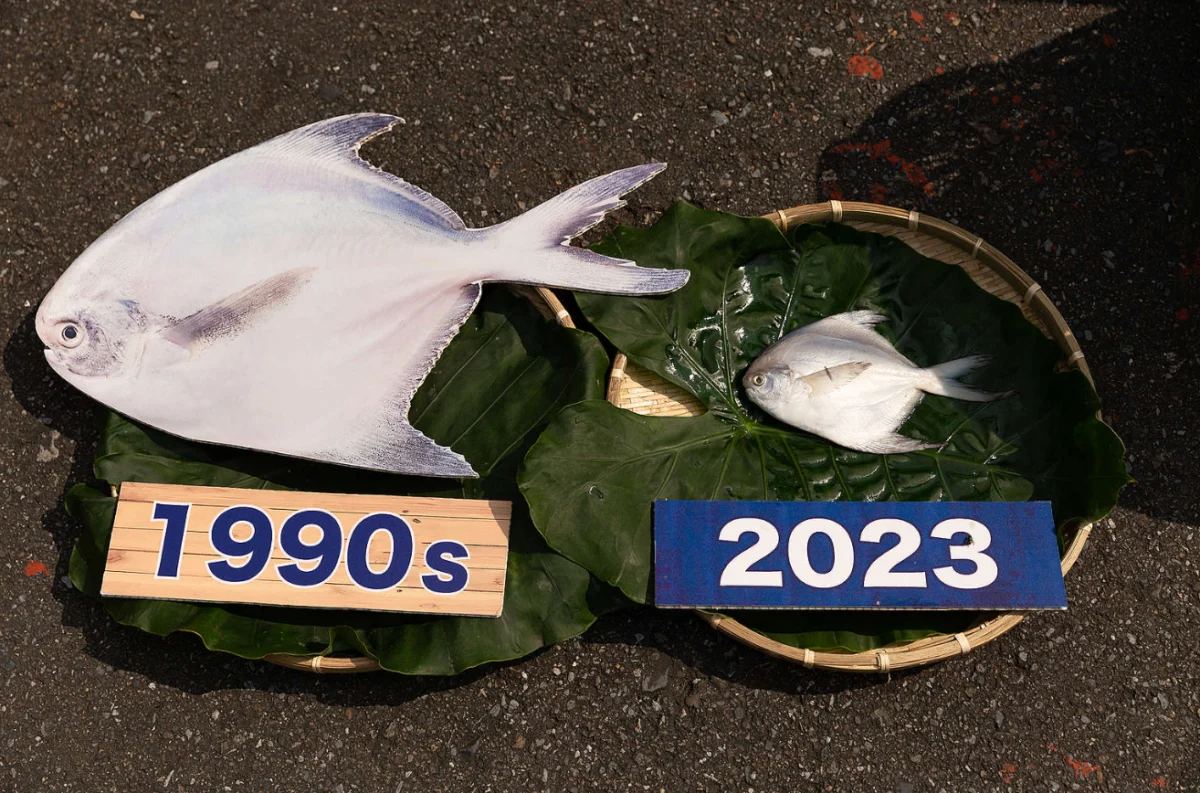
Taiwan, an island nation intrinsically linked to the sea, boasts an extraordinary marine biodiversity, home to over 3,000 recorded fish species, representing a tenth of the global total. This rich underwater world, however, faces a dual threat: the depletion of coastal fish stocks due to overfishing and the often-overlooked human rights issues faced by distant-water fishing crews. In response, a dedicated group of citizen scientists has emerged, bridging the gap between scientific data collection and public awareness, demonstrating that individual action can forge significant pathways toward ocean conservation.
The urgency of protecting our oceans is palpable, extending far beyond visible efforts like beach cleanups or selective seafood consumption. Beneath the waves, complex ecological systems are under immense pressure. Recognizing this, a collective of volunteers in 2025 embarked on a mission to delve deeper, appearing at pre-dawn fishing ports in Daxi, Yilan, and engaging the public at educational booths across Taichung, underscoring a proactive approach to marine stewardship. This initiative, spearheaded by Greenpeace, highlights the critical need for both on-the-ground data collection and widespread public education to address the multifaceted challenges confronting Taiwan’s marine environment.

Dual Challenges: Coastal Overfishing and Distant-Water Labor Rights
The vibrant marine ecosystems surrounding Taiwan, a testament to the island’s unique geography, are under siege. Decades of intensive fishing practices, coupled with habitat degradation, insufficient fisheries management, and the escalating impacts of climate change—including coral bleaching and ocean acidification—are systematically eroding these once-thriving underwater realms. The consequences are stark: a noticeable decline in fish populations and a shift towards smaller, younger fish being brought to market, signaling a critical imbalance in the marine food web.
Parallel to these ecological concerns are the profound human rights issues plaguing the distant-water fishing sector. Migrant workers, who form a crucial part of the global fishing industry, often endure arduous and exploitative conditions. Reports of insufficient living wages, long working hours without adequate rest, unsafe working environments, and restricted access to basic necessities paint a grim picture of life at sea. These distant-water operations, while contributing to global seafood supply chains, are frequently characterized by a lack of transparency and accountability, making the plight of these workers a significant, yet often marginalized, aspect of marine conservation efforts.
The Citizen Scientist Fish Survey Project: Quantifying the Decline
In 2023, Greenpeace launched the "Citizen Scientist Fish Survey Project," a groundbreaking initiative aimed at systematically collecting data on fish species and their lengths directly from fishing ports. This project provides crucial empirical evidence to inform marine policy and conservation strategies. In a significant advancement, Greenpeace collaborated with Associate Professor He Xuanqing from the Department of Aquaculture at National Kaohsiung University of Science and Technology, and Associate Professor Xu Weiyuan from the Department of Computer Science and Information Engineering and the Department of Environmental Biology and Fisheries Science at National Taiwan Ocean University. This partnership integrated artificial intelligence (AI) with the efforts of trained citizen scientists, marking the first time such a combined approach was used in Taiwan to gather data on the body lengths of commonly found coastal fish species and to investigate the links between these measurements and overfishing.

Now in its fourth year, the project has engaged over 35 dedicated volunteer citizen scientists. These volunteers play a pivotal role in documenting the health of Taiwan’s fish populations. Their responsibilities are divided into two key categories: "fishing port survey volunteers" and "fish labeling volunteers."
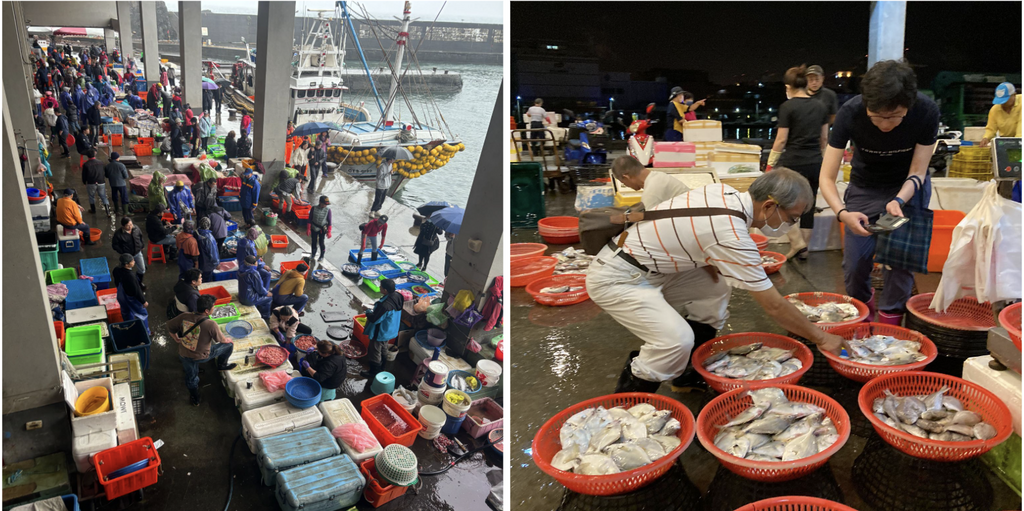
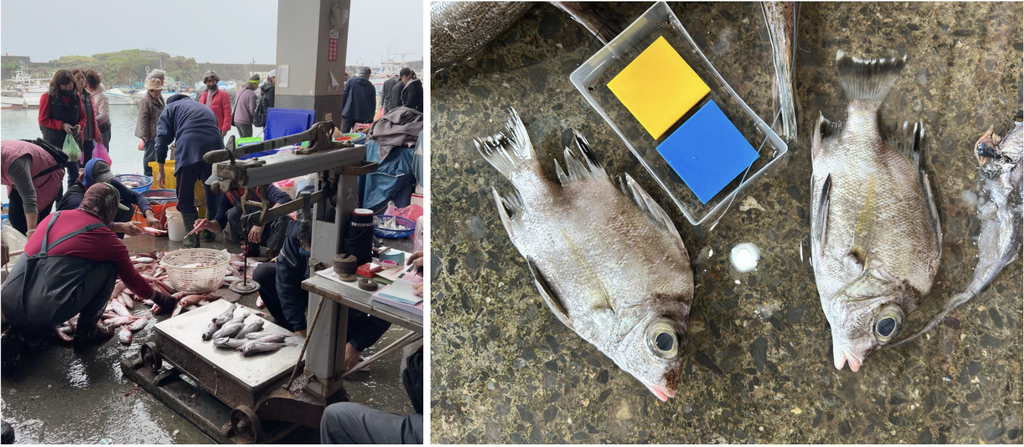
Fishing port survey volunteers are the eyes and ears on the front lines. They undergo rigorous training to identify common target fish species before heading to bustling fish markets. Their crucial role involves arriving before the dawn auction to photograph specific fish species, ensuring each specimen is photographed alongside a specially designed scale reference object. This meticulous process captures invaluable data on fish lengths. These volunteers frequent major fishing ports across Taiwan, including Daxi and Nanfangao in Yilan, Kezailiao and Qianzhen in Kaohsiung, Donggang in Pingtung, and Magong Fishing Port in Penghu.
Complementing the field researchers, fish labeling volunteers undertake the vital task of data processing. Possessing a keen eye for detail, they meticulously classify and label hundreds of photographs uploaded by their counterparts. Using specialized computer software, they identify fish species within each image. This laborious yet essential work builds a comprehensive database, which is instrumental in developing AI tools for accurate fish species identification and body length estimation. The initial phase of the project in 2023 focused on 40 common nearshore fish species, yielding a substantial collection of 18,180 fish sample photos within that year alone.
Groundbreaking Survey Results Reveal Shrinking Fish Sizes
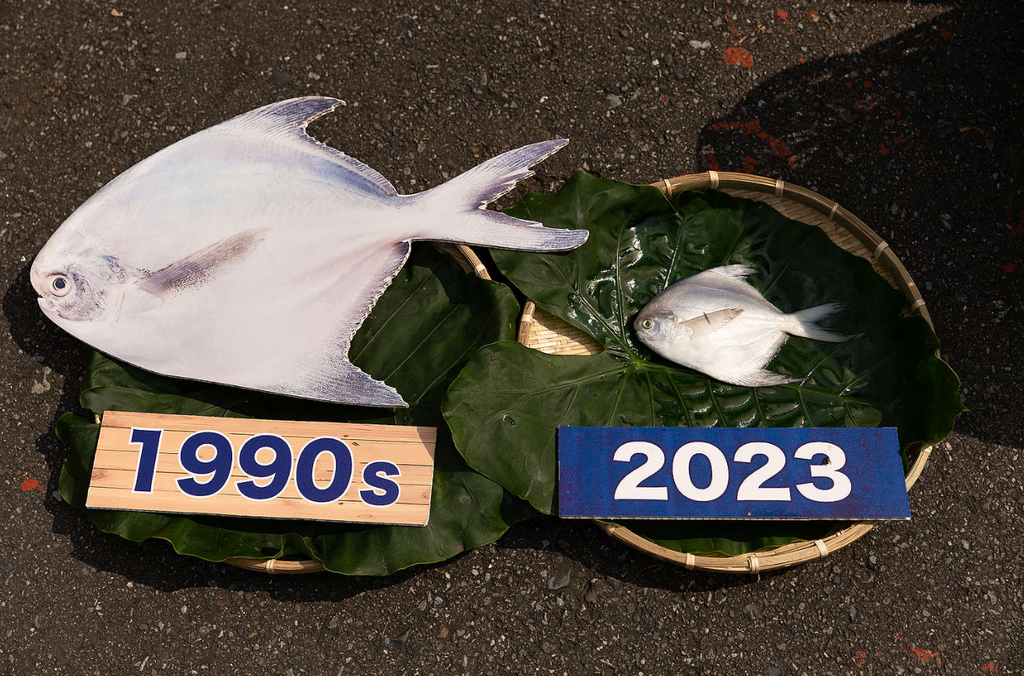
The culmination of this data collection effort led to a significant announcement on World Oceans Day 2024. Greenpeace released the survey results for 40 common fish species in Taiwan, revealing a disturbing trend: a substantial proportion of "fresh catch" fish did not meet critical maturity benchmarks. Specifically, 24 species showed over half of their sampled individuals failing to reach 50% of their sexual maturity length (Lm50). The situation was particularly dire for silver pomfret, star pomfret, greater amberjack, pomfret, and black seabass, where over 90% of the samples fell below the Lm50 threshold, pointing to severe overfishing.
This alarming revelation prompted the extension of the citizen scientist fish survey project into a long-term monitoring program. By 2025, the scope of the investigation expanded to include 45 fish species. Over the three years of its operation, volunteers have collectively amassed over 24,227 photos, consistently supporting Greenpeace’s ocean protection initiatives in Taiwan.
The urgency of these findings was underscored by a press conference held by the Greenpeace Ocean Project team outside the Executive Yuan on March 9, 2023. The team drew a stark comparison between the mature body length references found in historical literature and the juvenile fish currently being sold in markets. They urged the government to expedite the review and passage of the "Marine Conservation Act." This advocacy played a role in the eventual passage of Taiwan’s "Marine Conservation Act" at the end of 2024, which officially came into effect in July 2025, a significant legislative victory for marine protection.
Voices from the Ground: Fishermen’s Struggles and Migrant Worker Exploitation
The volunteers’ direct engagement with the fishing community provided poignant insights into the realities of the industry. Conversations with fish vendors revealed a widespread concern about dwindling catches and the increasing difficulty of their livelihood. Volunteer Daoting observed the complex emotions of fishermen, who, despite friendly interactions during auctions, privately lamented the diminishing fish stocks and expressed their inability to curb unsustainable fishing practices by larger commercial vessels. "Fewer and smaller fish are not good for anyone," they often confided, highlighting a shared sense of powerlessness.
For volunteers with personal ties to coastal communities, the observed changes were even more distressing. Jia, a resident of Donggang, expressed profound shock at witnessing an undersized red snapper being caught, stating, "The severity of overfishing exceeded imagination. I realized I cannot just be a consumer; I must start taking action." Christina, a volunteer from Malaysia, was equally disturbed by the sight of rare fish species, typically found in marine museums, appearing in the bloody context of auction scenes.
An anonymous volunteer shed light on the abysmal living and working conditions aboard fishing vessels, describing them as "dirty and chaotic." The direct observation of migrant workers showering on board and enduring extremely harsh conditions was deeply distressing. This stark reality underscores a critical aspect of marine conservation often overlooked: the fundamental dignity and labor rights of every individual within the industry’s complex supply chain. The plight of these workers is not merely an issue of human welfare but is intrinsically linked to the sustainability and ethical integrity of the entire fishing sector.
Empowering the Public: Volunteer-Designed Ocean Education Booths
Recognizing that ocean issues extend beyond coastal overfishing, the Greenpeace Community Outreach Campaign Team initiated the "Taichung Ocean Volunteer Project" in 2024 and 2025. This program aimed to empower volunteers in Taichung, a region without a dedicated Greenpeace office, to become independent advocates for ocean protection. The project focused on equipping them with the skills to independently manage booth preparations and develop comprehensive lesson plans for public awareness campaigns.
Building Capacity: Training and Empowerment for Ocean Advocates
The Taichung ocean volunteer initiative commenced with a comprehensive two-day training camp held from August 31 to September 1, 2024. This inaugural camp saw 18 volunteers divided into three thematic groups: "Deep-sea mining," "Distant-water issues" (encompassing overfishing and fisheries labor rights), and "Nearshore issues" (focusing on Taiwan’s Marine Conservation Act and sustainable seafood). A key distinguishing feature of this project was the leadership provided by experienced Greenpeace volunteers who shared their advocacy expertise, guiding new recruits through the entire process of organizing an ocean advocacy action from inception to execution.
Furthermore, Greenpeace’s social media marketing team provided volunteers with essential skills in digital outreach, encouraging them to disseminate information about their respective themes across social media platforms to broaden their impact.
A second Ocean Booth Volunteer Training Camp took place from August 16 to 17, 2025, with 19 volunteers participating. This session focused on "Coral bleaching," "Marine protected areas," and "Overfishing."
Creative Engagement: Volunteer-Designed Educational Tools
The volunteers demonstrated remarkable creativity in designing interactive experiences to capture public attention and foster learning about complex ocean issues. During New Year’s events, they ingeniously crafted "marine debris pens" using driftwood, fishing nets, and lines salvaged from ocean waste. The public was then invited to use these unique pens to create ocean-themed spring couplets, merging art with environmental messaging.
To simplify the complex guidelines for sustainable seafood choices, volunteers developed an accessible "red, yellow, green light" system. This visual guide categorizes seafood based on resource abundance: "green light" for abundant species that can be consumed frequently, "yellow light" for those with decreasing resources, and "red light" for endangered species that should be avoided.
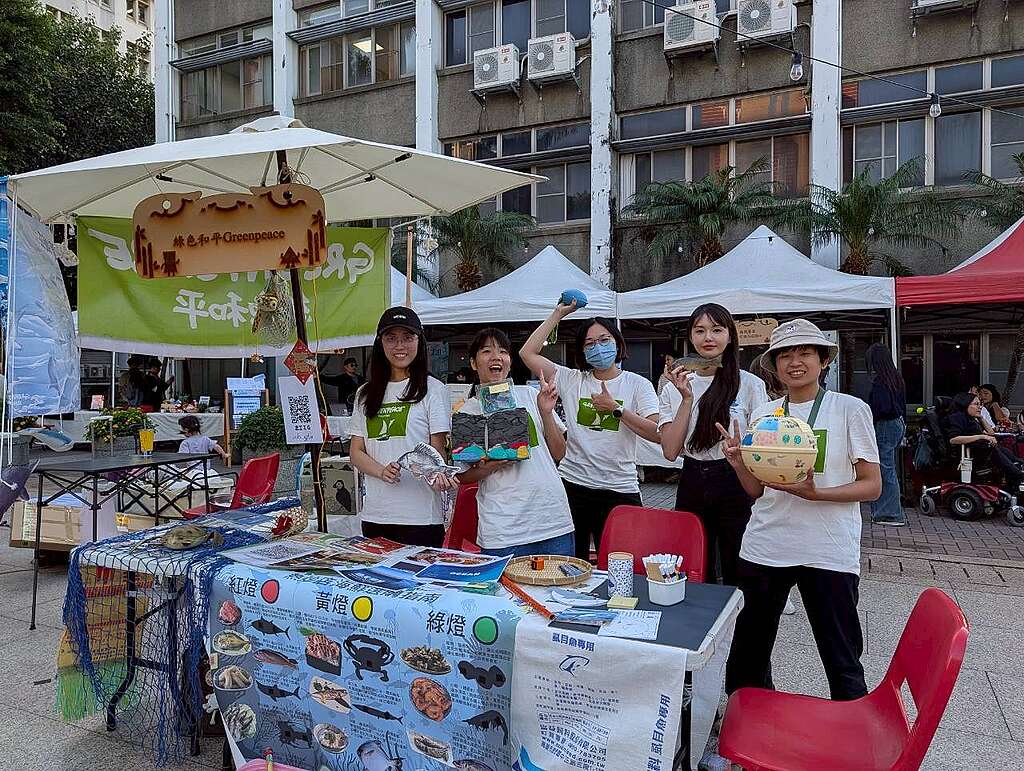
A particularly engaging tool was the "Seafood purchasing guide for stir-fry restaurants." This interactive display invited visitors, including children, to participate in a simulated "fishing" activity. After "catching" a seafood item, participants would compare it to the guide, learning in a playful manner how to make ocean-friendly choices in their daily dining.
To address the often-hidden human rights issues associated with tuna products, volunteers meticulously crafted a 3D model of "Tuna Human Cans." This innovative educational tool, appearing as a standard tuna can from the outside, revealed a tableau inside featuring cardboard cutouts of fishermen, dolphins, sharks, and tuna. This visual representation effectively linked fishing methods, the working conditions of fishermen, and the ecological impact on marine life with the human rights concerns surrounding tuna consumption. Volunteers actively encouraged the public to interact with these elements, sparking curiosity and facilitating deeper discussions about the ecological damage caused by certain fishing practices and the human rights implications for distant-water fishermen. For those seeking further information, QR codes linked to the documentary "Before You Eat," providing a more in-depth exploration of these critical issues.
Tangible Impact: Reaching Thousands and Inspiring Action
Over the past three years, the impact of these volunteer-driven ocean protection efforts has been substantial. Through consistent booth activities and public engagement, volunteers have successfully integrated ocean issues into public discourse. Their creative approaches and dedicated efforts have resulted in over two thousand individuals being inspired to participate in protective actions.
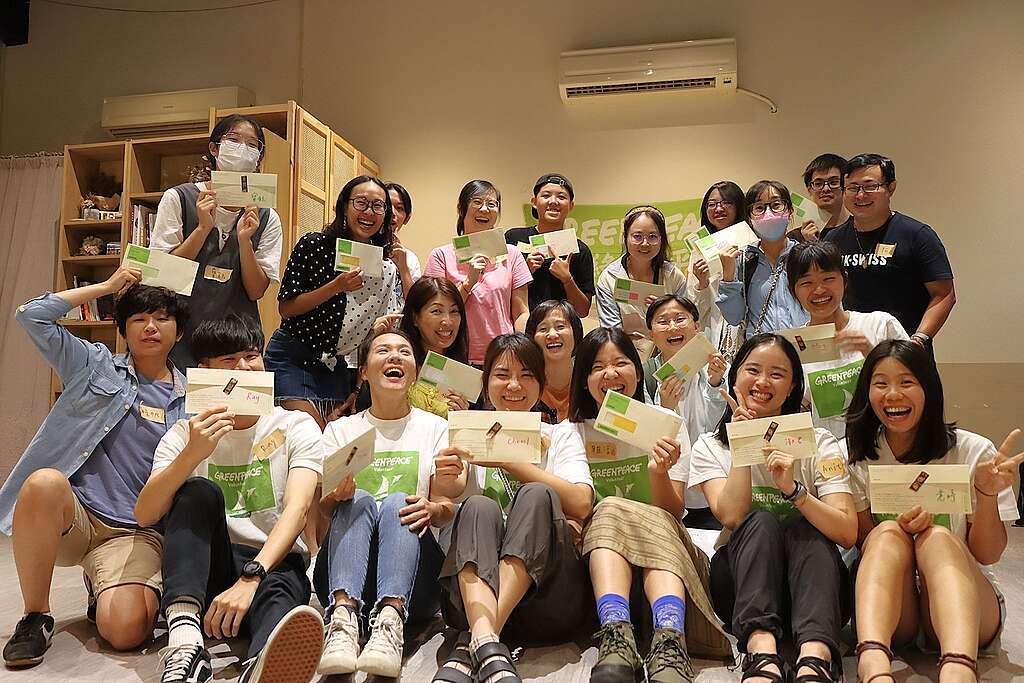
Collective Strength: Volunteers Reflect on Their Ocean Protection Journey
The volunteers themselves have found profound meaning and motivation in their work. Senior volunteer A-Kuan emphasized the importance of bringing hidden issues to light: "Just because you cannot see it does not mean it is not happening." By designing interactive games and educational tools, they aim to make the public aware that the seafood on their plates is linked to potential human rights exploitation.
Volunteer Yixuan, who served as a group leader, noted the significant improvement in communication skills among team members. "At the beginning, our opening lines were very awkward, but later we adjusted quickly depending on tools and situations, such as using ‘marine debris spring couplets’ to attract attention. I think this is a big improvement for everyone!" This adaptability and continuous learning are hallmarks of their commitment.
Baoyu, a volunteer who has participated for two consecutive years, highlighted the importance of camaraderie: "Because the initial volunteer experience was so good, everyone was willing to listen and accept each other’s opinions, so we continued until now. Of course, the second group of team members was also very positive and warm." This sense of community and shared purpose fuels their ongoing dedication.

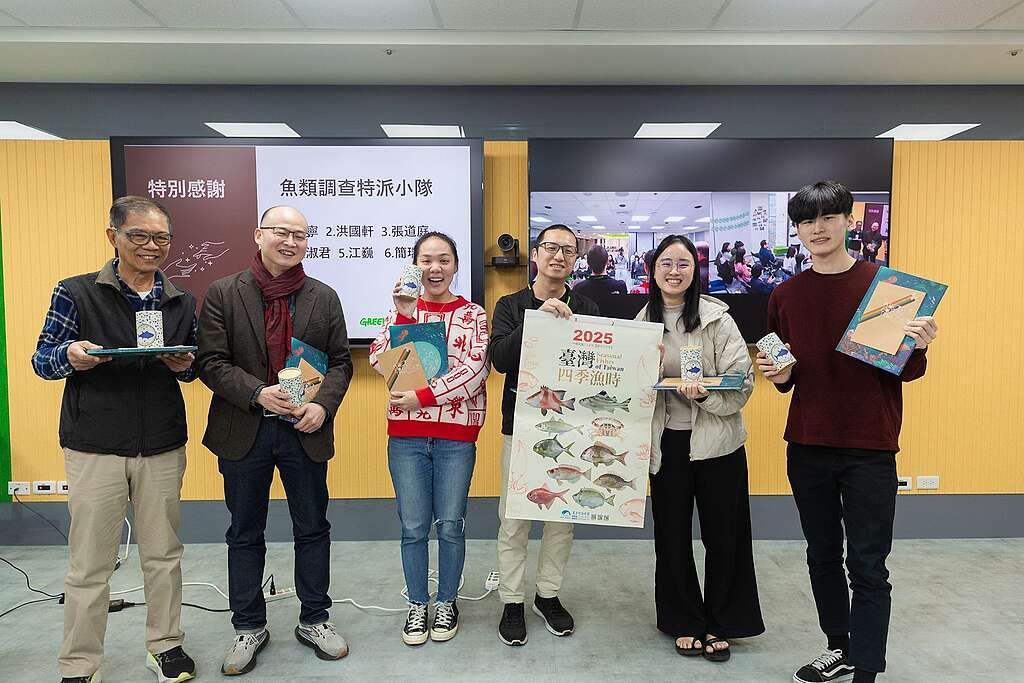
The second volunteer sharing session, held at the Central Taiwan Marine Conservation Education Center, provided a platform for learning and exchanging experiences, further strengthening the network of ocean advocates.
The Future of the Ocean Needs You
In 2025, the network of volunteers, initially focused on data collection, expanded its reach to creative public engagement. Each accumulated data point and every conversation with the public represents a step towards restoring the ocean’s health. While thousands of photos have been collected and countless individuals have been reached, the challenges facing our oceans remain immense.
The baton of ocean protection is being passed on. Individuals can now actively contribute to this vital cause. Those interested in participating directly in data collection are encouraged to sign up as "fish survey volunteers" and join the front-line efforts to protect the ocean. For those unable to commit their time but still passionate about marine conservation, joining Greenpeace volunteers and following their Instagram community offers a way to stay informed about activities and stand in solidarity with the movement. The collective strength of these dedicated individuals is weaving a net of protection, essential for safeguarding Taiwan’s precious marine heritage for generations to come.

 Raul Delapena Setiawan
 Basiran