
 Asep Darmawan
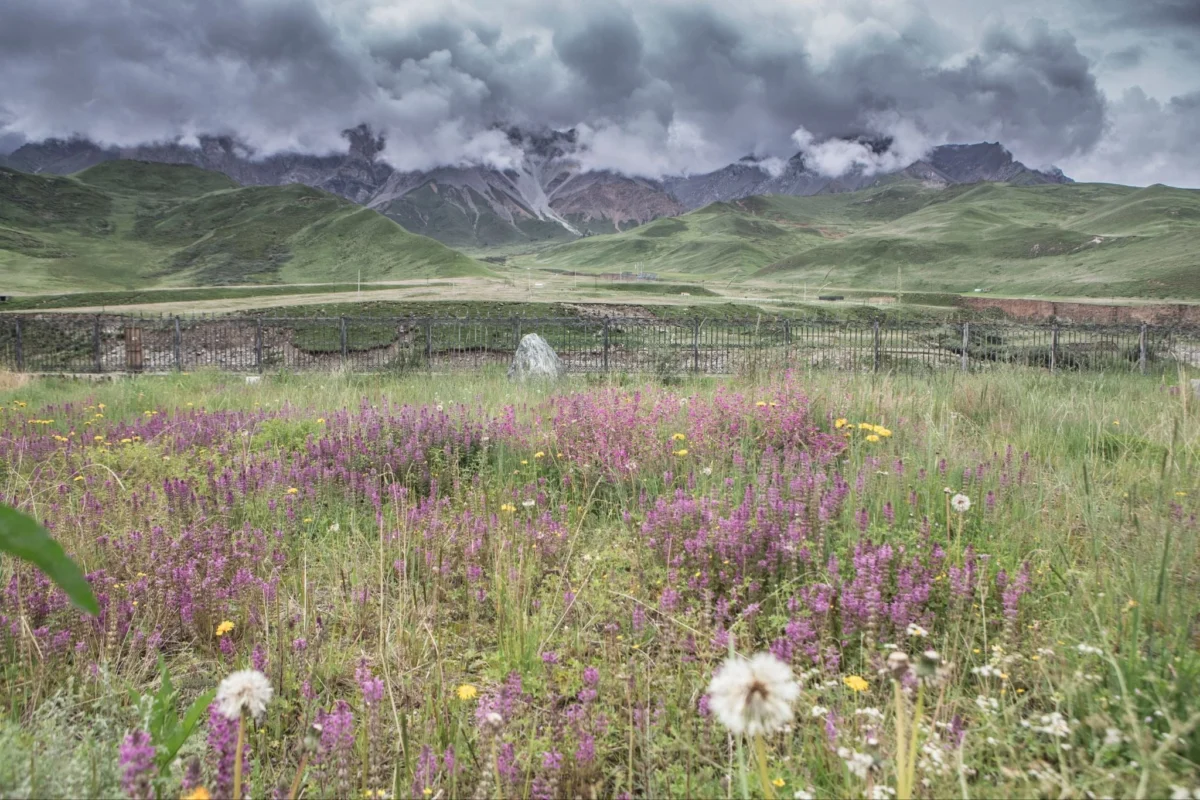
A catastrophic mudslide, triggered by an immense ice-rock avalanche, has ripped through a remote valley straddling the China-Nepal border, leaving a trail of devastation. As of Wednesday, August 26th, initial reports indicate that over a thousand people are missing, with hundreds confirmed dead, as entire communities in both Tibet and Nepal have been obliterated. The disaster unfolded in the early morning hours, unleashing a torrent of debris that has reshaped the landscape and plunged the region into a humanitarian crisis.
Genesis of the Disaster: An Avalanche Unleashes a Deadly Flood
The precise sequence of events is still under investigation, but preliminary assessments suggest that a massive ice and rock avalanche descended into the valley, striking the river at its base. This impact is believed to have generated a powerful flash flood, which in turn fueled a colossal mudslide that surged downhill with unimaginable force. The sheer volume of displaced material has buried homes, infrastructure, and livelihoods, leaving survivors grappling with unimaginable loss.
While experts are exercising caution against attributing the disaster solely to immediate climate change impacts, they acknowledge that rising global temperatures and the consequent melting of glaciers likely played a significant role in destabilizing the fragile mountain environment. This incident echoes a similar event that occurred in the same border region last year, which was identified as a glacial outburst flood (GLOF). GLOFs are a distinct but related phenomenon, occurring when meltwater accumulates in glacial lakes, held back by natural dams of ice and debris. When these dams fail, the pent-up water is released in a destructive surge.
A Region Under Threat: The Fragility of the Himalayas and Tibetan Plateau
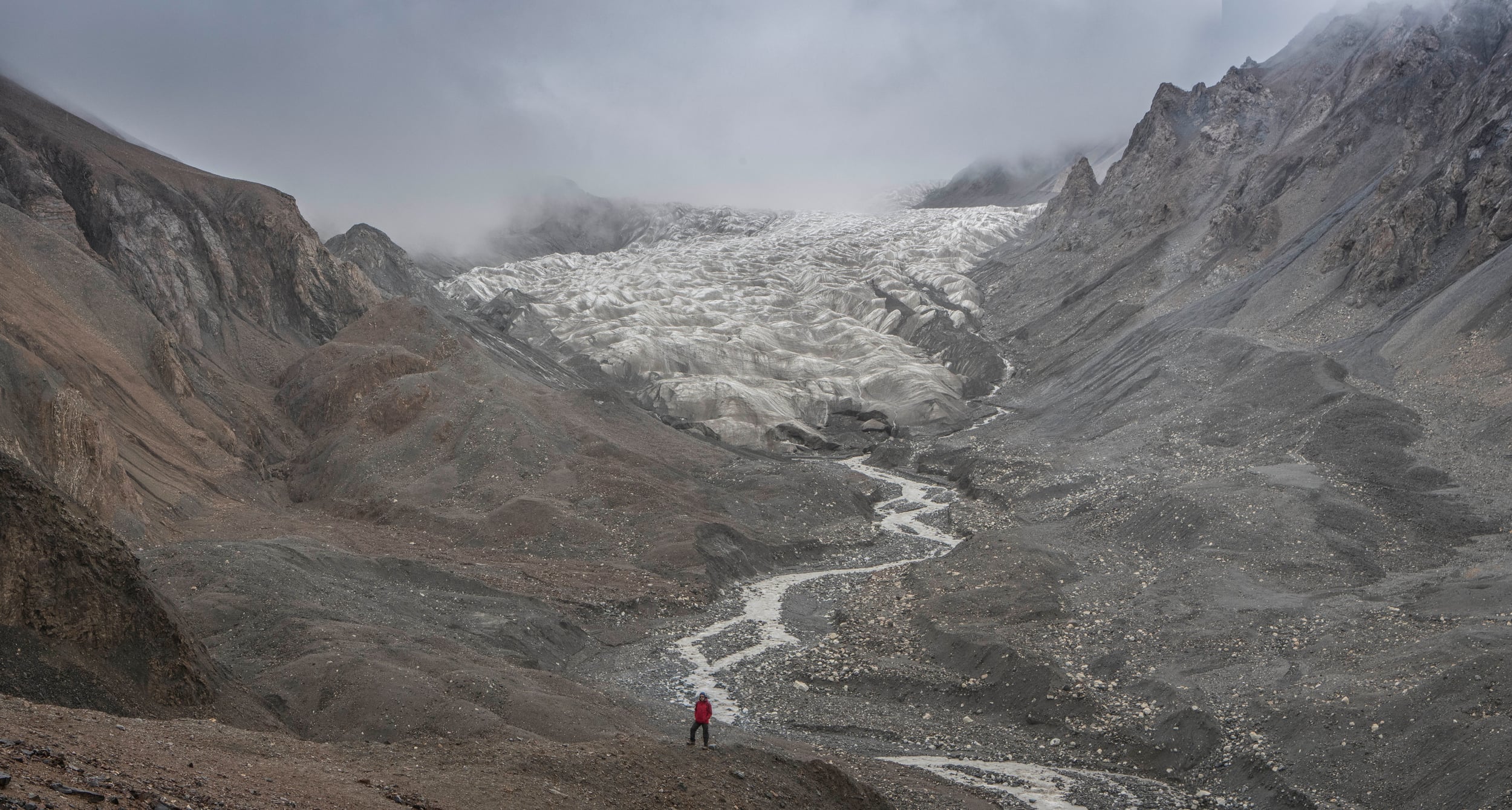
The recent mudslide underscores the increasing vulnerability of permafrost regions in the Himalayas and the Tibetan Plateau. These high-altitude, historically cold environments are warming at a rate alarmingly higher than the global average. Between 1981 and 2020, the region experienced a temperature increase of approximately 0.5°C every decade, coupled with a rise in precipitation of about 14 millimeters per decade.
These statistics, while stark, only begin to illustrate the profound geological and ecological consequences of such rapid climate change in these sensitive mountain ecosystems. The inherent fragility of the soil and riverine systems, combined with the potential for localized events to trigger cascading chain reactions, creates a heightened risk profile for both the environment and the populations residing in these areas. The vulnerability of mountainous communities to both natural and climate-induced disasters has never been more apparent.
A Growing Pattern of Disasters: The Lingering Shadow of Glacial Instability
The recurrence of such devastating events in the same border region raises critical questions about the long-term stability of these glacial landscapes. The 2025 GLOF served as a stark warning, and this latest mudslide further amplifies concerns about the escalating risks. The complex interplay between warming temperatures, thawing permafrost, and the resulting destabilization of glacial formations is creating a volatile environment where catastrophic events are becoming more probable.
Early Warnings and Evolving Strategies: Efforts to Mitigate Risk
Recognizing the growing threat, environmental organizations and scientific bodies have been advocating for enhanced disaster preparedness. A 2018 report by Greenpeace East Asia, in collaboration with the Chinese Academy of Sciences and the Gansu Provincial Academy, provided a comprehensive analysis of climate change impacts on glaciers across Asia. The report strongly urged the implementation of more robust early warning systems and risk prevention measures to address the escalating instability in high-altitude glacial regions.

In response to such scientific assessments and the increasing frequency of climate-related events, the Chinese government has introduced significant national strategy documents. These include the "National Climate Change Adaptation Strategy 2035" and the "Qinghai-Tibet Plateau Ecological Protection Law." These policies emphasize the critical need to address climate risks and bolster monitoring and early warning systems within these vulnerable regions.
However, despite these policy advancements, significant gaps remain in climate adaptation strategies for this unique and complex high-altitude environment. Real-time risk monitoring systems and effective on-the-ground emergency management mechanisms are identified as areas requiring substantial upgrades to adequately respond to the escalating threats.
The Narrow Window of Opportunity: Simulations Highlight Urgency
The urgency of improving response capabilities is underscored by simulations of potential glacial lake outburst floods in geologically and geographically similar neighboring river valleys. One such simulation conducted in 2022 modeled a scenario involving a glacial lake, a steep canyon, and a border crossing within the valley. The findings were alarming: a glacial lake outburst flood could reach a nearby town in as little as 5 to 11 minutes and the China-Nepal border in approximately 30 minutes. This analysis starkly illustrates the extremely limited time available for effective response and evacuation in the event of a sudden, catastrophic release of water and debris.
Over the past decade, both Nepal and China have undertaken various measures to address the threat of glacial outburst floods. These have included disaster assessments, the deployment of remote sensing technologies, flood modeling, and crucial cross-border information exchange. These collaborative efforts are vital in understanding the complex dynamics of glacial melt and the potential downstream impacts.
Humanitarian Response and International Cooperation
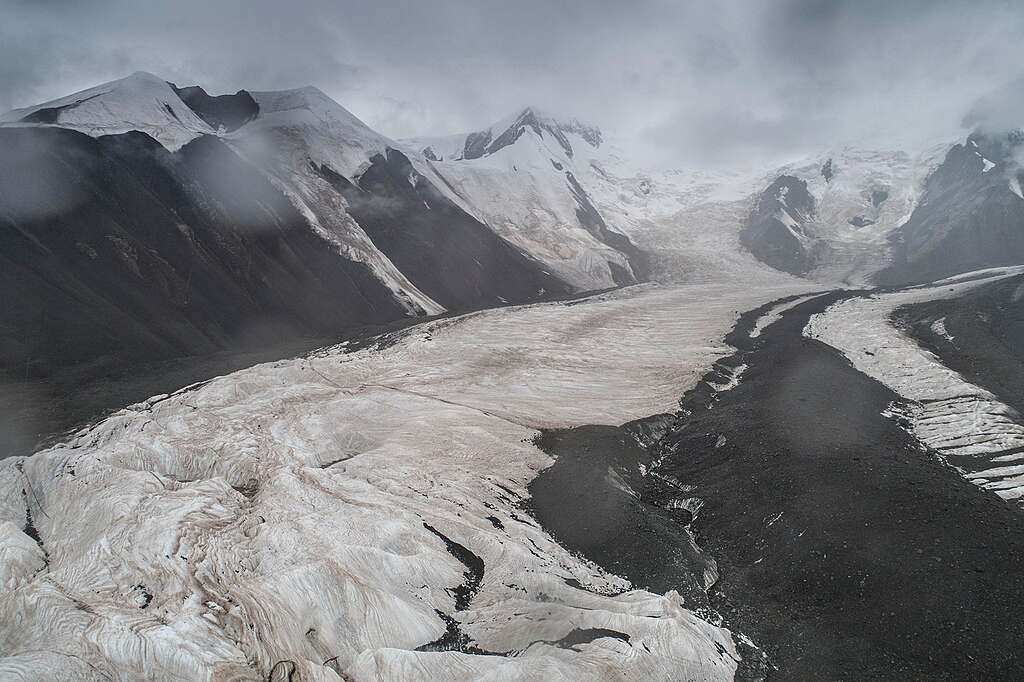
The immediate priority following the mudslide is the search and rescue of survivors and the recovery of those lost. Emergency response teams from both China and Nepal are on the ground, facing immense challenges due to the remote location and the scale of the destruction. International aid organizations are also mobilizing to provide humanitarian assistance, including medical supplies, food, and shelter, to the affected populations.
The cross-border nature of this disaster necessitates close cooperation between China and Nepal. Sharing real-time data, coordinating rescue efforts, and jointly assessing the long-term implications for the region are paramount. The international community is expected to play a crucial role in supporting these efforts through financial aid and technical expertise.
Broader Implications: A Wake-Up Call for Climate Action
This devastating mudslide serves as a grim reminder of the far-reaching consequences of climate change, particularly in the world’s most vulnerable regions. The Himalayas and the Tibetan Plateau are not only crucial ecological systems but also the source of water for billions of people downstream. The increasing frequency and intensity of such disasters threaten not only local communities but also regional stability and global food and water security.
The incident underscores the urgent need for accelerated global action to reduce greenhouse gas emissions and to invest in robust climate adaptation measures. While immediate disaster response is critical, a long-term strategy that addresses the root causes of climate change and strengthens the resilience of communities in high-risk areas is essential. The lessons learned from this tragedy must galvanize greater political will and concrete action to protect our planet and its inhabitants from the escalating impacts of a warming world. The fragility of these majestic mountain landscapes, and the human lives they sustain, demand our immediate and sustained attention.

 Siti Muinah
 Suro Senen