Nana
Nana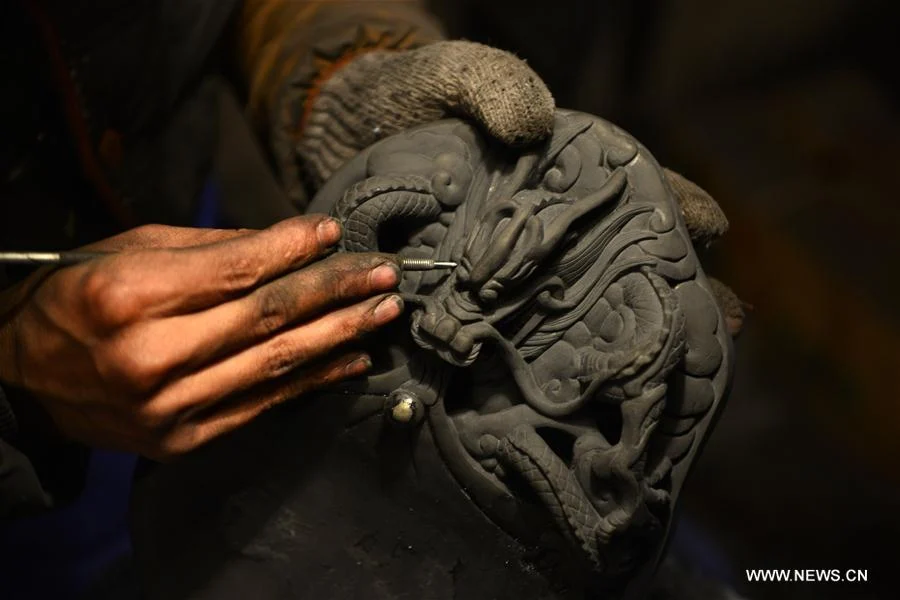
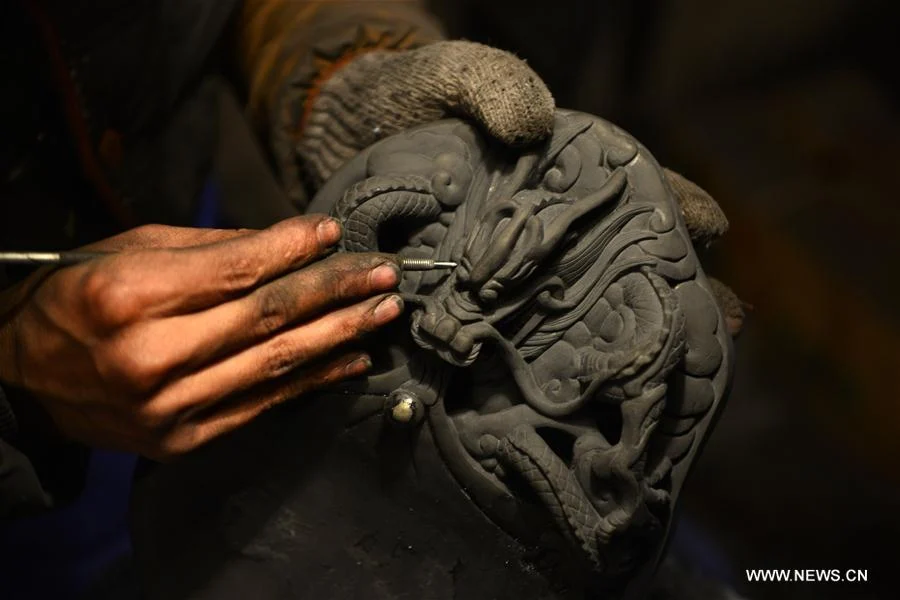
In a dimly lit studio nestled within the picturesque landscapes of Cengong county, Southwest China’s Guizhou province, a master craftsman meticulously works on a Sizhou inkstone. The date, November 30, 2017, marks another day dedicated to the preservation of an art form with roots stretching back thousands of years. The Sizhou inkstone, predominantly crafted in this very region, holds a revered position among the "four treasures of study" – the essential tools of Chinese calligraphy and painting: paper, ink, brushes, and inkstones. For discerning artists and scholars, the quality of the inkstone is not merely a functional component but a critical element that profoundly influences the texture and richness of the ink, thereby impacting the very soul of their artistic creations. This dedication to heritage, as exemplified by the artisans of Cengong, underscores the enduring significance of traditional craftsmanship in the modern era.
The Enduring Legacy of Sizhou Inkstones
The Sizhou inkstone, a product of meticulous craftsmanship and geological providence, is more than just a tool; it is a vessel of history and artistic expression. Its origins are deeply intertwined with the unique geological formations found in the Guizhou region, particularly in Cengong county. For centuries, artisans have harnessed the specific properties of local stones – renowned for their fine grain, density, and smooth texture – to create inkstones that are both functional and aesthetically captivating. The process of transforming raw stone into a polished inkstone is a testament to human patience and skill, often involving numerous stages of selection, cutting, grinding, polishing, and intricate carving.
The historical significance of inkstones in Chinese culture cannot be overstated. They have been indispensable companions to scholars, poets, painters, and calligraphers for millennia, bearing witness to the creation of countless masterpieces of art and literature. The act of grinding ink on an inkstone is itself a meditative practice, a moment of focused intention before the brush touches the paper. The quality of the inkstone directly influences how smoothly the ink is ground, how finely it is dispersed, and ultimately, how it interacts with the paper. A superior inkstone can produce a rich, lustrous ink that flows effortlessly, while a poorly made one can result in a gritty, uneven ink, hindering the artist’s ability to achieve the desired nuances in their work.
The Sizhou inkstone, in particular, has earned a distinguished reputation for its exceptional quality. While the exact origins of its name and widespread recognition are subject to historical interpretation, its association with the Sizhou region of Guizhou has solidified its identity. The stones are often characterized by their deep, resonant tones when tapped, their velvety smooth surface, and their ability to hold water without excessive evaporation, a crucial factor for maintaining the optimal consistency of ground ink. The intricate carvings that often adorn Sizhou inkstones further elevate them from utilitarian objects to works of art in their own right, frequently depicting scenes from classical literature, historical events, or auspicious motifs, adding layers of cultural and symbolic meaning.
A Chronicle of Craftsmanship: From Ancient Origins to Modern Preservation
The history of inkstone production in China spans an impressive period, with evidence suggesting their use dating back to the Han Dynasty (206 BCE – 220 CE). Over the centuries, different regions developed their own distinct styles and traditions of inkstone carving, each celebrated for unique characteristics. The Sizhou inkstone, while perhaps not as universally recognized as the Duan inkstone from Guangdong or the She inkstone from Anhui, holds a significant place within the repertoire of Chinese inkstone traditions, particularly in its regional stronghold of Guizhou.
While a precise chronological timeline for the emergence of the Sizhou inkstone as a distinct craft is difficult to pinpoint with definitive dates, its continuous production and refinement in Cengong county suggest a lineage that has been passed down through generations. It is reasonable to infer that the practice began with the identification and utilization of suitable local stone deposits. Over centuries, as calligraphic and painting traditions flourished, so too would the demand for high-quality inkstones, driving the evolution of carving techniques and artistic embellishments.
The period of the Tang (618–907 CE) and Song (960–1279 CE) Dynasties is often considered a golden age for Chinese arts and culture, a time when calligraphy and painting reached new heights of sophistication. During these eras, the demand for finely crafted inkstones would have been substantial, likely contributing to the establishment and standardization of regional styles like that of Sizhou. The knowledge of stone selection, the understanding of its properties, and the development of specialized tools would have been accumulated and transmitted through apprenticeships and family traditions.
The 20th century, and particularly the latter half, presented both challenges and opportunities for traditional crafts worldwide. While industrialization and modernization often led to the decline of artisanal practices, there was also a growing global appreciation for cultural heritage and the unique value of handmade objects. In China, a concerted effort began in the latter part of the 20th century to identify, document, and preserve its rich cultural heritage, including traditional crafts. This period likely saw renewed attention to regional crafts like Sizhou inkstone carving, as local governments and cultural institutions began to recognize their intrinsic value.
The image captured in November 2017, depicting a craftsman at work, is a snapshot of this ongoing preservation effort. It signifies a tradition that, despite the passage of time and the advent of new technologies, continues to be nurtured by dedicated individuals. The fact that the Xinhua news agency chose to highlight this specific craft in Cengong county suggests an ongoing narrative of cultural revitalization and recognition for the artisans who are the custodians of this ancient art.
The Materiality of Excellence: What Makes Sizhou Inkstones Special?
The inherent quality of a Sizhou inkstone stems from a confluence of factors, primarily its geological origin and the skill of its makers.
Geological Advantages of Guizhou Stone
The bedrock of Guizhou province, particularly the areas around Cengong county, is rich in sedimentary rocks, including fine-grained siltstones and mudstones. These geological formations are ideal for inkstone production due to several key characteristics:
- Fine Grain: The microscopic particles within the stone are densely packed, resulting in a smooth, non-porous surface when polished. This fineness is crucial for effectively grinding ink sticks without creating a gritty residue.
- Density and Hardness: Sizhou stones possess a suitable density and hardness that allows them to withstand the abrasive process of ink grinding without excessive wear. This ensures the longevity of the inkstone and the consistency of the ink it produces over time.
- Water Retention: The stone’s ability to absorb and retain a small amount of water is vital. This allows for the creation of a consistent ink slurry, preventing the ink from drying out too quickly during the grinding process.
- Color and Texture: Sizhou inkstones often exhibit rich, earthy tones, ranging from deep grays and blacks to subtle greens and browns. The natural patterns and veins within the stone can also contribute to its aesthetic appeal, making each inkstone unique.
The Art of the Carver
Beyond the raw material, the skill of the craftsman is paramount. The process of creating a Sizhou inkstone involves:
- Stone Selection: Experienced carvers possess an innate understanding of which stones are suitable, identifying flaws, assessing grain structure, and predicting how the stone will behave during carving and use.
- Shaping and Polishing: The rough stone is meticulously shaped and then subjected to a laborious polishing process. This can take weeks or even months, involving progressively finer abrasives to achieve a mirror-like finish that is essential for optimal ink grinding.
- Carving and Decoration: This is where the artistic dimension truly shines. Carvers employ a range of tools to create intricate designs, from simple geometric patterns to elaborate figurative scenes. The depth and precision of these carvings not only enhance the inkstone’s beauty but can also serve functional purposes, such as creating channels for ink to collect.
- Finishing Touches: The final stages involve careful inspection, cleaning, and sometimes the application of protective waxes or oils.
The combination of these elements results in an inkstone that is not only a pleasure to use but also a tangible link to China’s rich artistic heritage. The average time to produce a high-quality Sizhou inkstone can range from several weeks to several months, depending on the complexity of the design and the size of the piece. The cost of such an inkstone can vary significantly, from a few hundred to several thousand US dollars, reflecting the labor, skill, and quality of the materials involved.
Supporting Data and Broader Context
The significance of traditional crafts like Sizhou inkstone carving can be understood within the broader context of China’s cultural preservation efforts and the global appreciation for artisanal goods.
Economic and Cultural Significance
While specific economic data for Sizhou inkstone production is not readily available, the broader handicraft industry in China plays a vital role in local economies. According to reports from the China National Arts and Crafts Association, the sector contributes significantly to employment and revenue, particularly in rural areas where traditional crafts are often concentrated. The preservation of such crafts can:
- Support Local Livelihoods: Artisans earn a living through their skills, providing economic opportunities in regions that might otherwise lack diverse employment options.
- Promote Tourism: Unique cultural heritage, including artisanal crafts, can attract tourists, further boosting local economies. Cengong county, with its Sizhou inkstone tradition, can leverage this to develop cultural tourism initiatives.
- Maintain Cultural Identity: These crafts are repositories of cultural knowledge, artistic techniques, and historical narratives. Their continuation helps to maintain a distinct cultural identity for the region and the nation.
The "Four Treasures of Study" in the Digital Age
The "four treasures of study" – paper, ink, brushes, and inkstones – have historically been the bedrock of Chinese artistic and literary pursuits. In an era dominated by digital media, the relevance of these traditional tools might seem diminished. However, a counter-trend has emerged:
- Resurgence of Interest: There is a growing interest, both domestically and internationally, in traditional arts and crafts. This is driven by a desire for authenticity, a connection to history, and an appreciation for the tactile and meditative aspects of these practices.
- Educational Value: For students of calligraphy and painting, understanding and using traditional tools remains essential for mastering the art form. Sizhou inkstones offer a superior experience that digital simulations cannot replicate.
- Collector Market: High-quality, historically significant, or artistically rendered inkstones are sought after by collectors, creating a niche market that supports the continued production of these items.
Official Responses and Preservation Efforts
The Chinese government, recognizing the importance of cultural heritage, has implemented various policies and initiatives to support traditional crafts. This often includes:
- Intangible Cultural Heritage Designations: Crafts like Sizhou inkstone carving may be recognized as intangible cultural heritage, leading to increased funding, research, and promotion. While specific designation details for Sizhou inkstones are not provided in the source, it is a common pathway for such traditions.
- Support for Artisans: Programs may be in place to provide training, financial assistance, and market access for artisans. This could involve workshops, exhibitions, and subsidies.
- Promotional Campaigns: Cultural authorities often organize exhibitions, festivals, and online campaigns to raise awareness and appreciation for traditional crafts.
The act of a state-sponsored news agency like Xinhua highlighting the work of a Sizhou inkstone craftsman signifies a level of official recognition and support for the preservation of this art form. It suggests that the craft is viewed not merely as a historical relic but as a living tradition worthy of attention and continuation.
Broader Impact and Implications: Continuity and Cultural Significance
The continued practice of Sizhou inkstone carving in Cengong county has far-reaching implications beyond the immediate act of creation.
- Preservation of Knowledge and Skill: Each inkstone produced carries with it generations of accumulated knowledge about stone properties, carving techniques, and artistic sensibilities. This knowledge is passed down from master to apprentice, ensuring its survival.
- Cultural Diplomacy: Traditional arts serve as powerful ambassadors for a nation’s culture. The Sizhou inkstone, as a unique product of Guizhou, can represent China’s artistic heritage on a global stage, fostering understanding and appreciation.
- Inspiration for Contemporary Art: The aesthetic principles and techniques embodied in traditional inkstone carving can inspire contemporary artists and designers, leading to innovative cross-pollination between heritage and modernity.
- Economic Sustainability of Rural Heritage: By supporting the continued production and sale of Sizhou inkstones, the craft can contribute to the economic sustainability of rural communities like Cengong county, preventing the erosion of local cultural traditions due to economic pressures.
In conclusion, the image of the craftsman in Cengong county is more than just a depiction of a solitary artisan at work. It is a symbol of resilience, dedication, and the enduring power of human creativity. The Sizhou inkstone, with its millennia-old lineage, stands as a testament to the profound connection between humanity, nature, and artistic expression, a legacy that continues to be shaped and cherished in the heart of Guizhou province. The ongoing efforts to preserve and promote such traditional crafts are vital for ensuring that these invaluable pieces of cultural heritage continue to enrich the world for generations to come.

 Asep Darmawan
 Rifan Muazin