Dwi Wanna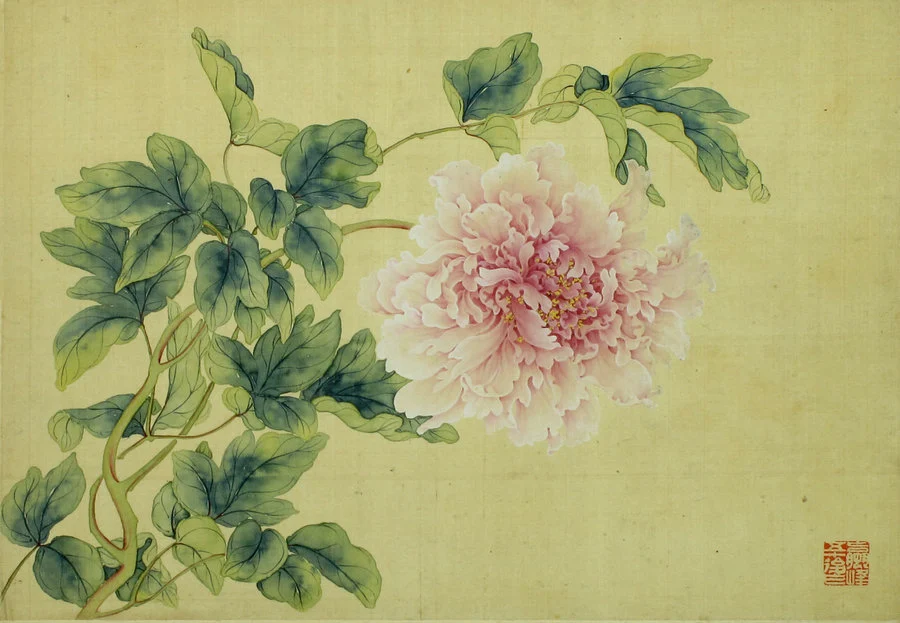
A significant exhibition at the Zhejiang Provincial Museum has brought to light the often-overlooked artistic contributions of women from China’s Ming and Qing Dynasties, revealing a rich tapestry of talent that has historically been marginalized. The exhibition, which opened on November 25th, showcases sixty meticulously preserved works by thirty distinct female artists, offering a rare glimpse into their creative lives and artistic achievements. This event marks a pivotal moment in re-evaluating the historical narrative of Chinese art, which has predominantly focused on male artists for centuries.
Unveiling a Hidden Legacy
For extended periods, the contributions of female artists, both within China and globally, have been shrouded in obscurity. Their existence, often relegated to the periphery of historical records and artistic discourse, has resulted in a scarcity of both biographical details and surviving artworks. This marginalization is not unique to China; throughout history and across various cultures, women’s creative endeavors have frequently been undervalued, suppressed, or simply not documented with the same rigor as those of their male counterparts. The reasons are multifaceted, encompassing societal norms that confined women to domestic spheres, limited access to formal artistic education, and a patriarchal art market that favored male artists.
However, the Zhejiang Provincial Museum’s exhibition serves as a powerful testament to the resilience and enduring talent of certain ancient Chinese female painters whose works have, against considerable odds, been exceptionally preserved. These sixty pieces represent a fraction of what likely existed, yet their survival is a cause for celebration, offering invaluable insights into artistic styles, thematic preferences, and the socio-cultural contexts in which these women operated. The exhibition spans two pivotal dynasties: the Ming Dynasty (1368-1644) and the Qing Dynasty (1644-1911), periods of significant cultural and artistic development in China.
Notable Artists and Their Masterpieces
Among the thirty featured artists are prominent names such as Wu Dexuan, Yun Bing, and Ma Quan. These individuals, though perhaps not household names in the broader historical art canon, were clearly recognized figures within their respective circles. Yun Bing and Ma Quan, in particular, are highlighted as two of the most well-known painters from the Qing Dynasty. Their association with upper-class families provided them with a degree of privilege and access that may have facilitated their artistic pursuits. This aristocratic background is significant, as it suggests that for many women in ancient China, artistic talent could only flourish if it was supported by social standing and economic security, often within a supportive family environment.
The thematic focus of Yun Bing and Ma Quan’s work, predominantly flowers and birds, is also noteworthy. This genre, often associated with a "strong feminine character," was a popular subject for female artists throughout Chinese history. It allowed for the expression of delicate brushwork, nuanced color palettes, and an appreciation for the natural world, often interpreted through a lens of domesticity and refined aesthetics. However, it is crucial to avoid a simplistic interpretation that reduces these themes to mere feminine triviality. These depictions of nature were often imbued with symbolic meaning, conveying auspiciousness, longevity, and a deep connection to the cosmos, reflecting a sophisticated artistic language. The meticulous rendering of petals, the vibrant hues of plumage, and the dynamic interplay of light and shadow in their surviving works speak to their technical mastery and profound understanding of their chosen subjects.
Historical Context: The Ming and Qing Dynasties
The Ming and Qing Dynasties represent distinct yet interconnected eras in Chinese history, each with its own socio-political landscape that influenced the arts. The Ming Dynasty, known for its vibrant imperial patronage, flourishing trade, and advancements in porcelain and literature, also saw a continued development in painting. While the court and literati circles were dominated by men, women from aristocratic families or those with exceptional talent could still engage in artistic pursuits, often within the confines of their households. The focus during this period was often on landscape painting, figure studies, and meticulously detailed depictions of flora and fauna.
The Qing Dynasty, established by the Manchu people, continued many of the artistic traditions of the Ming but also introduced new influences and shifts in artistic patronage. Imperial collections grew, and artistic academies were supported. However, the societal emphasis on Confucian ideals, which often placed women in subordinate roles, remained a significant factor. Despite these constraints, women continued to carve out spaces for their artistic expression. The popularity of painting flowers and birds, as seen in the works of Yun Bing and Ma Quan, may have been a more accessible and socially acceptable genre for women compared to grand historical narratives or military scenes, which were typically the domain of male artists. Furthermore, the development of woodblock printing during these dynasties allowed for wider dissemination of artistic styles, and some female artists may have contributed designs or participated in the production of printed materials.
The Significance of Preservation
The preservation of these sixty works is a remarkable feat, considering the fragility of traditional art materials and the historical disruptions that China has experienced. Factors contributing to their survival likely include:
- Careful Storage: Belonging to upper-class families, these artworks may have been passed down through generations, carefully stored and protected within private collections.
- Appreciation within Families: There might have been an appreciation for the artistic talents of female relatives, leading to their works being valued and kept.
- Scholarly Rediscovery: Modern art historians and museum curators have played a crucial role in identifying, authenticating, and acquiring these often-forgotten pieces. The Zhejiang Provincial Museum’s initiative exemplifies this dedicated effort.
The rarity of such surviving works underscores the importance of this exhibition. Each piece offers not just aesthetic pleasure but also historical and cultural evidence, challenging preconceived notions about the limitations faced by female artists. It prompts a re-examination of art history textbooks, exhibition catalogues, and museum collections, which have historically been skewed towards male perspectives.
Broader Impact and Implications
The exhibition’s significance extends far beyond the walls of the Zhejiang Provincial Museum. It has several broader implications:
- Revising Art Historical Narratives: This exhibition contributes to a more inclusive and accurate representation of Chinese art history. By bringing these works to the forefront, it challenges the long-standing male-centric narrative and highlights the diverse contributions of women.
- Inspiring Future Generations: The visibility of these ancient female artists can serve as a powerful inspiration for contemporary female artists and art students, demonstrating that artistic passion and talent can transcend societal barriers. It offers role models and a sense of historical continuity.
- Promoting Gender Equality in the Arts: In a global context, the exhibition resonates with ongoing efforts to address gender disparities in the art world, from curatorial practices and museum acquisitions to public recognition and market value. It highlights that the struggle for recognition and equality in the arts is a long-standing one.
- Cultural Heritage Preservation: The exhibition underscores the vital importance of cultural heritage preservation, particularly for marginalized voices. It emphasizes the need for continued research, documentation, and exhibition of works by women and other underrepresented groups.
Expert Reactions and Future Directions
While direct quotes from specific art historians involved in the exhibition are not provided in the initial information, it is reasonable to infer a strong positive reception from the academic and curatorial community. Such exhibitions are typically met with enthusiasm for their potential to reshape understanding and spark new research.
Museum officials and art historians involved in such projects often express a commitment to continuing this line of inquiry. Potential future directions stemming from this exhibition could include:
- Further Research: Deeper scholarly investigation into the lives and techniques of these artists, potentially uncovering more biographical details or contextual information.
- Expanded Exhibitions: Collaborations with other museums to create traveling exhibitions that can reach a wider international audience.
- Digital Archiving: Creating comprehensive digital archives of these works, making them accessible to researchers and the public globally.
- Acquisition and Conservation Efforts: Continued efforts to acquire and conserve similar works, ensuring their long-term preservation for future generations.
The exhibition at the Zhejiang Provincial Museum is more than just a display of beautiful paintings; it is a significant act of historical reclamation. By shining a light on the artistic achievements of women from the Ming and Qing Dynasties, it enriches our understanding of China’s cultural heritage and contributes to a more equitable and comprehensive global art historical narrative. The works of Gu Shao, Wu Dexuan, Yun Bing, Ma Quan, and their contemporaries, once obscure, are now stepping into the spotlight, demanding the recognition they have long deserved.

 Asep Darmawan
 Rifan Muazin