Suro Senen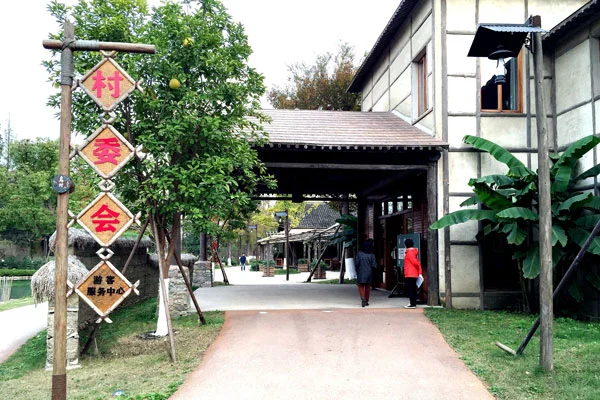
Wucun village, a picturesque rural retreat in China’s Zhejiang province, is experiencing a surge in visitor numbers and renewed interest, thanks in large part to the recent establishment of a vibrant new culture center. This initiative, launched in July, is not only enhancing the village’s inherent agrarian allure but is also actively diversifying its appeal, drawing families and tourists seeking a blend of traditional rural life and engaging, modern activities. The center’s success underscores a growing trend in rural tourism, where authenticity is being augmented by curated experiences that cater to contemporary leisure demands.
The addition of the culture center has been a strategic move to amplify Wucun’s existing appeal, which is characterized by its verdant landscapes, traditional white-walled farmhouses with black-shingled roofs, and its historical proximity to the ancient Grand Canal. This waterway, a monumental feat of ancient Chinese engineering, connects the nation’s capital, Beijing, to Hangzhou, the bustling provincial capital of Zhejiang. Wucun itself, opened to the public in early 2016, was conceived with the explicit aim of offering visitors a genuine taste of pastoral life, a stark contrast to the rapid urbanization prevalent elsewhere.
A New Hub for Family Engagement and Skill-Building
At the heart of Wucun’s revitalized offerings is its new culture center, which has quickly become a focal point for family-oriented activities. The center provides a diverse array of programs designed to engage visitors of all ages, with a particular emphasis on parent-child interaction. These experiences span a broad spectrum, including hands-on baking sessions, creative endeavors with Lego blocks, artistic expression through various mediums, culinary workshops, and even adventurous rock climbing.
A key feature of the center’s programming is its ability to evoke nostalgia and connect younger generations with the past. It offers children the opportunity to engage with games and toys that were popular among their parents and even grandparents, fostering a sense of intergenerational connection and historical appreciation. This approach taps into a desire among contemporary families to share experiences that transcend the digital realm and create tangible memories.
"The center has spiced up what Wucun already has and attracted more visitors," stated Zhong Ying, an official from Wucun. Her sentiment reflects the tangible impact the center has had on the village’s tourism landscape. The initiative appears to have successfully injected a fresh dynamism into an area already recognized as a burgeoning tourist destination.
Strategic Positioning within Zhejiang’s Tourism Ecosystem
Wucun’s growing prominence is further amplified by its strategic location within Zhejiang’s renowned tourism circuit. The village is situated near Wuzhen, a celebrated water town that draws millions of visitors annually. This proximity allows Wucun to benefit from the spillover of tourists exploring the wider region, while also offering a distinct, pastoral counterpoint to Wuzhen’s more traditional water-based attractions. The integration of Wucun into this broader tourism ecosystem suggests a coordinated effort to develop a diverse range of experiences within Zhejiang, catering to different preferences and durations of stay.
The decision to establish the culture center was driven by a clear understanding of Wucun’s core appeal and its target demographic. "Family visitors are the major force, and parents want their children to experience the old-fashioned farming life," Zhong Ying elaborated. This insight highlights the importance of understanding evolving tourist motivations. In an era where screen time often dominates, parents are actively seeking opportunities for their children to engage with nature, learn practical skills, and develop a deeper appreciation for traditional ways of life. The culture center is precisely designed to fulfill this demand.
A Timeline of Growth and Experiential Development
The evolution of Wucun as a tourist destination, and the subsequent integration of the culture center, can be traced through a series of developmental phases.
- Early 2016: Wucun village officially opens its doors to the public, aiming to showcase its pastoral charm and agrarian lifestyle. Initial efforts likely focused on preserving the village’s natural beauty and traditional architecture.
- Ongoing Development: Throughout 2016 and 2017, the village likely saw gradual improvements in infrastructure and the introduction of basic rural experiences, such as guided tours and opportunities to interact with local farming practices.
- July 2017: The pivotal moment arrives with the grand opening of the new culture center. This marked a significant strategic shift, moving beyond passive observation of rural life to active, participatory engagement. The center’s diverse program of activities is launched.
- August 2017: The impact of the culture center is immediately evident. A month-long children’s festival is staged, drawing substantial crowds and demonstrating the appeal of the new offerings. This event serves as a crucial catalyst, validating the investment in the culture center and its programming.
- Post-August 2017: The sustained success of the culture center leads to increased bookings, particularly during peak tourism seasons. The center becomes a recognized attraction within the Wuzhen-Wucun tourism corridor.
Quantifiable Impact: A Surge in Visitor Numbers
The success of the culture center and its associated events is not merely anecdotal; it is reflected in concrete visitor statistics. The month-long children’s festival held in August 2017 proved to be a resounding success, attracting significant crowds. More impressively, the village experienced a dramatic increase in visitor numbers during August, with a reported 150 percent growth compared to the preceding month of July. This substantial surge directly correlates with the opening of the culture center and the festival’s activities, underscoring the effectiveness of the new attractions in drawing and engaging visitors.
During the August festival, guests were immersed in a range of authentic rural activities. These included hands-on experiences such as planting and harvesting vegetables, fishing in the village ponds, picking fresh fruits directly from trees, and experiencing the unique ambiance of staying in traditional rural courtyards. These activities provided a holistic and immersive experience of agrarian life, moving beyond mere sightseeing to active participation.
Popular Programs and Their Underlying Appeal
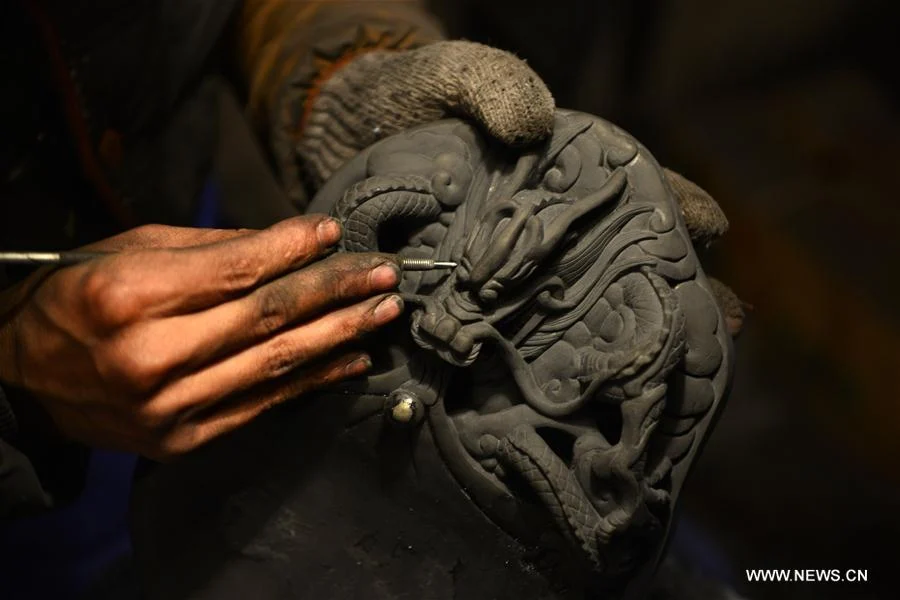
Within the culture center’s diverse offerings, certain activities have emerged as particularly popular. Western-style pastry baking and various art projects, including intricate crochet work and traditional rattan plaiting, have garnered significant attention. Zhong Ying highlighted the highly interactive nature of these classes as a key factor in their success. "Those activities are highly interactive and bring parents and their children closer to each other," she remarked. This observation points to a broader trend in leisure and tourism: the desire for shared experiences that strengthen family bonds and create lasting memories.
The operational model of the classes is also noteworthy. Most sessions are fully booked during the peak tourism seasons, indicating strong demand. Each class typically lasts between 45 to 60 minutes and can accommodate up to 20 participants. This format allows for focused, high-quality engagement without overwhelming the village’s resources. The popularity of these classes, particularly among travelers from major urban centers like Shanghai and Zhejiang’s capital, Hangzhou, who often visit during weekends, demonstrates the center’s ability to attract a discerning clientele seeking enriching experiences.
Broader Implications for Rural Tourism Development
The case of Wucun village and its culture center offers valuable insights into the future of rural tourism in China and beyond. The success of this initiative demonstrates a potent formula for revitalizing rural areas:
- Authenticity Enhanced by Experience: Wucun’s inherent pastoral charm provided a strong foundation. The culture center, however, transformed this into an active, engaging experience, catering to modern expectations. This suggests that the most successful rural tourism initiatives will likely blend preserved authenticity with curated, participatory activities.
- Targeted Demographics: By focusing on family visitors and understanding parents’ desires to connect their children with traditional life, Wucun has effectively tapped into a significant market segment. Future developments in rural tourism may benefit from more granular demographic analysis and tailored programming.
- Economic Diversification: The influx of tourists and the engagement with new activities likely provide a significant economic boost to the local community, supporting local businesses, artisans, and service providers. This can help to stem rural depopulation and create sustainable livelihoods.
- Cultural Preservation and Transmission: By offering activities like traditional crafts and games, Wucun is not only providing entertainment but also actively contributing to the preservation and transmission of cultural heritage. This dual role positions rural tourism as a potential vehicle for cultural continuity.
- Synergy with Established Tourism Hubs: Wucun’s proximity to Wuzhen highlights the potential for synergistic development within broader tourism regions. Integrated planning can create diverse itineraries that cater to a wider range of interests and extend visitor stays.
The strategic investment in a dedicated culture center has clearly revitalized Wucun, transforming it from a passive destination of pastoral beauty into an active hub for cultural engagement and family bonding. As rural tourism continues to evolve, Wucun’s model provides a compelling blueprint for how to cultivate authentic experiences that resonate with contemporary travelers, ensuring that the charm of traditional rural life can be not only preserved but also vibrantly shared with new generations. The initiative serves as a testament to the power of thoughtful development in unlocking the latent potential of China’s picturesque countryside.

 Asep Darmawan
 Rifan Muazin