Nana
Nana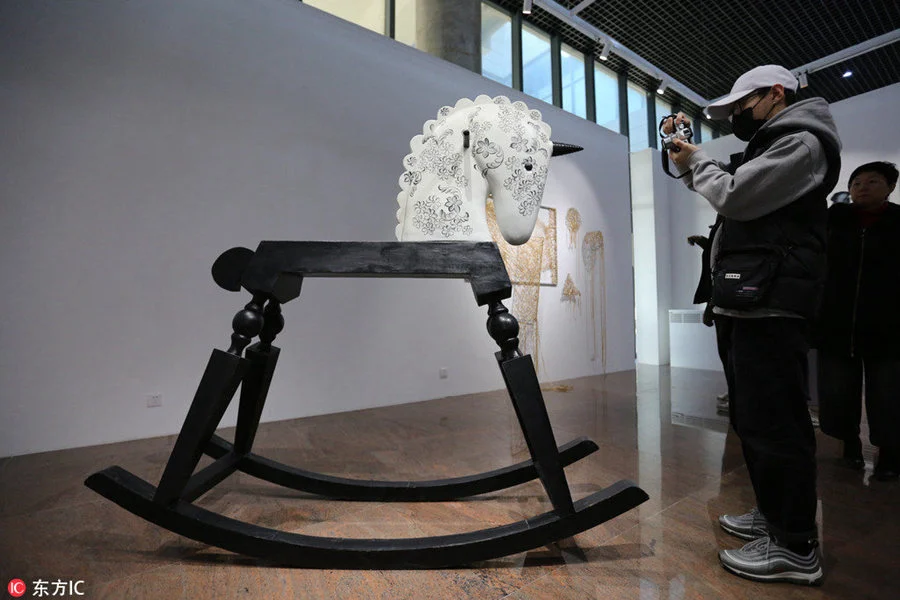
Dalian, China – A vibrant showcase of burgeoning artistic talent has opened its doors at the art museum of Luxun Academy of Fine Arts in Dalian, Northeast China’s Liaoning province. The exhibition, which commenced on December 3, 2017, features over 300 meticulously crafted artworks by students hailing from nine of China’s most prestigious art institutions. This significant cultural event aims to illuminate the innovative thinking and technical prowess of China’s emerging generation of artists, designers, and craftspeople. The diverse collection spans a wide spectrum of artistic disciplines, including traditional Chinese paintings and calligraphies, intricate sculptures, delicate porcelains, and forward-thinking industry designs, offering a comprehensive glimpse into the contemporary landscape of Chinese art education. The exhibition is accessible to the public free of charge and will continue until December 24, 2017.
A Platform for Emerging Voices
The exhibition serves as a crucial platform for young artists to present their creative visions and honed skills to a broader audience. By bringing together students from disparate yet leading art academies, the event fosters a sense of national artistic discourse and encourages cross-pollination of ideas. The selection of participating institutions is significant, representing a concentrated hub of artistic education and innovation across the country. These nine key art universities are recognized for their rigorous curricula, distinguished faculty, and their consistent output of highly skilled graduates who often go on to shape the nation’s cultural and creative industries. The sheer volume of artworks, exceeding 300 pieces, underscores the depth and breadth of creative output from these institutions, reflecting a commitment to nurturing diverse artistic expressions.
A Chronology of Artistic Development
The genesis of such an exhibition likely stems from a recognized need to celebrate and promote the achievements of art students on a national scale. While the specific timeline leading up to this December 2017 event is not detailed in the initial report, such curated exhibitions typically involve months of planning. This would include selection processes within each participating university, where faculty would identify exemplary student works that best represent their respective programs and the overall creative spirit of the student body. The logistics of transporting hundreds of artworks, many of which could be fragile or of considerable size, would also require careful coordination. The decision to host the exhibition in Dalian, at the Luxun Academy of Fine Arts, a respected institution in its own right, provides a fitting and central location for this significant cultural gathering. The opening on December 3rd marks the culmination of this preparatory phase, ushering in a period of public engagement with these nascent artistic achievements. The exhibition’s duration, extending through December 24th, allows ample time for art enthusiasts, educators, and the general public to experience the exhibition.
Diverse Mediums, Unified Vision
The exhibition’s strength lies in its remarkable diversity of artistic mediums. The inclusion of traditional Chinese paintings and calligraphies speaks to the enduring importance of these historical art forms within contemporary Chinese art education. Students are not only mastering ancient techniques but also infusing them with modern sensibilities and thematic concerns. This juxtaposition of tradition and innovation is a hallmark of much of China’s contemporary cultural output.
Sculpture, another prominent category, showcases the three-dimensional imagination of these young artists. From abstract forms to representational figures, the sculptures likely explore a range of materials and conceptual approaches, demonstrating an understanding of form, space, and texture.
Porcelain art, with its rich history in China, is represented by student works that push the boundaries of this delicate medium. This could involve intricate hand-painting, innovative glazing techniques, or sculptural applications of ceramic materials, highlighting a blend of technical mastery and artistic vision.
The inclusion of industry designs is particularly noteworthy, reflecting the growing emphasis on the intersection of art and functionality in China. These works likely represent solutions to design challenges, innovations in product development, or explorations of user experience, demonstrating how artistic principles are being applied to practical, real-world applications. This segment of the exhibition underscores the evolving role of art graduates in contributing to China’s economic and technological advancement.
Supporting Data and Trends in Chinese Art Education
While specific data on the number of art students in China or the growth of art institutions is not provided in the original report, broader trends offer context. China has experienced a significant expansion in higher education over the past few decades, with a corresponding increase in specialized art and design programs. Universities are increasingly focusing on fostering innovation and equipping students with skills relevant to a rapidly evolving global marketplace. The emphasis on "key art universities" suggests a hierarchical system of recognition and support for institutions deemed to be at the forefront of artistic pedagogy and research. These institutions often receive greater funding, attract top faculty, and have access to state-of-the-art facilities, contributing to the high caliber of student work showcased.
The Ministry of Education in China regularly reviews and updates its guidelines for higher education, with a growing emphasis on cultivating creativity, critical thinking, and interdisciplinary approaches. Exhibitions like the one in Dalian can be seen as a direct reflection of these policy directives, providing tangible evidence of the successful implementation of these educational philosophies. Furthermore, the global art market’s increasing interest in contemporary Asian art, including Chinese art, also provides an impetus for nurturing and showcasing young talent.
Inferred Reactions and Expert Commentary
While no direct quotes are available, it is reasonable to infer that the exhibition would elicit positive reactions from various stakeholders. Educators from the participating universities would likely express pride in their students’ achievements and the recognition afforded to their institutions. They might view the exhibition as a testament to the effectiveness of their teaching methodologies and the dedication of their faculty.
Art critics and curators, both within China and internationally, would be keenly observing the exhibition for emerging trends and promising talents. The diversity of styles and mediums presented could offer valuable insights into the current trajectory of Chinese contemporary art. They might comment on the students’ ability to engage with both traditional heritage and global artistic influences, as well as their conceptual depth and technical execution.
The general public, particularly those with an interest in art and culture, would likely find the exhibition inspiring and educational. The free admission makes it an accessible opportunity for families and individuals to engage with contemporary art, fostering a broader appreciation for artistic expression and creativity. For aspiring young artists, the exhibition would serve as a powerful source of inspiration, showcasing what is possible with dedication and talent.
Broader Impact and Implications
The exhibition in Dalian carries several broader implications for the Chinese art landscape and beyond. Firstly, it reinforces China’s position as a significant global player in the contemporary art world. By investing in and showcasing its young artistic talent, China is signaling its commitment to cultural innovation and its growing influence on the global creative stage.
Secondly, the exhibition contributes to the professional development of the participating students. Beyond the immediate exposure, it offers them valuable experience in presenting their work in a formal setting, potentially leading to future opportunities for exhibitions, commissions, and further studies. This exposure can be a critical stepping stone in their nascent careers.
Thirdly, the event fosters a dialogue about the future of art education in China. The diversity of the works presented allows for an evaluation of current pedagogical approaches and their effectiveness in nurturing innovative and technically proficient artists. It can also highlight areas where further development might be needed, such as greater emphasis on interdisciplinary collaboration or the integration of emerging technologies in artistic practice.
Finally, by encompassing a range of artistic disciplines, from traditional to industrial design, the exhibition underscores the interconnectedness of creative fields. It suggests a future where artists and designers are not confined to traditional silos but are encouraged to explore and contribute across a broader spectrum of creative endeavors. This holistic approach is increasingly vital in addressing complex societal challenges and driving innovation in the 21st century. The success and visibility of this exhibition are likely to encourage similar events in the future, further solidifying the importance of art education and the nurturing of young artistic talent in China.

 Asep Darmawan
 Rifan Muazin