 Reynand Wu
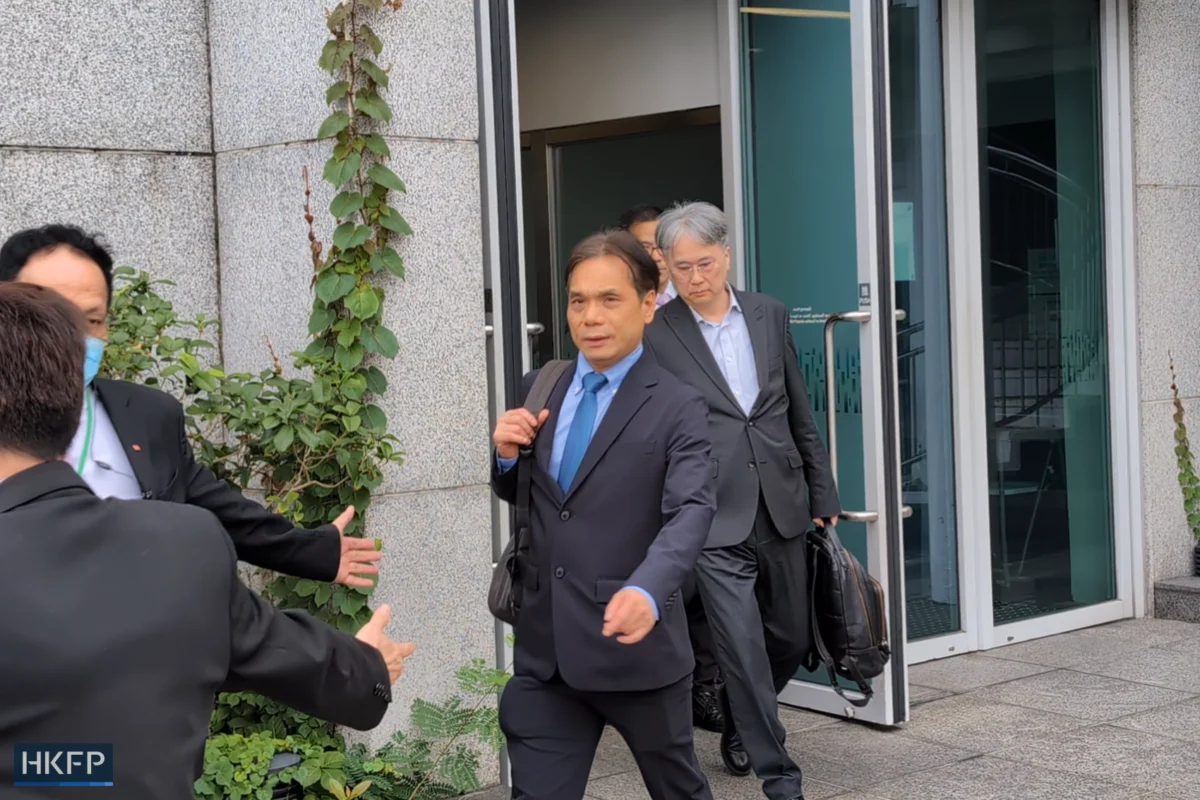
An independent committee tasked with investigating last year’s devastating Tai Po fire, Hong Kong’s deadliest in decades, has formally submitted its comprehensive final report to the city’s leader, Chief Executive John Lee. The report, delivered on Thursday morning, October 22, 2026, meticulously details the catastrophic blaze’s causes and identifies the parties deemed responsible. The submission marks a critical juncture in the aftermath of the tragedy that claimed 168 lives and displaced over 4,600 residents, raising profound questions about building safety, regulatory oversight, and accountability within the city’s governance.
The committee, chaired by Judge David Lok and comprising prominent figures such as lawmaker and Executive Councillor Chan Kin-por and Hospital Authority member Rex Auyeung, spent months examining the incident. Their findings are now under careful review by the government, which has pledged to "actively follow up on its recommendations, and shortly announce the plans for the comprehensive reforms and pursuing accountability." This commitment signals a crucial step towards addressing the systemic failures that contributed to the inferno and preventing similar disasters in the future.

Chronology of a Catastrophe and its Aftermath
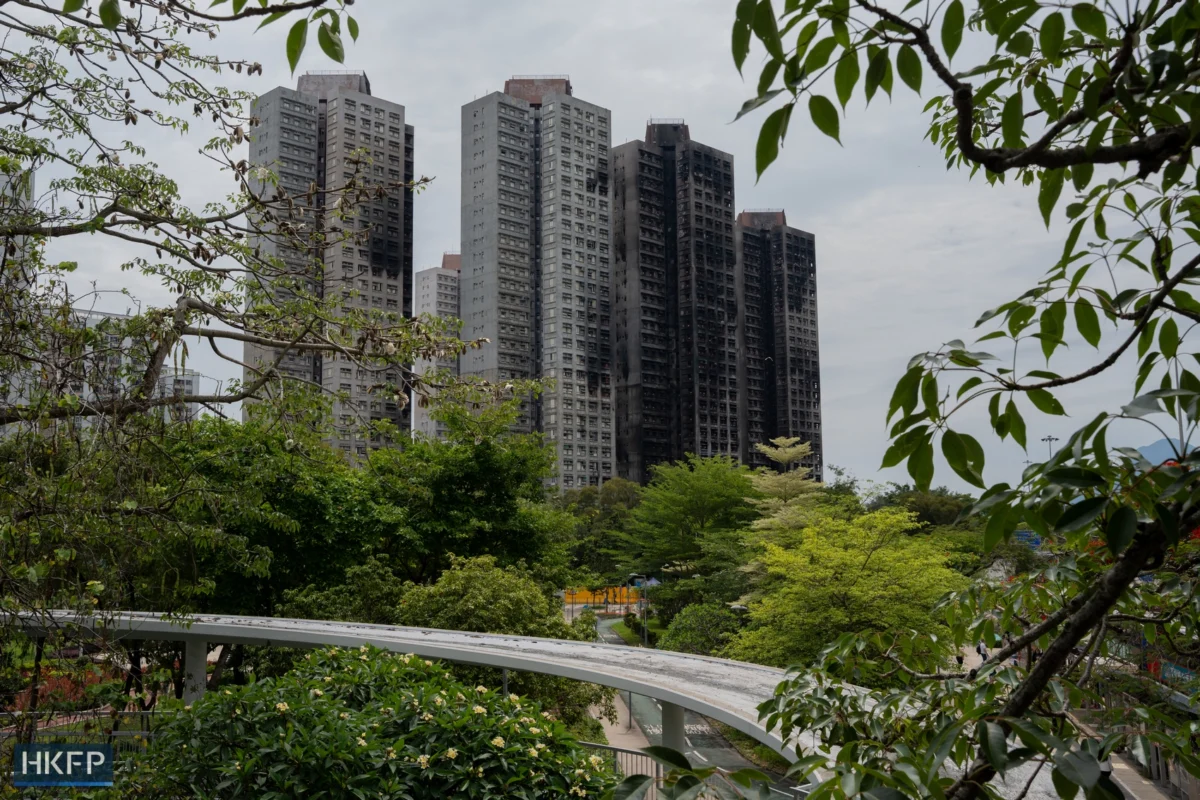
The fire erupted on November 26, 2025, at the government-subsidised Wang Fuk Court housing estate in Tai Po. The blaze rapidly spread across seven buildings, exacerbated by ongoing large-scale renovation works. The inferno raged for hours, leaving a trail of destruction and heartbreak. In the immediate aftermath, survivors and their families voiced deep distress and anger, recalling their prior attempts to flag safety concerns. Many had reportedly tried to alert authorities about the construction company and the consultancy overseeing the renovation project, only to be met with inaction or inadequate responses.
The establishment of the independent committee was a direct response to the immense public outcry and the urgent need for a thorough, impartial investigation. Chief Executive John Lee ordered its formation in December 2025, just days after the fire. The committee commenced its public hearings in March 2026, holding 30 sessions over four months. During this period, they heard testimony from a wide array of individuals, including representatives from the main contractor and consultancy firms, affected residents, and civil servants from various government departments. This extensive investigative process aimed to leave no stone unturned in uncovering the root causes and identifying any negligence.

Key Findings and Recommendations: Pinpointing Responsibility
While the full report is yet to be released to the public, initial reports and statements from government sources indicate a clear allocation of blame. According to HK01, citing sources, the report does not name specific government officials for direct criminal responsibility. Instead, the primary culpability for the tragedy is placed on the main contractor, Prestige Construction & Engineering, and the consultancy firm, Will Power Architects. These entities are identified as bearing the brunt of responsibility for the failures that led to the catastrophic loss of life and property.
However, the committee’s findings also extend to governmental oversight. The report is understood to name four government departments for their neglect of duties: the Housing Bureau’s Independent Checking Unit (ICU), the Fire Services Department, the Buildings Department, and the Labour Department. Among these, the ICU is reported to be bearing the most significant responsibility, suggesting a critical breakdown in the quality assurance and safety inspection mechanisms designed to protect public housing estates. The committee has deferred the decision on specific disciplinary actions against individual civil servants and department heads to the government itself, indicating a framework for administrative accountability.

Government Response and Future Actions
The government’s statement following the report’s submission underscores its intention to act decisively. "We will carefully study the Committee’s report, actively follow up on its recommendations, and shortly announce the plans for the comprehensive reforms and pursuing accountability," the statement read. This indicates a commitment to not only addressing the immediate fallout but also implementing systemic changes.
The path to public disclosure of the report, however, is being navigated with caution. The government stated it will consult legal opinions before publishing the document, particularly as several individuals involved in the probe have reportedly been charged with criminal offenses. A redacted version, designed to protect ongoing legal proceedings from prejudice, is expected to be released to the public as early as next week, according to HK01. This approach aims to balance transparency with the imperative of ensuring fair trials for those facing charges.

The Question of Ministerial Accountability
The question of whether senior government officials will face repercussions has been a focal point of public discussion. Leaks reported in early October 2026 by Ming Pao suggested that, with the current administration nearing the end of its term, ministerial dismissals were unlikely. Instead, the focus was anticipated to shift towards investigating the "administrative responsibility" of department heads and civil servants. This approach, if followed, would prioritize structural reforms and departmental accountability over high-level political resignations.
During the committee’s proceedings, Senior Counsel Victor Dawes, representing the independent committee, articulated a strong stance in his closing statement in July 2026. He argued that the government bore an "unshirkable responsibility" for the fire. This assertion highlighted the crucial role of regulatory bodies and government oversight in ensuring public safety, even when direct fault lies with private contractors. Conversely, a lawyer representing the government had previously urged a distinction between the "direct cause" of the incident and the authorities’ "regulatory responsibilities," suggesting that renovation contractors and professionals had "deliberately cheated" the government. This nuanced perspective underscores the complexity of assigning blame in such large-scale disasters.

Broader Implications and Calls for Reform
The Tai Po fire has served as a stark reminder of the potential vulnerabilities within Hong Kong’s urban infrastructure and regulatory frameworks, particularly concerning public housing and large-scale renovation projects. The tragedy has amplified calls for enhanced safety standards, more rigorous enforcement, and greater transparency in the construction and property management sectors.
The recommendations from the independent committee are expected to guide significant reforms aimed at bolstering fire safety protocols, improving building inspection procedures, and ensuring more effective oversight of contractors and consultants. The government’s commitment to studying and implementing these recommendations will be crucial in rebuilding public trust and demonstrating a genuine resolve to prevent future tragedies.

The sheer scale of the loss of life – 168 individuals – and the displacement of thousands of residents underscore the profound human cost of systemic failures. The report’s findings, when fully disclosed, will likely trigger a period of introspection and potentially significant policy shifts within Hong Kong’s governance. The public will be closely watching the government’s actions to ensure that accountability is truly served and that the lessons learned from the Tai Po fire translate into tangible improvements in public safety and regulatory effectiveness. The coming weeks and months will be critical in determining the extent to which Hong Kong can learn from this devastating event and fortify its defenses against future disasters.

 Siti Muinah

 Lina Irawan