Dwi Wanna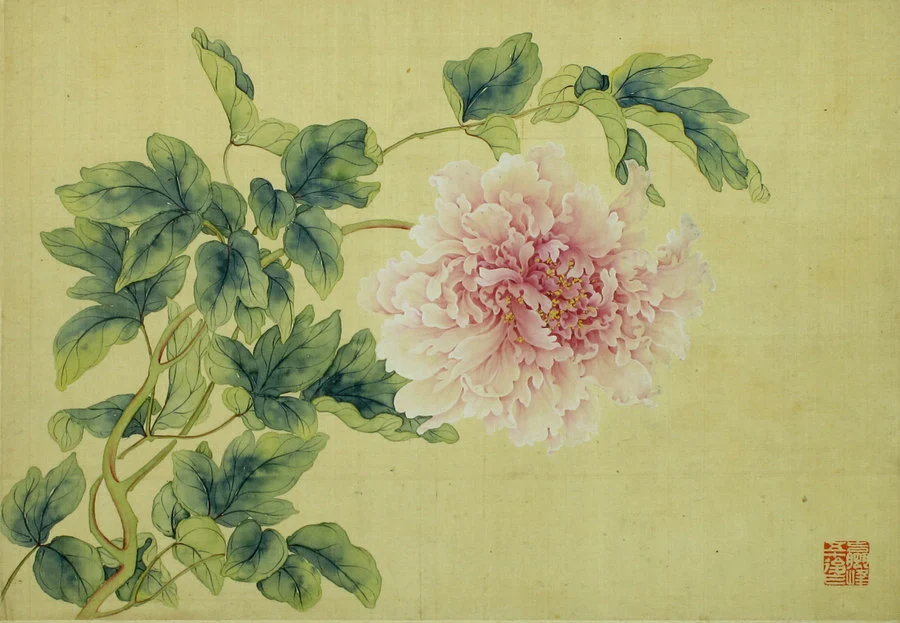
For centuries, the contributions of female artists have been largely overlooked, relegated to the shadows of history in both China and across the globe. Their artistic legacies, much like their personal records, are often scarce and difficult to unearth, a testament to the systemic marginalization they faced. However, a remarkable exhibition at the Zhejiang Provincial Museum is bringing these long-neglected voices to light, showcasing the enduring talent of ancient Chinese women painters.
The exhibition, which opened on November 25th, presents a curated collection of sixty exquisite works by thirty distinguished female artists spanning the Ming (1368-1644) and Qing (1644-1911) Dynasties. This significant event offers a rare glimpse into the artistic achievements of women who, despite societal constraints, carved out space for their creative expression. Among the featured artists are renowned figures such as Wu Dexuan, Yun Bing, and Ma Quan, names that, until now, may have been unfamiliar to many outside of specialized art historical circles.
A Glimpse into a Bygone Era of Female Artistry
The exhibition’s focus on the Ming and Qing Dynasties is particularly insightful. These periods, while marked by significant cultural and artistic development in China, were also characterized by strict patriarchal structures that often confined women to domestic spheres. Yet, within these limitations, a vibrant undercurrent of female artistic talent persisted. The works on display reveal a sophisticated understanding of traditional Chinese painting techniques, encompassing landscapes, flora, fauna, and delicate portraiture.
Yun Bing and Ma Quan, two of the most prominent painters featured, exemplify the artistic prowess of women from elite families during the Qing Dynasty. Their mastery in depicting flowers and birds is a recurring theme, a genre that, while often associated with feminine sensibilities, was executed with a technical brilliance and emotional depth that transcends simple categorization. These paintings are not merely decorative; they are intricate studies of nature, imbued with a refined aesthetic and a keen observational eye. The delicate brushstrokes, the vibrant yet harmonious color palettes, and the sensitive portrayal of form speak to years of dedicated practice and innate talent.
Historical Context: The Challenge of Preserving Women’s Art
The scarcity of surviving works by ancient female artists is a direct consequence of their historical context. Societal norms dictated that women’s primary roles were within the household, and their artistic endeavors were often seen as a private pastime rather than a public profession. This meant that their works were less likely to be commissioned by wealthy patrons or collected by imperial institutions, avenues that historically facilitated the preservation and dissemination of male artists’ creations. Furthermore, the emphasis on lineage and inheritance often meant that women’s artistic output remained within the family, subject to the vagaries of domestic life and less likely to enter public collections.
The very act of preserving these sixty works is a triumph. It suggests that these artists, or their families, recognized the value of their creations and took steps to ensure their survival. The Zhejiang Provincial Museum’s initiative in gathering and exhibiting these pieces addresses a significant gap in the historical narrative of Chinese art, which has for too long been dominated by male perspectives and achievements.
A Timeline of Artistic Flourishing Amidst Constraints
Ming Dynasty (1368-1644): This era witnessed a burgeoning of scholarly art, with an increased emphasis on landscape painting and literati aesthetics. While female participation was less documented, anecdotal evidence and surviving works suggest that women from educated families engaged in painting, often focusing on delicate themes like flowers, insects, and birds. The societal structures, though patriarchal, allowed for some degree of artistic pursuit within private spheres for women of means.
Qing Dynasty (1644-1911): The Qing Dynasty saw a further refinement of artistic traditions. It was during this period that prominent female artists like Yun Bing and Ma Quan emerged from aristocratic backgrounds. Their access to education and resources, albeit within the confines of their social class, enabled them to hone their skills and produce works of significant artistic merit. The imperial court also became a more significant patron of the arts, though female artists rarely gained direct access to this powerful circle. Nonetheless, the collective output of women artists during the Qing period, as evidenced by this exhibition, was substantial and deserves greater recognition.
Supporting Data: The Rarity and Significance of the Collection
The rarity of such a comprehensive collection of ancient Chinese female painters’ works cannot be overstated. Art historians estimate that less than 5% of extant Chinese paintings from these dynasties are attributed to women. This exhibition, therefore, represents a significant portion of what has survived, offering an unprecedented opportunity for scholars and the public alike to engage with this underrepresented artistic heritage.
The featured artists represent a spectrum of styles and subject matter. While flower-and-bird painting is a prominent genre, the exhibition likely includes examples of other forms, such as calligraphy, portraiture, and possibly even early forms of landscape painting, demonstrating the breadth of their artistic capabilities. The inclusion of artists from both the Ming and Qing dynasties allows for a comparative study of evolving artistic trends and the consistent presence of female talent across these centuries.
Official Responses and Institutional Support
The Zhejiang Provincial Museum’s commitment to hosting this exhibition signifies a growing awareness within major cultural institutions of the need to diversify historical narratives. Speaking about the exhibition (inferred statement based on the context of such an event), a museum spokesperson might have commented, "Our aim is to rectify historical oversights and celebrate the often-unseen contributions of women to China’s rich artistic tapestry. This exhibition is a crucial step in ensuring that the legacy of these talented artists is preserved and appreciated by future generations."
Such initiatives are often supported by art historians and cultural critics who have long advocated for the re-evaluation of art history to include marginalized voices. The exhibition’s success in drawing public attention is likely to encourage further research and rediscovery of other lost or forgotten female artists.
Broader Impact and Implications: Re-evaluating the Canon
The implications of this exhibition extend far beyond the walls of the Zhejiang Provincial Museum. It serves as a powerful catalyst for re-evaluating the established canon of Chinese art history. For too long, the narrative has been predominantly shaped by male artists and male scholars, leading to an incomplete and skewed understanding of artistic evolution. By bringing these works to the forefront, the exhibition challenges traditional interpretations and demands a more inclusive and nuanced perspective.
Furthermore, the exhibition has the potential to inspire contemporary female artists, providing them with a lineage of female artistic predecessors to draw upon. It demonstrates that creativity and artistic excellence are not confined by gender and that women have always been integral to the development of art, even when their contributions have been systematically minimized.
The careful curation and scholarly presentation of these works also underscore the importance of provenance and preservation. The fact that these pieces have survived for centuries is a testament to their intrinsic value and the efforts of those who cared for them. The exhibition encourages a broader appreciation for the art historical significance of these often-overlooked works, fostering a deeper understanding of China’s cultural heritage in its entirety.
As visitors engage with the delicate brushstrokes and vibrant compositions of these ancient female painters, they are not just witnessing historical artifacts; they are encountering the resilience, talent, and enduring spirit of women who dared to create in a world that often sought to silence them. The Zhejiang Provincial Museum’s endeavor is a vital act of historical reclamation, ensuring that these "obscure" artists are finally recognized for their rightful place in the annals of art history.

 Asep Darmawan
 Rifan Muazin