Siti Muinah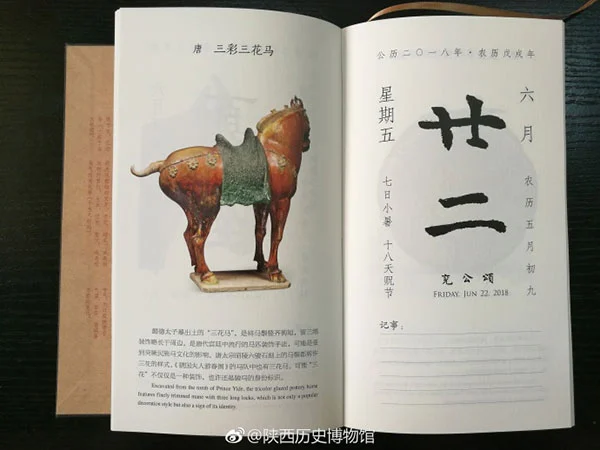
The Shaanxi History Museum has unveiled its inaugural cultural relics calendar, a meticulously curated publication designed to bring the grandeur of ancient Chinese artifacts into daily life. Released on Tuesday, the 2018 "Shaanxi History Museum Calendar," themed "Glamour of Chang’an, the Tang Treasures," features 365 exquisite pieces from the museum’s esteemed collection, offering a year-long journey through the rich historical and artistic heritage of Shaanxi province. This ambitious project represents a significant endeavor to make cultural heritage more accessible and engaging for the public, building upon the successful model of similar initiatives.
A Collaborative Vision: Bridging Heritage and Modernity
The creation of the "Shaanxi History Museum Calendar" is a testament to a collaborative spirit, bringing together the deep knowledge of experts from the Shaanxi History Museum and the innovative design sensibilities of the team behind the highly successful "Palace Museum Calendar." This partnership aims to leverage proven methods of presenting historical content in a contemporary and appealing format, ensuring that the beauty and significance of these ancient treasures resonate with a modern audience. The thematic focus on "Glamour of Chang’an, the Tang Treasures" is particularly poignant, as Chang’an, the ancient name for Xi’an, was the capital city during the Tang Dynasty (618-907 AD), a period widely regarded as a golden age of Chinese civilization, known for its cosmopolitanism, artistic brilliance, and expansive cultural influence.
The calendar’s innovative design thoughtfully integrates educational content with practical functionality. Each page is divided into two sections. The left side is dedicated to showcasing one selected cultural relic per day, accompanied by bilingual Chinese-English introductions that delve into the artifact’s history, cultural significance, and artistic merit. This dual-language approach ensures broader accessibility for both domestic and international audiences. The right side of each page provides the date, ample space for personal notes, and a unique artistic touch: the dates and festivals are presented using calligraphy derived from ancient masters’ inscriptions. This subtle yet profound integration of historical artistry into the daily structure of the calendar imbues each day with a sense of connection to China’s artistic legacy.
Deep Dive into the Collection: Tang Dynasty’s Enduring Legacy
The selection of 365 artifacts for the calendar is a strategic endeavor to highlight the breadth and depth of the Shaanxi History Museum’s holdings, with a particular emphasis on the Tang Dynasty. The Tang era is renowned for its artistic achievements, including advancements in ceramics, metalwork, painting, sculpture, and calligraphy. Many of the pieces featured are likely to be iconic examples of Tang art, such as the vibrant sancai (three-color) glazed pottery figures, often depicting court ladies, musicians, and foreign envoys, reflecting the dynasty’s openness to international exchange. Gold and silver ware, known for their intricate craftsmanship and elaborate designs, are also expected to be prominent, showcasing the wealth and sophistication of the Tang imperial court and elite.
Beyond the Tang Dynasty, the calendar will undoubtedly draw from Shaanxi’s even deeper historical roots. As one of the cradles of Chinese civilization, the province boasts a treasure trove of artifacts spanning millennia, from the Neolithic period through subsequent dynasties like the Han, Sui, and Song. This broader representation would provide a comprehensive overview of China’s dynastic evolution as reflected in the material culture housed in the Shaanxi History Museum. For instance, early bronze wares from the Zhou Dynasty, jade carvings from the Han Dynasty, or exquisite porcelains from later periods could also be featured, offering a chronological narrative of artistic and technological development. The museum’s extensive collection includes a vast array of pottery, bronzes, jade, gold, silver, textiles, murals, and Buddhist sculptures, many of which have been unearthed from significant historical sites within Shaanxi.
The Significance of Shaanxi in Chinese History
Shaanxi province holds a unique and pivotal position in the grand narrative of Chinese history. For over a thousand years, it served as the imperial capital for numerous dynasties, most notably the Qin, Han, and Tang. This concentration of imperial power and influence led to the accumulation of an unparalleled wealth of cultural heritage. The Shaanxi History Museum, established in 1983, is one of China’s premier institutions dedicated to preserving and exhibiting this rich legacy. Its collection comprises over 430,000 artifacts, many of which are national treasures.
The choice to focus the calendar’s theme on Chang’an and Tang treasures is particularly fitting. Chang’an was not only a political center but also a vibrant hub of cultural and commercial activity during the Tang Dynasty. It was a cosmopolitan metropolis that attracted people, ideas, and goods from across Asia and beyond, fostering an environment of unprecedented artistic innovation and cultural exchange. The artifacts from this period therefore offer a window into a dynamic and interconnected world, reflecting the Tang Dynasty’s imperial ambitions, its sophisticated court life, and its profound impact on the development of East Asian civilization.
A Historical Chronology of Cultural Accessibility Initiatives
The release of the "Shaanxi History Museum Calendar" is part of a broader, evolving trend in China’s cultural sector: the increasing effort by museums and heritage institutions to make their collections more accessible and engaging to the public. This trend can be traced back several decades, with early initiatives often focusing on exhibitions and publications.
- Mid-20th Century Onwards: Establishment of major national and provincial museums, including the Shaanxi History Museum, laying the groundwork for systematic collection and preservation.
- Late 20th Century: Increased efforts in public education through exhibitions, lectures, and the publication of scholarly catalogs.
- Early 21st Century: Emergence of more popular-oriented publications and merchandise, with the "Palace Museum Calendar" (released by the Palace Museum in Beijing) becoming a landmark success. This calendar, known for its innovative presentation of imperial artifacts and daily life, began to gain significant traction in the early 2010s, demonstrating a strong market demand for culturally rich daily items.
- Mid-2010s to Present: Proliferation of similar initiatives by other museums, including the "Shaanxi History Museum Calendar." This period has also seen a significant rise in digital engagement, with museums developing online exhibitions, virtual tours, and social media campaigns to reach a wider audience. The "cultural and creative products" (文创产品 – wénchuàng chǎnpǐn) market has boomed, with museums actively developing merchandise ranging from stationery and apparel to replicas of artifacts.
The "Shaanxi History Museum Calendar" can be seen as a direct evolution from the success of the "Palace Museum Calendar," adapting the successful model to showcase the unique treasures of another historically significant region. This suggests a growing recognition within cultural institutions of the commercial viability and public impact of well-designed, heritage-focused merchandise.
Supporting Data and Market Context
The success of the "Palace Museum Calendar" provides a compelling precedent for the "Shaanxi History Museum Calendar." The Palace Museum calendar has consistently been a bestseller, often selling out rapidly after its release. Reports indicate that millions of copies have been sold annually in recent years, generating significant revenue and raising the profile of the Palace Museum’s vast collection. This demonstrates a substantial and eager market for high-quality cultural products that offer both aesthetic appeal and educational value.
The market for cultural and creative products in China has experienced exponential growth. According to various industry reports, the overall market size for cultural and creative industries in China has been expanding significantly, driven by increased disposable incomes, a growing appreciation for traditional culture, and government support for cultural innovation. Museums are increasingly viewed not just as repositories of artifacts but as potential drivers of cultural consumption and economic activity. The sale of merchandise, including calendars, postcards, books, and replicas, represents a crucial revenue stream that can support museum operations, conservation efforts, and the development of new exhibitions and educational programs.
The "Shaanxi History Museum Calendar" is strategically positioned to tap into this lucrative market. By offering a high-quality product that combines historical significance with aesthetic appeal and practical utility, it is likely to attract a wide range of consumers, including history enthusiasts, art lovers, educators, students, and tourists. The bilingual format further expands its market potential to international buyers interested in Chinese culture.
Official Statements and Inferred Reactions
While direct quotes from museum officials regarding the calendar’s release are not provided in the initial content, the initiative itself speaks volumes about the museum’s strategic direction. The decision to release such a calendar, in collaboration with a proven entity like the "Palace Museum Calendar" team, indicates a proactive approach to public engagement and heritage dissemination.
One can infer that museum leadership sees this as a vital step in broadening the reach of Shaanxi’s rich history beyond the physical confines of the museum. The calendar serves as a tangible ambassador for the collection, inviting individuals to engage with these ancient treasures on a daily basis. This aligns with a broader trend in the museum world, where institutions are increasingly seeking innovative ways to connect with diverse audiences and to demonstrate their relevance in contemporary society.
The collaborative aspect with the "Palace Museum Calendar" team suggests a strategic understanding of market dynamics and design excellence. This partnership likely reflects a shared vision for making cultural heritage not just preserved, but actively appreciated and integrated into people’s lives. The success of the Palace Museum’s initiative would have provided strong evidence and a valuable blueprint for Shaanxi History Museum to replicate and adapt.
Broader Impact and Implications
The release of the "Shaanxi History Museum Calendar" carries several significant implications for the museum, the province, and the broader cultural landscape of China.
Enhanced Public Engagement and Cultural Awareness
The calendar’s primary impact will be to foster greater public engagement with Shaanxi’s historical and cultural heritage. By bringing images of exquisite artifacts into people’s homes and offices, it serves as a constant reminder of the province’s profound historical significance. This can lead to increased interest in visiting the museum, learning more about Chinese history, and developing a deeper appreciation for traditional art and craftsmanship. The bilingual nature of the calendar also plays a crucial role in promoting Chinese culture internationally, offering a sophisticated and accessible introduction to its artistic achievements.
Revenue Generation and Financial Sustainability
As demonstrated by the success of similar initiatives, the calendar has the potential to be a significant source of revenue for the Shaanxi History Museum. This financial inflow can be vital for supporting the museum’s ongoing operations, including artifact preservation, research, exhibition development, and educational programming. In an era where cultural institutions often face funding challenges, such revenue-generating products are increasingly important for ensuring long-term sustainability and operational capacity.
Promoting Regional Cultural Identity
The calendar specifically highlights the "Glamour of Chang’an, the Tang Treasures," placing a spotlight on the unique historical and cultural contributions of Shaanxi province. This can contribute to strengthening regional cultural identity and pride, showcasing the province as a custodian of some of China’s most important historical narratives. By drawing attention to its unique collection, the Shaanxi History Museum can further solidify its position as a leading cultural institution within China.
Setting a Precedent for Other Institutions
The success of both the "Palace Museum Calendar" and, by extension, the "Shaanxi History Museum Calendar," could serve as a powerful catalyst for other museums and cultural heritage sites across China. It validates the approach of creating high-quality, commercially viable cultural merchandise that blends historical content with modern design. This may encourage other institutions to develop similar projects, leading to a wider dissemination of China’s diverse cultural heritage and a more vibrant cultural products market.
The Evolution of Museum Patronage
This initiative reflects a shift in how people interact with and support cultural institutions. Consumers are increasingly willing to invest in products that offer a tangible connection to history and art. This "cultural consumption" not only benefits the institutions financially but also cultivates a more informed and engaged citizenry, transforming passive observers into active participants in the preservation and appreciation of cultural heritage. The calendar is more than just a date tracker; it is an educational tool, an art piece, and a cultural artifact in its own right, fostering a deeper and more personal connection between the public and the nation’s ancestral legacy.

 Asep Darmawan
 Rifan Muazin