Asep Darmawan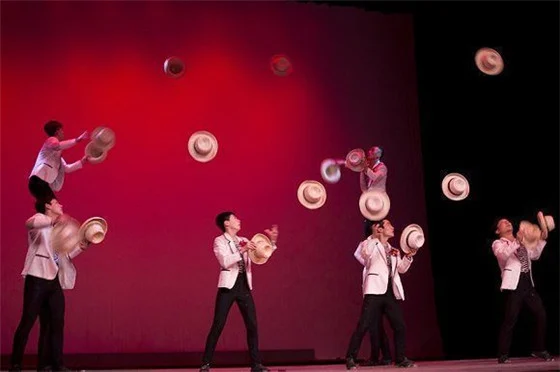
The 27th Havana International Book Fair, a cornerstone of Cuba’s cultural calendar, played host to a spectacular display of Chinese artistry as the Shandong Art Troupe presented a captivating performance on February 2nd. Held at the prestigious Alicia Alonso Grand Theater in the Cuban capital, the event served as a vibrant prelude to the upcoming Chinese New Year, offering a rich tapestry of traditional and contemporary Chinese culture to an enthusiastic local audience. The troupe’s multifaceted program, featuring festive Chinese music, dynamic dances, breathtaking acrobatics, mesmerizing magic shows, and powerful martial arts demonstrations, created an electrifying atmosphere that resonated deeply with attendees, fostering a spirit of international cultural exchange and festive anticipation.
A Cultural Bridge: Shandong’s Artistic Diplomacy
The Shandong Art Troupe’s presence at the Havana International Book Fair underscored China’s role as the honored guest nation for the 2018 edition of the prestigious literary event. This significant designation provided a unique platform for China to showcase its diverse cultural heritage to a global audience. The troupe’s performances were not merely entertainment; they represented a deliberate effort to build cultural bridges and deepen understanding between China and Cuba. The artistic presentations were meticulously curated to offer a comprehensive glimpse into the soul of Chinese culture, from the time-honored elegance of Peking Opera to the exhilarating prowess of modern acrobatic feats.
The troupe’s initial engagement at the book fair commenced on February 1st with performances during the official opening ceremony, setting a high standard for the cultural programming throughout the event. This strategic placement ensured that China’s cultural contributions were highlighted from the outset, drawing attention to the depth and breadth of its artistic traditions. The subsequent gala at the Alicia Alonso Grand Theater on February 2nd was designed to be a more immersive experience, allowing for a wider range of artistic expressions to be presented in a dedicated setting.
Echoes of Spring Festival: A Cultural Prelude
The timing of the Shandong Art Troupe’s performances was particularly significant, coinciding with the lead-up to the Chinese New Year, also known as the Spring Festival. This traditional holiday is the most important festival in China, characterized by family reunions, elaborate celebrations, and a spirit of renewal and hope. By bringing a taste of these festive traditions to Havana, the troupe effectively extended warm New Year’s greetings to the Cuban people, fostering a sense of shared joy and cultural connection.

The performances themselves were a vibrant testament to the liveliness of the Spring Festival atmosphere. Classic Peking Opera, with its intricate costumes, stylized movements, and dramatic storytelling, offered a glimpse into China’s rich theatrical history. The dazzling display of Chinese acrobatics, a discipline renowned for its precision, strength, and breathtaking artistry, captivated audiences with its daring feats and impeccable coordination. Complementing these traditional forms were upbeat and vibrant Chinese music and dances, which injected a contemporary energy into the show, appealing to a broad spectrum of tastes and ages. The infectious rhythms and colorful choreography created an immersive experience that transported attendees, even if only for a few hours, into the heart of Chinese celebration.
A Celebrated Reception: Official Acclaim and Public Enthusiasm
The cultural gala received a highly positive reception from both official representatives and the general public. Abel Prieto, the Cuban Minister of Culture, lauded the performances, highlighting the diversity and beauty showcased by the Shandong Art Troupe. His remarks underscored the significance of China’s participation as the guest of honor.
“I am very happy with how the Chinese government assumed the commitment to be the nation guest of honor at our book fair,” stated Minister Prieto. “They made a real effort to bring China’s culture as an important gift for readers and in general for the Cuban public.” This statement emphasizes the mutual benefit derived from such cultural exchanges, where the guest nation’s contributions are seen as a valuable offering to the host country.
The public’s reaction was equally enthusiastic, with local residents flocking to the performances, eager to experience Chinese culture firsthand. The vibrant nature of the show, a blend of the familiar and the exotic, proved to be a powerful draw. The acrobatic troupe, in particular, garnered significant attention, with one performance featuring jugglers incorporating a distinctive Michael Jackson-esque dance style into their routine, demonstrating a fascinating fusion of global and traditional artistic elements. This unexpected blend highlighted the evolving nature of Chinese art forms and their ability to engage with contemporary global trends.
The Havana International Book Fair: A Literary and Cultural Nexus
The 27th Havana International Book Fair, the backdrop for these cultural festivities, is a significant event in Cuba’s literary and cultural landscape. Commencing on February 1st at the historic Fortress of San Carlos de la Cabana, the fair is recognized as a major event within the Cuban publishing sector and a vital cultural happening for the entire nation. Its importance extends beyond mere book sales, serving as a crucial venue for intellectual discourse, artistic expression, and international dialogue.

The scale of the 2018 fair was substantial, attracting approximately 122 exhibitors from 22 nations to its main venue. The extensive academic, artistic, and literary program necessitated the utilization of 22 sub-venues across Havana, a testament to the fair’s broad reach and the complexity of its organization. This decentralized approach allowed for a more accessible and diverse range of events, catering to a wider audience and facilitating a more profound engagement with the various themes and participants.
The fair’s itinerary is designed to maximize its impact, with its first stage concluding in Havana on February 11th. Following its Havana run, the fair embarks on a nationwide tour, extending its reach to other regions of Cuba. This extension culminates on May 13th in the eastern city of Santiago de Cuba, ensuring that the cultural benefits of the book fair are disseminated across the island.
The Broader Implications: Cultural Diplomacy and Soft Power
The Shandong Art Troupe’s successful performances at the Havana International Book Fair exemplify the growing importance of cultural diplomacy in international relations. By presenting a diverse and engaging cultural program, China not only enriched the fair’s offerings but also projected a positive and multifaceted image to the Cuban public and the international community. Such cultural exchanges serve as powerful tools of "soft power," fostering goodwill, building mutual understanding, and strengthening bilateral ties through shared experiences and appreciation for artistic endeavors.
The troupe’s ability to seamlessly blend traditional and contemporary elements in their performances also speaks to the dynamic evolution of Chinese culture itself. It demonstrates a capacity to honor its rich past while embracing innovation and global influences, a narrative that resonates with many nations navigating their own cultural identities in an interconnected world. The positive reception from Cuban officials and the public alike suggests that such initiatives are highly valued and contribute significantly to the broader goals of international cooperation and friendship. The sustained engagement of China as a guest of honor at such prominent international events signals a strategic commitment to leveraging cultural exchange as a key component of its foreign policy. The success in Havana, therefore, can be seen as a microcosm of China’s broader strategy to enhance its global cultural influence and foster deeper relationships with nations across the globe.

 Rifan Muazin