
 Asep Darmawan
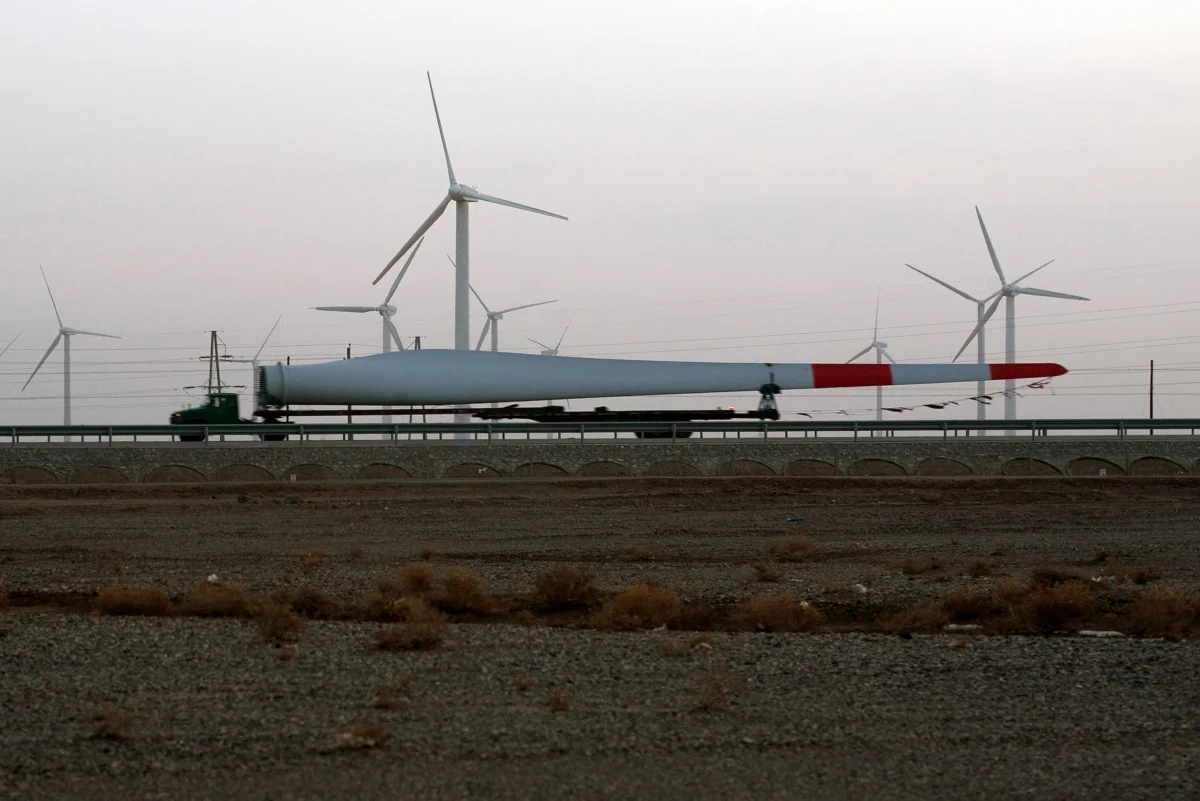
China has emerged as the undisputed leader in the global push towards electrification, accounting for a staggering 80% of the worldwide increase in electrification rates since 2015. This remarkable achievement, detailed in the "China’s Electrical Development Annual Report 2026" released by the China Electricity Council on September 22, underscores the nation’s pivotal role in shaping the future of energy. The report also reveals that China’s own electrification rate reached approximately 29.5% in 2025, a significant milestone that positions it at the forefront of this transformative shift. These figures are particularly relevant as electrification targets are poised to be a central theme at the upcoming COP31 climate negotiations, where several nations are advocating for an ambitious global goal of achieving a 35% electrification rate by 2035.
China’s Dominant Role in Global Electrification
The "China’s Electrical Development Annual Report 2026," a comprehensive analysis of the nation’s progress and outlook in the electricity sector, paints a clear picture of China’s profound impact on the global energy landscape. The report, based on extensive data collection and analysis, highlights that since 2015, China has not only dramatically increased its own reliance on electrified systems but has also become the primary engine driving this transition worldwide. This dominance is not merely a reflection of domestic policy but is intrinsically linked to China’s burgeoning clean technology manufacturing and export capabilities.
The report quantifies this influence by stating that 80% of the global increase in electrification rates between 2015 and the present can be attributed to China. This translates to a significant acceleration of the transition away from fossil fuels on a global scale, a critical endeavor in the fight against climate change. The report’s findings are particularly timely given the growing international focus on electrification as a key strategy for decarbonization.
A Look at China’s Domestic Electrification Progress
Domestically, China has made substantial strides. The electrification rate reached an impressive 29.5% in 2025. This metric typically refers to the proportion of end-use energy consumption that is met by electricity, rather than direct combustion of fossil fuels. This encompasses a wide range of sectors, including transportation (electric vehicles), industry (electric furnaces, heating), and residential use (electric cooking, heating).
The growth in China’s electrification rate is a testament to a multi-faceted approach involving government policy, technological innovation, and massive investment in both renewable energy generation and grid infrastructure. Policies such as subsidies for electric vehicles, mandates for renewable energy integration, and the development of smart grids have all played crucial roles.
Greenpeace East Asia’s Perspective on China’s Global Impact
Liu Junyan, Beijing-based Deputy Program Director at Greenpeace East Asia, emphasized the far-reaching implications of China’s electrification efforts. "China’s total impact on the global transition towards electrification is only beginning," Liu stated. "The core of impact since 2015 here has been China’s own domestic electrification. But China’s increased export of clean tech like batteries and electric vehicles along with solar components are a major driver in electrification globally."
This dual impact—domestic advancement and global export—is what makes China’s role so significant. The nation’s massive investments in research and development, coupled with its extensive manufacturing capacity, have made clean energy technologies more affordable and accessible worldwide. This has democratized access to cleaner energy solutions, particularly for developing nations.
Liu further elaborated on the evolving nature of China’s global influence: "This is also reaching a tipping point as Chinese clean tech enterprises increasingly go overseas to set up manufacturing and value chains, not just export. China in many ways is engineering global electrification." This shift from simply exporting products to establishing local production facilities and integrated value chains signifies a deeper level of engagement and a potential for more sustainable and localized clean energy ecosystems abroad.
The Road Ahead: COP31 and International Commitments
The upcoming COP31 climate summit is anticipated to place electrification targets at the forefront of international climate negotiations. The report’s findings provide a crucial backdrop for these discussions, showcasing the potential for rapid progress when driven by a major global player like China. The push for a 35% global electrification rate by 2035, as advocated by some governments, is a challenging but increasingly achievable goal, especially with China’s continued leadership.
Greenpeace’s Liu Junyan highlighted the dual responsibilities China faces in this international arena. "China in many ways is engineering global electrification. But this transition is also one where China shifts into a more rule-making role internationally." This suggests that as China’s influence grows, so does its responsibility to shape international norms and standards for the clean energy sector.
Strengthening Environmental and Social Safeguards
A critical aspect of China’s expanding global footprint, as highlighted by Greenpeace, is the imperative to ensure that its overseas investments and operations uphold robust environmental and social standards. "Chinese solar, battery, and electric vehicle enterprises going abroad critically must be vectors for strengthening environmental regulation, just transitions, and the social co-benefits of these technologies’ deployment," Liu emphasized.
This call for responsible outward investment is crucial. As Chinese companies establish manufacturing plants and supply chains in other countries, they have the potential to either elevate or undermine local environmental regulations and labor practices. The expectation is that these companies will replicate, and ideally surpass, the increasingly stringent environmental regulations being implemented within China itself.
"Regulation of these industries is strengthening in China," Liu noted. "As Chinese companies invest overseas, and access markets and resources, they need to create the same or even stronger protections for communities and ecosystems abroad." This emphasizes a principle of global environmental stewardship, where the standards set in one of the world’s largest economies should be a benchmark for their international operations.
China’s Domestic Strategy: Phasing Out Fossil Fuels
While China is a powerhouse in clean energy technology, its domestic energy landscape still includes a significant reliance on fossil fuels. Liu Junyan pointed out the necessity for continued progress in this area: "Electrification will be a core focus in the discussions at COP31, and China’s work will be on two levels. Domestically, China needs to make progress in phasing out fossil fuels so wind and solar realize the true benefits of this electrification groundwork now in place."
This underscores a critical point: the full potential of electrification, particularly through renewable sources like wind and solar, can only be realized when coupled with a decisive move away from coal and other fossil fuels. The infrastructure and technological advancements in electrification will amplify their benefits when the primary energy sources powering the grid are also clean. This requires a strategic and managed transition away from coal-fired power plants, a complex undertaking given China’s vast energy demands.
Supporting the Global South in Electrification
Beyond its own domestic advancements and global export leadership, China is also expected to play a crucial role in supporting other nations, particularly those in the Global South, in their electrification journeys. "Internationally, China will need to actively support other countries, especially in the Global South, to realize electrification goals," Liu stated.
This support can take various forms, including financial investment, technology transfer, capacity building, and the sharing of best practices. Many developing nations face significant challenges in accessing capital and expertise needed to build out their own clean energy infrastructure. China’s experience and its dominant position in the clean tech market position it to be a key partner in these efforts. This also presents an opportunity for China to further its diplomatic and economic influence by fostering sustainable development in these regions.
Supporting Data and Context
- Global Electrification Trends: According to the International Energy Agency (IEA), global electricity demand is projected to grow significantly in the coming decades, driven by factors such as population growth, economic development, and the increasing adoption of electric vehicles and heat pumps. Electrification is seen as a cornerstone of achieving net-zero emissions by mid-century.
- China’s Renewable Energy Capacity: China is the world’s largest producer of renewable energy, with massive installed capacities in solar and wind power. As of 2023, China accounted for over 50% of the world’s total renewable energy capacity.
- Electric Vehicle Market: The electric vehicle (EV) market has experienced exponential growth, with China leading the charge in both production and sales. Chinese EV manufacturers have rapidly expanded their global presence.
- Battery Technology: China is the dominant player in the global battery market, particularly for electric vehicles and energy storage systems. Companies like CATL and BYD are global leaders in battery manufacturing.
- COP Negotiations: The Conference of the Parties (COP) to the UNFCCC is the primary international forum for climate change negotiations. COP meetings bring together governments, businesses, and civil society to discuss and agree on actions to address climate change. Electrification targets are increasingly being discussed as a concrete measure to reduce greenhouse gas emissions.
Broader Implications and Future Outlook
China’s leading role in electrification presents both opportunities and challenges for the global community. On one hand, its advancements in clean technology and its significant investments are accelerating the transition to a low-carbon economy. This can lead to lower energy costs, improved air quality, and greater energy security for many nations.
On the other hand, the concentration of manufacturing and supply chains in China raises concerns about geopolitical dependencies and the need for diversified and resilient global supply networks. The emphasis on strengthening environmental and social safeguards for Chinese overseas investments is a crucial aspect of ensuring that this global transition is equitable and sustainable.
The "China’s Electrical Development Annual Report 2026" serves as a vital indicator of the trajectory of global energy. As the world converges on COP31 to discuss the future of climate action, China’s demonstrated leadership in electrification, coupled with its evolving role in setting international standards and supporting developing nations, will undoubtedly shape the outcomes of these critical negotiations. The coming years will be pivotal in determining whether this surge in electrification translates into a truly sustainable and just global energy future.


 Asro
 Sagoh