Lina Irawan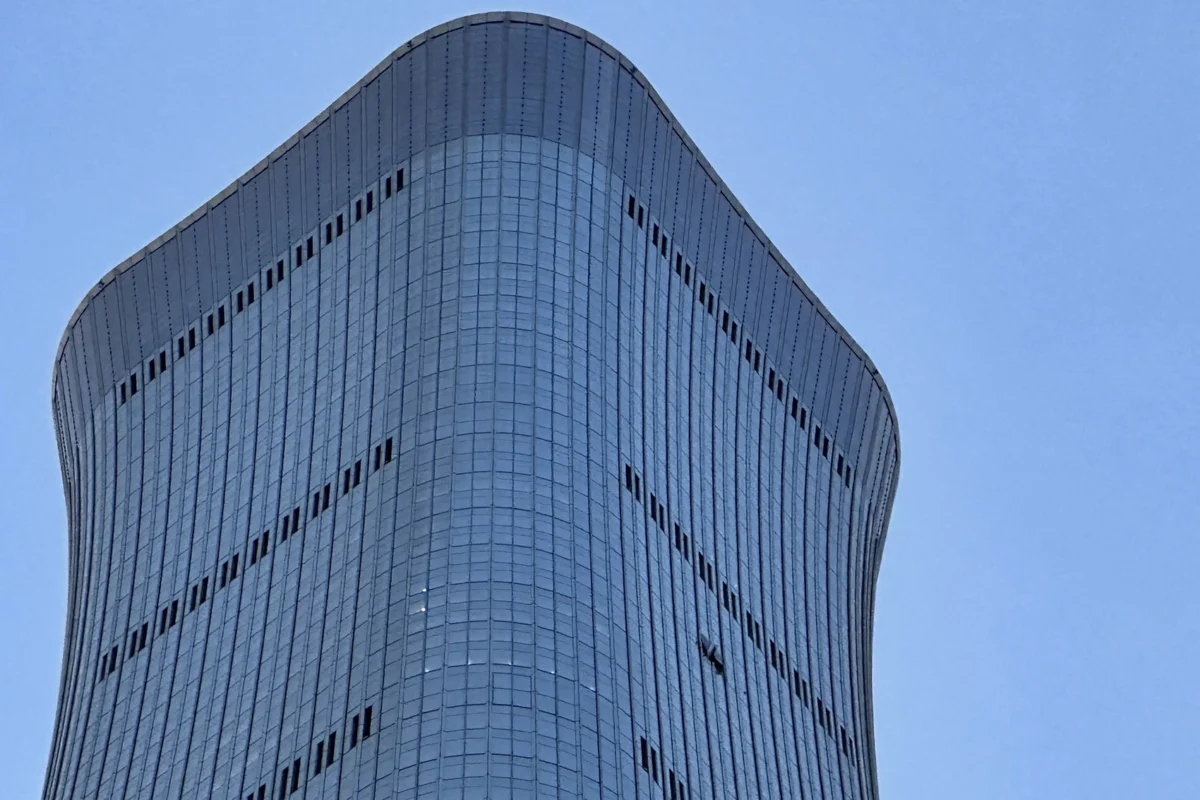
Authorities in Beijing on Thursday, July 2, 2026, confirmed that the pilot involved in the devastating crash of a small aircraft into the city’s tallest skyscraper, the CITIC Tower, on Friday, June 26, 2026, suffered from significant mental health issues and had documented suicidal ideations in his personal diary. The incident, which resulted in the pilot’s death and injuries to 13 individuals within the building, has ignited profound concerns regarding aviation safety protocols in one of the world’s most tightly controlled airspaces and brought the sensitive topic of mental health to the forefront in China.
The Tragic Incident Unfolds
The catastrophic event occurred at approximately 5:55 PM local time (0955 GMT) on Friday, June 26, 2026. A two-seat, propeller-driven light aircraft, piloted by a 66-year-old man identified only by his surname, Liu, veered dramatically off course and slammed into the upper floors of the 528-meter (1,732-foot) CITIC Tower, also known as "China Zun." The skyscraper, a prominent fixture in Beijing’s bustling Central Business District, sustained visible damage, with eyewitnesses reporting a gaping hole in the windows of one of its upper levels. Initial reports from the scene described plane debris scattered at the base of the tower and a small fire that was quickly brought under control by emergency services. The immediate aftermath was marked by chaos, as emergency personnel rushed to the scene to assess the damage, rescue potential victims, and secure the area. The 13 injured individuals were promptly transported to nearby hospitals for treatment, though the nature and severity of their injuries were not immediately detailed.

Chronology of a Fatal Flight
The investigation into the crash quickly pieced together a timeline of Liu’s final flight. According to a statement released by the Chaoyang district government, Liu, a licensed sport pilot since 2021 and a private pilot since 2024, had taken off earlier on the afternoon of the incident from a general aviation airport located in the suburban Pinggu district. His flight itinerary for the day included both supervised and solo flights, a standard practice for pilots maintaining their proficiency. However, during his final solo flight, Liu reportedly "deviated from the designated area and lost contact with the airport" shortly before the crash. This deviation from the approved flight path, combined with the subsequent impact, pointed investigators towards a deliberate act rather than an accidental malfunction. The swiftness of the deviation and the direct trajectory towards the iconic skyscraper suggested a pre-meditated course of action. The incident unfolded rapidly, leaving air traffic control and airport authorities little to no time to intervene once contact was lost and the unauthorized deviation was detected.
Pilot’s Background and Mental Health Revelations
The official statement from the Chaoyang district government provided critical insights into the pilot’s personal life and state of mind, painting a grim picture of his struggles. Liu was described as divorced and living alone in Beijing. Crucially, authorities revealed that he "had long suffered from insomnia and anxiety, and his diary contained multiple references to ‘ending his life’." This detailed disclosure effectively categorized the incident as "an incident endangering public safety caused by personal reasons," firmly establishing the motive as suicide.

The revelation of Liu’s mental health struggles has opened a broader conversation about the challenges of mental health awareness and support in China. While strides have been made in recent years, mental health issues often remain stigmatized, leading many individuals to suffer in silence or avoid seeking professional help. A 2019 study published in The Lancet Psychiatry estimated that approximately 173 million adults in China had a mental health disorder, with depression and anxiety being among the most prevalent. However, treatment gaps remain significant, particularly in rural areas, and public understanding of mental illness is still developing. Liu’s case, where severe anxiety and suicidal ideation seemingly went unaddressed or were not sufficiently mitigated, underscores the urgent need for improved mental health infrastructure and destigmatization efforts across the nation.
Aviation Safety and Beijing’s Airspace Security
The crash has inevitably prompted a rigorous re-evaluation of aviation safety and airspace security, particularly around Beijing, which is known for having some of the most restricted and heavily monitored airspace globally. The CITIC Tower, situated approximately seven kilometers (4.3 miles) from Zhongnanhai, the highly sensitive government compound housing China’s top leaders, represents a significant symbol of national pride and economic power. The ability of a private light aircraft to penetrate such a sensitive zone has raised serious questions about the efficacy of existing security layers.
China’s general aviation sector, while smaller than its commercial counterpart, has been experiencing gradual growth. The sector operates under strict regulations, with flight plans requiring prior approval and pilots needing to adhere to designated corridors. Any deviation is typically met with immediate responses from air traffic control and, if necessary, military authorities. For a pilot to deviate so dramatically and impact a landmark skyscraper suggests either a failure in real-time monitoring, an unprecedented breach of protocol, or a deliberate act executed with speed and precision that bypassed conventional safeguards. Experts in aviation security are likely to scrutinize the layers of air traffic control, radar surveillance, and military readiness that are usually in place to protect the capital’s airspace. The incident may lead to tightened regulations for private pilot licensing, more stringent psychological evaluations, and enhanced real-time tracking capabilities for all general aviation flights, especially those originating from airports within a certain radius of major urban and politically sensitive centers.

The CITIC Tower: A Symbol Under Attack
The CITIC Tower, completed in 2018, stands as the tallest building in Beijing and the eighth-tallest in the world, symbolizing China’s economic prowess and architectural ambition. Designed to evoke the ancient Chinese ritual vessel "Zun," its distinctive curved silhouette dominates the city’s skyline. The choice of such an iconic target for a suicidal act carries profound symbolic weight, turning a personal tragedy into a highly public and politically sensitive event.
While initial assessments indicated the building’s structural integrity was not fundamentally compromised by the relatively small aircraft, the visible damage served as a stark reminder of its vulnerability. Emergency services, including structural engineers, were on site immediately to evaluate the extent of the impact and ensure the safety of the building’s occupants and structure. The rapid deployment of resources underscored the importance placed on the building’s symbolic and practical significance. Operations within the tower were likely disrupted for a period, impacting businesses and individuals working within the skyscraper, as safety checks and repairs commenced.
Information Control and Public Reaction

In the immediate aftermath of the crash, Chinese social media platforms witnessed a rapid and thorough scrubbing of photos, videos, and discussions related to the incident. Police at the scene actively prevented journalists and onlookers from capturing images of the damaged building. This swift and extensive censorship is characteristic of how Chinese authorities manage sensitive public events, aiming to control the narrative, prevent panic, and potentially suppress any unauthorized speculation that could challenge official accounts or incite public unrest.
While the official statement provided clarity on the pilot’s motive, the initial lack of information fueled speculation online before the censorship measures took full effect. The incident’s nature, involving a plane crash into a major landmark, would typically generate widespread public discussion and media coverage in other nations. In China, however, the emphasis is often on maintaining social stability and ensuring that official channels are the sole source of verified information. This approach, while effective in controlling the narrative, can sometimes lead to public frustration and a sense of opacity, particularly regarding events of significant public interest. The official explanation, attributing the crash to "personal reasons" stemming from mental health issues, serves to depoliticize the incident and frame it as an isolated tragedy rather than a systemic failure.
Broader Implications and Future Outlook
The CITIC Tower crash, while officially declared an isolated incident driven by personal despair, carries several broader implications for China. Firstly, it will undoubtedly lead to a tightening of general aviation regulations, particularly concerning airspace access around major metropolitan areas and sensitive government installations. This might include more rigorous background checks for pilot licensing, mandatory psychological assessments, and advanced real-time tracking systems for all private flights. The existing "low-altitude airspace reform," aimed at gradually opening up China’s skies to private and general aviation, may face renewed scrutiny and potentially slower implementation as security concerns take precedence.

Secondly, the incident could prompt a more open discussion and greater emphasis on mental health support within professional communities, including pilots. The aviation industry worldwide recognizes the critical importance of pilots’ mental well-being for flight safety. This tragedy might serve as a catalyst for China to review and strengthen its psychological screening processes for pilots and implement more robust support systems to identify and assist individuals struggling with mental health issues before they reach a crisis point.
Finally, the incident, despite the official narrative of personal tragedy, inevitably raises questions about national security and the vulnerability of key infrastructure, even in a highly controlled environment like Beijing. While not an act of terrorism, the visual impact of a plane hitting the capital’s tallest building resonates globally and internally, potentially influencing security perceptions and public confidence. The ongoing investigations will likely focus on every detail of the flight, the pilot’s history, and the response mechanisms, ensuring that lessons are learned to prevent any similar occurrences in the future. This incident serves as a stark reminder that even in an era of advanced security and surveillance, human factors, particularly those related to mental health, can pose unpredictable and devastating risks.


 Sagoh
Sagoh
 Asro
Asro