 Sagoh
China’s electric vehicle (EV) and battery industries are experiencing an unprecedented surge in global expansion. As these vital components traverse international borders, a critical juncture has been reached concerning the entire lifecycle of EV batteries. Questions surrounding the origin of raw materials, the environmental impact of manufacturing processes, and the accountability for end-of-life collection and recycling are becoming increasingly prominent. This complex web of considerations is not merely an environmental concern; it is rapidly transforming into a significant factor in market access and international trade dynamics.
The regulatory landscape is responding to these growing concerns with increasing stringency. A prime example is the European Union’s forthcoming regulations. As of February 18, 2027, a mandatory "battery passport" will be implemented for all EV batteries entering the EU market. This will be followed by comprehensive due diligence obligations in August 2027. These measures are designed to enhance transparency and accountability throughout the battery supply chain, demanding verifiable information on material sourcing, production methods, and end-of-life management. The implication is clear: companies seeking to operate within the EU will need to demonstrate robust practices that address the full lifecycle of their products, from mine to recycling.
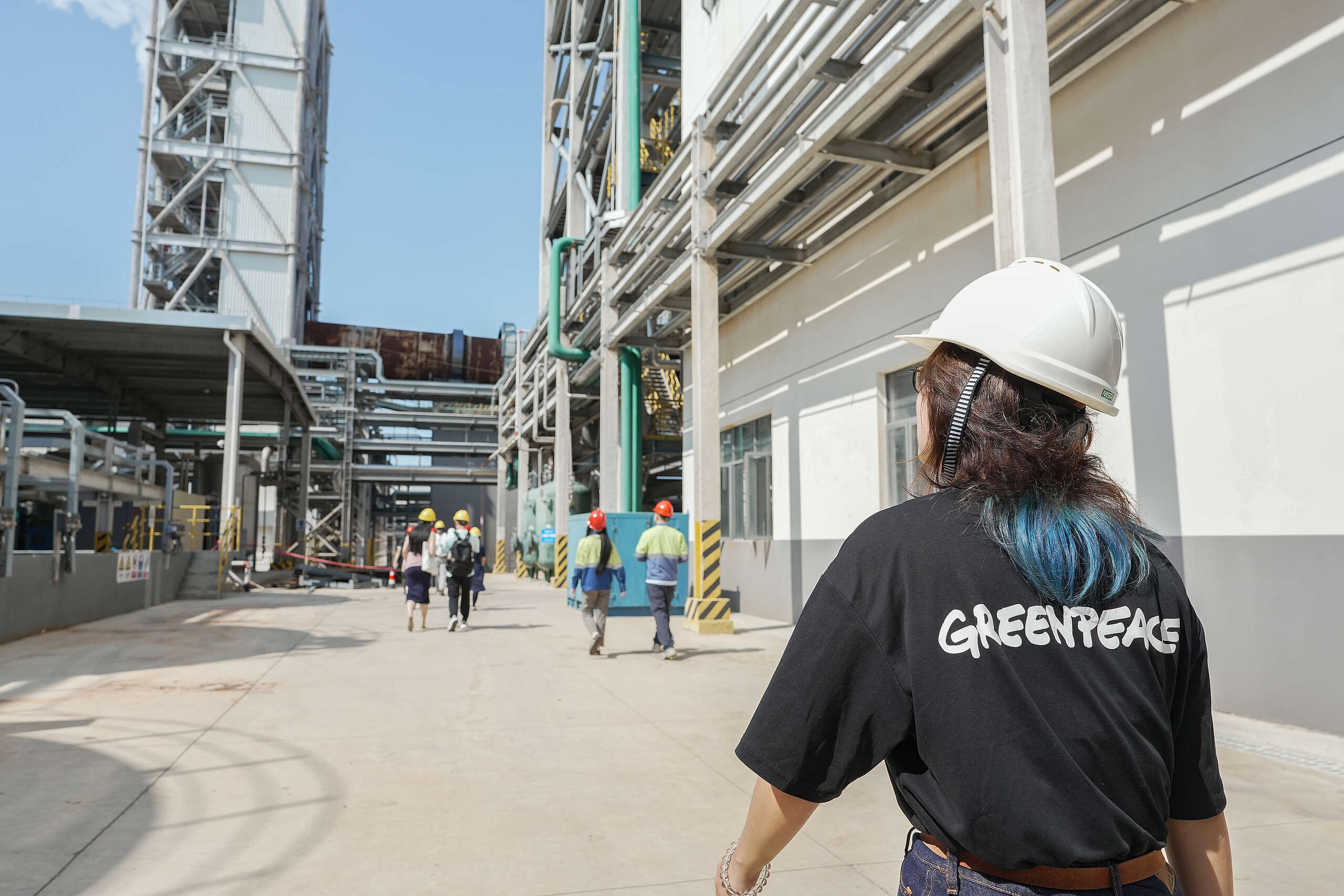
In response to these evolving challenges and opportunities, Greenpeace’s Beijing office, in collaboration with local partners, organized a comprehensive media workshop in Haikou, Hainan, from September 19th to 21st. This three-day event convened approximately 40 participants, drawing expertise from academia, media outlets, industry associations, and practitioners actively engaged in the battery sector. The workshop’s agenda was meticulously designed to foster in-depth discussions on critical issues, including the intricacies of battery recycling, the nuances of overseas regulatory compliance for Chinese companies, and the dynamic shifts occurring within the global battery supply chain. The setting in Hainan, a burgeoning economic hub and free trade port, provided a relevant backdrop for these discussions, given its strategic position in both domestic EV growth and international resource flows.
China’s Battery Recycling Capacity Faces a Supply Mismatch
China has made remarkable strides in establishing substantial battery recycling capacity. However, a peculiar paradox has emerged: while the infrastructure is in place, a significant portion of the electric vehicles currently in operation are still many years away from reaching their end-of-life. Compounding this situation, prior to the implementation of new regulations anticipated in 2026, a considerable volume of retired batteries has historically been channeled into non-compliant recycling streams. This has created an unusual scenario where legitimate, licensed recycling facilities possess the capacity to process batteries but often face a deficit in the supply of retired units.
Wang Dechuang, a recognized industry expert in waste battery recycling, aptly characterized this imbalance by comparing it to "opening a very big mouth for a very small amount of food." This analogy highlights the disconnect between the potential processing power and the current availability of end-of-life batteries entering the formal recycling channels.

This dynamic is expected to undergo a significant transformation. Projections indicate that by 2030, the volume of retired EV batteries is poised to approach the one-million-tonne mark. As this wave of battery retirement gains momentum, the central question will inevitably shift from "where do we find batteries?" to "who is responsible for them?" The concept of Extended Producer Responsibility (EPR) is anticipated to play an increasingly pivotal role in ensuring that manufacturers retain accountability for the collection and treatment of their products throughout their lifecycle. This shift signifies a move towards a more circular economy, where the burden of waste management is internalized by the producers.
Beyond Recycling: A Holistic Approach to Battery Sustainability
While battery recycling is an indispensable component of a sustainable EV ecosystem, it represents only one facet of a broader challenge. A more fundamental question pertains to minimizing the need for recycling in the first place and, consequently, reducing the demand for newly mined materials.
The design of a battery is a crucial starting point. Factors such as the materials incorporated, the ease of disassembly, and the traceability of the battery’s origin and its associated carbon footprint significantly influence its potential for reuse and recycling. Prioritizing reuse over immediate recycling for batteries or components that still retain viable functionality can lead to substantial energy savings. Breaking down a battery for material recovery when it could still be repurposed for secondary applications would represent an inefficient use of resources and energy.

The pressure on natural resources begins much further upstream in the supply chain. The mining and refining of essential battery minerals, such as lithium, cobalt, nickel, and manganese, often involve material flows that are orders of magnitude larger than the quantity of these minerals that ultimately constitute a finished battery. Therefore, strategies that enhance recycling efficiency, promote reuse, and improve overall material efficiency are not only crucial for managing waste but also for significantly reducing the global demand for newly extracted minerals. This has direct implications for minimizing the environmental and social impacts associated with mining operations, including habitat destruction, water pollution, and human rights concerns.
Navigating the Complexities of Cross-Border Battery Movement
As Chinese battery manufacturers increasingly establish their presence in international markets, the challenges related to battery recycling are amplified. Key questions emerge regarding who will control these valuable recovered materials, where they will be processed, and who will bear the responsibility for their environmental impact. The answers to these questions are not uniform and vary considerably from one jurisdiction to another.
Different markets implement distinct regulations concerning EPR, the management of hazardous waste, supply-chain due diligence, and the cross-border transportation of used batteries. For instance, the European Union’s new battery regulations are introducing stringent requirements for recycled content within new batteries, enhanced traceability of materials, and detailed reporting on carbon footprints. Furthermore, the establishment of effective collection networks and the development of advanced recycling facilities are heavily dependent on local infrastructure, technological capabilities, and prevailing regulatory frameworks. A recycling model that proves effective in China cannot be directly replicated in other regions without careful consideration of these local factors.

The movement of retired batteries across national borders presents a formidable logistical and regulatory hurdle. For a recycler aiming to consolidate batteries from neighboring countries for processing within a single market, a primary obstacle involves navigating the customs regulations of the destination country. This includes obtaining explicit permission for the import and subsequent export of such materials. Even when these customs clearances are successfully obtained, retired batteries sourced from overseas markets often differ significantly in composition and condition from the feedstock that Chinese recyclers are accustomed to processing domestically.
Consequently, Chinese companies operating abroad are compelled to address not only the technical intricacies of recycling but also a growing array of regulatory costs. These costs encompass compliance with diverse policy landscapes, customs procedures, environmental regulations, and international transportation standards, issues that extend far beyond the mere construction and operation of a recycling plant. This complexity can lead to a challenging dilemma for recyclers. As articulated by a speaker from one of China’s leading battery recycling companies during the workshop, "We want to collect the material, but they won’t let it leave the country." This statement encapsulates the frustrations arising from the patchwork of international regulations that can hinder the efficient and environmentally sound management of global battery waste streams.
Companies that are expanding their global footprint bear a significant responsibility to ensure that their operations contribute positively to environmental sustainability. The implementation of transparent supply chains and the adherence to credible environmental standards are paramount for recycling efforts to yield genuine environmental benefits and to foster consumer and regulatory trust.
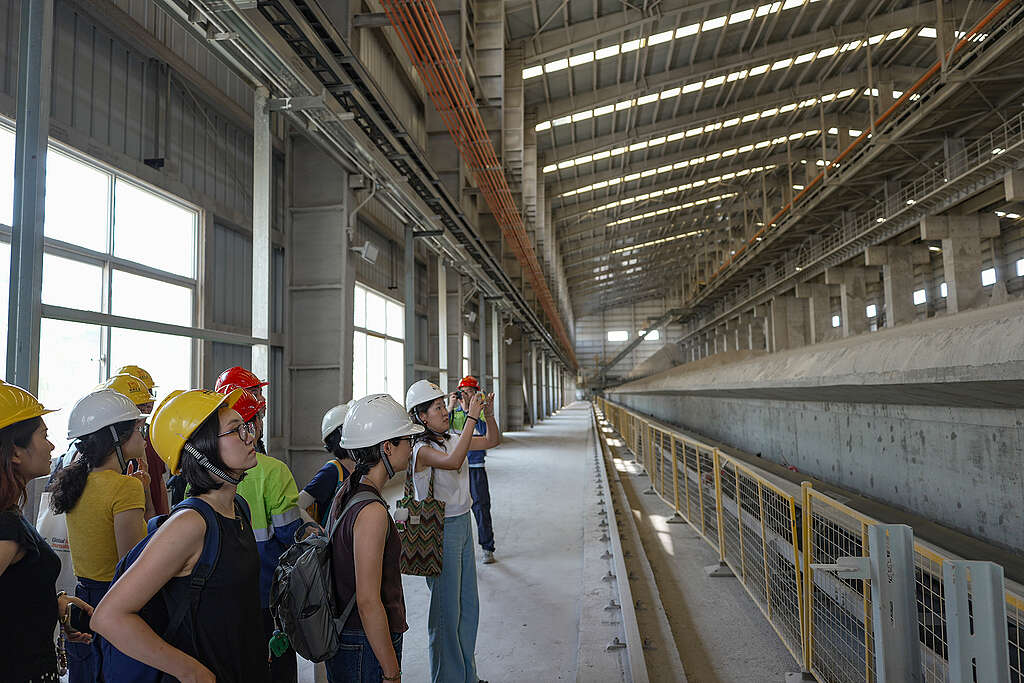
Yiwen Xia, EV Next Project Lead at Greenpeace East Asia, emphasized the need for a comprehensive approach, stating, "A truly circular economy for EV batteries requires a closed-loop system that connects every stage of the value chain. As battery applications and technologies evolve, recycling must go beyond end-of-life treatment to encompass the entire battery life cycle, ensuring that resources are recycled and reused in an environmentally responsible way." This vision underscores the imperative for an integrated strategy that considers the battery’s journey from its inception to its ultimate disposition.
The Environmental Footprint: From Mine to Mobility
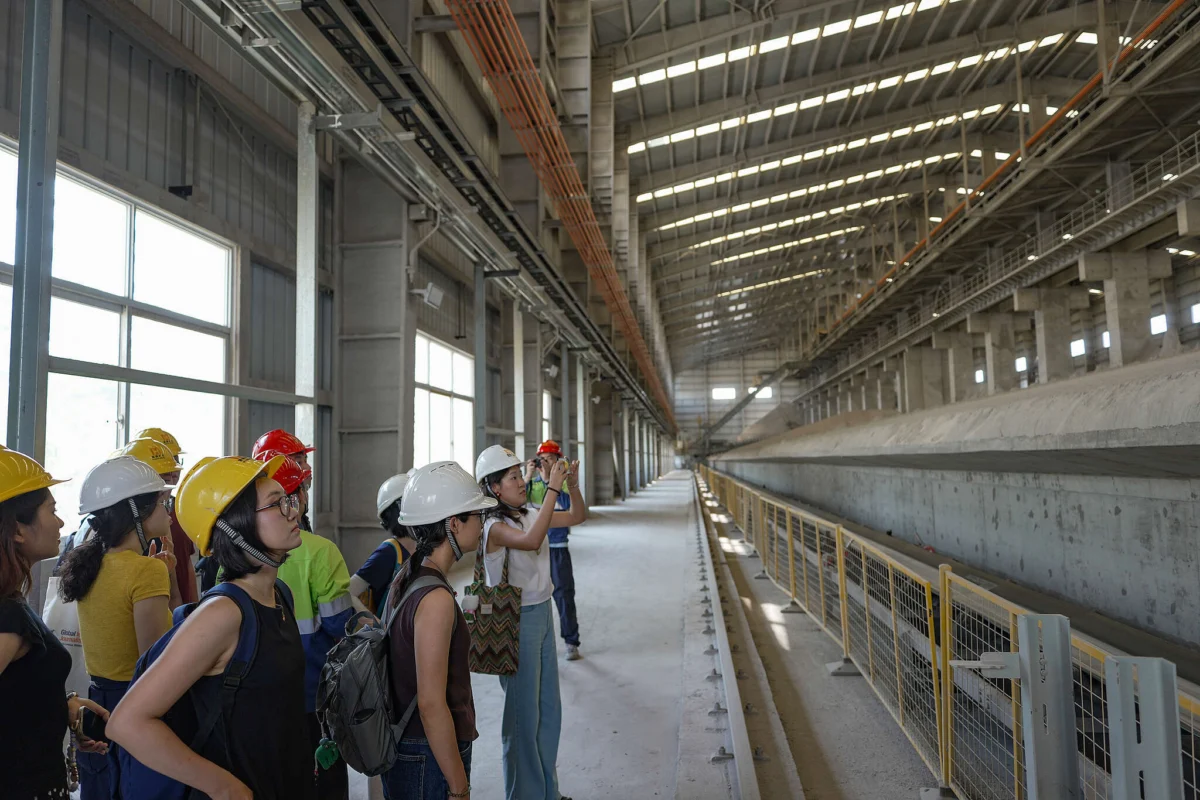
The workshop concluded with a visit to a lithium materials facility in Hainan, deliberately shifting the focus from retired batteries to the very genesis of the supply chain. This excursion served to underscore the fact that an electric vehicle battery’s environmental footprint is established long before the vehicle itself is driven off the production line. The processes of mining raw materials, refining them, manufacturing battery components, and transporting them all contribute significantly to the overall carbon footprint of the battery.
As international markets increasingly scrutinize supply chains for transparency and demand detailed carbon disclosures, it becomes incumbent upon companies to possess a thorough understanding of the origins of their materials and the environmental implications of their production methods. This heightened awareness is driving a demand for greater accountability and sustainability throughout the entire battery value chain.
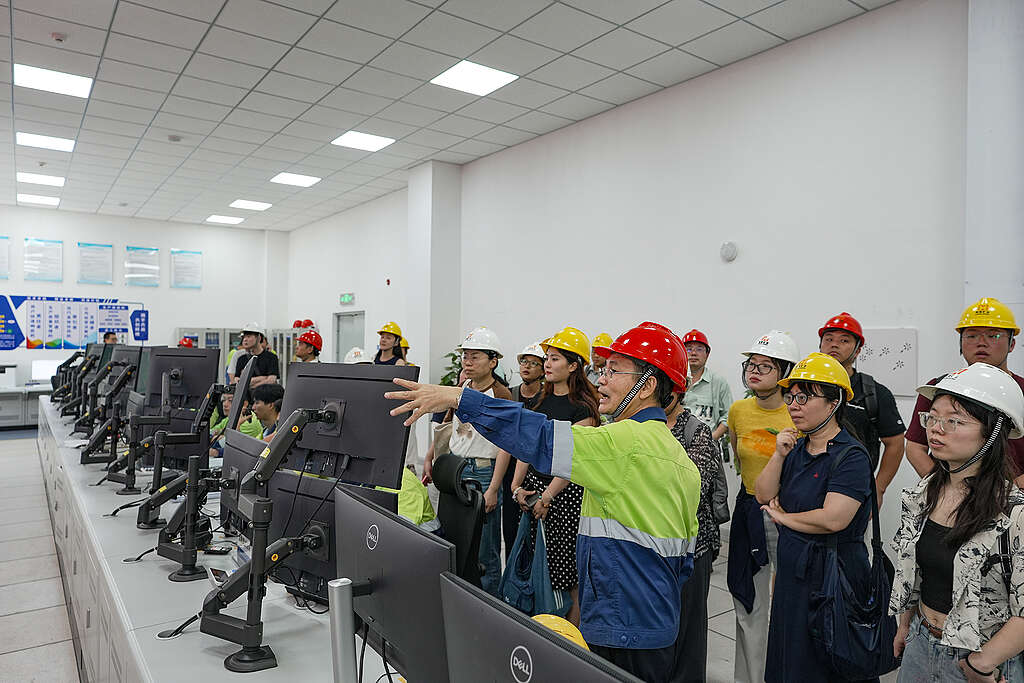
Hainan province, with its strategic position as both a rapidly expanding domestic EV market and a key free trade port facilitating international resource flows, offers a compelling microcosm of these evolving global trends. The convergence of battery materials, international trade, manufacturing activities, and the future demand for recycling services is becoming increasingly concentrated in this region.
As Chinese battery manufacturers continue their global expansion, the demand for greater transparency regarding material sourcing, carbon emissions, and recycling practices will inevitably intensify. Consumers, regulatory bodies, and local communities worldwide require reliable and verifiable information to accurately assess the environmental impacts associated with the products they consume.
For organizations like Greenpeace, the discussions and insights generated at the Hainan workshop highlight a critical overarching objective: to ensure that the significant growth of electric mobility is intrinsically linked to a tangible reduction in emissions, the responsible sourcing of minerals, the implementation of effective recycling infrastructure, and a pervasive culture of transparency across the entire battery supply chain. This holistic approach is essential for realizing the full environmental potential of the transition to electric transportation.

 Lina Irawan

 Nila Kartika Wati