Basiran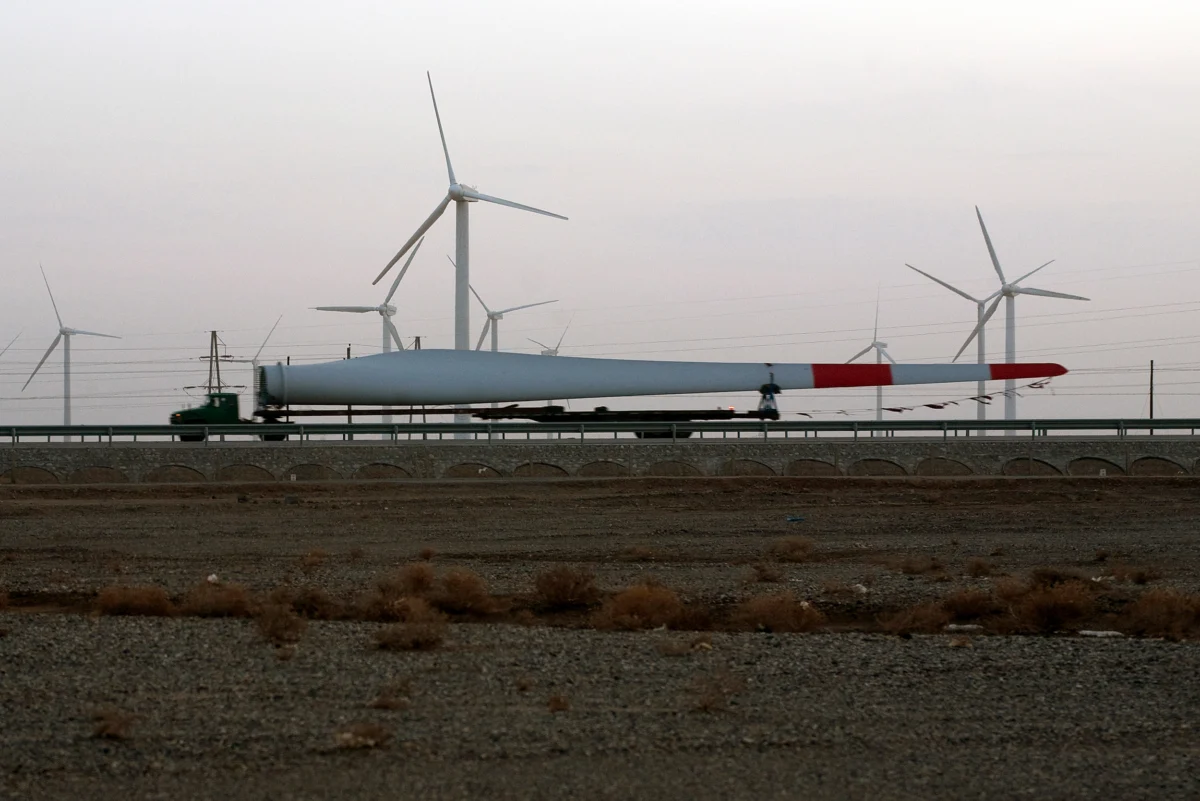
Beijing – The China Electricity Council’s release of the "China’s Electrical Development Annual Report 2026" on September 22 has unveiled a compelling narrative of China’s paramount influence in the global shift towards electrification. The report, which meticulously details the nation’s progress and its international contributions, underscores that China has been the primary engine driving global electrification efforts, accounting for an astonishing 80% of the worldwide increase in electrification rates since 2015. This surge has propelled China’s own electrification rate to approximately 29.5% by the close of 2025, positioning it as a formidable force in the ongoing energy transition. The findings are poised to significantly shape discussions at the upcoming COP31 climate negotiations, where a target of 35% global electrification by 2035 is being actively pursued by several nations.
The report’s revelations resonate with the observations of environmental advocacy groups, which highlight China’s multifaceted impact. Liu Junyan, Beijing-based Deputy Program Director for Greenpeace East Asia, emphasized that China’s contribution to the global electrification transition is still in its nascent stages. While the report firmly establishes China’s domestic electrification as the core driver since 2015, Liu pointed to the burgeoning export of clean technologies – including advanced batteries, electric vehicles, and solar components – as a significant catalyst for global electrification. This outward expansion, she noted, is reaching a critical juncture as Chinese clean technology enterprises increasingly establish manufacturing facilities and value chains abroad, moving beyond mere export.
China’s Electrification Prowess: A Global Game-Changer
The "China’s Electrical Development Annual Report 2026" provides concrete data illustrating the scale of China’s impact. Since 2015, the nation has not only dramatically increased its internal use of electricity for various applications but has also become a leading supplier of the technologies enabling this transition worldwide. This dual role positions China at the forefront of a global paradigm shift, influencing not only the pace but also the direction of electrification.
Key Findings from the Report:
- Dominant Global Driver: China has been responsible for 80% of the global increase in electrification rates since 2015.
- Domestic Achievement: China’s own electrification rate reached approximately 29.5% in 2025.
- Technological Export Powerhouse: China is a major exporter of clean technologies such as batteries, electric vehicles, and solar components, directly contributing to electrification in other nations.
A Deep Dive into China’s Electrification Strategy
The report’s findings are rooted in a decade-long strategic push by China to modernize its energy infrastructure and embrace cleaner power sources. This ambitious undertaking has involved substantial investments in renewable energy generation, grid modernization, and the promotion of electric transportation and industrial processes. The emphasis on domestic electrification has not only improved air quality and reduced reliance on fossil fuels within China but has also created a robust manufacturing base for the very technologies now powering the global transition.
Historical Context of China’s Electrification Drive:
- Early 2010s: China began to seriously invest in renewable energy, driven by both energy security concerns and a growing awareness of environmental issues. Policies were introduced to support solar and wind power development.
- Mid-2010s (2015 onwards): This period marked a significant acceleration in China’s electrification efforts. The "Made in China 2025" initiative included ambitious targets for electric vehicle production and adoption. Investments in battery technology surged.
- Late 2010s – Early 2020s: China became the world’s largest producer and consumer of electric vehicles. The country also solidified its position as a global leader in solar panel manufacturing and deployment. The focus broadened to include electrification of industrial heating, transportation, and residential uses.
- 2025: The report’s reference point, indicating a mature stage of domestic electrification and a significant global export footprint.
Greenpeace’s Perspective: Beyond Exports to Global Influence
Liu Junyan of Greenpeace East Asia elaborated on the far-reaching implications of China’s evolving role. She articulated that China is not merely exporting technology but is increasingly "engineering global electrification." This suggests a more proactive and influential stance, where Chinese companies and policies are shaping international standards and deployment strategies.
"China’s total impact on the global transition towards electrification is only beginning," Liu stated. "The core of impact since 2015 here has been China’s own domestic electrification. But China’s increased export of clean tech like batteries and electric vehicles along with solar components are a major driver in electrification globally. This is also reaching a tipping point as Chinese clean tech enterprises increasingly go overseas to set up manufacturing and value chains, not just export."
This shift from export-oriented growth to localized production and integrated value chains signals a deeper level of engagement with global markets. It implies a greater responsibility for environmental stewardship and social equity in the regions where these investments are made.
The Rule-Making Role and Responsibility
Liu further highlighted that China’s ascendance in electrification is also positioning it to play a more significant role in international rule-making. As Chinese enterprises expand their global footprint, they carry with them the regulatory frameworks and best practices developed domestically.
"China in many ways is engineering global electrification," Liu observed. "But this transition is also one where China shifts into a more rule-making role internationally. And Chinese solar, battery, and electric vehicle enterprises going abroad critically must be vectors for strengthening environmental regulation, just transitions, and the social co-benefits of these technologies’ deployment."
This statement carries profound implications. It suggests that the standards China sets for itself – in terms of environmental protection, labor rights, and community engagement – should be mirrored or even surpassed in its international operations. The strengthening of industry regulations within China, as noted by Liu, provides a foundation for this outward projection of responsible practices.
Implications for COP31 and Beyond
The timing of the report’s release is particularly significant, as it precedes the COP31 climate negotiations. Electrification targets are expected to be a central theme, with many governments advocating for ambitious goals, such as achieving 35% electrification by 2035. China’s demonstrated success in this area, coupled with its growing influence, will likely place it in a leadership position during these crucial discussions.
COP31 Context and China’s Role:
- Electrification Targets: A key agenda item, with proposals for 35% global electrification by 2035.
- China’s Influence: Its report provides concrete data and a compelling case study for ambitious targets.
- International Cooperation: China’s experience and technological prowess can be leveraged to support other nations, particularly in the Global South, in their electrification efforts.
Liu Junyan outlined a dual approach for China at COP31 and in its ongoing global engagement. Domestically, she stressed the imperative for China to accelerate its transition away from fossil fuels. This is crucial to fully realize the benefits of the electrification groundwork that has been laid. Without a parallel phase-out of coal and other fossil fuels, the advantages of widespread electrification – such as cleaner air and reduced carbon emissions – will be significantly diminished.
"Domestically, China needs to make progress in phasing out fossil fuels so wind and solar realize the true benefits of this electrification groundwork now in place," Liu explained.
Internationally, China’s role will involve actively supporting other countries, especially those in the Global South, in achieving their electrification goals. This support can take various forms, including financial investment, technology transfer, and capacity building. The emphasis on "just transitions" and "social co-benefits" underscores the need for this support to be equitable and inclusive, ensuring that the benefits of electrification are shared widely and do not exacerbate existing inequalities.
Addressing Potential Challenges and Ensuring a Just Transition
The rapid expansion of Chinese clean tech companies into global markets, while beneficial for electrification, also presents potential challenges. Ensuring that these overseas operations adhere to stringent environmental regulations and uphold fair labor practices is paramount. The call for Chinese companies to establish "the same or even stronger protections for communities and ecosystems abroad" than those in China is a critical benchmark.
Fact-Based Analysis of Implications:
- Global Energy Security: China’s role in providing affordable and advanced clean energy technologies can enhance energy security for many nations, reducing reliance on volatile fossil fuel markets.
- Climate Change Mitigation: Accelerated global electrification, driven by Chinese innovation and exports, will be a significant factor in achieving global climate targets by reducing greenhouse gas emissions from power generation and transportation.
- Economic Development: The expansion of clean tech manufacturing and deployment can create new economic opportunities and drive sustainable development in both China and recipient countries.
- Geopolitical Dynamics: China’s leadership in electrification could reshape global energy geopolitics, shifting influence away from traditional fossil fuel-producing nations.
- Environmental and Social Safeguards: The critical need for robust environmental impact assessments, community consultation, and fair labor practices in overseas projects cannot be overstated. Weak oversight could lead to negative consequences for local populations and ecosystems.
The "China’s Electrical Development Annual Report 2026" serves as a pivotal document, not only for understanding China’s impressive domestic achievements but also for recognizing its profound and expanding influence on the global stage of electrification. As the world grapples with the urgent need to transition to cleaner energy sources, China’s trajectory offers a powerful, albeit complex, blueprint. The upcoming COP31 negotiations will be a crucial forum for leveraging this momentum, ensuring that China’s engineering of global electrification is synonymous with a sustainable, equitable, and prosperous future for all.
For media enquiries please contact:
August Rick, Greenpeace East Asia, Beijing, [email protected]
Greenpeace International Press Desk, [email protected], +31 20 718 2470 (24 hours)

 Pevita Pearce
 Lina Hope