Reynand Wu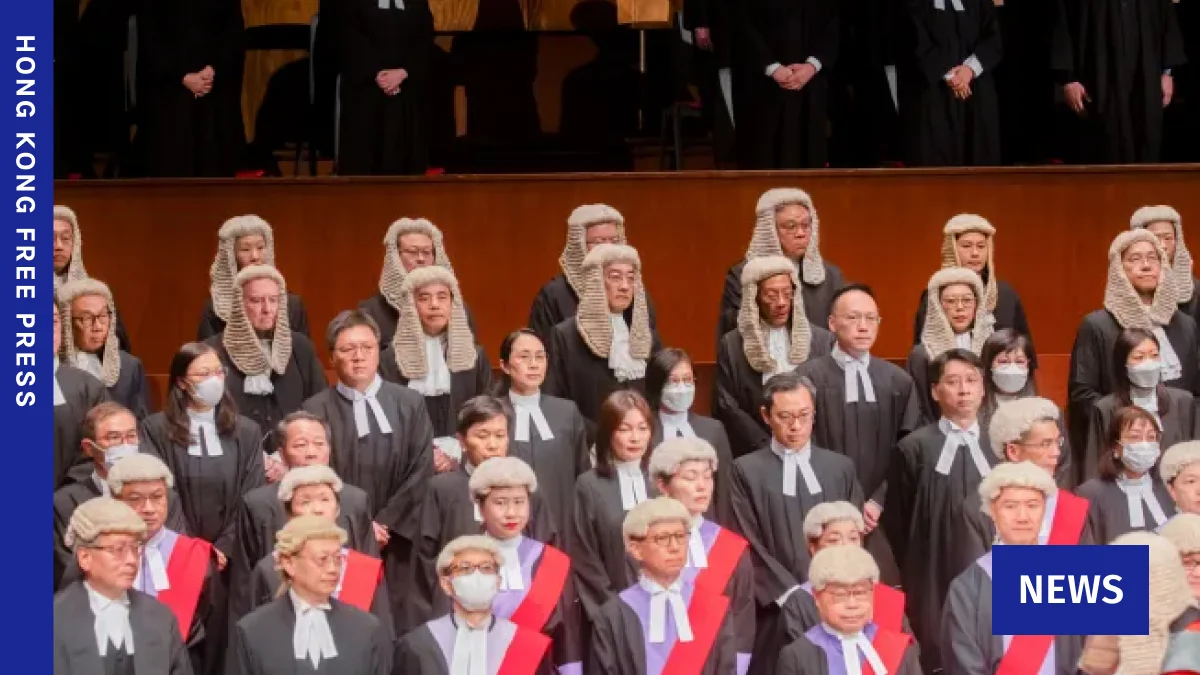
Judges and judicial officers in the city are set to receive a 2 per cent salary increase for the current financial year, a move that follows a year-long salary freeze necessitated by the city’s substantial deficit. This adjustment, recommended after an annual review, marks a cautious step towards compensation normalization for the judiciary, reflecting a complex interplay of economic recovery, evolving judicial workloads, and established pay review mechanisms.

Background to the Salary Review
The decision for a salary adjustment is the outcome of the Standing Committee on Judicial Salaries and Conditions of Service’s annual review. This comprehensive assessment considers a range of critical factors, including the workload borne by judges and judicial officers, prevailing private sector salary trends, and the broader economic climate of Hong Kong. The committee’s mandate is to ensure that the compensation for those presiding over the city’s legal system remains fair and competitive, while also being mindful of public finances.
The term "judicial officers" encompasses a broad spectrum of roles within the justice system, including magistrates, coroners, court registrars, and personnel serving in specialized tribunals such as the Labour Tribunal, the Small Claims Tribunal, and the Competition Tribunal. This inclusive definition highlights the widespread impact of the salary review across various tiers of the judiciary.

Acknowledging Increased Judicial Burden
While the Standing Committee’s report indicated no "major change in the responsibility and working conditions" of judges and judicial officers, it significantly acknowledged a notable increase in the complexity and volume of certain cases. The report specifically pointed to the "heavy criminal caseload" being exacerbated by an "increasing number of complex cases" stemming from the 2019 protests and unrest, as well as those related to national security legislation.
This influx of politically sensitive and intricate cases has necessitated a prioritization by the Judiciary. The report candidly stated, "The Judiciary is required by circumstances to accord priority to these cases, which means that the progress of other cases has inevitably been impacted." This observation underscores the challenges faced by the court system in balancing its diverse responsibilities, particularly in the wake of significant social and political events. The committee, however, expressed optimism that this impact would be "ameliorated in the coming years," suggesting a belief in the judiciary’s capacity to adapt and manage its caseload effectively over time.

Furthermore, the courts have also contended with a "sustained influx" of judicial review applications, notably those concerning non-refoulement claims. These cases, often lodged by asylum seekers, represent another significant demand on judicial resources, adding another layer of complexity to the court’s operational landscape.
A History of Salary Adjustments and Economic Fluctuations
The current framework for reviewing judicial salaries has been in place since 2008, providing a structured approach to compensation adjustments. However, this mechanism has not always resulted in annual increases. There have been five notable periods when judicial salaries remained static:

- 2009 and 2010: These years were marked by the global financial crisis, a period of significant economic uncertainty that led to widespread cost-cutting measures across various sectors.
- 2020 and 2021: The onset of the COVID-19 pandemic brought unprecedented economic disruption, impacting global and local economies and necessitating fiscal prudence.
- Last Year (2025/2026 Financial Year): The decision to impose a pay freeze last year was directly attributed to the city’s mounting deficit, signaling a period of fiscal constraint.
The 2 per cent increase this year, barring the five years of no adjustments, represents the smallest increment since the current review mechanism was established. This modest rise contrasts with previous years, where salary increases have ranged from a more substantial 2.5 per cent in 2022 to a notable high of almost 7 per cent in 2014. This historical data illustrates the cyclical nature of salary adjustments, often influenced by prevailing economic conditions and fiscal health.
Fiscal Context: A Return to Surplus
The backdrop against which this salary increase is being implemented is one of fiscal recovery. In April, the government announced a surplus of HK$11.2 billion for the financial year ending in March. This figure significantly surpassed the initially projected HK$2.9 billion surplus revealed during the budget address in February. This turnaround from a projected modest surplus to a more robust one indicates a stronger-than-expected economic performance and potentially more effective fiscal management, creating a more favorable environment for public sector compensation adjustments.

This fiscal recovery is particularly significant given the preceding three consecutive years of budget deficits. The transition back to a surplus position suggests that the city’s financial footing has improved, allowing for a degree of flexibility in allocating public funds, including those designated for judicial salaries.
Broader Implications and Future Outlook
The 2 per cent salary increase, while modest, signals a recognition of the judiciary’s vital role and the evolving demands placed upon it. The inclusion of complex cases related to the 2019 protests and national security legislation in the review process underscores the Judiciary’s engagement with contemporary societal challenges. The committee’s acknowledgment of the impact on case progression, coupled with its expectation of future amelioration, points to an ongoing effort to enhance the efficiency and capacity of the judicial system.

The consistent application of the review mechanism, even during periods of economic hardship, demonstrates a commitment to maintaining the integrity and attractiveness of judicial careers. The contrast between the current modest increase and the higher percentages seen in past years highlights the sensitivity of these adjustments to the broader economic landscape.
As the city navigates its post-deficit fiscal recovery, the Judiciary’s compensation will continue to be a subject of careful consideration. The ability to attract and retain experienced legal professionals is paramount to the effective functioning of the justice system. The Standing Committee’s findings and recommendations will undoubtedly continue to inform policy decisions, balancing the need for fair compensation with fiscal responsibility and the evolving demands on the judicial branch. The sustained influx of complex cases, particularly those with significant public interest, will likely remain a key consideration in future salary reviews and resource allocation discussions within the Judiciary. The ongoing work of the courts in addressing these multifaceted legal challenges will be crucial in shaping the future of justice in the city.


 Ammar Sabilarrohman
 Raul Delapena Setiawan