Nila Kartika Wati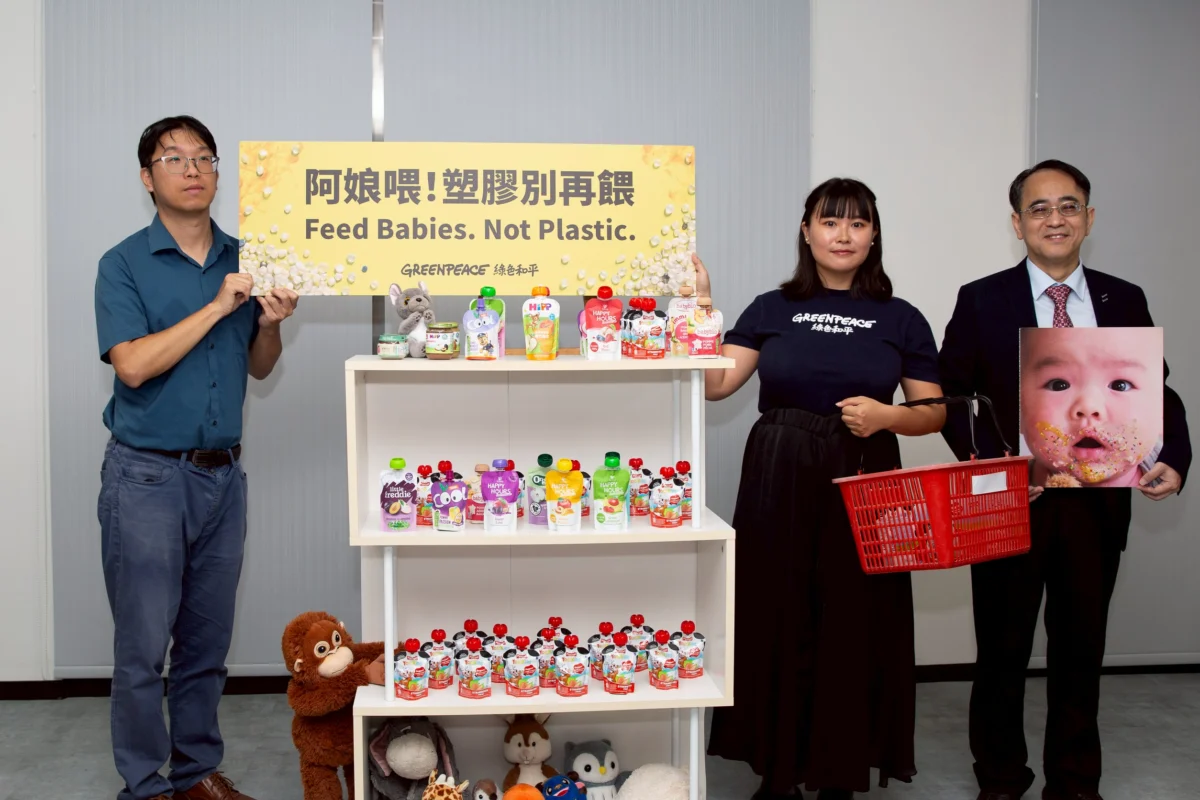
Taipei, July 14, 2026 – A significant majority of baby food products, specifically fruit purees and yogurts, available in Taiwan are packaged in plastic pouches, raising concerns about potential microplastic exposure for infants and young children. A comprehensive survey released today by Greenpeace Taiwan found that nearly 80 percent of these essential food items utilize plastic pouches, with hypermarkets offering virtually no non-plastic alternatives, presenting parents with limited choices for their children’s first solid foods.
The findings, detailed in Greenpeace’s "Packaging Survey of Baby Food Products, Including Fruit Purees and Yogurts, in Major Retail Channels in Taiwan," highlight a market landscape heavily dominated by plastic packaging for infant nutrition. The survey, conducted in April 2026, examined a wide range of products across major retail channels including hypermarkets, pharmacies, specialized baby product stores, and prominent online shopping platforms such as Momo, PChome, Shopee, and Coupang. The data unequivocally shows that 100 percent of baby fruit puree and yogurt products found in hypermarkets were exclusively packaged in plastic pouches. While other retail channels showed slightly lower, though still substantial, figures, with 74 percent to 79 percent of products utilizing plastic pouches, the overall trend points to a pervasive reliance on this packaging material. Prominent brands implicated in the survey include Babybio, HiPP, Pascual, and Earth Love, indicating that the issue is not confined to niche manufacturers but affects widely recognized names in the baby food market.
Chi Lo, Communications Officer at Greenpeace Taiwan, voiced strong criticism of the current market situation, stating, "Parents buy baby food to nourish their children, not to expose them to plastic risks from their very first bites. When nearly 80 percent of products use plastic pouches, this is no longer simply a matter of parental choice. The market has failed to provide sufficient safer alternatives, and government regulations have failed to keep pace." This statement underscores a critical concern: the lack of viable alternatives forces parents into a situation where choosing plastic-free options is exceedingly difficult, if not impossible, particularly when convenience and accessibility are paramount.
Microplastic Contamination: A Growing Concern in Infant Nutrition
The implications of this widespread plastic pouch usage extend beyond environmental pollution. Emerging scientific research suggests that these multi-layered composite packaging materials, often comprising PET, aluminum foil, and polyethylene (PE), may be a significant source of microplastic ingestion for consumers, especially infants. The inner PE layer, along with the spout and cap of these pouches, comes into direct contact with the food, creating a potential pathway for microplastics to transfer into the product.
This concern is substantiated by a commissioned study by Greenpeace International, conducted in 2025 by Norway’s SINTEF Ocean laboratory. This investigation analyzed pouch-packaged baby food products from two major multinational brands and detected microplastics in every single sample tested. The results were alarming: some fruit puree products contained an astonishing concentration of up to 99 microplastic particles per gram of food, translating to over 10,000 microplastic particles per pouch. Similarly, certain yogurt products were estimated to contain more than 5,000 microplastic particles per pouch.
Further analysis of the food samples revealed the presence of polymers such as polyethylene (PE) and polypropylene (PP), strongly suggesting that the packaging materials themselves are a primary source of this microplastic contamination. Beyond microplastics, the study also identified dozens of plastic-related chemicals, including substances with known toxicological properties and those identified as endocrine disruptors. The presence of such chemicals within food intended for the most vulnerable population raises profound questions about the safety of current packaging practices.
Experts Advocate for Precautionary Principle to Safeguard Children’s Health
In light of these findings, medical and scientific experts are urging for a more proactive approach to protect infants and young children from potential health risks associated with microplastic exposure. Dr. Tzung-Hai Yen, a nephrologist at Chang Gung Memorial Hospital in Linkou, emphasized that while the full extent of microplastic harm to human health is still under investigation, existing animal and cell studies have indicated potential adverse effects. These include oxidative stress, inflammation, and even organ damage when exposure levels are high.
"Action should not wait until the health impacts on humans are fully proven," Dr. Yen stated. "The precautionary principle should guide our actions to proactively reduce human exposure to microplastics." He further highlighted the heightened vulnerability of infants and young children, who are in critical stages of physical development. Their developing systems are more susceptible to the harmful effects of environmental contaminants, making the reduction of their exposure a paramount priority.
Echoing these concerns, Dr. I-Lun Hsiao, Director of the Food Safety Testing and Functional Development Research Center at Taipei Medical University, pointed out that plastic pouches are not only a source of microplastics but can also release other complex chemical substances. These substances, known as non-intentionally added substances (NIAS), can be generated during the manufacturing process or through the use of the packaging. Dr. Hsiao critically noted that Taiwan’s regulatory framework for chemicals in plastic food packaging and information disclosure lags behind international standards set by regions like the European Union, the United States, and Japan. This regulatory gap is particularly concerning given that some plastic-related chemicals are known endocrine disruptors. The potential for synergistic effects, where multiple chemicals interact within the human body to amplify their risks, further complicates the safety assessment and underscores the urgency for stronger regulations.
Joint Call for Strengthened Government Regulations and Industry Accountability
In response to the survey results and expert warnings, Greenpeace and the consulted experts have issued a joint appeal to Taiwan’s Food and Drug Administration (FDA) and relevant government agencies. Their recommendations include:
- Strengthening Food Packaging Regulations: Implementing robust regulations that specifically address the presence of microplastics and hazardous chemicals in food packaging materials, particularly those intended for infants and young children. This includes setting clear limits and standards for acceptable levels of these contaminants.
- Mandating Disclosure of Packaging Composition: Requiring manufacturers to provide transparent and detailed information about the composition of their food packaging, including all layers and chemical additives, to regulatory bodies and the public.
- Promoting Safer Packaging Alternatives: Incentivizing and supporting the development and adoption of alternative packaging materials that are demonstrably safer and more sustainable than plastic pouches. This could involve tax breaks, research grants, or preferential procurement policies.
- Establishing a National Monitoring Program: Creating a comprehensive national program to regularly monitor microplastic and chemical contamination in baby food products available in the Taiwanese market, with publicly accessible data.
Beyond governmental action, Greenpeace is also urging baby food manufacturers to take immediate responsibility for the safety of their products. The organization calls on these companies to proactively conduct thorough testing for microplastics and hazardous chemicals in their products and to publicly disclose the results of these tests. Transparency and a commitment to consumer safety are crucial steps in rebuilding trust.
"Every parent wants to provide the best nutrition for their children," Lo reiterated. "The next generation should not have to bear the health risks associated with plastic packaging. Given the scientific uncertainty surrounding the impacts of plastic pollution on human health, the government should strengthen food packaging regulations while also reducing unnecessary plastic production at the source and phasing out unnecessary and high-risk single-use plastic products and packaging. Only then can we truly reduce the next generation’s exposure to microplastics and plastic-related chemicals."
The implications of this report extend far beyond Taiwan, serving as a stark reminder of the pervasive nature of plastic pollution and its potential impact on human health, especially for the most vulnerable populations. As scientific understanding of microplastic risks evolves, proactive measures by governments and industry are essential to ensure that the foods we give our children are not only nutritious but also free from hidden chemical and physical contaminants. The call for action from Greenpeace and Taiwanese experts highlights a global challenge that requires urgent attention and a fundamental shift towards safer, more sustainable packaging solutions.
Appendix 1: Packaging Survey of Baby Food Products, Including Fruit Purees and Yogurts, in Major Retail Channels in Taiwan
Appendix 2: Greenpeace Report – The Microplastics Crisis: Hidden Risks of Plastic Pouches in Baby Food


 Asep Darmawan
 Asro
Asro