Asro
Asro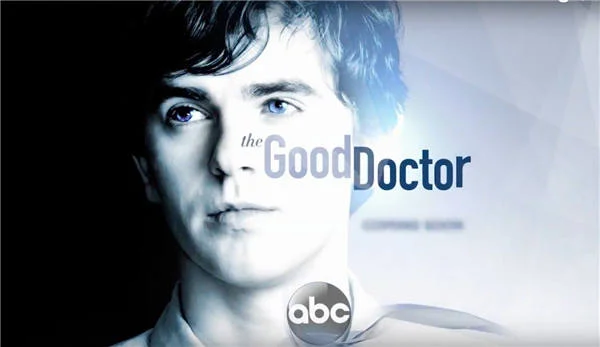
Television viewers and those with personal connections to individuals on the autism spectrum are finding common ground in their appreciation for the critically acclaimed drama, The Good Doctor. The series, which centers on Dr. Shaun Murphy, a gifted young surgeon with autism and savant syndrome, has become a significant ratings success for ABC, establishing itself as the top new drama of the fall television season. While some critics have pointed to the show’s sentimental nature, its emotional resonance is evidently striking a chord with a broad audience, contributing to its widespread popularity and generating considerable discussion.
A Brilliant Mind, A Challenging Path
The Good Doctor introduces viewers to Dr. Shaun Murphy, portrayed by Freddie Highmore, a surgical resident recruited into the esteemed surgical unit of St. Bonaventure Hospital. From the outset, Murphy’s unique neurological profile presents a significant hurdle. Many hospital staff members express skepticism, viewing his autism and savant syndrome as potential liabilities that could jeopardize patient safety. Despite these reservations, Murphy consistently demonstrates exceptional diagnostic abilities and surgical precision, gradually earning the respect and admiration of his colleagues and, more importantly, the television audience.
The narrative skillfully weaves together elements of medical mystery with heartfelt melodrama, a formula that has proven exceptionally effective. Each episode typically presents complex medical cases that challenge the entire surgical team, but it is often Dr. Murphy’s unconventional yet brilliant approach that leads to breakthroughs. His literal interpretation of language, his heightened sensory perception, and his extraordinary ability to visualize complex anatomical structures provide him with unique insights that others miss. This juxtaposition of his social and communication challenges with his profound medical acumen forms the core of the show’s compelling drama.
Critical Reception and Audience Embrace
While critics have offered a spectrum of opinions, a recurring theme in reviews has been the show’s perceived sentimentality. However, this very sentimentality, coupled with its raw emotional honesty, appears to be a primary driver of its success with viewers. In an era where television programming often gravitates towards darker, more cynical themes, The Good Doctor‘s optimistic outlook and its focus on empathy and overcoming adversity have resonated deeply. The show has managed to strike a delicate balance, showcasing the complexities of autism without resorting to stereotypes, and presenting a narrative that is both educational and emotionally engaging.
The show’s performance in the ratings underscores its broad appeal. For ABC, The Good Doctor has been a significant triumph, significantly boosting the network’s fall lineup. Its status as the top new drama indicates a strong initial viewership and a sustained interest that is crucial for long-term success in the competitive television landscape. This success is not merely a domestic phenomenon; the show has also garnered international attention and is syndicated in numerous countries, further amplifying its cultural impact.
The Genesis of The Good Doctor
The television series is based on a South Korean drama of the same name, which first aired in 2013. The original series, also titled Good Doctor, was a critical and commercial success in South Korea, prompting international interest in adapting the concept. The American adaptation, developed by David Shore, premiered on ABC on September 25, 2017. The creative team behind the show has emphasized their commitment to authentic representation, working with consultants and individuals on the autism spectrum to ensure accuracy and sensitivity in their portrayal of Dr. Murphy. This dedication to authenticity has been a key factor in the show’s ability to connect with a diverse audience, including many who identify with or have close ties to the autism community.
Behind the Scenes: Crafting an Authentic Narrative
The casting of Freddie Highmore as Dr. Shaun Murphy was a pivotal decision that has been widely praised. Highmore, known for his earlier roles in Bates Motel and films like Charlie and the Chocolate Factory, brings a nuanced and deeply empathetic performance to the character. His portrayal avoids caricature, instead offering a complex and humanistic depiction of a doctor navigating a neurotypical world. Highmore has spoken about his research into autism, including meetings with individuals on the spectrum, to better understand the nuances of their experiences. This commitment to research and understanding has been instrumental in creating a character that feels genuine and relatable.
The production team has also made conscious efforts to ensure the medical aspects of the show are portrayed with a degree of accuracy, though dramatization is inherent in television. Medical advisors are reportedly involved in the script development and the depiction of surgical procedures, aiming to maintain a level of credibility that enhances the storytelling.
Data and Demographics: Understanding the Appeal
While specific demographic breakdowns for The Good Doctor are proprietary to ratings agencies, its success suggests a broad appeal across various age groups and backgrounds. The show’s ability to attract viewers who are not typically drawn to medical dramas indicates a narrative that transcends genre. The emotional core of the story, focusing on themes of acceptance, perseverance, and the inherent value of every individual, likely contributes to its wide reach.
The fact that The Good Doctor is the top new drama on broadcast networks this fall is a significant achievement. In the 2017-2018 television season, broadcast networks faced increasing competition from streaming services and cable channels. For a new show to emerge as a leader in this environment speaks volumes about its quality and its ability to capture the public’s attention. The show’s performance is particularly noteworthy given the trend of declining viewership for traditional broadcast television.
Reactions and Implications
The positive reception from viewers and the autism community is a significant indicator of the show’s impact. Many have expressed gratitude for a portrayal that offers a more positive and empowering perspective on autism, highlighting the capabilities and contributions of individuals on the spectrum. Social media platforms have been abuzz with discussions, with many viewers sharing personal anecdotes and expressing how the show has broadened their understanding and empathy.
From a broader societal perspective, The Good Doctor has the potential to foster greater understanding and acceptance of neurodiversity. By presenting an autistic character as a brilliant and vital member of a medical team, the show challenges misconceptions and stereotypes. This increased visibility can lead to a more inclusive environment in workplaces and society at large, encouraging individuals to recognize and value the unique talents and perspectives that neurodivergent individuals bring.
The success of The Good Doctor also has implications for the television industry. It demonstrates that audiences are receptive to diverse storytelling and complex characters, even within established genres. The show’s blend of medical drama and character-driven narrative suggests a demand for programming that is both entertaining and thought-provoking. This could encourage networks and studios to greenlight more projects that explore underrepresented voices and experiences.
Looking Ahead: Sustaining Momentum
The challenge for any successful new show is to maintain its appeal and narrative strength in subsequent seasons. The Good Doctor has established a strong foundation, but its continued success will depend on its ability to develop its characters, introduce compelling new storylines, and continue to explore the complexities of Dr. Murphy’s journey. The show’s creators have a delicate task ahead: to balance the medical challenges with the personal growth of its characters, while remaining true to the authentic and empathetic portrayal that has been its hallmark.
As the series progresses, viewers will likely continue to be drawn to Dr. Shaun Murphy’s journey, not just as a brilliant surgeon, but as a testament to the power of embracing individuality and overcoming societal barriers. The show’s impact extends beyond mere entertainment; it is a cultural conversation starter, fostering empathy, challenging perceptions, and celebrating the remarkable potential that exists within every individual, regardless of their neurotype.


 Asep Darmawan
 Rifan Muazin