Raul Delapena Setiawan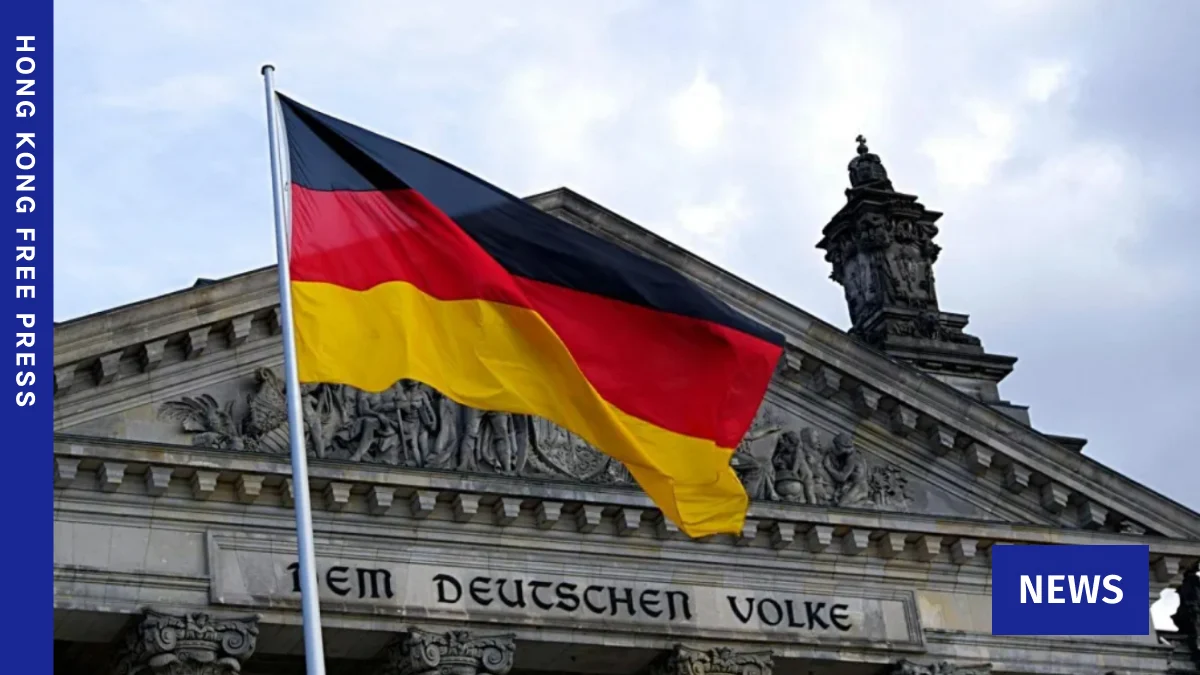
The German Foreign Ministry has taken a significant diplomatic step, summoning the Chinese ambassador in Berlin for urgent talks following deeply disturbing media reports alleging that Russian soldiers are receiving military training in China. The formal summons, which occurred on Thursday, was announced by the ministry on Friday, underscoring Berlin’s grave concerns over potential Chinese support for Russia’s ongoing war of aggression against Ukraine. This diplomatic move highlights a deepening rift between Germany and China over Beijing’s relationship with Moscow, particularly as Western nations continue to seek to isolate Russia on the international stage.
Deepening German Concerns and Diplomatic Action
The German Foreign Ministry explicitly stated that the reports "point to support for Russia from Chinese state actors, in particular the Chinese People’s Liberation Army." This direct accusation of military assistance, even if in the form of training, represents a serious escalation in Germany’s public criticism of China’s role in the conflict. A ministry spokesperson emphasized the broader security implications, stating, "Anything that enables Russia to continue its war of aggression against Ukraine also represents a threat to our security." This statement reflects Germany’s steadfast commitment to European security and its allies, viewing any aid to Russia as a direct challenge to the continent’s stability.

The summoning of an ambassador is a formal diplomatic protest, signifying the severity with which the German government views these allegations. It serves as a clear signal that Germany is prepared to confront China on issues pertaining to the Ukraine war, despite significant economic ties between the two nations. The ministry also noted that Germany has been "addressing this issue in depth with its European partners," indicating a coordinated approach within the European Union to press Beijing on its support for Moscow. This collective stance amplifies the diplomatic pressure on China and underscores the shared concerns among Western allies regarding the geopolitical ramifications of a strengthened Sino-Russian military axis.
The Die Welt Report and its Context
The urgent talks were triggered by an investigative report published on May 20 by the German daily Die Welt. Citing classified documents from European intelligence services, the report claimed that the Chinese army had secretly trained "several hundred" Russian soldiers on its territory. Crucially, Die Welt further alleged that some of these Chinese-trained Russian personnel had subsequently been deployed to fight in Ukraine. If independently verified, these revelations would constitute a significant breach of China’s repeatedly stated position of neutrality in the conflict and would directly contradict its claims of not providing military assistance to either side.
The timing of Die Welt‘s report added another layer of complexity and geopolitical tension. It emerged in the midst of a high-profile summit in Beijing, bringing together Russian President Vladimir Putin and Chinese President Xi Jinping. This summit, which took place shortly after Putin’s re-election, was widely seen as a reaffirmation of the "no-limits" partnership declared by the two leaders just weeks before Russia’s full-scale invasion of Ukraine in February 2022. The alleged training activities, therefore, would not only represent a direct intervention but also cast a shadow over China’s diplomatic efforts to present itself as a responsible global power and potential mediator in the conflict. The confluence of these events — the alleged military support and the public display of solidarity between Beijing and Moscow — has fueled Western suspicions about the true nature of the Sino-Russian alignment.

Background on Sino-Russian Relations Amid Ukraine War
Since Russia launched its full-scale invasion of Ukraine in February 2022, China has walked a tightrope, attempting to balance its strategic partnership with Russia against its desire to avoid outright condemnation and sanctions from Western powers. While Beijing has refrained from directly providing lethal military aid to Russia, it has consistently offered diplomatic and economic support, refusing to condemn the invasion and frequently echoing Moscow’s narratives that blame NATO expansion for the conflict.
The "no-limits" partnership, articulated in a joint statement by Xi and Putin on February 4, 2022, just weeks before the invasion, committed the two nations to deeper cooperation across various sectors, including military and technology. This declaration signaled a profound strategic convergence aimed at countering perceived Western hegemony. Since then, China has significantly increased its trade with Russia, providing a crucial economic lifeline amidst Western sanctions. Chinese companies have reportedly supplied dual-use goods, including semiconductors and drone components, which could be repurposed for military use, further blurring the lines of what constitutes "support."
Beijing’s consistent refusal to join international sanctions against Russia, coupled with its robust rhetoric defending Moscow’s security interests, has drawn sharp criticism from the United States and European allies. These nations argue that China’s actions, even without direct arms shipments, enable Russia to sustain its war effort and undermine international efforts to restore peace and uphold Ukraine’s sovereignty. The alleged military training, if confirmed, would represent a qualitative leap in China’s involvement, moving beyond economic and diplomatic backing to direct military enablement.

International Reactions and Broader Implications
The allegations of Chinese military training for Russian soldiers are likely to provoke strong reactions from other Western nations and international bodies.
- European Union and NATO: European leaders, many of whom have expressed growing frustration with China’s ambiguous stance on Ukraine, would view such reports with extreme gravity. It would likely reinforce the EU’s evolving strategy towards China, which increasingly categorizes Beijing as a systemic rival. NATO, which has also cautioned China against supporting Russia, would see this as a direct challenge to global security and a violation of international norms. The prospect of collective action, potentially including further sanctions discussions, could gain momentum within these blocs.
- United States: Washington has repeatedly warned Beijing against providing material support to Russia, threatening severe consequences if such actions were to occur. The Biden administration has closely monitored China’s activities, and verified reports of military training would undoubtedly lead to a robust response, potentially including targeted sanctions against Chinese entities or individuals involved. The US has consistently highlighted the interconnectedness of European and Indo-Pacific security, arguing that a strong Sino-Russian alliance poses a threat to both regions.
- China’s Likely Response: Based on past patterns, China is highly likely to vehemently deny the allegations. Beijing would frame such reports as "unfounded accusations," "smear campaigns," or attempts to sow discord between China and other nations. It would reiterate its commitment to "peace" and "dialogue" while asserting its right to maintain normal state-to-state relations with Russia. China often emphasizes its sovereign right to conduct military exchanges with other countries and would likely argue that any training activities are purely defensive or routine and not related to the conflict in Ukraine.
- Impact on Germany-China Relations: Germany, as Europe’s largest economy, has deep trade and investment ties with China. However, recent years have seen Berlin adopt a more cautious approach, reflected in its national security strategy that identifies China as a partner, competitor, and systemic rival. The current allegations could severely strain this relationship, potentially leading to a re-evaluation of Germany’s China policy, particularly concerning critical infrastructure, technology transfer, and supply chain dependencies. Chancellor Friedrich Merz, during his visit to China in February, explicitly raised Germany’s concerns over Beijing’s support for Russia. These new reports underscore the persistence of these concerns and the challenges in aligning China’s actions with Western expectations.
Timeline of Key Events
To understand the full context of this diplomatic incident, a chronology of relevant events is crucial:

- February 4, 2022: Russian President Vladimir Putin and Chinese President Xi Jinping declare a "no-limits" partnership in Beijing, just weeks before Russia’s full-scale invasion of Ukraine.
- February 24, 2022: Russia launches its full-scale invasion of Ukraine. China refuses to condemn the invasion and maintains its strategic partnership with Russia.
- Throughout 2022-2024: Western nations, led by the US and EU, repeatedly warn China against providing material support to Russia, while China continues to increase trade with Moscow and offer diplomatic backing.
- February [Current Year]: German Chancellor Friedrich Merz visits China and, according to the German Foreign Ministry, expresses Germany’s concern over China’s support for Russia during his discussions.
- May 16-17, [Current Year]: Russian President Vladimir Putin visits Beijing for a summit with President Xi Jinping, reaffirming the strong bilateral relationship.
- May 20, [Current Year]: German daily Die Welt publishes its report, citing classified European intelligence documents, alleging that the Chinese army has secretly trained several hundred Russian soldiers, some of whom were deployed in Ukraine.
- Thursday, [Current Week]: The Chinese ambassador in Berlin is summoned by the German Foreign Ministry for urgent talks regarding the Die Welt report.
- Friday, [Current Week]: The German Foreign Ministry publicly announces the summoning, detailing its "deeply disturbing" concerns over Chinese state actor support for Russia.
Analysis of Geopolitical Ramifications
The veracity of the Die Welt report is paramount. If the allegations of Chinese military training for Russian soldiers are independently verified, it would represent a significant escalation in China’s involvement in the Ukraine conflict. Such an act would move China beyond mere diplomatic and economic support into direct military enablement, fundamentally altering the geopolitical calculus.
Firstly, it would severely undermine China’s claims of neutrality and its aspiration to be seen as a credible mediator in the conflict. Its efforts to present a peace plan, however lukewarm, would lose all credibility in the eyes of Western nations.
Secondly, it would undoubtedly exacerbate tensions between China and Western powers, potentially leading to a more aggressive stance from the EU and the US. Discussions about potential secondary sanctions against Chinese entities or even broader economic measures could intensify, forcing European nations to confront the difficult balance between economic engagement with China and geopolitical alignment with their security partners.

Thirdly, for Germany, a nation deeply committed to the transatlantic alliance and European security, these reports pose a profound challenge. Germany’s foreign policy has sought to manage its complex relationship with China, acknowledging its economic importance while increasingly recognizing Beijing as a systemic rival. Direct military assistance to Russia would necessitate a re-evaluation of this policy, potentially leading to stronger measures to diversify supply chains, reduce dependencies, and align more closely with US efforts to counter Chinese influence.
Finally, the allegations would embolden those who argue for a more robust and unified Western front against the Sino-Russian axis. It would reinforce the narrative that China is not a neutral party but an active enabler of Russia’s aggression, with long-term implications for global security and the international rules-based order. The immediate challenge for Germany and its allies will be to gather definitive evidence and formulate a cohesive, proportional response that addresses both the immediate security threat and the long-term implications for international relations.
In conclusion, Germany’s decision to summon the Chinese ambassador marks a critical juncture in the evolving dynamics of the Ukraine war and its broader geopolitical fallout. The allegations of Chinese military training for Russian soldiers, if confirmed, would represent a fundamental shift in China’s role, demanding a serious and coordinated response from the international community and further straining an already complex web of global diplomatic and economic relations. The world now awaits China’s official response and any further evidence that may emerge to clarify these "deeply disturbing" reports.

 Sagoh
Sagoh
 Asro
Asro