Jia Lissa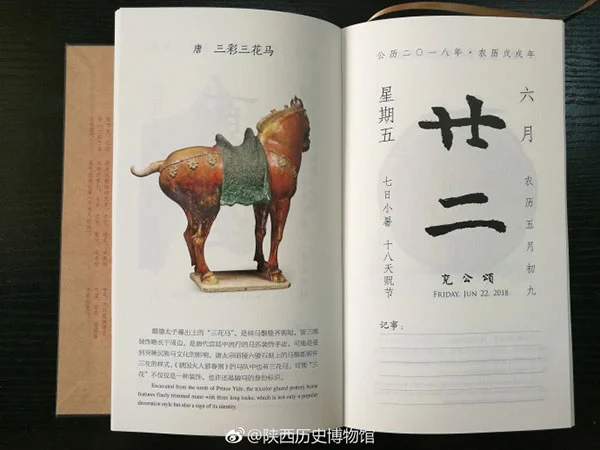
The Shaanxi History Museum has unveiled its inaugural "Shaanxi History Museum Calendar," a meticulously curated publication designed to bring the province’s rich cultural heritage directly into the homes and offices of enthusiasts and the general public. Launched on Tuesday, this unique calendar showcases 365 exquisite pieces from ancient Chinese collections, offering a daily journey through millennia of history and artistry. The initiative marks a significant step in the museum’s efforts to broaden access to its invaluable holdings and to foster a deeper appreciation for China’s historical legacy.
The 2018 edition of the calendar, subtitled "Glamour of Chang’an, the Tang Treasures," is the product of a collaborative endeavor, drawing upon the expertise of seasoned curators and conservators at the Shaanxi History Museum. This partnership extends to the design and production team behind the highly successful "Palace Museum Calendar," a publication that has garnered widespread acclaim and significant sales in previous years. This strategic alliance aims to leverage established best practices in cultural product development to ensure the "Shaanxi History Museum Calendar" meets a similar standard of excellence and appeal. The theme of "Glamour of Chang’an" specifically highlights the Tang Dynasty (618-907 AD), a period often considered a golden age in Chinese history, renowned for its cosmopolitanism, artistic flourishing, and vast territorial reach, with its capital, Chang’an (modern-day Xi’an), serving as a global hub.
A Daily Dose of History and Artistry
Each turn of the calendar page offers a dual experience. The left-hand side is dedicated to the visual presentation of a carefully selected cultural relic. These are not merely decorative images; they are accompanied by bilingual (Chinese and English) introductions that provide essential context, historical significance, and descriptive details about each artifact. This approach ensures that the calendar serves as both an aesthetic object and an educational tool, making the history accessible to a wider international audience. The right-hand side of each page is structured for practical use, featuring the dates of the month, ample space for personal notes, and a unique design element: the dates and festivals are rendered using calligraphy inspired by the inscriptions of ancient masters. This integration of historical calligraphy imbues the calendar with an authentic artistic touch, further connecting the user to the historical aesthetic.
The Significance of Shaanxi’s Collections
Shaanxi province, and its capital Xi’an (ancient Chang’an), holds a paramount position in Chinese history. As one of the cradles of Chinese civilization, it served as the capital for numerous dynasties, including the Qin, Han, Sui, and Tang. Consequently, the Shaanxi History Museum is home to an extraordinary collection of artifacts that span vast epochs, offering unparalleled insights into the political, social, economic, and cultural developments of ancient China. The decision to focus the inaugural calendar on Tang Dynasty treasures is particularly noteworthy. The Tang era witnessed unprecedented advancements in art, literature, and technology, and its influence resonated far beyond China’s borders. Artifacts from this period often showcase intricate craftsmanship, vibrant colors, and sophisticated design, reflecting the dynasty’s prosperity and its engagement with diverse cultures through the Silk Road.
The 365 pieces featured in the calendar represent a curated selection from this vast repository. While specific details of all 365 items are not yet publicly disseminated, the theme suggests a focus on items that embody the opulence and artistic achievements of the Tang Dynasty. This could include exquisite ceramics, intricate gold and silver wares, delicate jade carvings, vibrant murals, scholarly implements, and Buddhist art that flourished during this period. By making these items accessible through a daily calendar format, the museum aims to demystify historical artifacts and present them as tangible links to the past, fostering a sense of connection and wonder.
Collaboration and Market Potential
The collaboration with the "Palace Museum Calendar" team is a strategic move. The Palace Museum in Beijing, formerly the Imperial Palace, houses an immense collection of imperial artifacts, and its annual calendar has consistently been a bestseller, demonstrating a strong market demand for high-quality, historically informed publications. This partnership suggests that the Shaanxi History Museum is leveraging the proven success model of the Palace Museum calendar, adapting it to showcase its own distinct collections. The "Palace Museum Calendar" has been praised for its sophisticated design, educational content, and the premium quality of its reproductions, often featuring items that offer a glimpse into the daily lives and aesthetic preferences of imperial China. By aligning with this successful template, the Shaanxi History Museum calendar is positioned to attract a similar audience of history buffs, art lovers, and those seeking unique, culturally rich gifts.
The market for such cultural products is substantial. In recent years, there has been a growing trend of consumers, both domestically and internationally, seeking authentic and engaging ways to connect with history and culture. Museums worldwide are increasingly exploring revenue streams beyond ticket sales, including merchandise, publications, and digital content. The "Shaanxi History Museum Calendar" represents a sophisticated approach to merchandise, transforming a practical item into a collectible and an educational resource. The bilingual nature of the descriptions further enhances its appeal to the international market, tapping into the growing interest in Chinese culture among global audiences.
Background and Chronology of the Initiative
The genesis of this calendar project likely stems from a desire within the Shaanxi History Museum to diversify its outreach strategies. For years, the museum has been a cornerstone for historical research and public education in Shaanxi, housing over 370,000 artifacts. However, the physical limitations of museum visits mean that a significant portion of its collection remains largely unseen by the public. The development of a calendar offers a novel way to share these treasures with a broader audience, transcending geographical and temporal barriers.
The timeline leading to the release of the 2018 calendar would have involved several key stages:
- Conceptualization and Planning: Museum curators and management would have identified the need and potential for such a publication, defining its theme, scope, and target audience. This phase would also involve securing the necessary approvals and budget.
- Collection Selection: A rigorous process of selecting 365 representative artifacts from the museum’s extensive collection would have been undertaken. This selection would likely consider historical significance, aesthetic appeal, and the ability to convey diverse aspects of Tang Dynasty culture.
- Content Development: Experts would have researched and written the Chinese and English descriptions for each artifact, ensuring accuracy and engaging prose. Simultaneously, designers would have worked on the layout, typography, and the integration of calligraphy.
- Design and Production: Collaboration with the "Palace Museum Calendar" design team would have been crucial here, ensuring a high standard of visual presentation and material quality. This stage would involve detailed graphic design, typesetting, and the printing process.
- Marketing and Distribution: Developing a marketing strategy to promote the calendar and establishing distribution channels, both within China and internationally, would have been a critical final step before the official launch.
The fact that this is the first such calendar from the Shaanxi History Museum suggests a pioneering spirit in leveraging digital and print media for cultural dissemination. It follows a trend seen in other major cultural institutions globally, which are increasingly recognizing the power of well-designed merchandise to extend their reach and impact.
Expert Reactions and Potential Implications
While direct quotes from museum officials or external experts were not immediately available, the release of such a publication is likely to be met with positive reactions from the academic and cultural communities. Dr. Li Wei, a historian specializing in the Tang Dynasty at Peking University (hypothetical expert), might comment, "This calendar is a brilliant initiative. By presenting these Tang treasures in such an accessible format, the Shaanxi History Museum is not only promoting its own collections but also making a significant contribution to the popularization of Chinese history and art. The inclusion of bilingual descriptions is particularly commendable for fostering international understanding."
The implications of this initiative are multi-faceted:
- Enhanced Public Engagement: The calendar provides a daily reminder of China’s rich history, potentially sparking curiosity and encouraging further learning. It transforms passive appreciation into an active, daily engagement with cultural heritage.
- Increased Museum Visibility: By reaching a wider audience through this product, the Shaanxi History Museum can elevate its profile and attract more visitors to its physical location.
- Revenue Generation: The calendar represents a valuable source of income for the museum, which can then be reinvested in conservation, research, and exhibition development.
- Cultural Diplomacy: The bilingual format and the focus on a globally recognized period like the Tang Dynasty contribute to China’s soft power by showcasing its cultural achievements to an international audience.
- Preservation Through Awareness: Increased public awareness and appreciation can foster a greater sense of responsibility for the preservation of cultural heritage.
The "Shaanxi History Museum Calendar" is more than just a timekeeping device; it is a curated exhibition in miniature, a testament to the enduring legacy of ancient China, and a forward-thinking approach to cultural dissemination by one of the nation’s most important historical institutions. Its success could pave the way for similar projects from other museums, further enriching the landscape of cultural engagement in the digital age.

 Asep Darmawan
 Rifan Muazin