Nana Muazin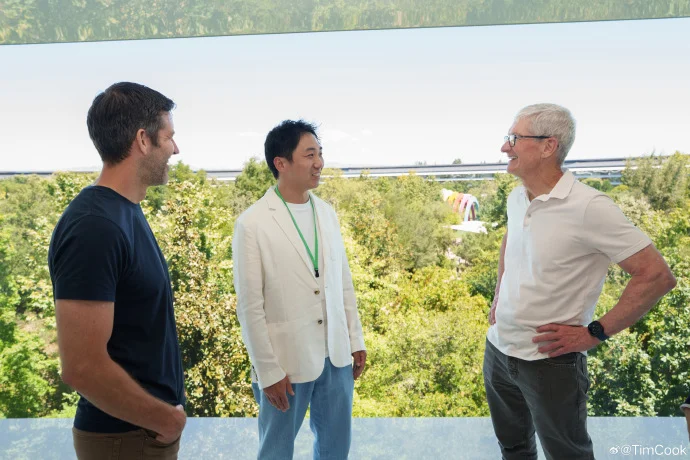
Cupertino, California – In a notable demonstration of deepening cultural and commercial ties, Apple CEO Tim Cook recently welcomed the executive team from POP MART, the Beijing-based purveyor of designer art toys and collectibles, to Apple Park, the tech giant’s iconic headquarters in Cupertino, California. The visit, which included POP MART founder Wang Ning, marked the second high-profile public interaction between Cook and the burgeoning collectible art company in less than nine months, signaling a potentially significant alignment between two seemingly disparate but design-centric global brands.
Cook commemorated the occasion with a post on Weibo, China’s prominent social media platform, sharing a photograph of himself alongside Wang Ning and John Ternus, Apple’s Senior Vice President of Hardware Engineering, who is widely seen as a key figure in Apple’s future leadership. During the meeting, Wang Ning presented Cook with a unique collectible figure: LABUBU character ZIMOMO, a gesture that underscores the personal and cultural exchange inherent in these interactions. This exchange transcends typical business meetings, highlighting a strategic engagement with global cultural trends and consumer interests, particularly within the dynamic Chinese market.
POP MART’s Ascent: A Phenomenon in Collectible Culture
To fully appreciate the significance of Apple’s engagement with POP MART, it is essential to understand the latter’s meteoric rise. Founded in 2010, POP MART initially operated as a retailer of trendy lifestyle products before pivoting to focus on designer art toys, particularly through the "blind box" mechanism. This innovative sales model, where customers purchase a sealed box containing a randomly selected figurine from a series, taps into the thrill of surprise and the desire for completion among collectors. It has proven immensely successful, especially among younger demographics, including Gen Z and millennials.
POP MART cultivates a stable of popular original intellectual properties (IPs) such as Molly, SKULLPANDA, DIMOO, and LABUBU, the character gifted to Cook. These characters are designed by independent artists, and POP MART collaborates to produce and market them globally. The company’s success is not just in sales volume but in fostering a vibrant community of collectors who engage in trading, exhibiting, and discussing these miniature art pieces. By the end of 2023, POP MART operated hundreds of retail stores and thousands of Robo Shops (vending machines) across mainland China and had significantly expanded its global footprint, with a presence in over 25 countries and regions. Its market capitalization on the Hong Kong Stock Exchange reflects its substantial influence in the global collectible toy market, which research firm Statista projected to reach approximately $35 billion globally by 2025. This growth is driven by factors such as nostalgia, the rise of fandom culture, and the increasing disposable income of younger consumers seeking unique forms of self-expression.
Apple’s Strategic Outreach: Beyond Core Products
Apple’s interest in POP MART can be contextualized within its broader strategy of cultural diplomacy, particularly in key international markets like China. While Apple is renowned for its premium hardware and software, its leadership, under Tim Cook, has increasingly emphasized the company’s role in fostering creativity, design, and cultural connection. Cook’s international visits often include stops that highlight local innovation, art, and consumer trends, rather than solely focusing on manufacturing partners or Apple Stores. This approach helps Apple embed itself deeper into the cultural fabric of the markets it serves, fostering goodwill and understanding among its diverse customer base.
For Apple, engaging with POP MART aligns with several strategic imperatives:
- Understanding Emerging Consumer Trends: The blind box phenomenon is a powerful indicator of how younger generations engage with brands, products, and digital content. Apple, constantly seeking to innovate and remain relevant, benefits from direct engagement with companies at the forefront of these trends.
- Deepening Ties in the Chinese Market: China remains one of Apple’s most crucial markets, both for sales and manufacturing. Cook’s active engagement with Chinese culture, entrepreneurs, and social media platforms like Weibo underscores Apple’s commitment to this market amidst geopolitical complexities and increasing domestic competition.
- Exploring New Avenues for Services Growth: Apple’s services division, encompassing App Store, Apple Music, Apple TV+, Apple Arcade, and iCloud, is a major growth engine. Cultural IPs like those from POP MART could potentially unlock new content opportunities, whether through gaming, augmented reality (AR) experiences, or exclusive digital collectibles.
- Brand Synergy: Both Apple and POP MART embody a commitment to design, aesthetics, and a premium user experience. While their product categories differ, the underlying philosophies of craftsmanship, innovation, and engaging with consumer passions find common ground.
A Chronology of Engagement: From Shanghai to Cupertino
The recent meeting at Apple Park is not an isolated event but rather the latest development in a discernible pattern of interaction.
October 2023 – Shanghai, China: During his trip to China in October 2023, Tim Cook made headlines for his very first public stop: not an Apple Store opening or a visit to a crucial supply chain partner, but the THE MONSTERS 10th Anniversary Exhibition at Shanghai’s historic Bund Source. This exhibition was dedicated to one of POP MART’s most popular IPs, THE MONSTERS, featuring characters like LABUBU and ZIMOMO. Cook was photographed interacting with the exhibits, showing genuine interest in the collectible figures and the artistic vision behind them. His presence at such an event, widely reported across Chinese and international media, sent a clear message: Apple was paying attention to indigenous cultural phenomena and the evolving consumer landscape beyond its traditional tech sphere. This visit was perceived as a significant endorsement, not just for POP MART, but for the broader art toy and collectible culture that has flourished in Asia. It underscored Cook’s personal investment in understanding local market dynamics and cultural nuances.
June 2024 – Cupertino, California, USA: Fast forward to June 2024, the relationship escalated from a public visit to an exhibition to a formal invitation to Apple’s global headquarters. The presence of John Ternus, Apple’s incoming CEO, alongside Cook, suggests a strategic, long-term perspective on this engagement. Ternus’s involvement indicates that this is not merely a courtesy call but potentially a forward-looking exploration of opportunities that align with Apple’s future product and experience roadmaps. The gift of LABUBU ZIMOMO, a tangible representation of POP MART’s creative output, further solidified the cultural exchange aspect of the meeting. Cook’s Weibo post, reaching millions in China, amplified the message of collaboration and mutual respect, reinforcing Apple’s commitment to building bridges with innovative Chinese companies.
Broader Impact and Implications: A Look Ahead
The repeated high-level interactions between Apple and POP MART carry significant implications for both companies and their respective industries.
For POP MART:
- Global Validation and Brand Prestige: A direct engagement with Apple, one of the world’s most recognizable and valuable brands, confers immense prestige and global validation upon POP MART. It elevates the company beyond a niche collectible brand to a significant player in the broader cultural and creative industries.
- Enhanced International Expansion: This visibility can significantly aid POP MART’s ongoing efforts to expand its presence in Western markets, particularly among consumers who may be less familiar with the blind box phenomenon but are drawn to design-led products endorsed by influential figures.
- Potential for Future Collaborations: The most intriguing implication is the potential for concrete collaborations. Imagine POP MART characters integrated into Apple Arcade games, exclusive digital collectibles for Apple Wallet, augmented reality experiences featuring LABUBU on iPhones or iPads, or even POP MART-themed content for the forthcoming Apple Vision Pro. Such partnerships could introduce POP MART to Apple’s vast global ecosystem of users, opening new revenue streams and creative avenues.
For Apple:
- Strengthening Cultural Ties in China: By embracing a popular Chinese cultural phenomenon, Apple demonstrates its commitment to understanding and respecting local tastes, which is crucial for maintaining market share and brand loyalty in China.
- Tapping into the Collectible Economy: The collectible market, including digital collectibles, is booming. Engaging with POP MART allows Apple to explore this lucrative segment, potentially through its services division, appealing to a younger, digitally native demographic.
- Innovation in Digital and Physical Experiences: Apple has always been at the forefront of merging physical and digital experiences. POP MART’s blend of tangible art toys with digital engagement (through social media and online communities) provides a rich area for Apple to explore, potentially leading to new product features or service offerings that bridge these worlds. The presence of John Ternus, responsible for hardware, further hints at possible physical-digital integrations.
- Diversifying Brand Image: While Apple is known for sleek technology, aligning with an art toy company can subtly broaden its brand image, emphasizing its connection to creativity, fun, and personal expression—qualities that resonate deeply with its consumer base.
The Future Landscape
While neither company has issued formal statements regarding specific collaborative projects, the consistent high-level engagement strongly suggests a strategic intent beyond mere cordial visits. The convergence of technology and culture is a defining trend of the 21st century. As Apple continues to evolve its ecosystem, moving beyond just devices to encompass a rich array of services and experiences, partners like POP MART offer compelling opportunities for innovation and engagement. The "blind box" model itself, predicated on surprise and discovery, could inspire novel digital content delivery methods or interactive experiences within Apple’s platforms.
The global collectible toy market continues its robust expansion, fueled by digital platforms and a growing appreciation for designer art. Similarly, Apple’s services revenue reached an all-time high of $23.1 billion in the fiscal second quarter of 2024, demonstrating the immense potential for growth beyond hardware sales. A synergy between these two giants, one representing cutting-edge technology and design, the other at the vanguard of collectible art and cultural IP, could unlock unprecedented opportunities, shaping not only their respective futures but also influencing how consumers interact with both digital and physical cultural artifacts in the years to come. The visits underscore a forward-thinking approach by both Tim Cook and Wang Ning, positioning their companies to potentially co-create the next wave of integrated cultural and technological experiences.

 Jia Lissa
 Basiran