Ali Ikhwan
More than a thousand people are missing and hundreds found dead after a massive mudslide ripped through a valley in the Himalayas at the China-Nepal border, devastating communities in Tibet and Nepal. The catastrophic event, which occurred in the early morning hours of Wednesday, August 26, has triggered a massive search and rescue operation and intensified concerns about the escalating impacts of climate change on fragile high-altitude ecosystems.
Initial assessments suggest that an ice-rock avalanche, dislodged from the mountainside, struck the river at the base of the valley. This impact is believed to have triggered a colossal flash flood, which in turn unleashed a destructive mudslide that surged downhill, obliterating everything in its path. While experts caution against pinpointing climate change as the sole immediate cause, they acknowledge that rising global temperatures and the resultant melting of glaciers have likely played a significant role in destabilizing the region’s geological conditions.
A Region Vulnerable to Climate Extremes
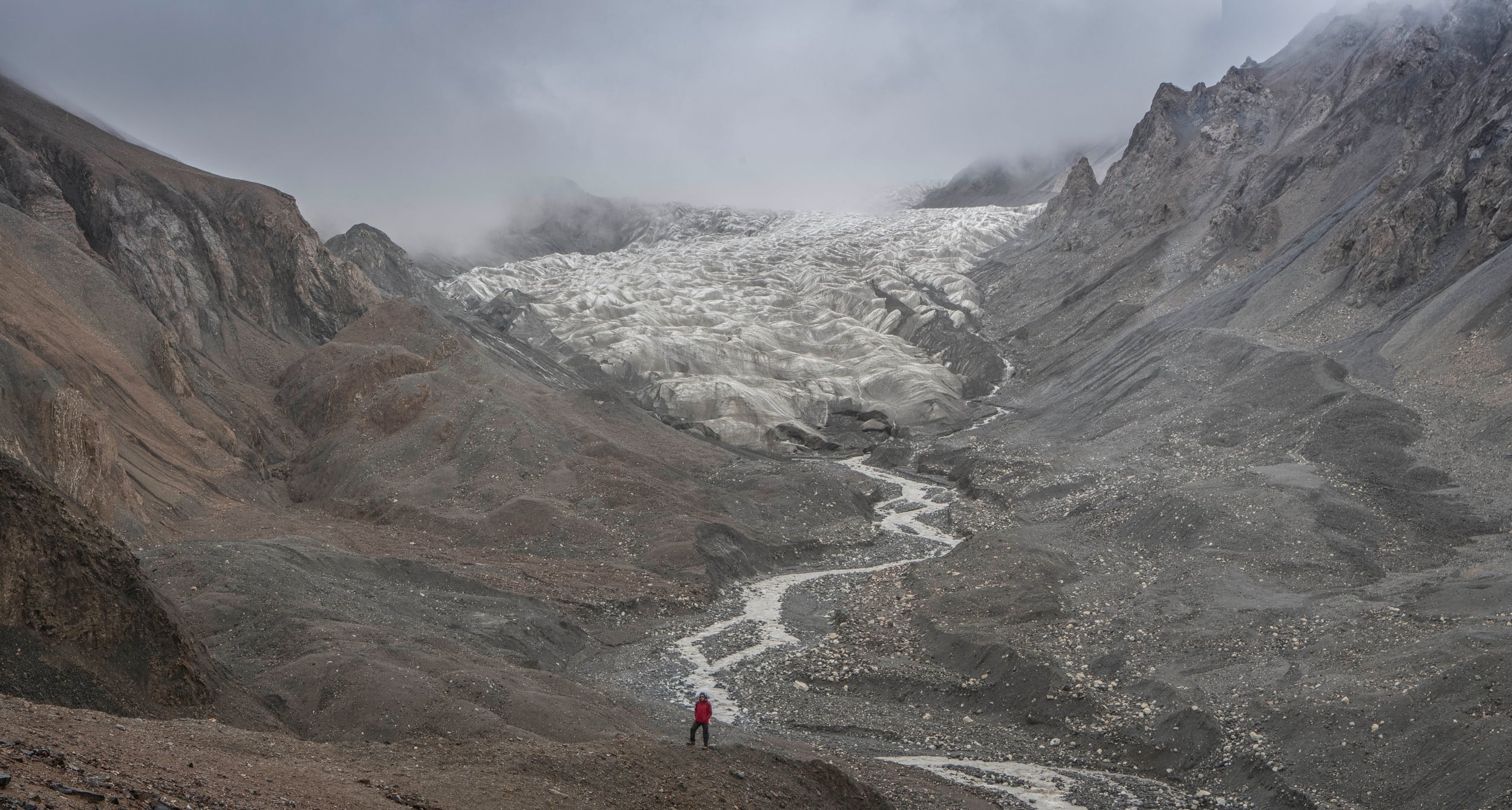
The Himalayas, often referred to as the "Third Pole," are experiencing warming at a rate twice the global average. Between 1981 and 2020, the Tibetan Plateau, a vast high-altitude mountainous region, has seen temperatures rise by approximately 0.5 degrees Celsius every decade. This accelerated warming is accompanied by an increase in precipitation, with an average rise of 14 millimeters every 10 years. These figures, while stark, only hint at the profound geological transformations occurring in these sensitive environments. The fragility of ecosystems, including soil and river stability, is exacerbated by the risk of localized events triggering chain reactions, leaving communities in mountainous areas acutely vulnerable to natural and climate-induced disasters.
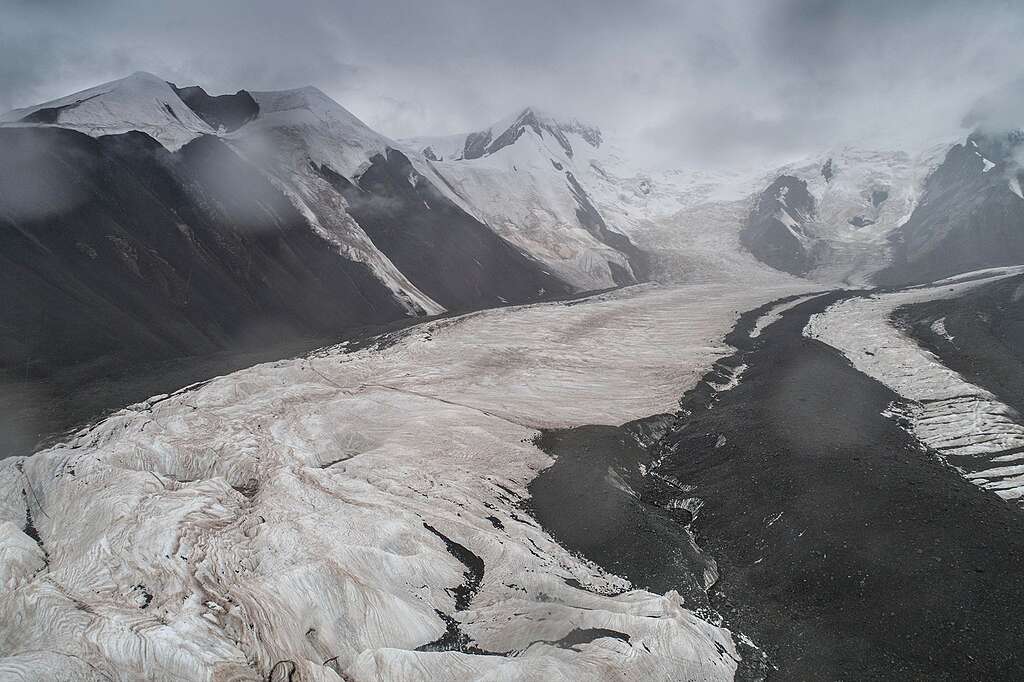
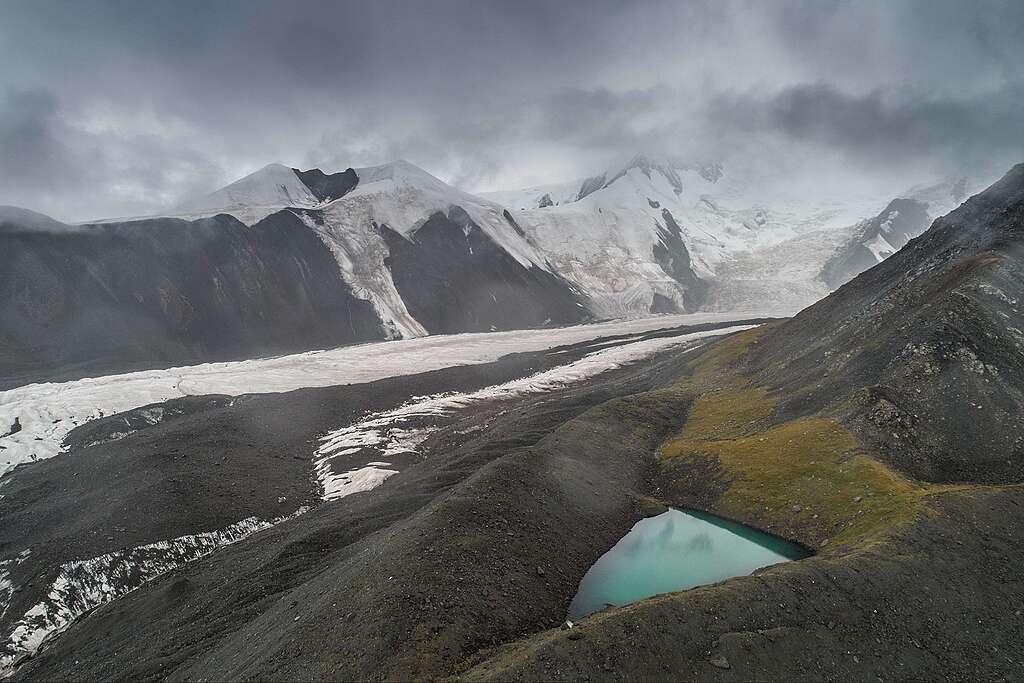
This is not the first devastating event of its kind in this border region. Last year, a different disaster struck, caused by a glacial outburst flood (GOF). A GOF occurs when a lake formed by meltwater from a glacier, held back by a natural dam of ice and debris, breaches its containment. The sudden release of vast amounts of water and debris then rushes downhill with immense force. The frequency and intensity of such events are widely attributed to the accelerating retreat of glaciers worldwide, a direct consequence of global warming.
Chronology of Disaster and Investigation
The exact sequence of events leading to Wednesday’s mudslide is currently under intense investigation. However, the reported chain reaction – from an ice-rock avalanche to a flash flood and then a devastating mudslide – paints a grim picture of the forces unleashed. The timing of the disaster, occurring in the early morning, likely meant many residents were caught unprepared in their homes and villages, contributing to the high casualty and missing person counts.

The immediate aftermath saw a flurry of activity as rescue teams from both China and Nepal were mobilized. However, the challenging terrain, coupled with the sheer scale of the destruction, has presented immense obstacles. The affected areas are remote and often difficult to access even under normal circumstances. The mudslide has likely obliterated roads and bridges, further complicating rescue efforts and the delivery of essential aid.
Scientific Context and Previous Warnings
This disaster underscores the warnings issued by environmental organizations and scientific bodies for years. A 2018 report by Greenpeace East Asia, in collaboration with the Chinese Academy of Sciences and the Gansu Provincial Academy, provided a comprehensive analysis of climate change impacts on glaciers across China and Asia. The report specifically urged for the strengthening of early warning systems and risk prevention measures in high-altitude glacial regions, highlighting the increasing instability posed by a warming climate.
In response to growing concerns, the Chinese government has implemented national strategies such as the "National Climate Change Adaptation Strategy 2035" and the "Qinghai-Tibet Plateau Ecological Protection Law." These policies emphasize the critical need to address climate risks and enhance monitoring and early warning systems in these vulnerable areas. Despite these governmental efforts, the inherent complexity of the high-altitude environment, including its permafrost regions, presents ongoing challenges for effective climate adaptation. Real-time risk monitoring and robust on-the-ground emergency management mechanisms are identified as areas requiring significant upgrades.
The Growing Threat of Glacial Lake Outburst Floods (GLOFs)
The incident also draws attention to the increasing prevalence of Glacial Lake Outburst Floods (GLOFs) in the region. Over the past decade, numerous such events have been recorded. Both Nepal and China have been working to improve their response capabilities, implementing measures such as disaster assessment, remote sensing technologies, flood simulation modeling, and cross-border information exchange.
However, the speed at which these events can unfold leaves little room for error. A 2022 simulation conducted for a neighboring river valley, geologically and geographically similar to the affected area, revealed a chilling reality. This simulation, which included a glacial lake, a steep canyon, and a border crossing, found that a GLOF could reach a nearby town within 5 to 11 minutes and the China-Nepal border in approximately 30 minutes. This analysis underscores the critical need for highly responsive and effective early warning systems that can provide actionable alerts to at-risk communities in a timely manner.
Broader Implications and Future Preparedness
The devastating mudslide in the Himalayas serves as a stark reminder of the interconnectedness of global climate change and localized natural disasters. The loss of life and livelihoods in both Tibet and Nepal is a tragedy that reverberates beyond the immediate geographical impact. It highlights the urgent need for enhanced international cooperation in climate change mitigation and adaptation strategies, particularly in regions that are disproportionately vulnerable to its effects.
The event is likely to prompt a re-evaluation of existing disaster preparedness and response mechanisms in the Himalayas. This includes investing in more sophisticated monitoring technologies, improving early warning systems, and developing more resilient infrastructure in at-risk areas. Furthermore, it underscores the importance of community engagement and education in disaster risk reduction, ensuring that local populations are equipped with the knowledge and resources to respond effectively to such catastrophic events.
The long-term implications of such disasters extend to economic stability, environmental preservation, and the displacement of communities. The ongoing warming of the Himalayas threatens not only the immediate populations but also the downstream regions that rely on glacial meltwater for their water supply. As the planet continues to warm, the frequency and intensity of extreme weather events are expected to increase, making proactive and robust adaptation measures an imperative for the survival and well-being of communities in vulnerable regions like the Himalayas. The tragic events of August 26 are a call to action, demanding a more concerted and urgent global response to the escalating climate crisis.


 Asro
Asro
 Sagoh
Sagoh