Iffa Jayyana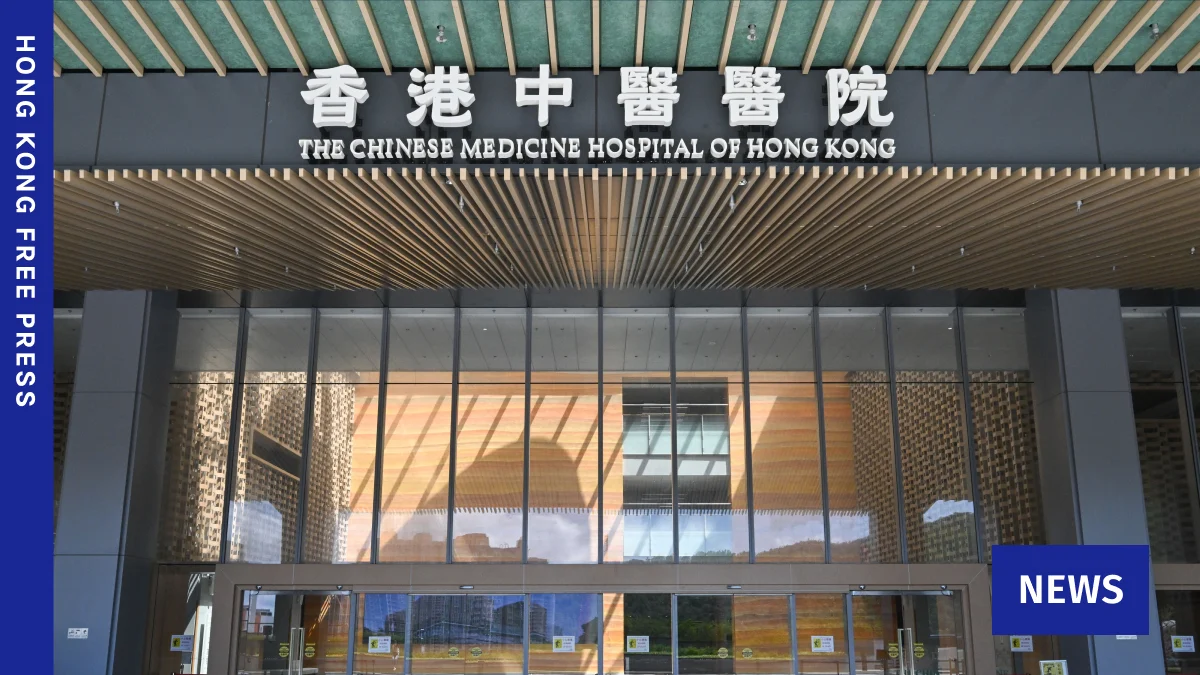
Hong Kong is set to expand its healthcare landscape with the imminent launch of inpatient services at the Chinese Medicine Hospital (CMH) in Tseung Kwan O. Beginning December 11, the facility will offer 24-hour inpatient care, a significant expansion from its current outpatient and day-patient services. This move marks a new chapter for the integration of Traditional Chinese Medicine (TCM) into Hong Kong’s mainstream healthcare system, albeit with a pricing structure that positions it as a premium option compared to public hospitals.

The CMH, which officially opened its doors last December, will initially provide 93 inpatient beds. This allocation is divided into two tiers: 60 government-subsidised beds designated for eligible Hong Kong residents, and 33 non-subsidised beds. Further augmenting its capacity, the hospital will reserve 20 beds within its Clinical Trial and Research Centre for experimental treatments and studies, alongside two high-dependency beds to cater to patients requiring more intensive monitoring and nursing. The long-term vision for the CMH includes a substantial expansion, with projections indicating a total bed capacity of 400 by the end of 2030, underscoring a commitment to developing a comprehensive TCM healthcare infrastructure.
This development represents a significant step in Hong Kong’s strategy to promote and integrate TCM. The CMH operates under a unique public-private partnership model, a testament to the government’s effort to leverage private sector expertise and investment in public services. The management of the hospital has been entrusted to a company established by Hong Kong Baptist University (HKBU), selected through a government tender process in 2021. This model aims to harness the academic and research strengths of HKBU while ensuring the operational efficiency and service quality expected of a modern healthcare institution.

A Dual-Tiered Approach to Inpatient Care
The hospital’s fee structure reflects a deliberate strategy to cater to different patient segments, employing two distinct pricing models. For government-subsidised services, the daily inpatient fee is set at HK$980. This rate, while significantly higher than the HK$300 daily charge for a public hospital bed, is intended to reflect the specialised nature of TCM inpatient care and the comprehensive services offered. This pricing places the subsidised beds at more than three times the cost of comparable public hospital services, signalling a move towards a more market-oriented approach even within the subsidised framework.
For patients opting for non-subsidised beds, the daily charges are considerably higher, ranging from HK$810 to HK$3,100, with the final cost depending on the chosen room type and amenities. These rates are exclusive of medical attendance and consultation fees, which are billed separately starting from HK$560 per visit. This tiered pricing strategy allows the hospital to generate revenue from those who can afford private healthcare options, thereby subsidising the costs for eligible residents and potentially contributing to the long-term financial sustainability of the institution.

The introduction of inpatient services is not the sole expansion planned for the CMH. Authorities have also announced plans to enhance existing outpatient services. This includes bolstering the capabilities of the radiological diagnostic and pathology departments, integrating advanced diagnostic technologies with TCM practices. Furthermore, the hospital is set to launch ten new special disease programmes in September and November. These programmes will focus on a range of conditions, including common ailments like eczema, and more complex conditions such as Parkinson’s disease and functional gastrointestinal disorders, showcasing the hospital’s commitment to addressing diverse health needs through TCM.
The Vision for Integrated Healthcare
The government articulated its vision for the CMH in a statement released on Tuesday, emphasizing the hospital’s role in providing "highly effective treatment to enhance clinical outcomes." This is to be achieved by "leveraging the strengths of Chinese medicine and the complementary advantages of Chinese and Western medicine." The approach signals a commitment to a multidisciplinary healthcare model, where TCM is not viewed in isolation but as an integral component of a broader healthcare strategy, working in synergy with Western medical practices. This integrated approach aims to offer patients a holistic and personalised treatment experience, drawing from the best of both medical traditions.

The government’s projections indicate a substantial increase in patient engagement. Annual outpatient attendance is anticipated to rise from 140,000 in the hospital’s inaugural year to over 260,000 in its second year of operation. This optimistic forecast underscores the growing demand for TCM services in Hong Kong and the hospital’s expected role in meeting this demand. The expansion into inpatient care is a critical element in solidifying the CMH’s position as a leading centre for TCM, capable of providing comprehensive care from diagnosis to recovery.
Background and Development of the Chinese Medicine Hospital
The establishment of the Chinese Medicine Hospital of Hong Kong has been a long-standing objective for the government, aimed at advancing the development and integration of TCM within the city’s healthcare system. The journey towards its opening has involved extensive planning, research, and public consultation. The decision to adopt a public-private partnership model was a strategic one, designed to accelerate the project’s development and ensure its long-term viability by combining public sector oversight with private sector innovation and efficiency.

Hong Kong Baptist University’s selection as the project contractor in 2021 followed a rigorous government tender process. HKBU has a well-established track record in TCM research and education, making it a natural choice to lead the management and operation of the CMH. The university’s involvement is expected to foster a strong research culture within the hospital, driving advancements in TCM and ensuring that its clinical practices are evidence-based and aligned with contemporary medical standards.
The initial phase of the hospital’s operation, focusing on outpatient and day-patient services, provided valuable experience and laid the groundwork for the upcoming inpatient services. This phased approach allowed for the refinement of operational protocols, staff training, and the development of initial patient care pathways. The expansion to 24-hour inpatient care represents a significant scaling up of these services, requiring a substantial increase in staffing, infrastructure, and clinical support.

Implications and Future Outlook
The introduction of inpatient services at the CMH, coupled with its premium pricing, raises several points for consideration regarding healthcare accessibility and the future of TCM in Hong Kong. While the subsidised beds aim to make TCM inpatient care more accessible to a broader segment of the population, the cost difference compared to public hospitals remains substantial. This could lead to a scenario where TCM inpatient services are primarily utilized by those who can afford them or by patients with specific conditions where TCM is deemed a primary treatment option and cost is a secondary concern.
The government’s emphasis on a multidisciplinary approach, integrating TCM with Western medicine, is a positive development. This integration has the potential to offer patients more comprehensive and effective treatment options, particularly for chronic diseases and complex conditions. The success of this model will depend on seamless collaboration between TCM practitioners and Western medical professionals, as well as robust clinical research to validate the efficacy of combined treatments.

The expansion of the CMH, including the planned increase to 400 beds by 2030, signals a long-term commitment to TCM. This investment is expected to not only enhance healthcare provision but also to stimulate research, education, and innovation in the field of TCM within Hong Kong and the wider region. As the hospital evolves, its ability to attract and retain qualified TCM practitioners and integrate cutting-edge research will be crucial to its success.
The growing outpatient attendance projections suggest a strong public interest in TCM. By offering inpatient services, the CMH is poised to become a cornerstone of TCM healthcare in Hong Kong, providing a much-needed facility for advanced and comprehensive traditional medicine treatment. The coming months will be a critical period for the hospital as it navigates the complexities of launching inpatient care and continues to expand its service offerings, ultimately aiming to set a new standard for integrated healthcare in the city.


 Ammar Sabilarrohman
 Azzam Bilal Chamdy