Ammar Sabilarrohman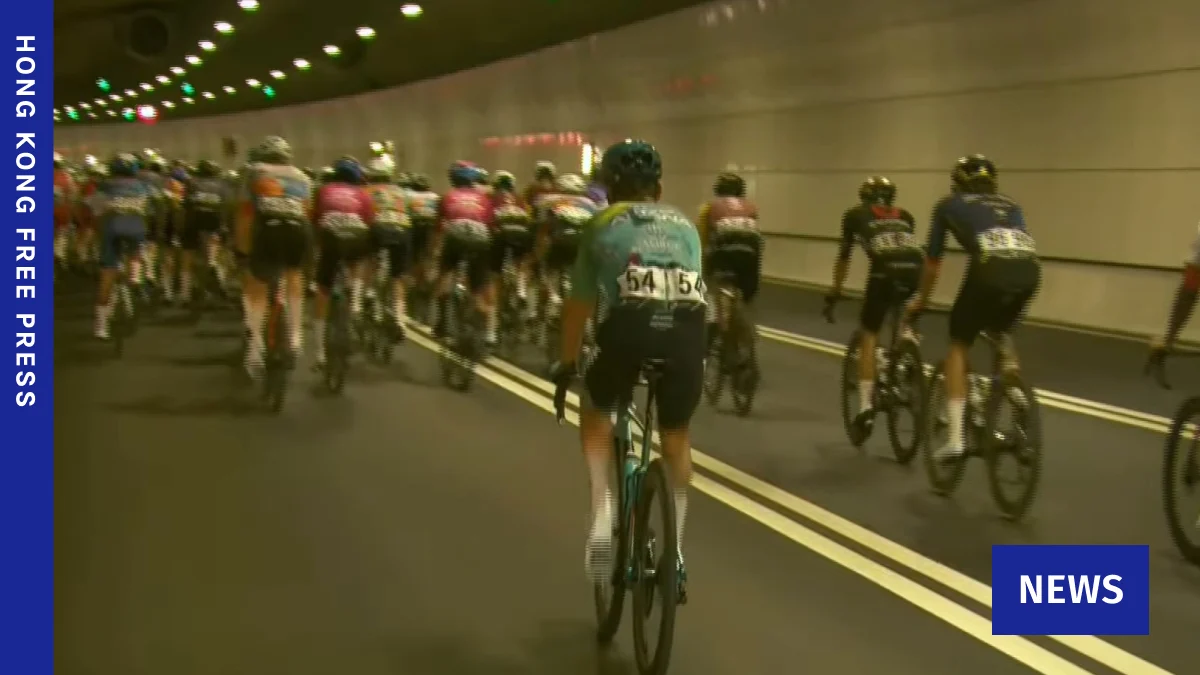
The organisers of the prestigious Sun Hung Kai Properties Hong Kong Cyclothon have issued a sincere apology following a navigational error by a lead vehicle that inadvertently diverted participants of the 32km race away from the iconic Ting Kau Bridge section. This misstep prevented thousands of cyclists from experiencing a key highlight of the course, which was designed to showcase the city’s distinctive urban and natural vistas, leading to widespread disappointment and some traffic congestion.
The incident, which occurred on Sunday, October 11, 2026, has cast a shadow over what is typically a celebrated event on Hong Kong’s sporting calendar. Approximately 6,000 cyclists participated in this year’s race, which commenced at the vibrant West Kowloon Cultural District. The originally planned route was meticulously designed to incorporate breathtaking views from both the Ting Kau Bridge and the nearby Stonecutters Bridge, offering cyclists a unique perspective of Hong Kong’s western waters and skyline. The Hong Kong Tourism Board had promoted these scenic elements as a major draw for participants.

Chronology of the Route Deviation
The sequence of events leading to the diversion began earlier on Sunday morning during a separate 56km event within the same Cyclothon. According to a statement released by the Cycling Association of Hong Kong, China, two cyclists in this longer race sustained injuries while en route to the Ting Kau Bridge. In response to the medical emergency, on-site event staff made a critical decision to establish an emergency lane to facilitate rapid access for ambulances.
To achieve this, traffic cones were strategically placed near the entrance of the Nam Wan Tunnel. This temporary measure, intended solely to expedite medical assistance, unfortunately created an unforeseen complication for the subsequent 32km race. The lead vehicle, tasked with guiding the cyclists and ensuring adherence to the planned route, appears to have misinterpreted the altered road conditions.

"The [association] sincerely apologises for the disappointment and inconvenience caused by the lead vehicle’s misjudgment, which prevented participants in the 32 km group from riding the original Ting Kau Bridge route, caused them to miss out on the iconic course experience, and led to brief traffic congestion," the statement read.
The association explained that the pilot car, observing the repositioned traffic cones, mistakenly assumed that the designated route over the Ting Kau Bridge had been permanently altered. Consequently, instead of making the planned turn onto the bridge, the lead vehicle continued straight towards the Nam Wan Tunnel. As this section of the route was a downhill stretch, the following cyclists, in adherence to safety protocols and following the lead vehicle, were compelled to enter the tunnel as well, thereby bypassing the intended scenic bridge passage.
Impact on Participants and the Event

The deviation from the original route had an immediate and noticeable impact on the participant experience. Many cyclists, having trained for and anticipated the picturesque journey across the Ting Kau Bridge, expressed their frustration and disappointment. Social media channels and post-race discussions were abuzz with comments from participants who felt cheated out of a significant part of the race. Some described the experience of being funnelled into the tunnel as a "push-a-thon," particularly as congestion near the finish line led to large groups of cyclists dismounting and pushing their bikes towards the end.
The Hong Kong Cyclothon is a significant event in the city’s sporting calendar, attracting a diverse range of cyclists, from recreational riders to seasoned athletes. Its popularity is partly attributed to the unique urban landscape it traverses, offering a challenging yet visually rewarding experience. The Ting Kau Bridge, with its distinctive cable-stayed design, and the adjacent Stonecutters Bridge, are architectural marvels that offer panoramic views, making them prime locations for a cycling event aiming to highlight Hong Kong’s scenic beauty.
Official Response and Explanations

The Cycling Association of Hong Kong, China, has taken responsibility for the oversight. In their statement, they elaborated on the sequence of decisions, emphasizing that the primary concern during the medical emergency was the safety and timely treatment of the injured cyclists. They acknowledged that the communication and coordination between on-site staff managing the emergency lane and the lead vehicle for the 32km race were insufficient to prevent the misrouting.
The association stated that the placement of cones, while necessary for the emergency, created a visual cue that the pilot car’s navigation system or the driver interpreted as a route change. The downhill gradient further ensured that cyclists would follow the lead vehicle into the tunnel, as deviating at that point could have posed safety risks.
While the organisers have apologised, questions may arise regarding the protocols for managing traffic diversions during emergencies within major sporting events. Ensuring clear communication channels between different operational teams—those managing medical emergencies and those responsible for route guidance—is paramount to preventing such disruptions. The incident highlights the complex logistical challenges involved in staging large-scale outdoor events in a densely populated and dynamic urban environment like Hong Kong.

Broader Context and Implications
The Hong Kong Cyclothon is more than just a sporting event; it serves as a platform to promote healthy lifestyles, community engagement, and Hong Kong’s appeal as a tourist destination. Events that successfully integrate iconic landmarks and scenic routes contribute significantly to the city’s global image. The misdirection from the Ting Kau Bridge, therefore, has implications beyond the immediate disappointment of the participants. It raises questions about the robustness of event planning and operational procedures, particularly concerning the management of unforeseen circumstances.
The Hong Kong Tourism Board, a key partner in promoting such events, would likely be concerned about incidents that detract from the positive experience of participants and the overall image of Hong Kong as a premier destination for sporting and cultural activities. The failure to deliver on the promised scenic experience, as advertised by the board, could impact future participation and the perception of the event’s organisation.

The incident also underscores the importance of contingency planning in event management. While emergencies are unpredictable, having pre-defined protocols for how lead vehicles and race marshals should react to unexpected route changes or obstructions is crucial. This includes clear communication strategies, alternative routing plans, and immediate notification systems for participants if significant deviations occur.
Moving forward, the organisers will likely review their operational procedures to prevent a recurrence. This might involve enhanced training for lead vehicle drivers and race marshals, improved communication systems between different event control centres, and more dynamic route management strategies that can adapt to unforeseen situations without compromising the participant experience or safety. The apology from the Cycling Association of Hong Kong, China, is a first step, but a thorough post-event analysis and implementation of corrective measures will be essential to restoring confidence in the event’s organisation.
The Sun Hung Kai Properties Hong Kong Cyclothon has a history of successful staging, and this unfortunate incident should serve as a learning opportunity to further refine its execution. The engagement of approximately 6,000 cyclists signifies the event’s importance and popularity, and ensuring that all participants can enjoy the full, intended experience remains a key objective for future editions. The scenic beauty of Hong Kong, coupled with the thrill of athletic competition, forms the core appeal of the Cyclothon, and preserving this balance is vital for its continued success.

 Azzam Bilal Chamdy
 Siti Muinah