Lina Irawan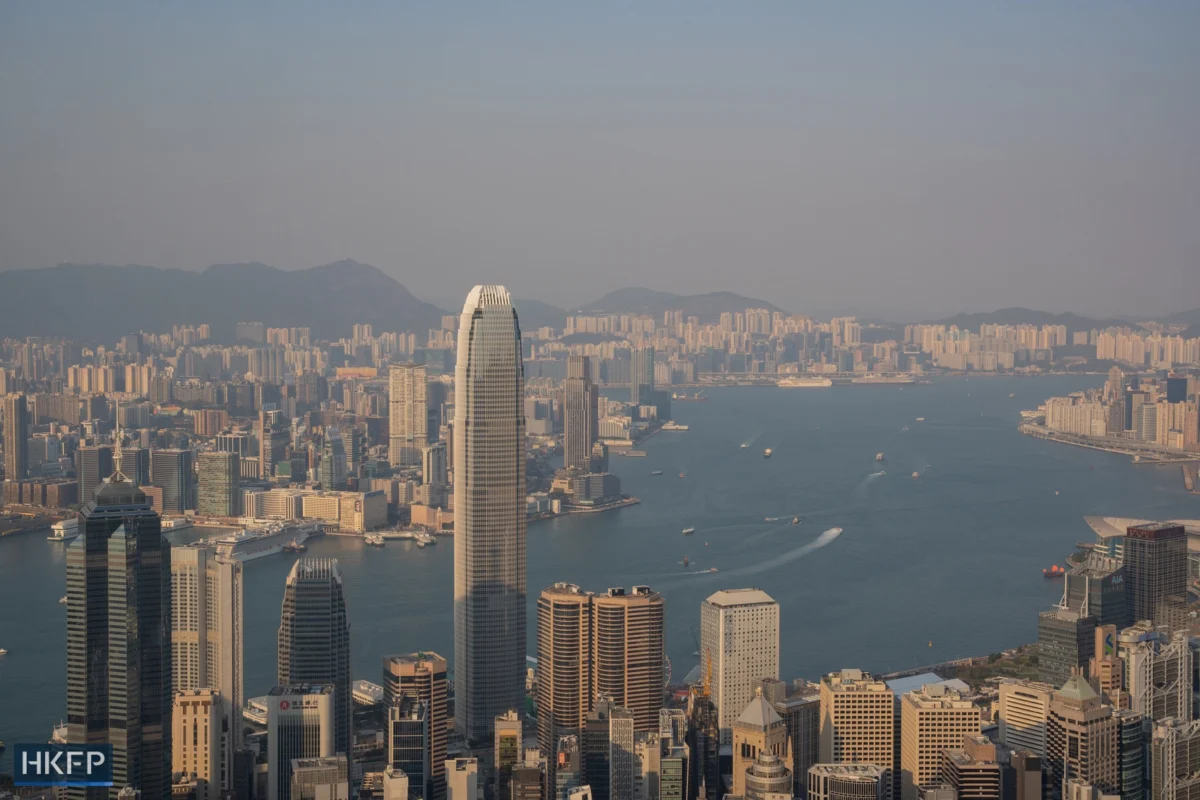
Hong Kong will present its inaugural five-year development plan concurrently with its annual Policy Address on September 16, marking a significant shift in the government’s strategic communication and planning approach. Chief Executive John Lee made the announcement following a community visit in Sham Shui Po, emphasizing that the integrated presentation aims to foster a clearer public understanding of the interconnectedness between long-term vision and immediate policy implementation. This dual release signifies a more cohesive governmental strategy, designed to provide both a strategic roadmap and concrete action points for the city’s future.
The decision to present these two pivotal documents together is intended to create a more synergistic effect, allowing citizens and stakeholders to grasp the overarching direction and the specific measures designed to achieve it. Lee explained the relationship metaphorically, stating, "The five-year plan is like dotting the eyes of the dragon, while each annual Policy Address is like drawing the dragon itself." This analogy underscores the five-year plan’s role in setting the fundamental vision and strategic objectives, while the annual Policy Address serves as the mechanism for translating that vision into tangible policy initiatives and actionable steps.

The five-year plan is expected to outline the strategic direction and core strategies for Hong Kong’s development across various sectors, addressing key challenges and opportunities. Concurrently, the Policy Address will detail the specific policy measures, legislative proposals, and resource allocations that will be pursued in the coming year, directly linked to the broader five-year objectives. This integrated approach is anticipated to enhance governmental accountability and provide greater clarity for businesses, residents, and investors regarding the city’s developmental trajectory.
A New Era of Strategic Planning
This upcoming September 16th presentation represents a departure from previous governmental practices. Historically, the Chief Executive’s Policy Address has been the primary annual statement of government policy. However, the introduction of a comprehensive five-year plan signals a commitment to more structured, long-term strategic planning, aligning Hong Kong’s development with national objectives and global trends. The move also reflects a broader shift in governance philosophy, emphasizing proactive planning and strategic foresight.
The Chief Executive’s Policy Addresses have historically been lengthy affairs. Last year’s address spanned just under three hours, while the 2023 address set a record at nearly three and a half hours. To manage the presentation of both documents effectively and maintain a reasonable duration, sources suggest that Lee will focus on the salient points of both the five-year plan and the Policy Address. This approach, as reported by Ming Pao, aims to keep the combined briefing within a manageable timeframe, similar to previous years, while ensuring that the core messages and strategic priorities are clearly communicated. The objective is to make the information digestible and accessible to the public, avoiding an overwhelming deluge of details.

Clarifying Terminology: From Plan to Programme
In a move to refine public understanding of the government’s strategic documents, Chief Executive Lee also addressed the terminology surrounding the five-year roadmap. He noted that the term "five-year plan" is sometimes used in a dated context, suggesting a potential misunderstanding of its current function. Lee clarified that, in official discourse, the document is more accurately referred to as a "Five-Year Programme."
This distinction has roots in China’s own economic and policy evolution. In 2006, Beijing officially renamed its strategic blueprint from the "Five-Year Plan" to the "Five-Year Programme" in Chinese. This semantic shift was intended to emphasize the nation’s ongoing market reforms and its transition away from a centrally planned economy, highlighting a greater degree of flexibility and market-driven approaches. While the English translation has largely retained the "Five-Year Plan" nomenclature, the underlying intent of the change in China was to reflect a more dynamic and adaptive policy framework.
Hong Kong’s adoption of this terminology aligns with its broader integration into national development strategies. The 15th National Five-Year Plan was unveiled earlier this year during China’s high-level political meetings. Hong Kong’s own five-year blueprint, preceding these national plans, is designed to articulate how the city will contribute to and benefit from these overarching national goals, while charting its unique course. Lee previously stated in February that the five-year plan would "create a synergising force in society" and "provide more certainty for businesses to pursue development," underscoring its role in fostering economic stability and growth.

Public Consultation and Engagement
The development of both the five-year plan and the annual Policy Address involved a period of public consultation. The government initiated a public consultation for the five-year plan in mid-June, inviting feedback and suggestions from various sectors of society. This was followed shortly by consultation sessions for the Policy Address at the end of June. This consultative process is crucial for ensuring that the government’s strategies are informed by the needs and aspirations of the community, fostering a sense of shared ownership and collective effort towards the city’s future.
The consultation period aimed to gather diverse perspectives on key issues such as economic diversification, technological innovation, environmental sustainability, and social welfare. The input received during these sessions is expected to inform the final content of both documents, ensuring that they are responsive to the real-world challenges and opportunities facing Hong Kong. The government’s commitment to public engagement in these strategic planning processes underscores a desire to build consensus and garner broad support for its development agenda.
Implications and Future Outlook
The joint unveiling of the five-year plan and the Policy Address signifies a more strategic and integrated approach to governance in Hong Kong. By clearly articulating long-term objectives alongside immediate policy actions, the government aims to enhance predictability and foster confidence among businesses and residents. This approach is particularly important in the current global economic climate, where strategic clarity and a stable policy environment are highly valued.

The five-year plan is expected to focus on several key areas that are critical for Hong Kong’s sustained competitiveness and development. These are likely to include strengthening Hong Kong’s position as an international financial center, fostering innovation and technology development, enhancing its role as a gateway to and from mainland China, and addressing social issues such as housing and an aging population. The detailed policy measures in the Policy Address will then provide the roadmap for how these aspirations will be pursued in the short to medium term.
Analysts suggest that this integrated planning framework could lead to more effective policy outcomes by ensuring that annual initiatives are aligned with broader strategic goals. It also provides a clear benchmark for evaluating the government’s progress over the next five years. The success of this approach will ultimately depend on the clarity of the plans, the effectiveness of their implementation, and the government’s ability to adapt to evolving circumstances while maintaining its strategic focus.
The shift in terminology from "plan" to "programme" also subtly signals a more flexible and adaptive approach, acknowledging the dynamic nature of the global and regional landscape. Hong Kong, as a unique international city, must continuously evolve its strategies to remain competitive and resilient. The five-year programme is therefore not intended to be a rigid set of dictates but rather a guiding framework that allows for adjustments in response to new challenges and emerging opportunities.

The public’s reception to this new integrated approach will be closely watched. The success of the five-year plan will hinge on its ability to resonate with the aspirations of the citizens and businesses of Hong Kong. The government’s commitment to transparency and clear communication throughout the planning and implementation phases will be crucial in building trust and ensuring that the city moves forward collectively towards its stated objectives. The September 16th presentation is therefore not just an announcement of policy but a crucial step in shaping Hong Kong’s future direction and fostering a shared vision for its continued prosperity and development.

 Ammar Sabilarrohman
 Azzam Bilal Chamdy