Iffa Jayyana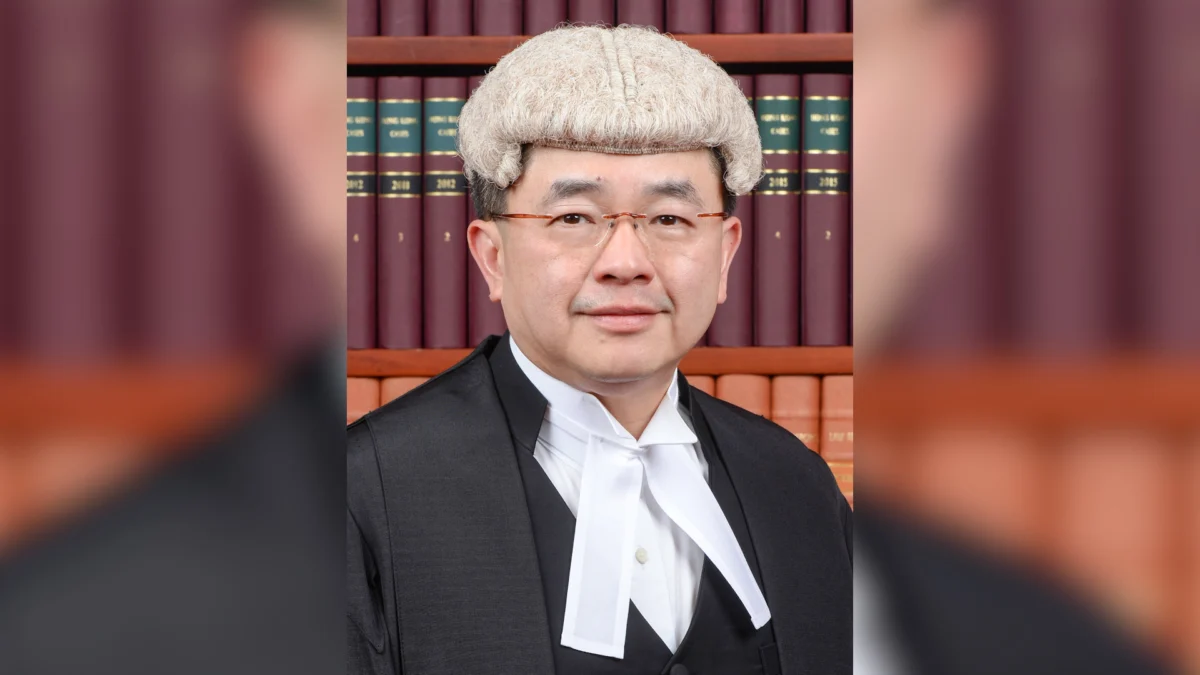
A High Court judge in Hong Kong, Wilson Chan, is once again embroiled in allegations of plagiarism, marking the third such incident in three years. This latest accusation, stemming from a commercial dispute, has led to a retrial being ordered by the Court of Appeal, raising significant questions about judicial integrity and the scrutiny applied to judicial pronouncements. The plaintiff in the case, Koo Ming-kown, founder of digital products company Nam Tai Electronics, alleged that large portions of the judgment delivered by Justice Chan were lifted directly from the defendant’s opening and closing arguments. This development follows two previous instances where Justice Chan faced similar accusations, resulting in severe reprimands and retrials.
The current case involves a legal battle between Koo and his former brother-in-law over HK$40 million in shares. After losing the initial case presided over by Justice Chan, Koo appealed, arguing that the judgment appeared to be a near-verbatim reproduction of the opposing side’s submissions, thereby questioning the judge’s independent analysis and application of the law. Local media reports indicate that the paragraphs in question constituted approximately 95% of the original judgment, a figure that has drawn considerable concern from legal observers. The Court of Appeal, in its recent ruling, concurred with Koo’s appeal, concluding that a fresh trial before a different judge was warranted to ensure fairness and impartiality.

This marks a critical juncture for Justice Chan, who has previously been reprimanded by the judiciary for similar ethical lapses. In 2023, he faced two separate allegations of plagiarism. The first involved a trademark dispute between two pharmaceutical companies. The defendant, having lost the case, appealed on grounds that Justice Chan had plagiarized the majority of the plaintiff’s written submissions in his ruling. In the second instance that same year, the Court of Appeal found that Justice Chan had plagiarized substantial portions of the plaintiff’s submissions in a case concerning real estate giant Great Eagle Holdings. In this latter case, an astonishing 92% of his judgment was found to be plagiarized, leading the appeal judges to conclude that Chan had failed to exercise his judicial responsibilities independently and had uncritically adopted the arguments of the winning party.
The gravity of these repeated offenses has not gone unnoticed. Following the 2023 incidents, the Chief Judge of the Court of Final Appeal, Andrew Cheung, issued a "serious reprimand" to Justice Chan for "judicial copying." Despite this reprimand, the current case demonstrates a continued pattern of alleged misconduct. The implications of such repeated plagiarism by a High Court judge are far-reaching, potentially undermining public confidence in the judiciary and the rule of law. It raises fundamental questions about the vetting processes for judicial appointments, the effectiveness of disciplinary measures, and the overall standards of judicial conduct in Hong Kong.
A Pattern of Allegations and Reprimands
The trajectory of Justice Wilson Chan’s judicial career has been significantly impacted by these plagiarism allegations. The timeline of these incidents paints a concerning picture:

- 2023 (First Instance): A defendant in a trademark dispute appeals, alleging that Justice Chan copied the majority of the plaintiff’s written submissions in his judgment. This leads to scrutiny of his judicial methods.
- 2023 (Second Instance): In a separate case involving real estate giant Great Eagle Holdings, the defendant appeals, accusing Justice Chan of plagiarizing large parts of the plaintiff’s submissions. An appellate court finds that 92% of his judgment was plagiarized.
- Post-2023 Reprimand: Following these incidents, the Chief Judge of the Court of Final Appeal, Andrew Cheung, issues a "serious reprimand" to Justice Chan for "judicial copying." Despite this, Justice Chan is subsequently removed from presiding over the government’s application to ban the protest song "Glory to Hong Kong," indicating ongoing concerns within the judiciary.
- Recent Allegation (Present): In a commercial dispute involving Koo Ming-kown, the plaintiff alleges that Justice Chan copied approximately 95% of the defendant’s opening and closing arguments in his judgment.
- Court of Appeal Ruling: The Court of Appeal sides with the plaintiff, ordering a retrial of the case before a different judge, confirming the validity of the plagiarism claims in this instance.
These repeated findings of plagiarism suggest a persistent issue that has not been adequately addressed. The fact that a judge, after receiving a severe reprimand, would continue to engage in similar conduct raises profound questions about accountability and the mechanisms in place to uphold judicial integrity.
The Legal and Ethical Ramifications
The core of the allegations against Justice Chan revolves around the fundamental principle of judicial independence and impartiality. Judges are expected to apply their own legal minds to the facts and arguments presented in court, crafting judgments that reflect their independent analysis and understanding of the law. The act of copying significant portions of a party’s submissions, without proper attribution or original reasoning, calls into question whether the judge has truly performed this essential duty.
The implications extend beyond the individual judge. For the litigants involved, the prospect of a judgment being based on copied arguments can lead to a sense of injustice and a lack of faith in the legal process. In the case of Koo Ming-kown, his appeal was not just about the outcome of the dispute but about the integrity of the judicial process that led to that outcome. The Court of Appeal’s decision to order a retrial underscores the seriousness with which such allegations are treated at higher judicial levels.

Furthermore, these recurring incidents can erode public trust in the judiciary as a whole. A judiciary perceived as compromised or prone to such ethical breaches can lead to a broader questioning of the rule of law and the fairness of the legal system. In a jurisdiction like Hong Kong, which prides itself on its robust legal framework and its role as an international financial center, maintaining a high standard of judicial integrity is paramount.
Supporting Data and Context
The percentage figures cited in the plagiarism allegations are particularly striking. In the Great Eagle Holdings case, 92% of the judgment was found to be plagiarized. In the current Nam Tai Electronics case, the figure is reported to be around 95%. These are not minor instances of unattributed sentences or paraphrased ideas; they represent wholesale adoption of another party’s work, suggesting a potential lack of diligence or an unwillingness to engage in the rigorous intellectual work required of a judge.
The cases themselves, while distinct, highlight the diverse areas of law in which Justice Chan has presided and where these allegations have arisen. From trademark disputes and real estate matters to commercial disputes involving substantial financial stakes, the pattern suggests that the issue is not confined to a particular legal specialty.

The reprimand from Chief Judge Andrew Cheung, a significant disciplinary measure within the judiciary, indicates that the highest levels of the Hong Kong judiciary were aware of and concerned by Justice Chan’s conduct. The decision to remove him from the "Glory to Hong Kong" case, a politically sensitive matter, further suggests that concerns about his judicial performance and impartiality had become a significant factor in case assignments.
Potential Responses and Future Implications
The Judiciary of Hong Kong has been contacted for comment on the latest incident. The response from the Judiciary will be crucial in understanding how this matter will be handled and what further steps, if any, will be taken. Given the repeated nature of the allegations and the previous reprimand, there is significant public and professional interest in the Judiciary’s actions.
Possible outcomes could include further disciplinary proceedings, a review of Justice Chan’s judicial assignments, or even calls for his resignation. The Court of Appeal’s decision to order a retrial is a clear indication that the judiciary is willing to intervene when judicial integrity is called into question.

The broader implications for Hong Kong’s legal system are substantial. These repeated instances of alleged judicial misconduct could prompt a more in-depth review of the appointment and disciplinary processes for judges. There may be increased calls for greater transparency in judicial decision-making and for more robust mechanisms to ensure accountability.
The independence and perceived fairness of the judiciary are cornerstones of any well-functioning legal system. For Hong Kong, particularly in the current socio-political climate, maintaining public trust in its institutions, including the judiciary, is of paramount importance. The ongoing scrutiny of Justice Wilson Chan’s conduct serves as a stark reminder of the constant need for vigilance in upholding the highest standards of judicial ethics and practice. The legal community and the public will be closely watching for developments and the Judiciary’s response to these persistent allegations.


 Layla Zulfa
 Basiran