Basiran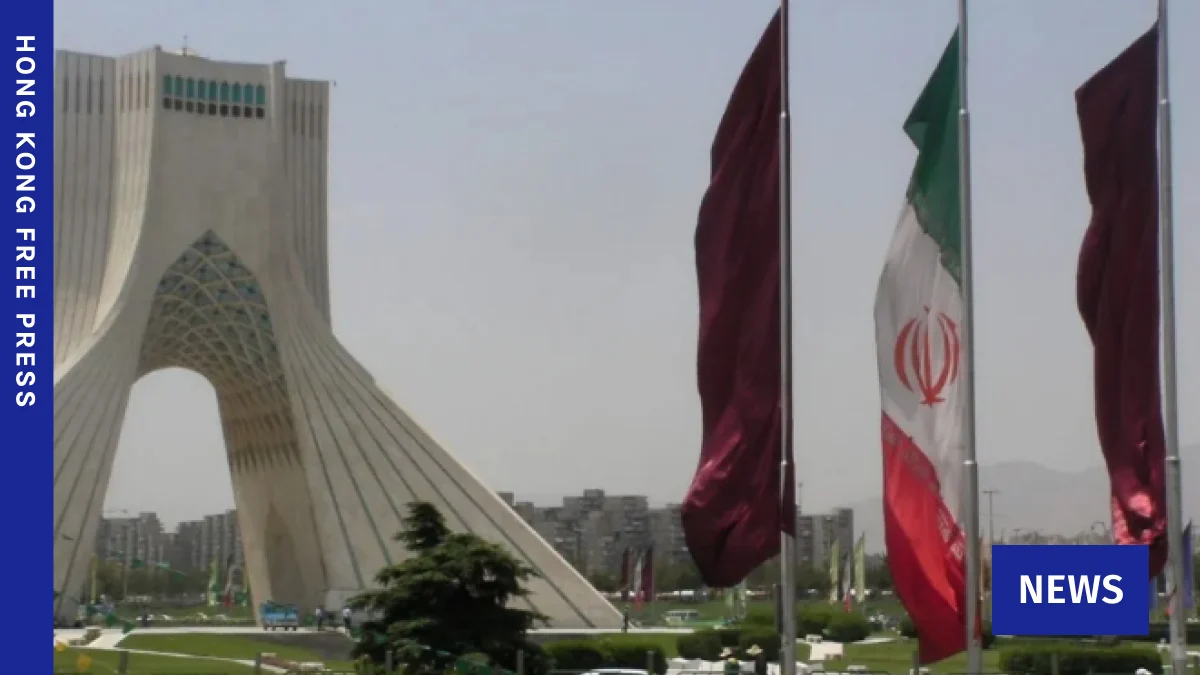
China on Friday unequivocally stated that "sanctions and pressure" imposed by the United States would not serve as a viable solution to the multifaceted Middle East conflict, a direct rebuttal to Washington’s appeal for global cooperation, including from Beijing, to economically isolate Iran. This declaration from Beijing underscores a significant geopolitical divergence, with the US pursuing a strategy of maximum economic pressure against Tehran, which Iran has vehemently condemned as "economic terrorism." The ongoing economic confrontation, described by some as a "war," has been intensifying for nearly six months, following a critical escalation in US policy.
The statement from Beijing came as the US ramped up its efforts to enlist international partners in its campaign to cripple the Iranian economy. US President Donald Trump’s administration had vowed to "collapse" the Iranian regime through its threatened campaign of extensive sanctions. In response, Tehran has consistently dismissed these measures as destined for failure, asserting its determination to resist foreign pressure.
Beijing’s Firm Stance on Unilateral Coercion
During a routine press briefing, Chinese foreign ministry spokesman Lin Jian addressed questions regarding President Trump’s threats, reiterating Beijing’s long-held position. "Sanctions and pressure will not help resolve the issue," Lin stated definitively. He further emphasized China’s consistent call for all relevant parties to adopt responsible measures and to seek resolution through established political and diplomatic channels. This stance aligns with China’s broader foreign policy doctrine, which often prioritizes dialogue and multilateralism over unilateral coercive measures, especially those not sanctioned by the United Nations Security Council.

The US push for economic pressure was defended by Treasury Secretary Scott Bessent, who had been actively engaging with international counterparts to build a united front against Iran. When questioned about the possibility of pressuring China to join the campaign, Bessent opted for discretion, noting that "many conversations are best to have in private." However, he made it clear that Washington expected Beijing "to get with the programme," signaling an expectation for China to align its economic policies with US objectives regarding Iran.
In response to Bessent’s explicit call, spokesman Lin Jian reiterated China’s insistence on "responsible measures" for resolving the ongoing "war" – a term that, in this context, refers to the intense economic and diplomatic standoff. Crucially, Lin underscored China’s fundamental opposition to "illegal unilateral sanctions that have no basis in international law and are not authorised by the UN Security Council." This statement highlights a core difference in the US and Chinese approaches to international relations and the use of economic leverage. China views UN authorization as a prerequisite for legitimate international sanctions, distinguishing them from unilateral measures imposed by individual states.
The Genesis of Renewed Tensions: The JCPOA Withdrawal
To fully grasp the current diplomatic impasse, it is essential to revisit the events that led to the re-escalation of tensions. The Joint Comprehensive Plan of Action (JCPOA), commonly known as the Iran nuclear deal, was signed in July 2015 between Iran and the P5+1 group of world powers (China, France, Germany, Russia, the United Kingdom, and the United States), plus the European Union. This landmark agreement aimed to prevent Iran from developing nuclear weapons in exchange for relief from international sanctions. It was hailed as a triumph of diplomacy, bringing a measure of stability to a volatile region and demonstrating the potential for peaceful resolution of complex international disputes.
However, the political landscape shifted dramatically with the advent of the Trump administration in the United States. In May 2018, President Trump announced the US withdrawal from the JCPOA, labeling it "the worst deal ever." This decision marked a profound departure from the multilateral consensus and immediately triggered the re-imposition of US sanctions that had been lifted under the deal. The US withdrawal was accompanied by a declaration of a "maximum pressure" campaign designed to force Iran to negotiate a new, more comprehensive agreement that would also address its ballistic missile program and regional activities.

The period following the US withdrawal saw a rapid intensification of economic pressure. The first tranche of renewed US sanctions came into effect in August 2018, targeting Iran’s access to US dollars, its automotive sector, and trade in gold and other key metals. A more impactful second round followed in November 2018, specifically targeting Iran’s energy, shipping, shipbuilding, and financial sectors. This included sanctions on Iran’s oil exports, a critical lifeline for its economy. It is this six-month period of escalating economic warfare, from May to November 2018, and its subsequent continuation, that the article refers to, characterizing it as an economic "war" against Iran.
China’s Strategic Interests and Economic Ties with Iran
China’s resolute rejection of US sanctions is deeply rooted in its strategic economic interests and its broader foreign policy objectives in the Middle East. Iran has historically been a crucial supplier of crude oil to China, the world’s largest energy consumer. Despite US sanctions, China has largely continued to import Iranian oil, albeit often through opaque mechanisms or by taking advantage of waivers during certain periods. For Beijing, maintaining access to diverse energy sources is a matter of national energy security, and Iran represents a significant, if sometimes challenging, partner in this regard.
Beyond oil, China and Iran share extensive trade relations, with China being Iran’s largest trading partner for many years. Chinese companies have invested heavily in Iran’s infrastructure, energy projects, and manufacturing sectors. Furthermore, Iran holds a strategically vital position along China’s ambitious Belt and Road Initiative (BRI), a massive infrastructure development and investment strategy that aims to connect Asia with Africa and Europe. Iran’s geographical location, bordering the Caspian Sea and the Persian Gulf, makes it a critical node in potential land and sea routes, bolstering China’s geopolitical influence across Eurasia.
Beijing views stability in the Middle East as paramount for its economic interests and global trade flows. The imposition of unilateral sanctions, particularly those that create economic instability and regional tensions, is perceived as counterproductive to this goal. China’s advocacy for diplomatic solutions stems from a belief that prolonged conflict and economic coercion ultimately destabilize the region, threaten its investments, and disrupt global supply chains, all of which are detrimental to China’s overarching strategic objectives.

The Broader Geopolitical Chessboard and International Responses
The US campaign against Iran and China’s resistance to it are not isolated events but rather integral parts of a larger geopolitical struggle, particularly in the context of increasing US-China rivalry. Beijing often frames US unilateral actions as attempts to impose its will on the international community and undermine the principles of multilateralism and international law. By opposing sanctions not authorized by the UN Security Council, China positions itself as a defender of global governance norms, appealing to a wider audience that may also be wary of US unilateralism.
The European signatories of the JCPOA – France, Germany, and the United Kingdom – also found themselves in a difficult position following the US withdrawal. While condemning Iran’s regional actions and ballistic missile program, they largely sought to preserve the nuclear deal, believing it was the best mechanism to prevent Iran from developing nuclear weapons. To circumvent renewed US sanctions, European powers established the Instrument in Support of Trade Exchanges (INSTEX), a special purpose vehicle designed to facilitate legitimate trade with Iran without direct financial transactions, thereby avoiding the US-dominated financial system. However, INSTEX’s effectiveness has been limited, highlighting the pervasive reach of US secondary sanctions.
The international community remains deeply divided on the efficacy and legitimacy of the US "maximum pressure" campaign. Supporters argue that it is necessary to curb Iran’s destabilizing behavior and nuclear ambitions. Critics, including China and many European nations, contend that such an approach alienates allies, strengthens hardliners within Iran, and risks further escalating tensions in an already fragile region, potentially leading to unintended military confrontations.
Economic Impact and the Debate over Sanctions Efficacy

The economic impact of US sanctions on Iran has been substantial. Following the re-imposition of sanctions, Iran’s oil exports plummeted dramatically, significantly reducing government revenue. The Iranian rial experienced a sharp depreciation, losing a considerable portion of its value against major international currencies. This, in turn, fueled inflation, increased the cost of imported goods, and eroded the purchasing power of ordinary Iranians. The International Monetary Fund (IMF) and other international bodies projected a severe contraction of Iran’s economy, with significant drops in GDP and soaring unemployment rates.
However, the effectiveness of sanctions in achieving their stated policy goals – specifically, forcing Iran to negotiate a new, more restrictive nuclear deal or to alter its regional behavior – remains a subject of intense debate. While sanctions have undoubtedly inflicted economic pain, they have not, as of the time of this article’s context, led to the "collapse" of the Iranian regime or a fundamental shift in its strategic policies. Instead, Tehran has often responded with resilience, developing a "resistance economy" focused on self-sufficiency, diversifying trade partners, and exploring alternative financial mechanisms. Some analysts argue that sanctions, rather than fostering moderation, can entrench hardline elements and strengthen anti-Western sentiment within the targeted country.
The US strategy relies heavily on the threat of "secondary sanctions," which target foreign individuals and entities that conduct transactions with sanctioned Iranian entities. This extraterritorial application of US law is a major point of contention for countries like China, which view it as an infringement on their national sovereignty and economic autonomy. It forces international companies to choose between accessing the vast US market and doing business with Iran, often compelling them to withdraw from Iran to avoid legal repercussions and financial penalties from Washington.
Pathways Forward and the Diplomatic Deadlock
The current situation presents a significant diplomatic deadlock. The US has maintained that it is open to negotiations with Iran but insists that any new agreement must be far more comprehensive than the JCPOA, addressing Iran’s ballistic missile program, regional proxies, and human rights record. Iran, conversely, has steadfastly refused to negotiate under duress, demanding that the US first lift all sanctions and return to the JCPOA before any talks can commence.

China, along with Russia and the European powers, continues to advocate for the preservation of the JCPOA and for a diplomatic pathway based on mutual respect and dialogue. Beijing often stresses the importance of multilateral platforms, such as the UN, for resolving international disputes. China’s calls for "responsible measures" imply a preference for de-escalation, adherence to international agreements, and avoidance of actions that could further destabilize the Middle East.
The ongoing "war" of economic attrition has profound implications not only for Iran and the Middle East but also for the global order. It tests the limits of unilateral power, challenges the existing framework of international law, and highlights the growing fissures in the geopolitical landscape. As China firmly rejects the US strategy of sanctions and pressure, the path to a lasting resolution in the Middle East conflict, and particularly regarding Iran’s nuclear program, appears increasingly fraught with challenges, necessitating innovative diplomatic solutions beyond coercive measures.

 Sagoh
Sagoh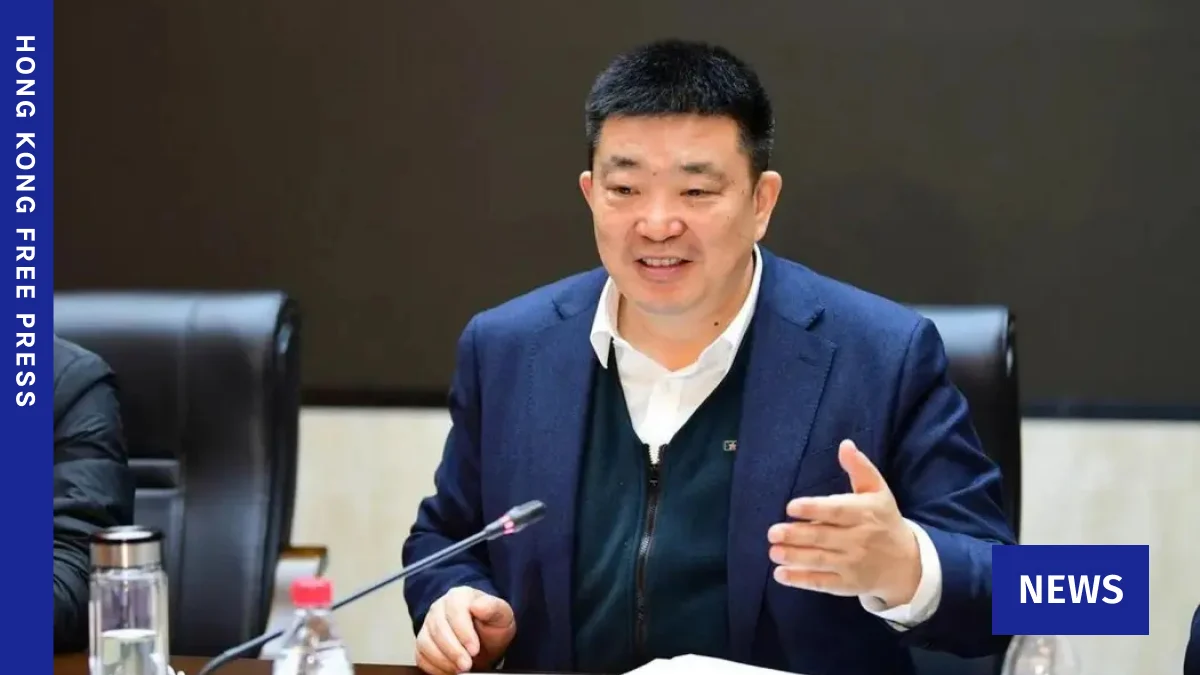
 Asro
Asro