Nila Kartika Wati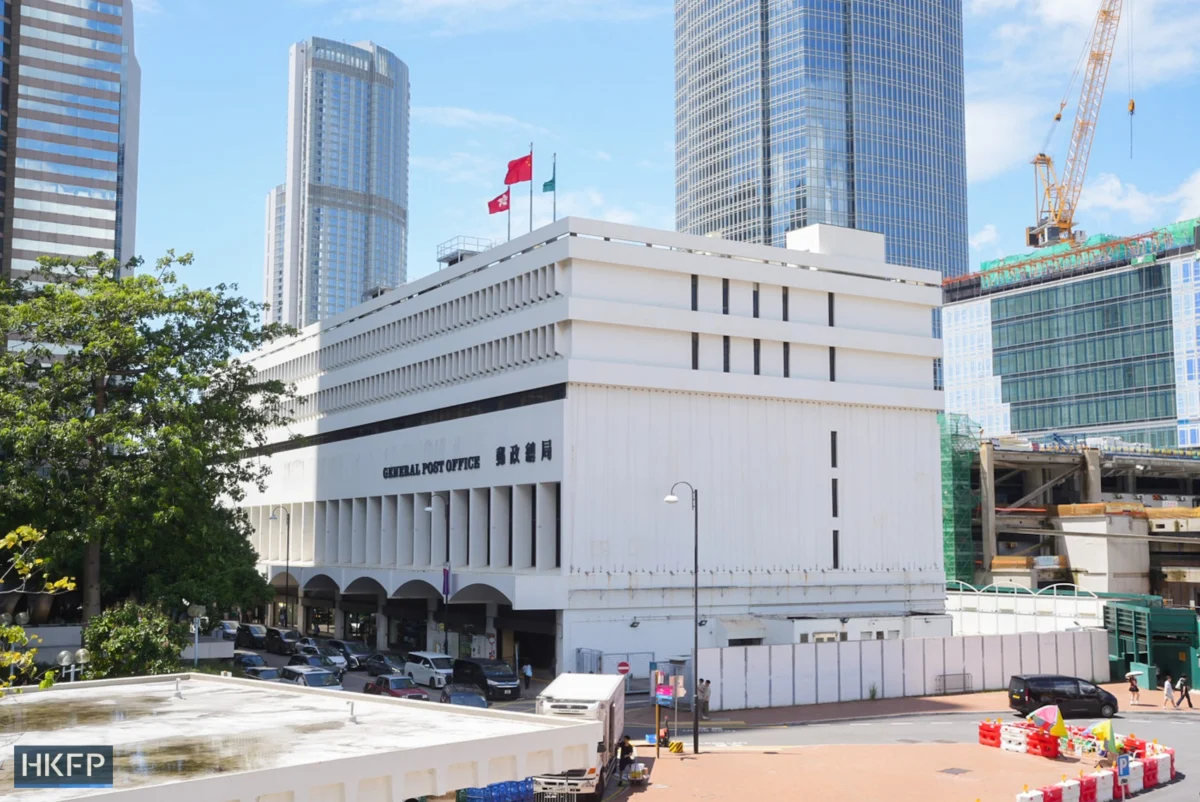
When the General Post Office (GPO) was constructed in the heart of Central half a century ago, the city’s conservationists lamented what they perceived as a significant architectural loss. The edifice it replaced, an elegant example of Edwardian design, was razed to make way for the modernist structure that stands today. This older building, lauded for its sweeping archways, granite veranda pillars, and a distinctive rose-coloured Amoy brick facade – a material chosen for its exceptional durability against the region’s tempestuous climate – represented a bygone era of architectural grandeur. Its demolition, alongside that of the old Hong Kong Club, was decried by many as one of the city’s most egregious architectural transgressions.

Just over a decade ago, the former chief curator of the Hong Kong Museum of History even crowned the original GPO as "Hong Kong’s most beautiful building," a sentiment that resonated with those who valued its historical and aesthetic significance. The loss of such structures often sparks passionate debate, highlighting the tension between urban development and the preservation of heritage. This sentiment was echoed in the public outcry surrounding the demolition of the Edinburgh Place Ferry Pier, a landmark whose impending removal in 2006 ignited significant protests and a sit-in by conservationists. While these efforts ultimately failed to save the 1950s pier, the movement served as a catalyst, contributing to the localist and pro-democracy mobilisations of the following decade. Similarly, in North Point, preservation campaigns for the mid-century State Theatre have been ongoing for a decade, yielding some concessions but underscoring the persistent struggle to protect historical buildings.
However, the narrative surrounding the current General Post Office has undergone a significant transformation. Erected in 1976, this modernist structure, initially met with criticism for its stark departure from its predecessor, is now finding belated recognition as an icon of modern Hong Kong heritage. As it faces its own impending demolition to make way for the Central Yards shopping centre, the building is being re-evaluated, its design choices now seen as a reflection of the societal values of its time.

A Tale of Two Post Offices: Architectural Shifts and Societal Values
The original General Post Office, a testament to Edwardian architectural sensibilities, stood proudly at the site now occupied by World-Wide House. Its façade, constructed from rose-coloured Amoy brick, was not merely an aesthetic choice but a practical one, chosen for its resilience against the harsh weather conditions of the South China coast. The building’s design, characterized by grand archways and robust granite pillars, embodied a sense of permanence and civic pride.
In stark contrast, the current GPO, built in 1976, embraced a modernist aesthetic. Its design was notably constrained by urban planning considerations of the era, specifically the desire to preserve the sea view from the adjacent Jardine House. Consequently, the GPO was deliberately kept to a modest five storeys, a decision that shaped its horizontal, unadorned profile. Its sharp lines and white concrete walls stand in stark opposition to the ornate detailing and warm hues of its predecessor.

The 1970s Ethos: Function Over Form
The architectural shift from the Edwardian GPO to its 1970s modernist successor is more than just a change in style; it reflects a profound evolution in Hong Kong’s societal priorities and urban development ethos. The 1970s were a period of rapid economic growth and urban expansion for Hong Kong. The city was focused on modernization and accommodating a burgeoning population. In this context, the prevailing architectural philosophy leaned towards functionalism, prioritizing efficiency, utility, and cost-effectiveness.
The current GPO, with its clean, unadorned façade and pragmatic design, embodies this ethos. Its structure is simple, its materials straightforward, and its purpose—to serve a growing population’s postal needs—is paramount. The decision to limit its height to preserve views, while seemingly accommodating, also speaks to a pragmatic approach to urban planning where the unobstructed enjoyment of public spaces and private property was a significant consideration. The emphasis was on creating structures that served their purpose efficiently, with ornamentation and aesthetic flourishes considered secondary, or even optional, in the headlong rush to develop and modernize. This approach, while perhaps sacrificing immediate visual appeal for some, was instrumental in shaping the functional landscape of a rapidly expanding metropolis.

A Legacy Re-evaluated: The GPO’s Late Bloom
Despite the initial criticisms, the 1976 General Post Office is now experiencing a renaissance in public appreciation. As the building nears its demolition, its modernist design is being re-examined and, for many, re-valued. This shift in perception mirrors a broader trend in urban heritage where structures once overlooked or even disliked can, with time and changing perspectives, come to be seen as significant cultural artifacts.
The GPO’s unassuming stature, a direct result of planning restrictions, has paradoxically contributed to its eventual recognition. Its integration into the urban fabric, rather than dominating it, allowed it to become a familiar, functional part of daily life for generations of Hongkongers. The building’s utilitarian nature, once seen as a drawback, is now interpreted as a powerful representation of the era’s pragmatic spirit. It stands as a tangible link to a period of intense development and a testament to the city’s ability to adapt and evolve.

This phenomenon of "love at last sight," a term coined by the late scholar Ackbar Abbas, captures the essence of how Hong Kong often comes to appreciate its landmarks. It is a sentiment that highlights how the passage of time and the impending loss of a structure can profoundly alter public perception, fostering a newfound appreciation for what was once taken for granted or even derided.
Historical Parallels: The Shifting Tides of Heritage
The re-evaluation of the current GPO is not an isolated incident in Hong Kong’s urban history. The city has a long-standing, often contentious, relationship with its architectural heritage. The demolition of historical buildings to make way for new developments has frequently sparked public debate and activism.

The aforementioned Edinburgh Place Ferry Pier incident serves as a poignant example. Its demolition in 2006, despite widespread public opposition and conservation efforts, underscored the challenges faced by heritage advocates. The protests surrounding its removal, however, were not in vain; they are widely seen as having galvanized public consciousness regarding heritage preservation and contributing to a more active civil society.
Another significant case is the ongoing campaign to save the State Theatre in North Point. This iconic mid-century building, with its distinctive arched façade, has been the subject of preservation efforts for a decade. While progress has been slow, the sustained public engagement highlights a growing awareness and desire to protect structures that hold historical and cultural significance. These efforts, though often arduous, demonstrate a maturing understanding of heritage as an integral part of a city’s identity.

The Future of the GPO Site: A New Mega-Mall and a Footnote in History
The impending demolition of the General Post Office will pave the way for the construction of the Central Yards shopping centre. This new mega-mall is slated to be a massive development, stretching from the current GPO site towards the once-distant shores of Victoria Harbour. The GPO itself, upon its demolition, will not disappear entirely but will be relegated to the basement of the new complex, a metaphorical and literal descent into the annals of history.
This fate, while perhaps ignominious, is not uncommon for structures that have served their primary purpose and are replaced by newer, larger developments. The new mall represents the continued trajectory of urban development in Central, a district that has consistently transformed itself to meet the evolving needs of a global financial hub. The sheer scale of the proposed Central Yards suggests a further densification and commercialization of the waterfront area.

Broader Implications: Defining Belonging in a Changing City
The story of the General Post Office, from its controversial inception to its current re-evaluation and eventual demolition, encapsulates a broader narrative about Hong Kong itself. The city is characterized by its relentless pace of change, its constant reinvention, and its dynamic relationship with its past. In such an environment, a sense of belonging can be complex, often forged as much by the memories of what has been lost as by the tangible realities of the present.
The GPO’s journey from an object of scorn to a potential heritage icon, albeit a temporary one, speaks to the evolving cultural landscape of Hong Kong. It highlights how public perception of architectural value can shift over time, influenced by societal trends, historical context, and the very act of impending loss. As the city continues to develop and transform, the preservation and appreciation of its architectural past, in all its forms, will remain a critical and ongoing dialogue. The GPO’s story serves as a reminder that even seemingly utilitarian structures can hold deep cultural significance and that the appreciation of heritage is often a process that unfolds over decades, sometimes only reaching its full potential when the object of that appreciation is about to disappear forever. The space it occupied, and the functions it served, will be absorbed into a new commercial landscape, leaving behind only memories and the enduring question of what truly constitutes enduring heritage in a city that never stands still.

 Siti Muinah
 Lina Irawan