Suro Senen
China’s vast automotive market experienced a noticeable deceleration in growth during November, with vehicle sales registering a meager 0.7 percent year-on-year increase to 2.96 million units. This figure, released by the China Association of Automobile Manufacturers (CAAM) on Monday, underscores a maturing market grappling with the phasing out of critical government incentives and evolving economic conditions. The overall performance for the first eleven months of the year, spanning January to November, saw total vehicle sales reach 25.85 million units, marking a 3.6 percent growth from the previous year. While seemingly decent in a global context, this growth rate represents a significant downturn, being 10.5 percentage points lower than the robust year-on-year expansion recorded during the same period in 2016. This trajectory has led CAAM to revise its full-year growth forecast, with Xu Haidong, an assistant to the organization’s secretary-general, stating that overall sales growth for the year would "definitely fall to below 4 percent," a notable miss from their initial estimate of 5 percent growth at the start of the year.
The Evolving Landscape of China’s Automotive Market
China has held the title of the world’s largest automotive market for several years, a position achieved through a combination of rapid economic growth, increasing urbanization, and expanding consumer wealth. From 2009 onwards, the market often saw double-digit growth rates, driven by a burgeoning middle class eager for personal mobility. However, the current figures indicate a significant shift from this era of hyper-growth towards a more sustainable, albeit slower, expansion phase. This transition is not entirely unexpected as the market reaches a certain level of saturation in major urban centers and as policy objectives shift from pure growth to quality of growth, sustainability, and technological advancement. The marginal increase in November sales, barely above stagnation, highlights the sensitivity of the market to external factors, particularly government policies that have historically played a pivotal role in shaping consumer demand.
The Fading Impact of Purchase Tax Incentives
A primary driver behind the recent slowdown is the gradual expiration of a crucial purchase tax discount. Introduced on October 1, 2015, this incentive initially offered a 50 percent reduction on the 10 percent purchase tax for vehicles equipped with engines of 1.6 liters or smaller. This policy was designed to stimulate a flagging auto market and provide a boost to the broader economy. It proved remarkably effective, spurring significant sales volumes throughout late 2015 and 2016. However, from January 1, 2017, the discount was halved, increasing the effective purchase tax rate from 5 percent to 7.5 percent. The policy is slated to expire entirely by the end of December 2017, returning the purchase tax to its full 10 percent rate.
This phased withdrawal has created a "pull-forward" effect, where consumers expedited vehicle purchases in anticipation of higher costs, leading to an artificial boost in previous periods followed by a subsequent dip. As Xu Haidong noted, "The trend is clear. Growth will slow down even further next year." This sentiment reflects the consensus within the industry that the market will have to adjust to the absence of such a significant fiscal stimulus. The implications extend beyond just sales figures, affecting production planning for automakers, inventory management for dealerships, and pricing strategies across the board. Furthermore, the broader economic conditions in China, including efforts to deleverage the economy, manage housing market risks, and transition to a consumption-led growth model, also contribute to a more cautious consumer sentiment, impacting discretionary spending on big-ticket items like automobiles.
Passenger Vehicle Dynamics: SUVs Drive Growth Amidst Stagnation
The passenger car segment, which constitutes the bulk of vehicle sales in China, mirrored the overall market’s slowdown, exhibiting even more sluggish growth. From January to November, a total of 22 million passenger cars were sold, marking a modest 1.9 percent year-on-year increase. This meager growth rate would have been even lower, potentially negative, were it not for the sustained and robust performance of Sports Utility Vehicles (SUVs).
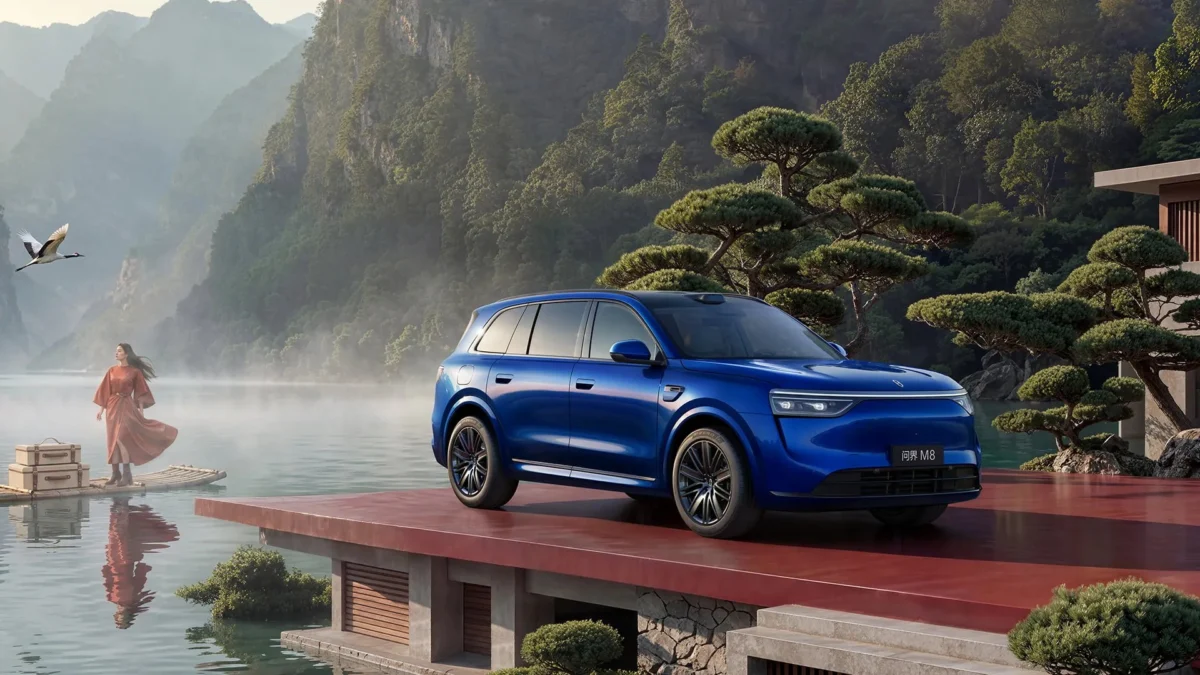
SUVs continued their meteoric rise in popularity, with sales surging by 14.5 percent year-on-year to reach 9.09 million units during the first eleven months. This segment has been a consistent bright spot, appealing to Chinese consumers for multiple reasons: their perceived safety, higher driving position, increased interior space for families, and a general preference for vehicles that project a sense of status and capability on increasingly crowded urban and sometimes less-developed rural roads. Both domestic and international brands have heavily invested in their SUV lineups to capitalize on this trend.
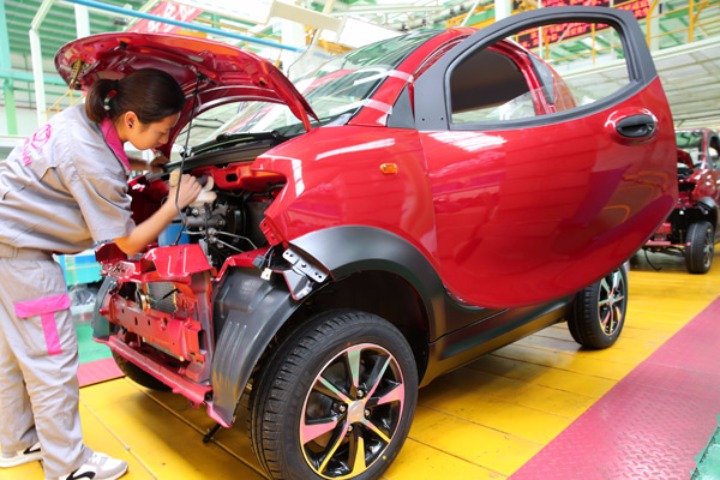
In stark contrast, other traditional passenger car segments faced significant headwinds. Sedan sales experienced a decline of 2.3 percent, indicating a clear shift in consumer preference away from conventional passenger cars. Multi-Purpose Vehicles (MPVs), once a popular choice for larger families, saw their sales fall by a substantial 16.5 percent. The minivan segment, often associated with entry-level commercial use or basic family transport, suffered the steepest decline, slumping by 20.1 percent in the same period. This stark divergence highlights a significant restructuring of consumer demand within the passenger vehicle market, signaling a long-term trend towards more versatile and perceived-premium vehicles.
Commercial Vehicles: A Pillar of Strength
Amidst the broader slowdown in passenger car sales, the commercial vehicle segment, encompassing buses and trucks, presented a notably stronger performance. In November, 368,000 commercial vehicles were sold, marking a respectable 7.3 percent rise from the same month last year. This positive momentum carried through the first eleven months of the year, with total sales reaching 3.75 million units, an impressive nearly 15 percent increase year-on-year. This growth rate significantly outpaced the industry’s average by 11.2 percentage points, making commercial vehicles a crucial contributor to the overall market’s modest expansion.
The robust performance of commercial vehicles can be attributed to several factors. Increased infrastructure investment across China, coupled with a booming logistics sector fueled by e-commerce, has driven demand for trucks. Furthermore, tightening environmental regulations and stricter enforcement of overloaded vehicle limits have prompted transportation companies to upgrade their fleets with newer, more compliant models. The ongoing urbanization and industrial development also contribute to a steady demand for commercial vehicles for various applications, from construction to public transportation. This segment’s resilience underscores its fundamental role in supporting China’s economic activities, providing a degree of stability to the overall automotive market.
New Energy Vehicles: A Glimmer of Green Growth
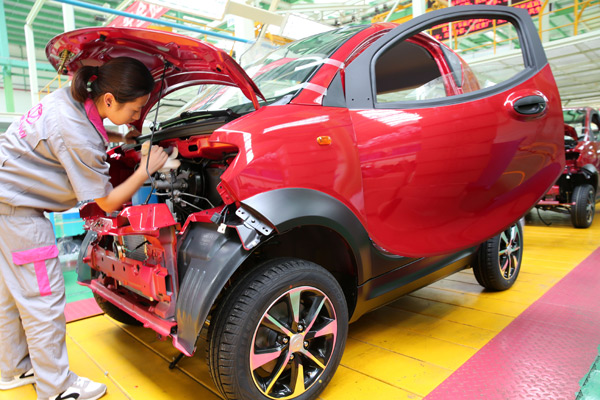
While conventional vehicle sales faced headwinds, the New Energy Vehicle (NEV) segment, comprising electric cars, plug-in hybrids, and fuel-cell cars, continued its phenomenal growth trajectory, shining as a beacon of future innovation and market potential. November witnessed a record-breaking 119,000 NEV units sold, representing an astounding 83 percent surge year-on-year. This strong monthly performance pushed cumulative sales for the first eleven months to 609,000 units, marking a substantial 51.4 percent growth compared to the previous year.
CAAM’s assistant secretary-general, Xu Haidong, expressed strong confidence in this segment, stating, "Their development is in line with our expectations. It is now almost certain that their sales this year would reach our whole-year estimate of 700,000 units." Looking ahead, Xu projected even more ambitious growth, declaring, "We are confident in new energy cars and see no problems in their sales reaching 1 million units in 2018."
This remarkable growth is a direct result of comprehensive and aggressive government support policies aimed at combating severe air pollution and establishing China as a global leader in electric vehicle technology. These policies include substantial purchase subsidies, often coupled with local government incentives, and preferential policies such as easier access to license plates in major cities where conventional car registrations are heavily restricted. For instance, in cities like Shanghai and Beijing, obtaining a conventional car license plate can be an expensive and lengthy lottery process, whereas NEV plates are often free or significantly easier to acquire.
Beyond direct incentives, China has also been actively building out its charging infrastructure. By the end of November, the China Electric Vehicle Charging Infrastructure Promotion Alliance reported a total of 431,800 charging poles had been constructed nationwide. This rapid expansion of charging networks is critical for addressing range anxiety and improving the practicality of NEVs for consumers. Furthermore, upcoming regulations, such as the "dual credit" system (which mandates automakers to produce a certain percentage of NEVs or buy credits from others), are designed to further accelerate the transition towards electrification across the entire automotive industry. The burgeoning NEV market is not just about sales numbers; it represents a strategic shift for China’s industrial policy, aiming to leapfrog traditional internal combustion engine technology and dominate the next generation of automotive innovation.
Industry Outlook and Expert Commentary
The revised forecast from CAAM, dropping from an initial 5 percent to below 4 percent for the full year, signals a more cautious outlook for the traditional automotive market. This adjustment is a realistic assessment of the combined impact of the waning tax incentives and broader economic rebalancing. The "hangover" effect from the tax incentive pull-forward is expected to continue into early 2018, potentially leading to even slower growth rates in the immediate future. Automakers, both domestic and international, will need to adapt their strategies, potentially focusing more on product differentiation, brand building, and, critically, accelerating their NEV portfolios.
The commentary from CAAM officials underscores a dual reality: a challenging environment for conventional vehicles but a highly optimistic one for new energy vehicles. This bifurcation in market performance will likely intensify competition, particularly among domestic brands that have historically relied on volume in the lower-tier segments. International joint ventures, while facing similar pressures, might leverage their global R&D capabilities to introduce more competitive NEV models and premium SUVs.
Broader Economic and Environmental Implications
The slowdown in China’s overall automotive market carries significant economic implications. The automotive industry is a cornerstone of China’s manufacturing sector, contributing substantially to GDP, employment, and technological advancement. A sustained period of slow growth could impact industrial output, investment in manufacturing, and potentially lead to consolidation within the industry. However, the robust performance of commercial vehicles and the explosive growth of NEVs offer counterbalancing forces. The emphasis on commercial vehicles supports logistics and infrastructure, while the NEV sector drives investment in advanced manufacturing, battery technology, and smart grid infrastructure.
Environmentally, the strategic pivot towards NEVs aligns perfectly with China’s ambitious goals to combat air pollution and reduce carbon emissions. By promoting electric mobility, the government aims to reduce reliance on fossil fuels, particularly in heavily populated urban areas. The growth in NEV sales and charging infrastructure development signifies a tangible step towards achieving these environmental targets, positioning China as a global leader in sustainable transportation solutions. This policy-driven transformation extends beyond just cars, influencing the entire energy ecosystem and urban planning strategies.
Looking Ahead: Navigating a Maturing Market
As China’s automotive market matures, the dynamics are clearly shifting. The era of easy, double-digit growth is giving way to a more complex landscape characterized by selective growth segments, intense competition, and a strong government-led push towards electrification. The decline in sales for sedans, MPVs, and minivans, juxtaposed with the surging demand for SUVs and NEVs, indicates a profound evolution in consumer preferences and policy priorities. Automakers that can effectively navigate these changing tides, particularly by investing in innovative NEV technologies, expanding their SUV offerings, and adapting to a more competitive environment without the crutch of large-scale tax incentives, will be best positioned for long-term success in what remains the world’s most critical automotive market. The next few years will be crucial in observing how these trends solidify and reshape the global automotive industry, with China undeniably at the forefront of this transformation.

 Evan Lee Salim