Asep Darmawan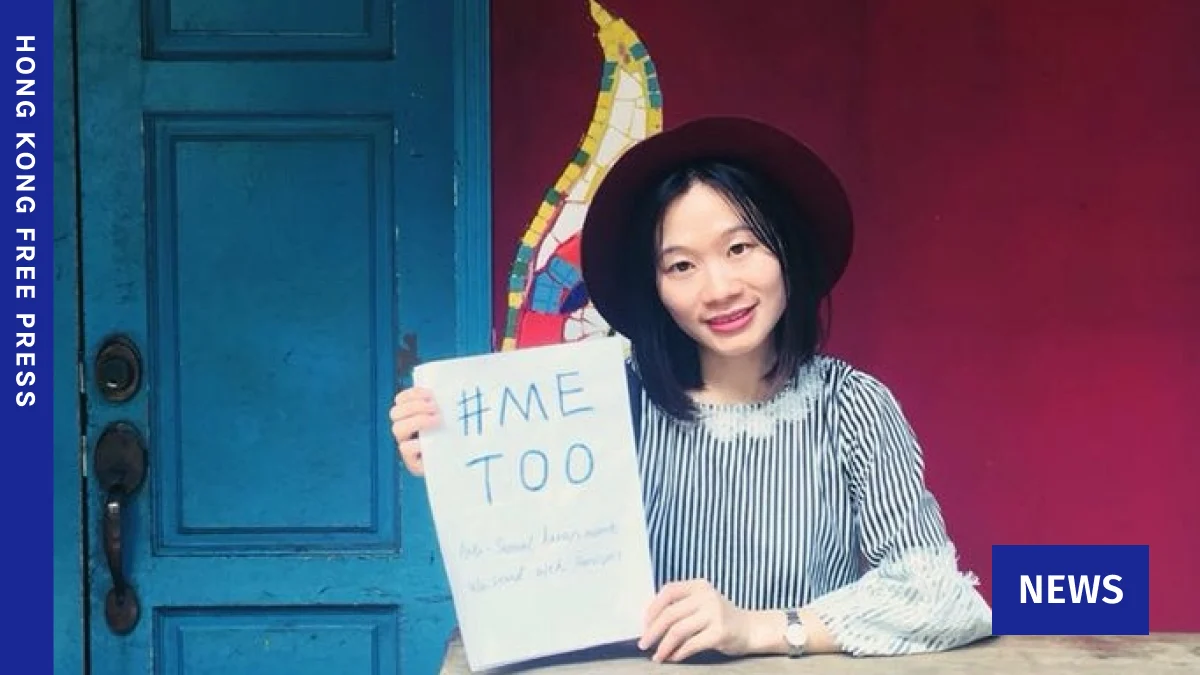
Sophia Huang Xueqin, the prominent Chinese journalist and #MeToo activist, is set to be released from prison this Friday, ending a five-year ordeal that began with her detention in September 2021. However, the anticipated freedom is tempered by profound concerns from her friends and international human rights organizations, who fear she will remain under the stringent control of Chinese authorities, effectively trading one form of confinement for another. Her friend, Rio, who requested to be identified only by his English name, articulated these worries from the United States, reflecting a widespread apprehension about Huang’s ability to navigate life and continue her advocacy under the pervasive shadow of state surveillance.
Huang’s imprisonment stemmed from charges of "inciting subversion of state power," a common accusation leveled against activists in China. She and labor activist Wang Jianbing were detained for co-organizing weekly group discussions on social issues and shared struggles, gatherings that friends like Rio described as vital "safe spaces." These meetings, often held in Wang Jianbing’s modest living room, provided a rare forum for open dialogue in an increasingly constricted civil society. The court, in its 2024 ruling, asserted that the pair had "incited participants’ dissatisfaction with Chinese state power under the pretext of discussing social issues," effectively criminalizing peaceful assembly and discussion. While the immediate relief for her friends is palpable, the looming restrictions on her post-prison life cast a long, unsettling shadow.

The Journey of a #MeToo Pioneer and Advocate
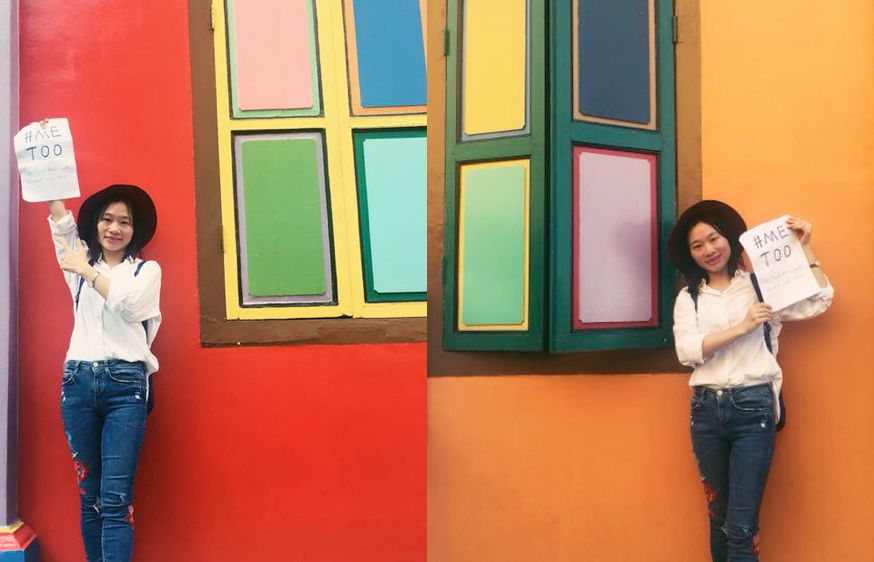
Sophia Huang Xueqin emerged as a pivotal figure in China’s nascent #MeToo movement. A dedicated journalist, her work often focused on social justice issues, bringing to light narratives that challenged prevailing norms. Her personal experience with workplace sexual harassment at a Chinese news agency propelled her into the public spotlight in 2017, coinciding with the global surge of the #MeToo movement. Huang bravely shared her story on social media, using the hashtag #Metoo, and subsequently became a vocal advocate for women’s rights, inspiring countless others in a society where such discussions were – and remain – highly sensitive. Her activism was not limited to online platforms; she actively engaged with communities, conducting surveys on sexual harassment in the workplace and tirelessly campaigning for greater gender equality and protections.
The environment for women’s rights activism in China has become increasingly hostile over the past decade. Under President Xi Jinping’s leadership, which began in 2012, there has been a systematic tightening of control over civil society, freedom of speech, and any form of perceived dissent. Feminist activists, often labeled as "troublemakers" or "agents of foreign influence," have faced significant pressure, including arrests, censorship, and the dismantling of grassroots organizations. This broader crackdown has sought to suppress any independent voices that might challenge the state’s narrative or authority, making Huang’s continued efforts all the more courageous and, ultimately, perilous. Her case is emblematic of the state’s intolerance for independent social organization and advocacy, even on seemingly apolitical topics like gender equality.
The "Safe Space" That Led to Prison
The weekly discussions that became the basis for Huang’s and Wang Jianbing’s detention were far from clandestine political rallies. Rio, recalling his participation six years ago, described them as informal gatherings – sometimes drawing as many as 30 members – where individuals could openly discuss a wide array of social issues. Topics ranged from the struggles of gay migrant workers to broader discussions on activism and shared personal challenges. These meetings, often held in Wang Jianbing’s unassuming living room, offered a unique and precious "safe, comfortable space" for participants to "open up" in a society where public discourse is heavily policed. They were, in essence, a lifeline for those seeking community and mutual support outside of state-sanctioned channels.
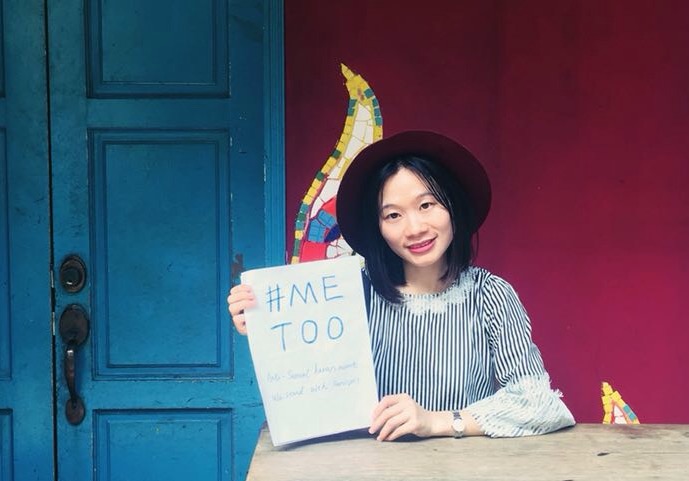
The arrests of Huang and Wang Jianbing on September 19, 2021, came as a shock to their friends and supporters. The timing was particularly poignant for Huang; she was just one day away from flying to the United Kingdom to pursue a master’s degree on a Chevening Scholarship. She had only recently received a new passport from the authorities, an act she and her friends had interpreted as a "positive signal" that she was no longer under intense scrutiny and would be allowed to travel. This sudden detention, therefore, felt like a deliberate act of pre-emption, cutting short her academic aspirations and sending a chilling message to others who might consider similar activities. The charges of "inciting subversion" against individuals engaged in peaceful discussions underscore the extremely narrow parameters of acceptable public assembly and speech in contemporary China.
A Timeline of Suppression and Resilience
The saga of Sophia Huang Xueqin is set against a backdrop of increasing state control and the systematic dismantling of civil society in China. A brief chronology illuminates the intensifying crackdown:
- 2012: Xi Jinping assumes power, initiating a period of heightened ideological control and suppression of dissent across all sectors.
- 2015: "709 Crackdown" on human rights lawyers and activists signals a new era of severe state repression.
- 2017: The global #MeToo movement gains momentum. Sophia Huang Xueqin bravely shares her own experience of sexual harassment and becomes an active advocate for women’s rights in China. Around this time, the weekly social discussion groups, which would later lead to her detention, begin to form, offering a vital space for open dialogue.
- September 19, 2021: Sophia Huang Xueqin and Wang Jianbing are detained by Guangzhou police, just as Huang prepares to leave for the UK to begin her studies. Their arrests are widely condemned by international human rights organizations.
- September 2023: After two years in pre-trial detention, during which both activists reportedly faced significant hardships, their trial finally commences. The lack of transparency and access to legal representation raises serious concerns.
- 2024 (Specific month not provided in source, but inferred as prior to release): A Chinese court sentences Huang Xueqin to five years in prison and Wang Jianbing to three years and six months. The charges cite their alleged role in "inciting subversion of state power" through their discussion groups.
- This Friday (Implied date): Sophia Huang Xueqin is expected to be released, having served her full sentence. However, the release comes with significant caveats, including a "supplemental sentence" that restricts her political rights.
The Harsh Realities of Detention and Lingering Restrictions
The conditions of Huang’s detention have been a source of grave concern among her supporters. Accounts from former inmates who had met the activist indicate a harsh and isolating experience. She reportedly endured solitary confinement, suffered significant weight loss (over five kilograms), and experienced health issues, including four months of amenorrhea, a clear indicator of the severe stress and poor conditions she faced. These details paint a grim picture of the toll exacted by China’s penal system on political prisoners and human rights defenders.

The court’s official justification for Huang’s conviction further underscores the government’s intolerance for any form of criticism or independent thought. It stated that Huang had "repeatedly published inflammatory articles and statements that distort facts and attack the Chinese government." This broad and often vague accusation is frequently used to silence journalists and activists who dare to report on issues deemed sensitive by the state or to express views that diverge from official narratives. The criminalization of "inflammatory articles" highlights the erosion of press freedom and freedom of expression in China.
Even upon her release, Huang will not be fully free. Amnesty International, in an open letter signed by more than 50 rights organizations, warned this week that she would continue to face "restrictions." Specifically, Huang will be deprived of her political rights for four years after her release. This "supplemental sentence" is a common tactic employed by Chinese authorities, routinely imposed on human rights defenders and journalists. Its purpose is explicitly to "restrict their ability to speak, publish and organize long after their prison terms end." For a journalist like Huang, who relies on her ability to express herself and connect with others, this constitutes a heavy burden. Rio articulated this concern, stating, "Sophia is a journalist, and as a journalist, if you don’t have freedom of expression… you’ve stripped away their primary tool." He added, "We can foresee that her right to express herself freely online in the future will likely be heavily monitored." This ongoing surveillance and control effectively extend her punishment beyond the prison walls, limiting her ability to resume a normal life or continue her advocacy.
Broader Implications for Civil Society and Feminism in China
Sophia Huang Xueqin’s case is a stark illustration of the Chinese government’s unwavering commitment to stifling civil society and any form of independent activism. Under President Xi Jinping, the concept of "stability maintenance" has been expanded to encompass nearly all aspects of public life, leading to a profound chilling effect. The suppression of feminist activism, in particular, is a significant concern. While women’s rights are championed by the state in official rhetoric, independent feminist movements are viewed with suspicion, seen as potential sources of social instability or as influenced by "Western values." This paradox means that while the government may promote gender equality on paper, it actively suppresses those who advocate for it from the grassroots, especially if their methods or messages are not strictly aligned with party directives.
The "inciting subversion" charge, frequently applied to dissidents, is a broad and malleable legal tool that allows the state to criminalize any activity it deems a threat, regardless of its peaceful nature. The implication is that even discussions about social issues, if not sanctioned or controlled, can be interpreted as a challenge to the Communist Party’s authority. This approach not only silences individual voices but also dismantles the networks and communities that form the backbone of civil society. The message sent by Huang’s harsh sentence is clear: independent organizing and free expression, even in private settings, carry severe risks in China. This creates an environment of fear and self-censorship, making it increasingly difficult for social movements, including #MeToo, to gain traction or operate openly.
Reactions and the Path Forward
The impending release of Sophia Huang Xueqin has elicited a complex mix of emotions from those who know and support her. Rio, speaking for many, expressed "tremendous" relief that "after five years, it’s finally over for her. She can finally step out and catch her breath." This relief, however, is deeply intertwined with apprehension about her future. The deprivation of political rights, the expected surveillance, and the psychological toll of prolonged detention mean that her struggle is far from over.
International human rights organizations, like Amnesty International, have consistently highlighted Huang’s case as emblematic of China’s deteriorating human rights record. Their joint letter, signed by over 50 organizations, serves as a powerful testament to the global concern for her well-being and the broader assault on fundamental freedoms in China. These groups will likely continue to monitor her situation closely, advocating for the full restoration of her rights and calling for an end to the harassment of activists and journalists in the country.

From the perspective of the Chinese authorities, the court’s sentencing and the subsequent restrictions are likely viewed as a legitimate exercise of state power to maintain social order and national security. The official narrative consistently frames such activists as individuals who "distort facts" and "attack the government," thereby justifying their suppression. There is little indication that China will alter its approach, especially as it continues to prioritize "stability" above individual freedoms.
For Huang herself, the path ahead is uncertain. While she has been an emblematic figure for women’s rights in China, Rio believes she "shouldn’t have to shoulder the heavy burden" of keeping the movement alive. Instead, the focus should be on her personal recovery: "I think what we really hope for is that she takes care of her own physical and mental well-being first." This sentiment reflects a deep understanding of the immense personal sacrifice she has made. "The Xueqin we know… is someone with incredible energy, someone we’d call a fighter," Rio concluded, expressing hope that her resilience will see her through the difficult post-prison transition. Her release marks the end of one chapter of her ordeal, but it simultaneously ushers in a new phase of challenges, as she navigates a world that remains deeply suspicious of the very freedoms she championed.

 Neng Nana
 Raul Delapena Setiawan