Lina Hope
The Confucius Institute Headquarters in Beijing has long been a pivotal force in promoting Chinese language and culture worldwide. At the heart of its initiatives lies the "Chinese Bridge" Chinese-Proficiency Contest, a series of prestigious annual competitions designed to foster linguistic talent and cultural understanding among non-native Chinese speakers across the globe. This multi-faceted event, encompassing three distinct categories—foreign college students, foreign secondary school students, and other foreign learners—has evolved significantly since its inception, becoming a cornerstone of international Chinese language education and a vibrant platform for cultural diplomacy. This article delves into the history, evolution, impact, and future trajectory of the Chinese Bridge contests, with a particular focus on the recent milestone: the 10th anniversary of the competition for foreign secondary school students.
A Legacy of Linguistic Achievement and Cultural Diplomacy
The journey of the Chinese Bridge contests began in 2002 with the inaugural competition for foreign college students. This initial foray proved to be a resounding success, quickly establishing itself as a benchmark for Chinese language proficiency among university students worldwide. Recognizing the burgeoning interest in Chinese language learning among younger demographics, the organizing body strategically expanded the scope of the competition in 2008 to include foreign secondary school students. This expansion marked a critical juncture, broadening the reach of the Chinese Bridge and nurturing a new generation of Chinese language enthusiasts. The evolution continued in 2014 when the competition was further broadened to encompass "other foreign Chinese speakers," a designation that likely includes enthusiasts, professionals, and individuals with a deep personal connection to the Chinese language beyond formal academic settings. This inclusive approach underscores the program’s commitment to recognizing and celebrating a diverse spectrum of Chinese language learners.
The Secondary School Competition: A Decade of Growth and Excellence
This year’s events held particular significance as they celebrated the 10th anniversary of the Chinese Bridge Chinese Proficiency Competition for Foreign Secondary School Students. This milestone underscores a decade of dedicated effort in cultivating young talent and fostering an early appreciation for the intricacies of the Chinese language and culture. Over the past ten years, this specific competition has witnessed an extraordinary surge in participation. Approximately 3,000 contestants from an impressive 107 countries have graced the stages of these competitions, showcasing their linguistic prowess and cultural insights.
The growth in geographical representation is particularly striking. In 2008, when the secondary school competition was first introduced, a respectable 24 countries participated. Fast forward to the current year, and that number has more than quadrupled, with 96 countries sending their brightest young minds to compete. This expansion signifies a profound increase in the global appeal and accessibility of Chinese language education. Furthermore, the inclusion of 14 countries participating for the first time this year highlights the continuous expansion of the program’s reach and its ability to engage new communities and educational institutions in its mission. The logistical undertaking of such a global event is immense, with this year’s competition bringing together a total of 320 teachers and students from 110 overseas preliminary rounds, all converging to showcase their capabilities on a global stage.
Competition Format: A Holistic Assessment of Proficiency
The Chinese Bridge contests are meticulously designed to assess contestants’ abilities comprehensively, moving beyond mere linguistic fluency. The competition awards both individual and group accolades, recognizing the collaborative spirit and diverse talents that can emerge in language learning. Contestants’ Chinese proficiency is rigorously tested through a variety of challenging formats, including written examinations, oral presentations, and interactive Q&A sessions. However, the competition’s true strength lies in its multifaceted approach to evaluating contestants’ knowledge about China and their understanding of Chinese culture. This extends to a deep dive into the nation’s rich history, contemporary society, and diverse traditions.
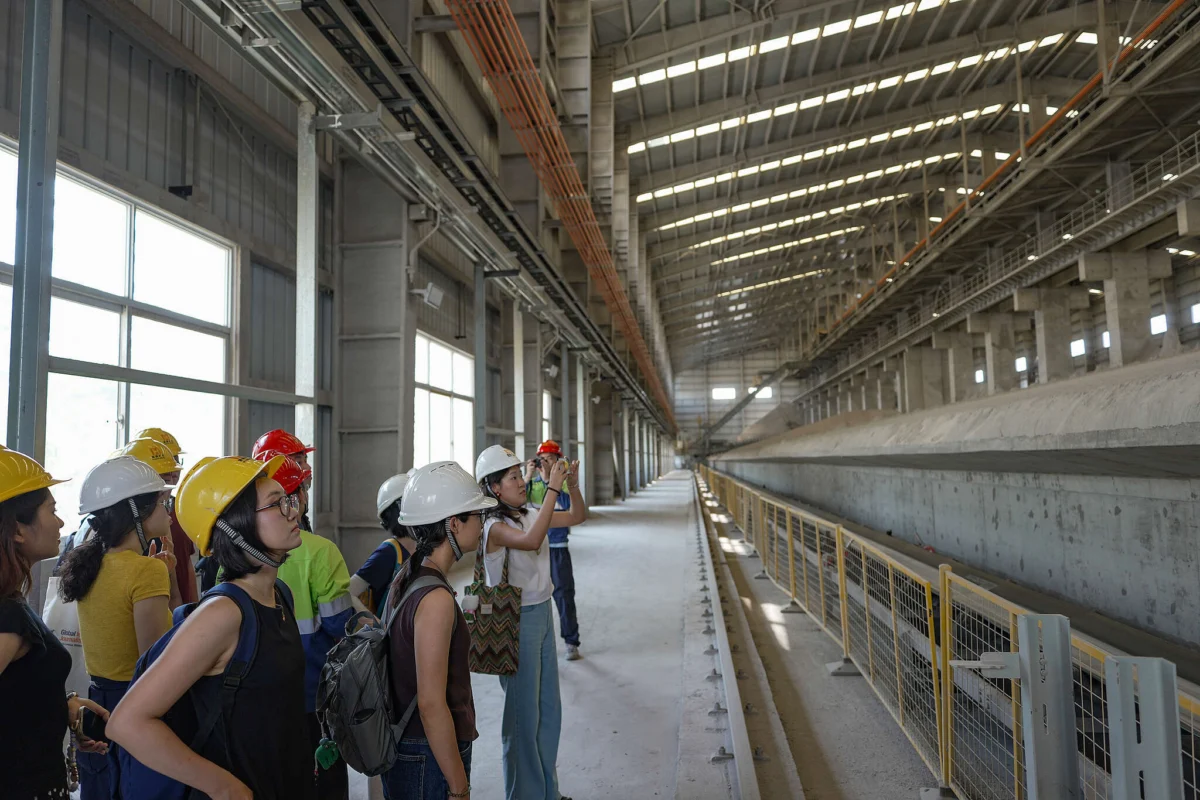
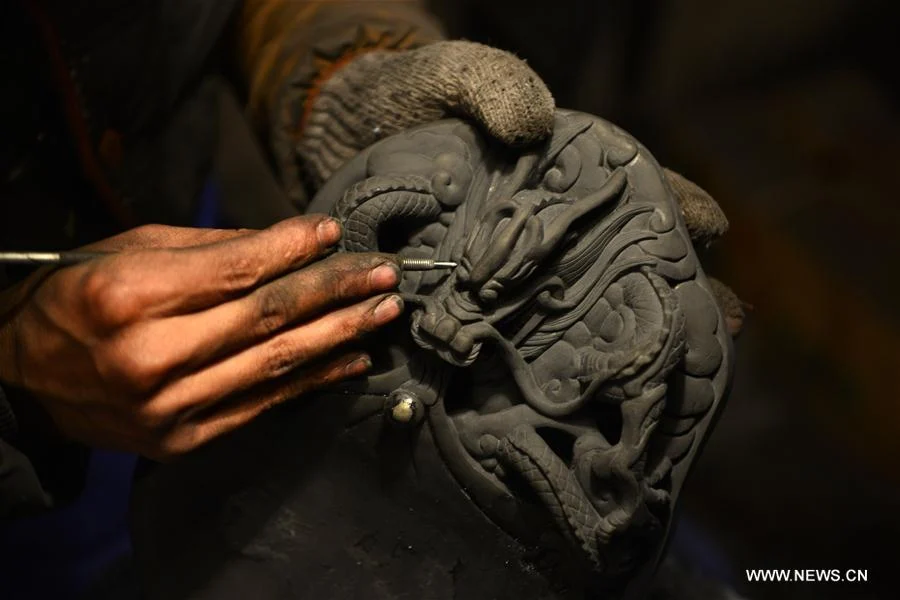
Beyond the confines of the examination hall, contestants are offered an immersive cultural experience. They are often invited to visit Chinese enterprises, gaining firsthand insights into the country’s economic landscape and business practices. Engagements with local communities and families provide invaluable opportunities to witness daily life and forge personal connections. The emphasis on experiencing and participating in Chinese customs and folk arts further enriches the contestants’ understanding. Activities such as traditional paper cutting and pottery making not only offer practical engagement with Chinese crafts but also serve as tangible links to centuries-old artistic heritage. These hands-on experiences are crucial in fostering a deeper, more nuanced appreciation of Chinese culture that goes beyond academic study.
Innovative Challenges: Bridging Literature and Performance
This year’s competition, held in the picturesque province of Yunnan in Southwest China during October, presented contestants with particularly innovative and engaging challenges. A standout event involved participants undertaking a theatrical performance. The theme for this performance was entrepreneurship, a topic of increasing global relevance. Significantly, the performances were to be adapted from "Romance of the Three Kingdoms," one of China’s Four Great Classical Novels. This ambitious task required contestants to not only demonstrate their command of the Chinese language but also their ability to interpret complex historical narratives, understand themes of leadership and strategy, and translate these into a compelling theatrical presentation. The fusion of a classical literary masterpiece with a contemporary theme like entrepreneurship served as a powerful metaphor for the dynamic evolution of modern China itself.
The depth of talent displayed by the contestants extended far beyond their acting and linguistic skills. Many participants astounded judges and audiences alike with their proficiencies in various traditional Chinese arts. Demonstrations of intricate calligraphy, delicate painting, awe-inspiring acrobatics, masterful kung fu, and skilled performances on traditional Chinese musical instruments were commonplace. These displays highlight the holistic nature of Chinese culture and the diverse avenues through which its beauty can be expressed. Such exhibitions not only showcase individual talents but also provide a vibrant tapestry of China’s artistic legacy, allowing participants to connect with different facets of the nation’s heritage.
Supporting Data and Global Trends
The exponential growth in participation in the Chinese Bridge contests is not an isolated phenomenon. It reflects broader global trends in the increasing demand for Chinese language education. According to various reports from educational institutions and language learning platforms, the number of individuals studying Mandarin Chinese has seen a steady upward trajectory over the past two decades. This surge is driven by a confluence of factors, including China’s growing economic influence on the world stage, its increasing role in international affairs, and the burgeoning opportunities in business, trade, and academia for those proficient in Mandarin.
The Confucius Institutes, as the primary facilitators of the Chinese Bridge, have played a crucial role in this expansion. Established in over 160 countries and regions, these institutes offer a wide array of Chinese language and cultural programs. The Chinese Bridge contests serve as a powerful amplifier of their work, providing a tangible goal and a competitive platform for students to hone their skills and showcase their achievements. The success of these contests can be seen as a barometer for the effectiveness of these institutes in fostering linguistic and cultural understanding.
Official Perspectives and Future Outlook
While specific statements from officials are not provided in the source material, the sustained commitment and continuous expansion of the Chinese Bridge contests by the Confucius Institute Headquarters strongly indicate a positive official perspective. The significant investment in resources, logistical support, and organizational efforts for these annual events underscores their perceived value in advancing China’s soft power and promoting cultural exchange. It is reasonable to infer that the organizers view the contests as a vital tool for building bridges of understanding between China and the rest of the world, fostering goodwill, and nurturing a generation of global citizens who are not only fluent in Mandarin but also appreciate the richness and complexity of Chinese culture.
The future outlook for the Chinese Bridge contests appears exceptionally bright. As China’s global engagement continues to deepen, the demand for Mandarin proficiency is likely to remain robust. The adaptability of the competition’s format, incorporating contemporary themes and diverse artistic expressions, ensures its continued relevance and appeal. Potential areas for further development could include deeper integration with digital learning platforms, expanded opportunities for alumni engagement, and perhaps even the establishment of specialized tracks focusing on specific vocational or academic fields where Chinese language proficiency is particularly advantageous. The continued success of the Chinese Bridge contests will undoubtedly contribute to a more interconnected and culturally aware global community, fostering mutual respect and deeper understanding between China and the world. The commitment to nurturing young talent through the secondary school competition, in particular, lays a strong foundation for sustained engagement with Chinese language and culture for years to come.

 Asep Darmawan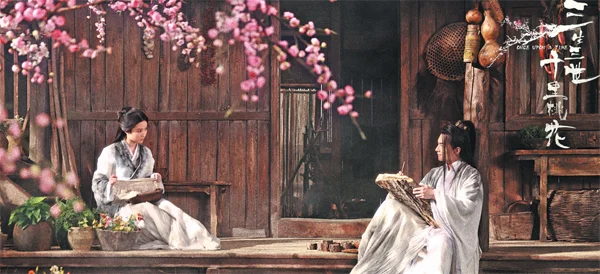
 Rifan Muazin